
Setting Up the Perfect Hamster Habitat
Your hamster’s habitat forms the foundation of its health and happiness. A proper setup prevents stress, illness, and behavioral problems while allowing your pet to express natural instincts like burrowing, nesting, and foraging.
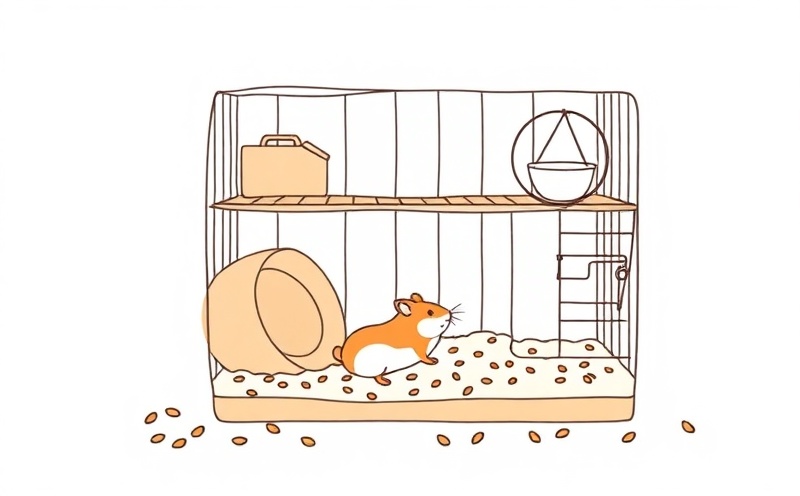
Cage size matters more than many owners realize. Syrian hamsters need a minimum of 450 square inches of unbroken floor space, though 600+ square inches is ideal for optimal hamster care. Dwarf hamsters (Russian, Roborovski, and Chinese varieties) require at least 300-400 square inches. Glass aquariums, large plastic storage bins, and wooden enclosures work better than traditional small wire cages because they provide adequate space and prevent drafts.
Bedding depth and material choice directly affect your hamster’s well-being. Aspen shavings, cypress mulch, and paper-based bedding are safe options that allow natural burrowing behavior. Avoid cedar and pine—these contain oils toxic to hamster lungs. Provide 6-10 inches of bedding so your hamster can burrow comfortably and create nesting areas.
Hamster cage setup essentials: (1) Use a cage with minimum 450 square inches for Syrian hamsters or 300+ for dwarf varieties, (2) Add 6-10 inches of safe bedding like aspen or paper-based materials, (3) Maintain temperature between 65-75°F with humidity at 40-60%, (4) Ensure bedding covers at least 75% of the cage floor to support natural burrowing, (5) Provide multiple ventilation openings without creating drafts.
Temperature control prevents respiratory issues and heat stress. Keep the room between 65-75°F (18-24°C). Hamsters are sensitive to extremes—anything above 80°F causes heat exhaustion, while temperatures below 60°F trigger stress. Humidity should stay between 40-60% to prevent respiratory problems and dry skin.
Ventilation requires careful balance in your hamster care routine. Your hamster needs fresh air circulation, but direct drafts cause illness. Place the cage away from windows, air conditioning units, and heating vents. Ensure bedding covers most of the floor while leaving openings for air exchange, and spot-clean daily to prevent ammonia buildup from urine.
Hamster Diet and Nutrition Essentials
A hamster’s diet directly influences its energy levels, coat quality, lifespan, and susceptibility to disease. Unlike casual pet owners who assume all commercial hamster foods are identical, experienced breeders and veterinarians know that ingredient quality, nutritional balance, and pellet composition vary dramatically between brands. Your hamster depends on you to provide consistent, species-appropriate nutrition because malnutrition develops silently—often showing up as weight loss, dull fur, or premature aging.
Commercial hamster food forms the foundation of your pet’s diet and any comprehensive hamster care guide. Quality brands contain 12-15% crude protein, 5-8% crude fat, and essential vitamins and minerals. Look for products listing specific grains, seeds, and vegetables as primary ingredients rather than generic “grain by-products” or “meal.” Brands like Oxbow, Lab-Blocks, and Supreme Science Selective offer transparent ingredient lists and nutritional transparency.
Choose commercial hamster food with 12-15% protein, 5-8% fat, and named whole-grain ingredients. Avoid brands listing generic by-products or excessive sunflower seeds, which contribute to obesity and metabolic disease in captive hamsters.
Fresh vegetables provide hydration, fiber, and micronutrients that dry pellets cannot deliver alone. Safe daily vegetables include carrots, cucumber, broccoli, bell peppers, and zucchini. Offer small portions—about a teaspoon per serving—three to four times weekly. Some hamsters enjoy leafy greens like romaine lettuce and spinach, though spinach should be limited due to oxalates.
Portion control prevents obesity, which is epidemic in captive hamsters. A hamster’s daily food intake should equal roughly 10-15% of its body weight. For most hamsters, this means one tablespoon of mixed pellets daily, plus the occasional vegetable or protein treat. Feed at the same time each day—typically in the evening when hamsters naturally become active—to establish routine and make monitoring easier.
- Provide one tablespoon of quality commercial pellets daily as the primary food source
- Offer fresh vegetables (carrots, cucumber, bell pepper) three to four times weekly in teaspoon-sized portions
- Include protein treats like mealworms or cooked chicken once or twice weekly
- Remove uneaten fresh food within 24 hours to prevent spoilage
- Provide fresh water daily in a bottle or shallow dish, checking for leaks or contamination
Certain foods are toxic to hamsters and cause serious illness or death. Never feed chocolate, caffeine, avocado, onions, garlic, or citrus fruits—these contain compounds that damage hamster cells or trigger digestive upset. Almonds, apricot pits, and cherry pits contain cyanogenic glycosides and must be avoided. Large seeds like sunflower and pumpkin seeds are high in fat and should be limited to rare treats.
Water management is as critical as food selection in proper hamster care. Provide fresh, clean water daily using either a drip bottle with a metal ball bearing or a shallow ceramic dish. Check bottles daily for leaks, air bubbles, or mold growth—a blocked bottle leaves your hamster dehydrated within hours. Change water at least once daily, more frequently during hot weather.

Daily Care Routines and Health Monitoring
Daily care routines keep your hamster healthy, engaged, and comfortable. A consistent schedule prevents stress, allows early detection of illness, and strengthens your bond with your pet. Unlike occasional pet owners, dedicated hamster keepers understand that ten minutes of daily maintenance prevents expensive veterinary bills and behavioral problems down the line.
Spot-cleaning your hamster’s cage happens every single day in any effective hamster care guide. Remove soiled bedding, uneaten fresh food, and feces from sleeping areas and toilet corners. This daily task takes five minutes but prevents ammonia buildup that damages respiratory systems. Once weekly, perform a deeper clean by removing all bedding, wiping down enclosure surfaces with a damp cloth, and replacing with fresh material.
Daily cage maintenance tasks: (1) Remove soiled bedding and feces from sleeping areas, (2) Take out uneaten fresh vegetables and food debris, (3) Check water bottle or dish for leaks and refill with fresh water, (4) Inspect food bowl and add fresh pellets, (5) Perform weekly deep cleaning with complete bedding replacement and enclosure wipe-down.
Health monitoring requires knowing what’s normal for your hamster. Check your pet daily for weight changes—sudden loss or gain signals illness or overfeeding. Examine eyes for clarity and alertness; cloudy or half-closed eyes indicate respiratory infection or severe illness. Inspect the rear end for wet tail, a life-threatening bacterial infection common in stressed or poorly housed hamsters.
Behavioral changes often precede physical symptoms in your hamster care routine. A hamster that suddenly becomes lethargic, hides excessively, or stops eating needs veterinary attention immediately. Excessive scratching, aggression, or teeth grinding indicate stress or pain. Keep a simple health log noting weight, appetite, activity level, and any unusual observations—this helps your veterinarian diagnose problems quickly.
Warning signs requiring veterinary care include: weight loss despite normal feeding, labored or rapid breathing, cloudy or swollen eyes, wet tail or diarrhea, hair loss or skin lesions, refusal to eat for more than 24 hours, and behavioral changes like excessive hiding or aggression.
Exercise and enrichment prevent boredom-related stereotypic behaviors like bar chewing and excessive wheel running. Hamsters need a solid-surface wheel—at least 8 inches for Syrian hamsters, 7 inches for dwarf varieties—to support natural running behavior without spinal injury. Provide hideouts using toilet paper tubes, wooden boxes, or commercial hides where your hamster feels secure. Scatter bedding and hide food throughout the cage to encourage foraging, which mimics natural digging and searching behaviors.
Handling and socialization differ dramatically between hamster species. Syrian hamsters tolerate gentle handling for short periods—five to ten minutes—several times weekly once they’re accustomed to human contact. Start with brief sessions, using slow movements and calm voice tones. Dwarf hamsters are faster, more nervous, and often prefer observation over handling. Always wash your hands before and after contact to prevent transferring bacteria or unfamiliar scents that stress your pet.
Safe hamster handling involves: supporting the entire body with both hands, keeping sessions under ten minutes for Syrian hamsters, avoiding dwarf hamster handling unless necessary, never grabbing or restraining limbs, washing hands before and after contact, and never waking a sleeping hamster. Allow your hamster to adjust to your presence gradually before expecting toleration of handling.
Grooming your hamster typically requires minimal intervention. Healthy hamsters self-groom constantly and maintain clean fur without assistance. However, if your older hamster develops matted fur or struggles to groom, gentle brushing with a soft toothbrush helps. Never bathe your hamster in water—this removes essential oils and causes temperature dysregulation. Instead, provide a sand bath using chinchilla sand or aspen dust several times weekly, which naturally cleans fur and prevents mite infestations.

Common Health Issues and Veterinary Care
Hamster illnesses often develop quickly because small animals hide weakness until conditions become critical. Unlike larger pets, your hamster won’t show obvious distress signals until disease has progressed significantly. This means recognizing subtle behavioral and physical changes—reduced activity, appetite loss, respiratory changes, or coat deterioration—becomes your most powerful diagnostic tool in your hamster care guide.
Wet tail is the most serious acute condition hamster owners encounter. This bacterial infection, typically caused by Escherichia coli or other enteric bacteria, causes diarrhea, a wet or soiled rear end, and rapid deterioration. Stress from poor housing, overcrowding, temperature fluctuations, or dietary changes triggers wet tail in susceptible hamsters. The condition kills within days if untreated. Affected hamsters require immediate antibiotic therapy from a veterinarian experienced with small animals.
Wet tail symptoms and emergency response: A hamster with wet tail displays diarrhea, soiling around the rear end, lethargy, hunched posture, and loss of appetite. This condition requires veterinary antibiotics within 24 hours of symptom onset. Contact an exotic animal veterinarian immediately—delays longer than 48 hours typically result in death.
Respiratory infections are common in hamsters exposed to drafts, ammonia buildup, or poor ventilation. Symptoms include wheezing, labored breathing, nasal or ocular discharge, and sneezing. Once respiratory infection becomes apparent, antibiotics may slow progression but rarely cure the condition completely. Prevention requires maintaining humidity between 40-60%, ensuring daily spot-cleaning to prevent ammonia accumulation, positioning cages away from drafts and temperature extremes.
Mite and fungal infections cause visible skin problems that owners often mistake for poor hygiene. Mites create excessive scratching, hair loss, skin redness, and sometimes tiny moving specks visible on the skin surface. Fungal infections produce circular hair loss patterns, scabs, or crusty lesions. Both conditions benefit from sand baths using chinchilla sand three to four times weekly—the sand’s mechanical action removes parasites naturally.
Common hamster skin and parasitic conditions: Mites cause excessive itching, hair loss, and visible skin irritation. Fungal infections produce circular bald patches or scabs. Sand baths with chinchilla sand reduce parasite loads naturally. Veterinary anti-parasitic or antifungal treatment becomes necessary if symptoms persist beyond two weeks despite improved husbandry.
Dental problems develop in hamsters fed soft diets lacking natural grinding materials. Hamster teeth grow continuously throughout life—typically 0.5 to 1 millimeter per week—and require constant wear to prevent overgrowth. Excessive tooth growth causes misalignment, prevents eating, and creates infection risk. Prevention requires offering quality commercial pellets, wood chew toys, and roughage-rich vegetables.
Obesity develops silently in hamsters fed excessive sunflower seeds, pumpkin seeds, or low-quality pellets containing high fat content. Overweight hamsters show reduced activity, difficulty grooming, and shortened lifespans. Prevention requires portion control—feeding approximately one tablespoon of quality pellets daily rather than free-feeding unlimited quantities. Monitor your hamster’s weight weekly by gently handling it and assessing rib visibility.
Hamster obesity prevention and weight management: Feed one tablespoon of quality pellets daily rather than free-feeding. Ration high-fat treats like seeds and nuts to twice weekly. Provide an 8-inch wheel for Syrian hamsters or 7-inch for dwarf varieties to encourage exercise. Weigh your hamster weekly and ensure you can feel ribs with light pressure but cannot see them visibly.
Wet eye or conjunctivitis appears as red, swollen, or discharge-filled eyes. This condition results from dusty bedding, ammonia accumulation, respiratory infection, or trauma. Treating wet eye requires identifying the underlying cause—usually switching to dust-free bedding, improving ventilation, or addressing respiratory disease. Hamsters with chronic wet eye risk vision loss and secondary infections.
Tumors occur frequently in older hamsters, particularly Syrian hamsters over two years old. Visible lumps or masses, behavioral changes, or unexplained weight loss warrant veterinary evaluation. Most hamster tumors progress quickly, and treatment options are limited due to the difficulty of anesthetizing such small animals safely.
Veterinary care for hamsters requires finding an exotic animal veterinarian experienced with small rodents. Standard veterinary clinics often lack knowledge of hamster-specific conditions and may provide ineffective or harmful treatments. Schedule a wellness exam within your hamster’s first month of ownership to establish baseline health status. Keep vaccination and medical records even if your veterinarian doesn’t recommend routine vaccinations for hamsters.
- Identify an exotic animal veterinarian experienced with hamsters before your pet becomes ill—waiting until emergency situations arise limits your options
- Schedule a wellness exam during your hamster’s first month of ownership
- Document baseline weight, activity level, appetite, and normal behaviors for comparison
- Call your veterinarian immediately if your hamster refuses food for more than 24 hours, shows respiratory distress, displays wet tail symptoms, or exhibits sudden behavioral changes
- Maintain medical records and photographs of any physical abnormalities or behavioral concerns
Preventive health measures reduce disease risk dramatically. Maintain consistent temperature and humidity, provide adequate cage space, perform daily spot-cleaning, offer species-appropriate nutrition, and minimize stress through stable routines. Source hamsters from reputable breeders or rescues rather than pet stores, where disease prevalence and stress-induced illness are high. These preventive practices address the root causes of most hamster health problems—poor housing, malnutrition, stress, and unsanitary conditions—rather than treating advanced disease.

Frequently Asked Questions
How often should I clean my hamster's cage?
Spot-clean daily by removing soiled bedding and uneaten food. Perform a complete cage cleaning with fresh bedding every 1-2 weeks, or more frequently if odors develop.
Can hamsters live together?
Syrian hamsters must live alone as they're territorial. Dwarf hamsters can sometimes live in pairs if introduced young, but monitor for fighting and separate if aggression occurs.
How long do hamsters live?
Syrian hamsters typically live 2-3 years, while dwarf hamster species live 1.5-2.5 years. Proper diet, housing, and veterinary care can help maximize their lifespan.
What temperature should I keep my hamster's room?
Maintain room temperature between 65-75°F (18-24°C). Temperatures below 60°F can cause hibernation attempts, while above 80°F can cause heat stress.