Parrots are among the most intelligent and socially complex pets you can keep — but intelligence comes with needs. A parrot requires environmental enrichment, species-appropriate housing, balanced nutrition, and consistent social interaction. Done correctly, parrot care is rewarding. Done poorly, it leads to behavioral problems (screaming, feather plucking, aggression) and shortened lifespans. Here’s what responsible parrot ownership actually involves.
Choosing the Right Parrot Species
Different parrot species have wildly different care requirements, lifespans, and personalities. Match the species to your lifestyle, not your aesthetic preference.
- Budgerigars (budgies): Small, relatively quiet, easier to house. Lifespan: 5–10 years. Best for beginners or those with limited space. Can be trained to talk and step up; highly social and should be kept in pairs or given extensive daily interaction.
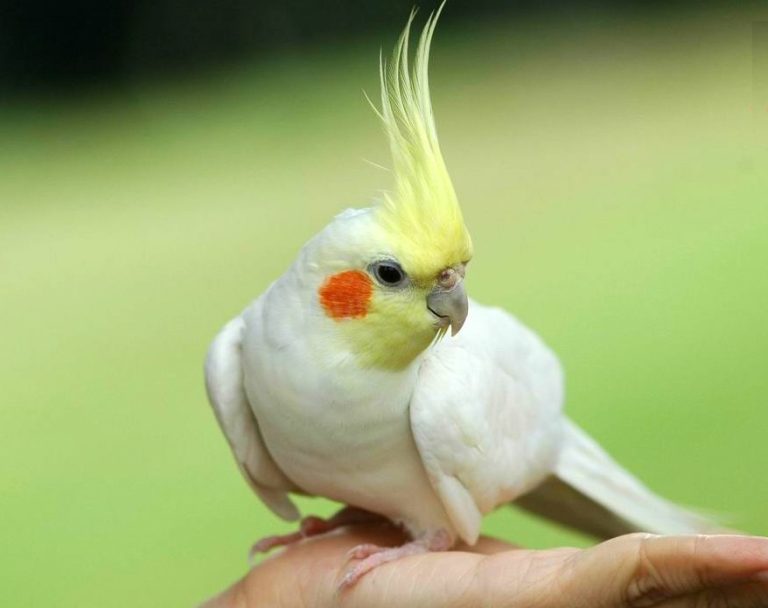
- Cockatiels: Slightly larger, affectionate, excellent whistlers. Lifespan: 15–20 years. Calm temperament but prone to night frights (sudden panic episodes in the dark — address by providing a night light).
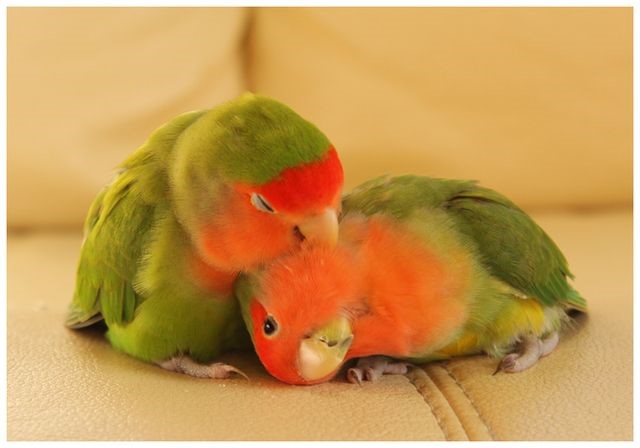
- Lovebirds: Small, active, bond strongly to owners or to each other. Lifespan: 10–15 years. Can be territorial and nippy if not socialized properly; require daily out-of-cage time.
- Conures: Medium-sized, playful, extremely loud. Lifespan: 20–30 years. Not apartment-friendly due to screaming. Form deep bonds and can become neurotic if neglected.
- African Greys: Highly intelligent, best talkers, emotionally sensitive. Lifespan: 40–60 years. Require significant mental stimulation; prone to feather plucking from stress or boredom. Not beginner birds.
- Amazons: Bold, loud, strong-willed. Lifespan: 40–70 years. Can develop behavioral issues (biting, screaming) during hormonal periods (spring breeding season). Require experienced handling.
- Cockatoos: Affectionate to the point of neediness, produce feather dust, extremely loud. Lifespan: 40–70+ years. Prone to severe behavioral problems (self-mutilation, aggression) if social needs aren’t met. Only for owners who can commit hours of daily interaction.
- Macaws: Largest parrots, powerful beaks, loud calls that carry for miles. Lifespan: 50–80 years. Require massive cages and significant space. Intelligent but destructive; not suitable for most homes.
Lifespan is a commitment. A young African Grey or cockatoo purchased at age one could outlive you. Plan for their care in your will if you choose a long-lived species.
Housing: Cage Size and Setup
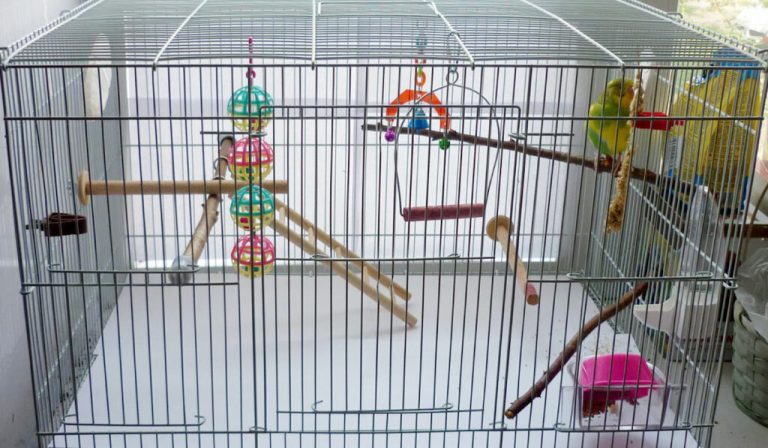
The cage is not just housing — it’s your parrot’s primary environment when you’re not home. Undersized cages cause physical and psychological damage.
Minimum cage dimensions by species:
- Budgies, lovebirds, parrotlets: 18″W × 18″D × 24″H (larger is always better; add horizontal space for flight)
- Cockatiels, small conures: 24″W × 24″D × 30″H
- Medium parrots (Senegal, Caique, Quaker): 30″W × 24″D × 36″H
- African Grey, Amazon, large conures: 36″W × 30″D × 48″H minimum; 48″W × 36″D × 60″H strongly preferred
- Cockatoos, macaws: 48″W × 36″D × 60″H absolute minimum; walk-in aviary strongly recommended
Bar spacing matters: too wide and the bird can get its head stuck; too narrow restricts climbing. Budgies need ½” spacing, cockatiels ¾”, African Greys 1″, macaws 1–1.5″.
Cage essentials:
- Perches of varying diameters and materials: Natural wood branches (apple, willow, manzanita) are ideal. Avoid sandpaper-covered perches — they cause foot abrasions. Include at least three perches at different heights and diameters to prevent foot problems (bumblefoot).
- Food and water dishes: Stainless steel, not plastic (parrots destroy plastic; bacteria accumulates in scratches). Provide separate dishes for pellets, fresh food, and water. Change water daily; wash dishes daily.
- Toys for mental stimulation: Foraging toys (puzzle feeders), chewable wood toys, shredding toys, and safe climbing structures. Rotate toys every 1–2 weeks to maintain novelty. A bored parrot screams, plucks feathers, and develops neurotic behaviors.
- Cuttlebone or mineral block: Provides calcium and helps maintain beak health.
Cage placement: avoid kitchens (nonstick cookware fumes are fatal to birds), avoid direct sunlight (overheating), avoid high-traffic areas that prevent sleep. Parrots need 10–12 hours of uninterrupted sleep per night.
Nutrition: What to Feed Your Parrot
An all-seed diet is nutritionally deficient and leads to obesity, fatty liver disease, and vitamin A deficiency. Seeds should be a supplement, not the foundation.
Balanced parrot diet breakdown:
- 60–70% high-quality pellets: Formulated nutrition (Harrison’s, Roudybush, Tops, Zupreem Natural). Pellets provide balanced vitamins and minerals that seeds lack. Transition gradually from seeds to pellets over 2–4 weeks.
- 20–30% fresh vegetables and greens: Dark leafy greens (kale, dandelion, chard), carrots, bell peppers, broccoli, squash, sweet potato. Feed daily. Avoid avocado (toxic), onion, garlic, rhubarb, and chocolate.
- 5–10% fresh fruit: Apple (no seeds), berries, mango, papaya, pomegranate. Fruit is high in sugar — limit quantity. Remove uneaten fresh food after 2 hours to prevent bacterial growth.
- 5–10% seeds and nuts (treats, not staples): Sunflower seeds, safflower, almonds, walnuts. Use for training rewards or foraging enrichment, not free-feeding.
Toxic foods to avoid: avocado, chocolate, caffeine, alcohol, salt, high-fat/high-sugar human foods, fruit pits (cyanide), onions, garlic, raw beans.
Parrots have fast metabolisms — food moves through the digestive system in 2–4 hours. Feed twice daily (morning and evening) and provide constant access to pellets. Monitor body condition: a healthy parrot has visible muscle on either side of the keel bone (sternum) but the keel should not protrude sharply.
Social Interaction and Out-of-Cage Time
Parrots are flock animals. In the wild, they spend all day with their flock — foraging, preening, playing, and vocalizing. A parrot kept caged 24/7 with no interaction is psychologically damaged.
Minimum daily interaction requirements:
- Small parrots (budgies, lovebirds, cockatiels): 2–3 hours of out-of-cage time + social interaction
- Medium parrots (conures, Quakers, Senegals): 3–4 hours
- Large parrots (Greys, Amazons, cockatoos, macaws): 4–6 hours
Out-of-cage time must be supervised and bird-proofed: ceiling fans off, windows/doors closed, no access to toxic houseplants (pothos, philodendron, dieffenbachia), electrical cords covered, and no nonstick cookware in use.
Parrots also need training for mental stimulation and behavioral management. Teach step-up, stay, recall, and target training using positive reinforcement (treats, praise). Training sessions of 5–10 minutes, 2–3 times per day, prevent boredom and build trust.
Grooming and Health Maintenance
Nail trimming: Every 4–8 weeks, depending on perch type. Overgrown nails curl and cause foot deformities. Use a pet nail trimmer or Dremel; avoid cutting the quick (blood vessel inside the nail). Have styptic powder on hand in case of bleeding.
Beak maintenance: Healthy parrots self-maintain beaks through chewing and grinding. Provide cuttlebone, mineral blocks, and chewable wood toys. Overgrown beaks indicate poor diet or liver disease — see an avian vet.
Bathing: Parrots need regular baths to maintain feather health. Options: shallow dish in the cage, misting with a spray bottle, or supervised shower perch. Frequency: 2–3 times per week. Never use soap or shampoo.
Feather health: Molting (shedding and replacing feathers) is normal and occurs 1–2 times per year. Feather plucking is not normal — it signals stress, boredom, illness, or poor diet. If a parrot plucks feathers, see an avian vet immediately to rule out medical causes, then address environmental stressors.
Veterinary Care
Parrots hide illness instinctively (sick birds in the wild get picked off by predators). By the time symptoms are visible, the bird is often critically ill.
Annual wellness exams with an avian vet (not a general vet) are essential. Avian vets perform species-specific exams, including weight checks, feather/skin evaluation, beak/nail assessment, and fecal testing for parasites.
Emergency warning signs (go to the vet immediately):
- Fluffed feathers, sitting on the bottom of the cage, lethargy
- Labored breathing, tail bobbing with each breath
- Change in droppings (color, consistency, volume) lasting more than 24 hours
- Vomiting or regurgitation not directed at a person/object (regurgitation to a mate is normal; vomiting is not)
- Loss of balance, seizures, or inability to perch
- Sudden behavior change (aggression, withdrawal, loss of appetite)
Common parrot health issues: psittacosis (bacterial infection transmissible to humans), aspergillosis (fungal respiratory infection from moldy food/environment), fatty liver disease (from high-fat diet), feather destructive behavior, and vitamin A deficiency (from seed-only diets).
Common Mistakes New Parrot Owners Make
- Buying on impulse without research: Parrots are not starter pets. A macaw purchased because it’s beautiful becomes a 60-year behavioral nightmare if the owner can’t meet its needs.
- All-seed diet: Seeds are high in fat, low in nutrients. Long-term seed diets cause obesity and organ failure.
- Undersized cage: A parrot that can’t stretch its wings or move freely develops muscle atrophy and psychological issues.
- Lack of interaction: Parrots left alone 10+ hours daily develop screaming, aggression, and self-harm behaviors.
- No training: An untrained parrot bites, won’t step up, and becomes unmanageable. Training is not optional.
- Using a general vet instead of an avian specialist: Bird physiology is completely different from cats and dogs. General vets miss avian-specific diseases.
FAQ: Parrot Care Basics
Can I keep just one parrot, or do they need a companion?
Depends on species and your availability. Budgies and lovebirds are highly social and benefit from same-species companionship if you can’t provide 4+ hours of daily interaction. Larger parrots (Greys, Amazons) often bond to one person and can become aggressive toward other birds. If you work full-time and can’t provide extensive interaction, consider two budgies or cockatiels instead of one large parrot.
How do I stop my parrot from screaming?
Screaming is normal flock communication — parrots vocalize at dawn and dusk. Excessive screaming is usually attention-seeking or boredom. Solutions: increase out-of-cage time, provide foraging toys, ignore attention-seeking screams (do not yell back or go to the cage), and reward quiet behavior. Never punish screaming — it reinforces the behavior.
Can parrots be potty trained?
Yes, to a degree. Parrots naturally avoid soiling their sleeping area and will hold droppings when removed from the cage. Teach a cue (“go potty”) when the bird is about to eliminate, then reward. Most parrots eliminate every 15–30 minutes.
What’s the best age to get a parrot?
Newly weaned babies (3–6 months depending on species) bond most easily but require hand-feeding experience or a reputable breeder. Adult rescues are often already trained and socialized but may have behavioral baggage from previous homes. Both can make excellent pets if matched to the right owner.
Do parrots need sunlight?
Yes. Natural sunlight (through an open window, not glass — glass filters UVB) or full-spectrum UVB lighting helps parrots synthesize vitamin D3, essential for calcium absorption and bone health. Provide 30–60 minutes of direct sunlight or UVB exposure daily.