The words “aggressive dog” get thrown around carelessly. A dog that barked at someone is called aggressive. A dog that growled when cornered is called dangerous. The reality is that aggression in dogs is almost always circumstantial — a response to fear, pain, poor training, or outright abuse — not a breed default setting. For those interested in rare breeds, here’s a list of the 17 most expensive dog breeds in the world.
That said, some breeds were selectively developed over centuries for combat, guarding, or big-game hunting. They carry higher physical power, stronger prey drive, and instincts that require knowledgeable, consistent handling. If you’re seriously considering one of these dogs, go in with open eyes.
Here are 10 breeds most commonly associated with aggression — and what’s actually driving it.

Worth knowing: “fighting breed” isn’t an official classification. Any dog can be trained for aggression. These breeds appear here because of physical capability, historical use, and the level of experience they demand from owners — not because violence is hardwired into them.
American Staffordshire Terrier
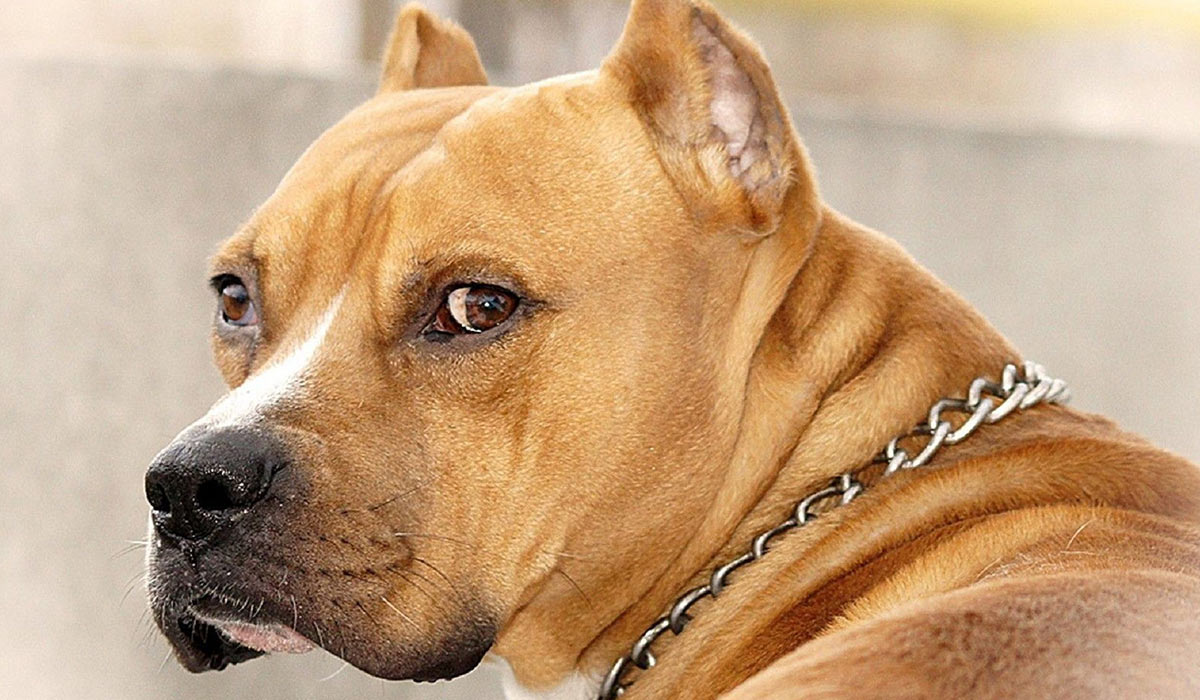
The AmStaff has been carrying a bad reputation for decades — most of it undeserved, some of it earned. A well-raised Amstaff is a loyal, affectionate, medium-sized dog that adapts surprisingly well to apartment life. A poorly raised one is a different story entirely.
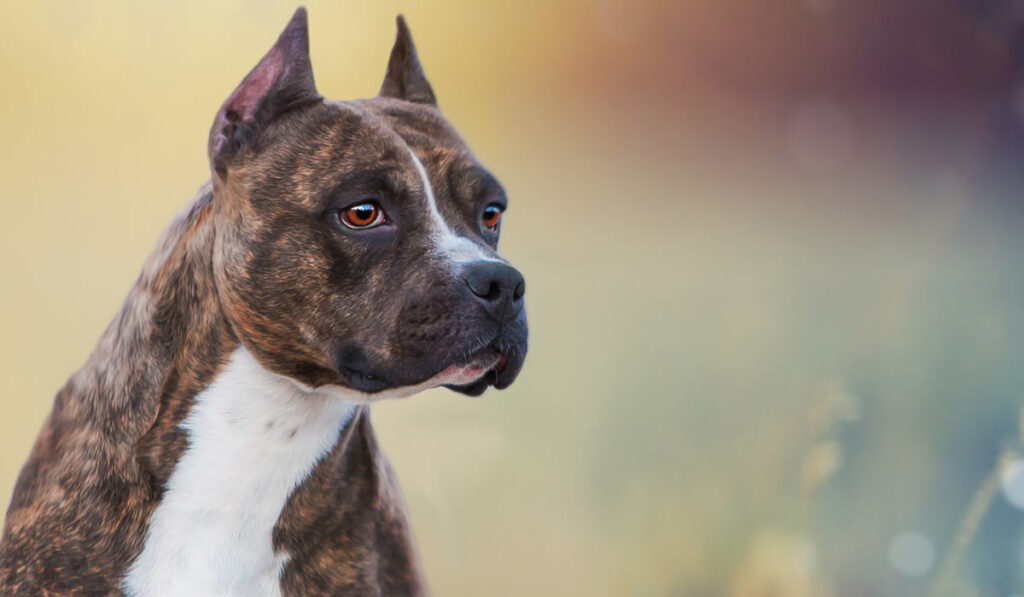
What catches first-time owners off guard: AmStaffs don’t broadcast aggression. They don’t escalate with growling or barking. When they engage, they do it fast and quietly. This makes early socialization — especially around other dogs — non-negotiable.
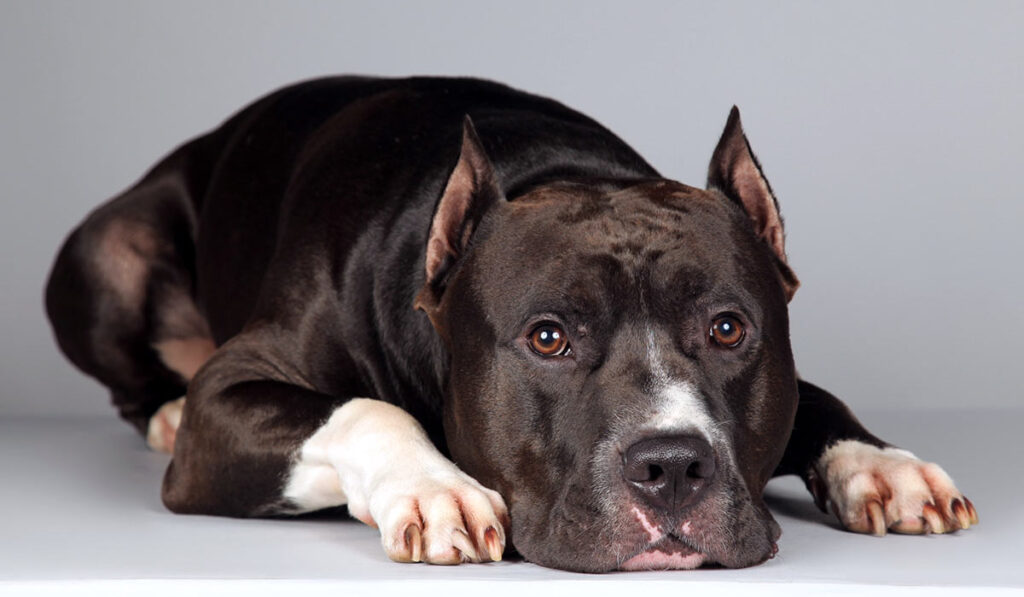
Training requires calm authority. Rough handling or provocation will backfire. Start obedience work early, socialize broadly, and maintain consistent rules — this breed reads inconsistency as an invitation to make its own decisions.
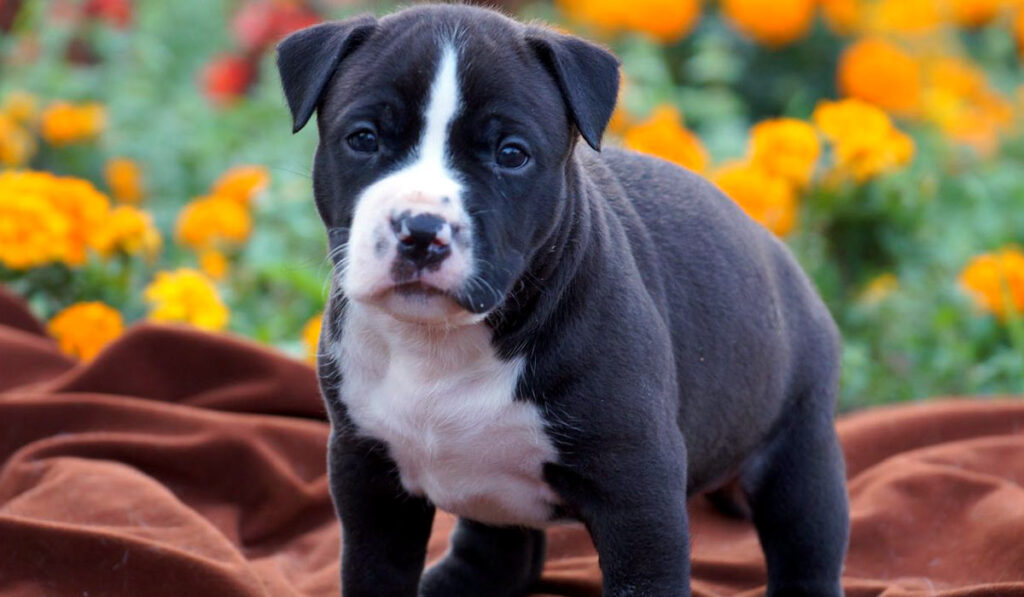
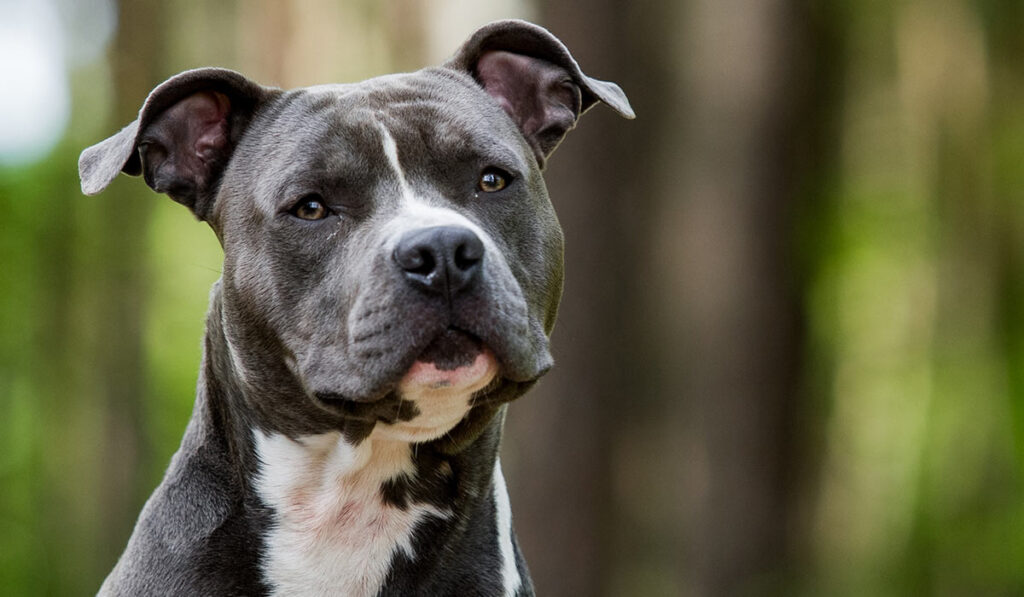
American Bully
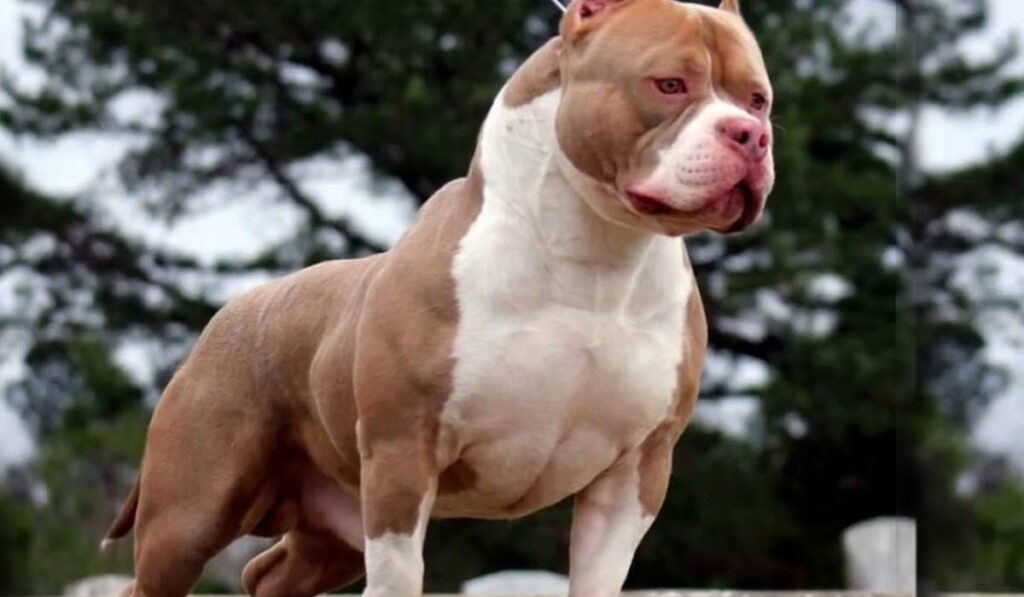
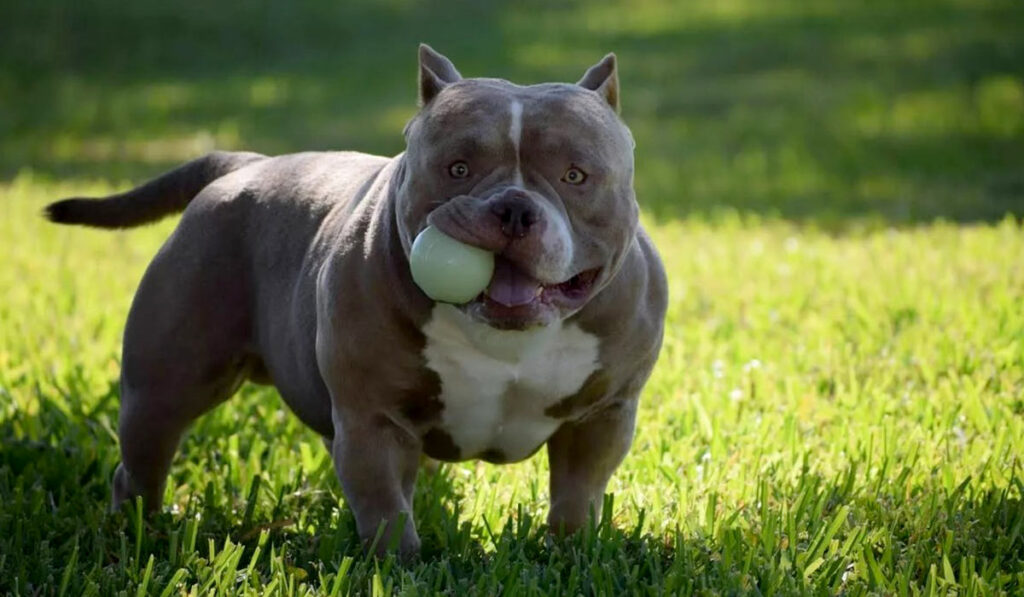
The American Bully is built like a tank — wide chest, low stance, a face that radiates permanent skepticism. And yet this is one of the more overtly affectionate breeds on this list. A well-raised Bully will follow you from room to room and demand physical closeness in a way that feels comical given the dog’s size.
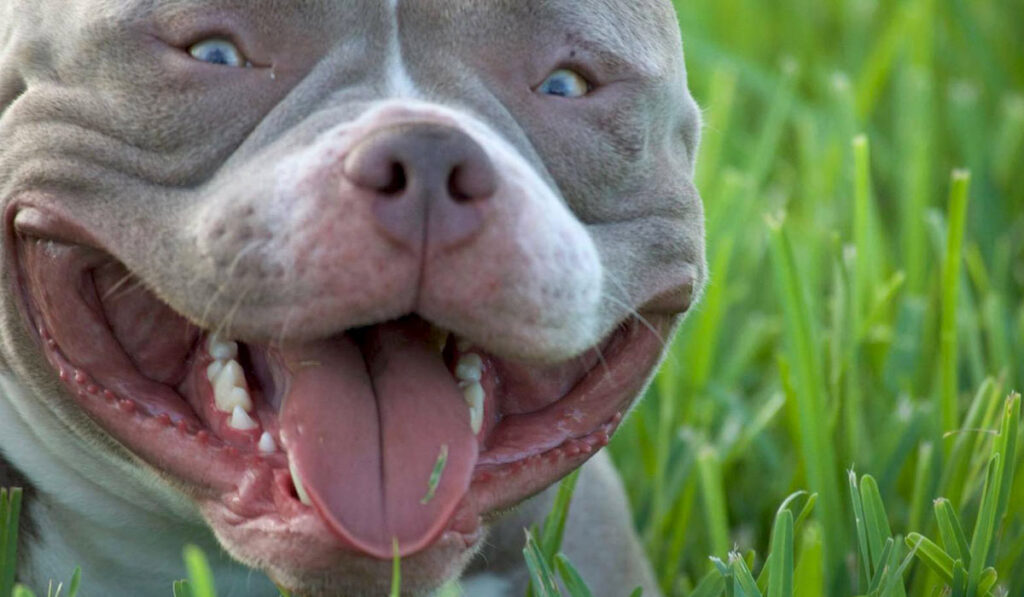
The devotion cuts both ways. American Bullies are deeply attached to their primary person, which means extended periods alone can destabilize their temperament. They also test dominance during adolescence — sometimes aggressively. Establish your role early and don’t negotiate it away.
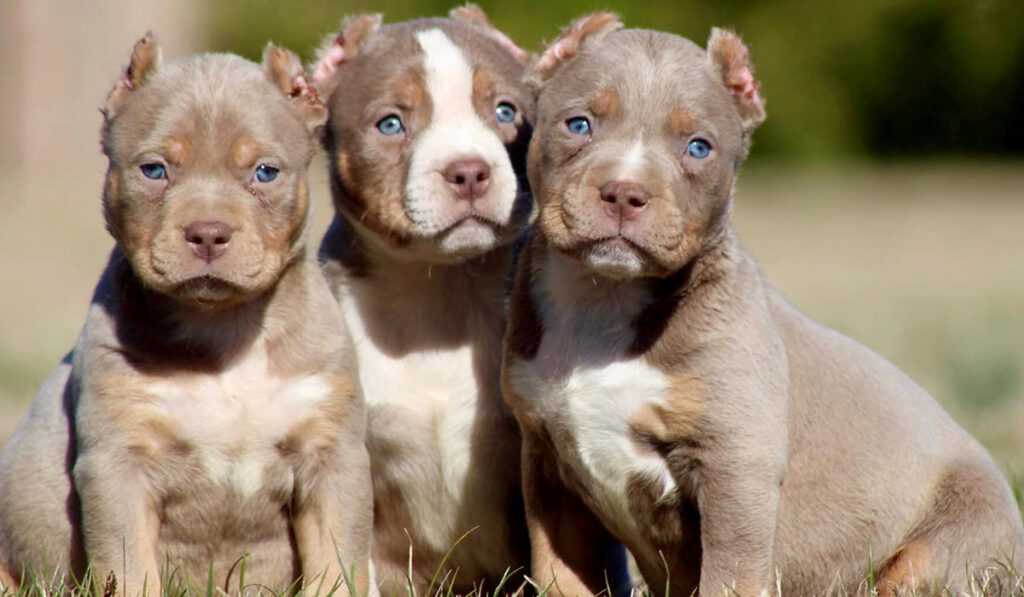
Multi-pet households need careful thought. Bullies can coexist with other animals, but introductions must be managed and the dynamics monitored long-term. This isn’t a breed you set and forget.
Argentine Dogo (Dogo Argentino)
Developed in Argentina in the 1920s by Dr. Antonio Nores Martinez, the Dogo was purpose-built for hunting puma and wild boar in the Pampas. That required a dog with extraordinary endurance, pain tolerance, and pack cooperation. The modern Dogo carries all of that — plus a surprisingly sociable side.
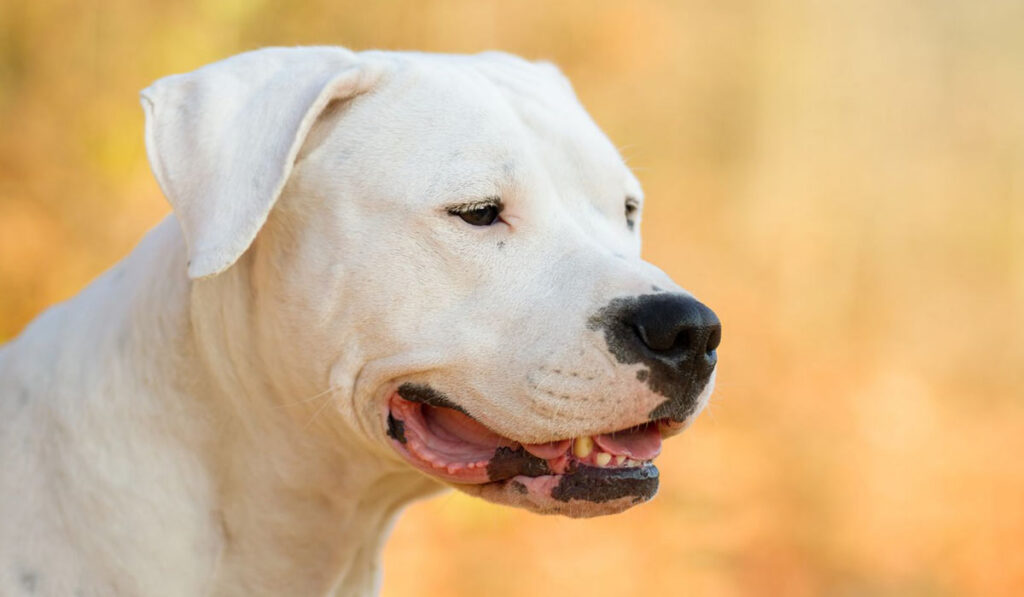
With their family, Dogos are affectionate to the point of being clingy. This is a 40–45 kg dog that genuinely believes it belongs on your lap. The warmth is real. So is the independent streak — Dogos prefer to run their own show, which means you need to make a compelling case for why you’re in charge.
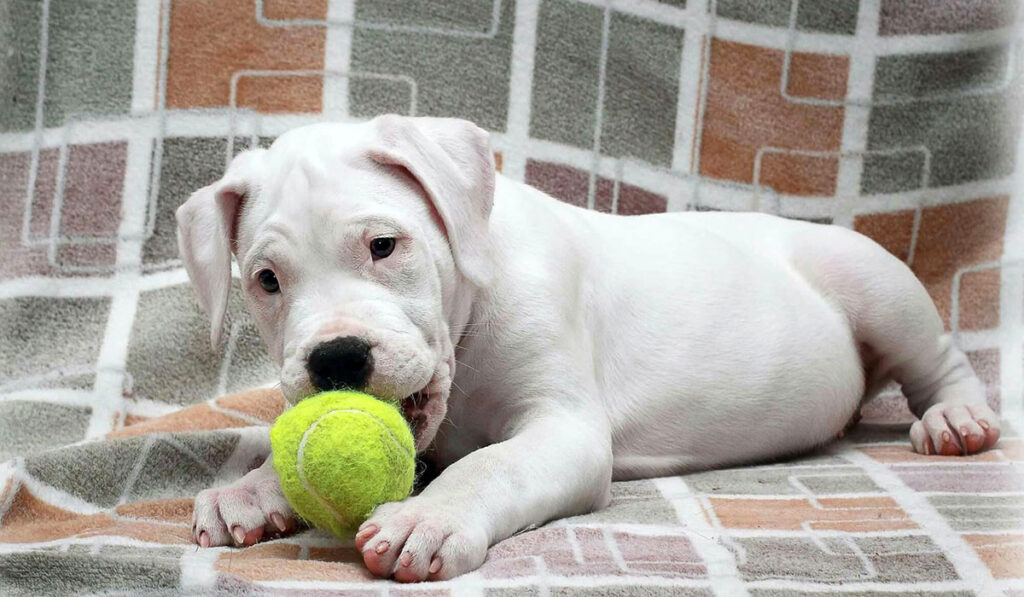
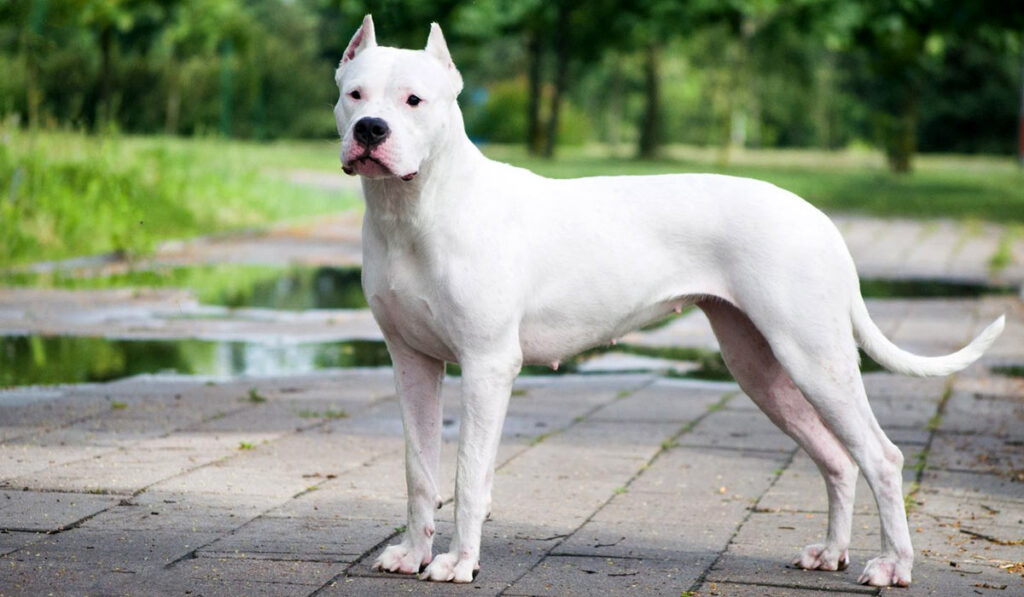
Daily exercise is substantial — we’re talking an hour or more of real activity, not a stroll around the block. Without it, that hunting drive finds less productive outlets.
Their protective instincts and owner loyalty make Dogos natural personal guardians. Many owners say it feels less like having a dog and more like having a bodyguard who happens to love belly rubs.
Bull Terrier
There’s no other dog that looks quite like a Bull Terrier — that distinctive egg-shaped head is a breed signature. The personality is just as distinctive: stubborn, playful, energetic, and genuinely odd in the most endearing way. The breed was developed in 19th-century England, originally for the fighting pit, before fanciers began selecting for companion qualities.
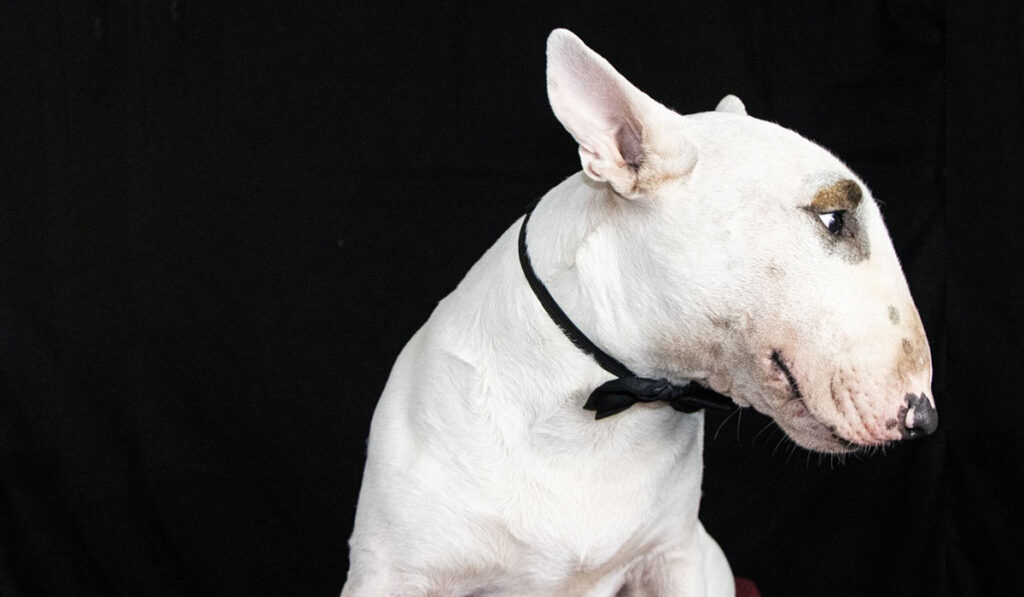
The pit-fighting heritage left one notable trait: Bull Terriers have an unusually high pain tolerance. Combined with high reactivity toward other animals, this makes any conflict hard to interrupt once started. Proper socialization from puppyhood isn’t optional — it’s the difference between a fun, manageable companion and a serious liability.

Exercise requirements are significant. This breed has energy reserves that seem almost absurd for its size. Skip daily vigorous activity and you’ll discover exactly how creative a bored Bull Terrier can get with your furniture.
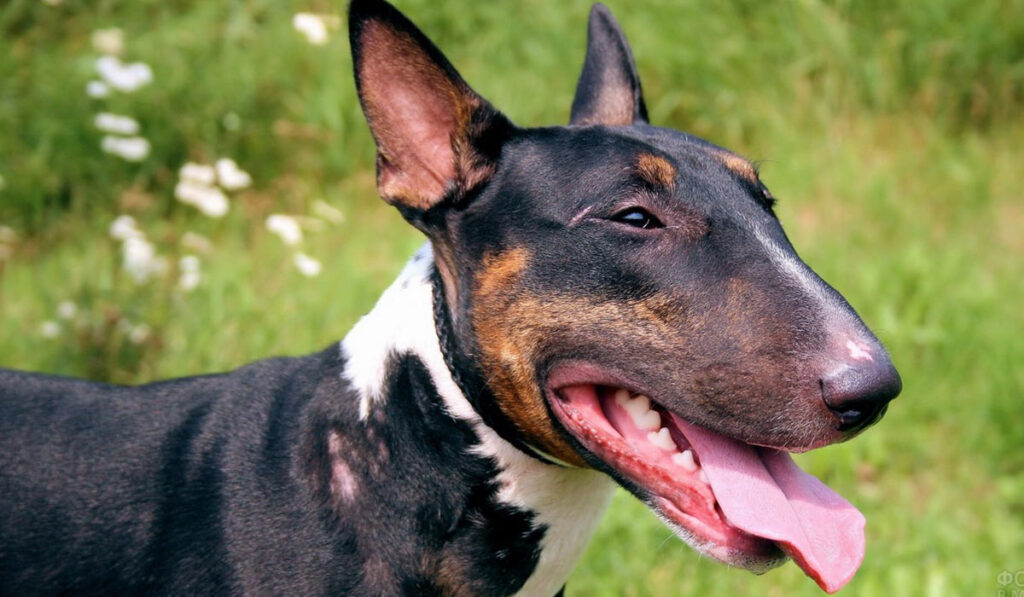
Apartment life is technically possible — if you commit to serious daily exercise. Homes with multiple pets need constant supervision, especially around smaller animals.
Boerboel (South African Mastiff)
The Boerboel is one of the heaviest hitters on this list — males can reach 90 kg. Developed by Dutch Boer settlers in South Africa to protect homesteads from predators including hyenas and lions, these dogs were built for serious work against serious threats.
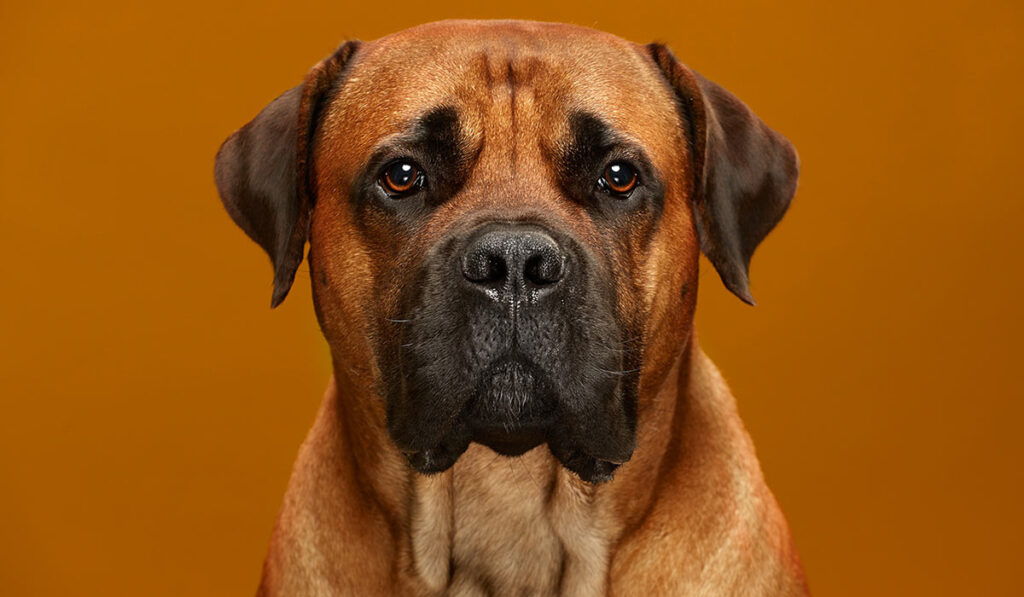
With family, a well-socialized Boerboel is calm and watchful rather than overtly aggressive. Strangers get assessed — not attacked — unless the dog perceives a real threat. The challenge is that the threshold for “real threat” can shift depending on how this dog has been raised and what it’s been taught.
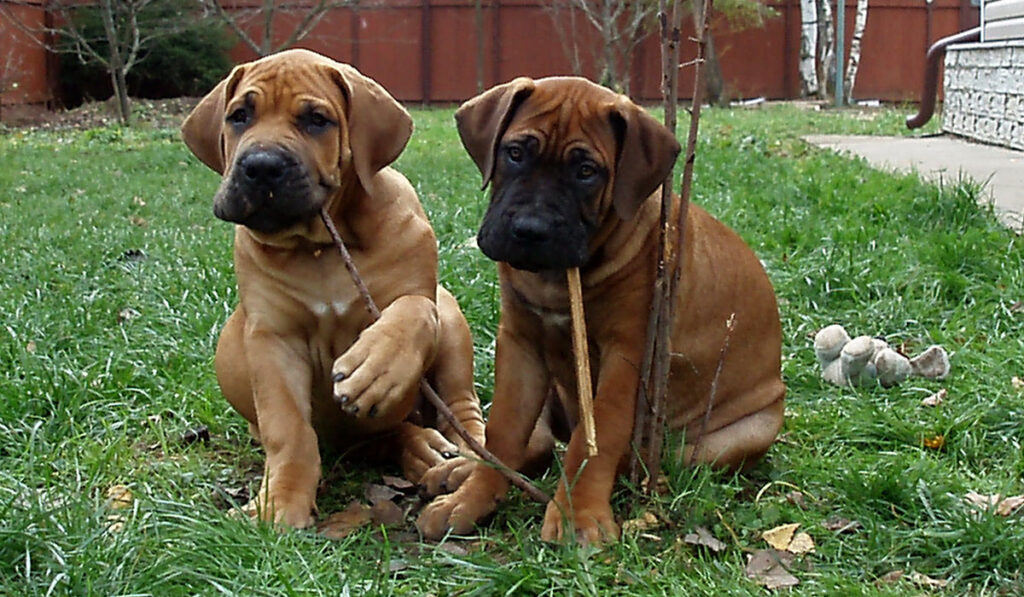
Boerboels mature slowly — expect adolescent dominance testing to continue until age 2 or beyond. Address challenges directly and consistently. This isn’t about dominance theory or force; it’s about holding clear expectations and not backing down when the dog pushes back.
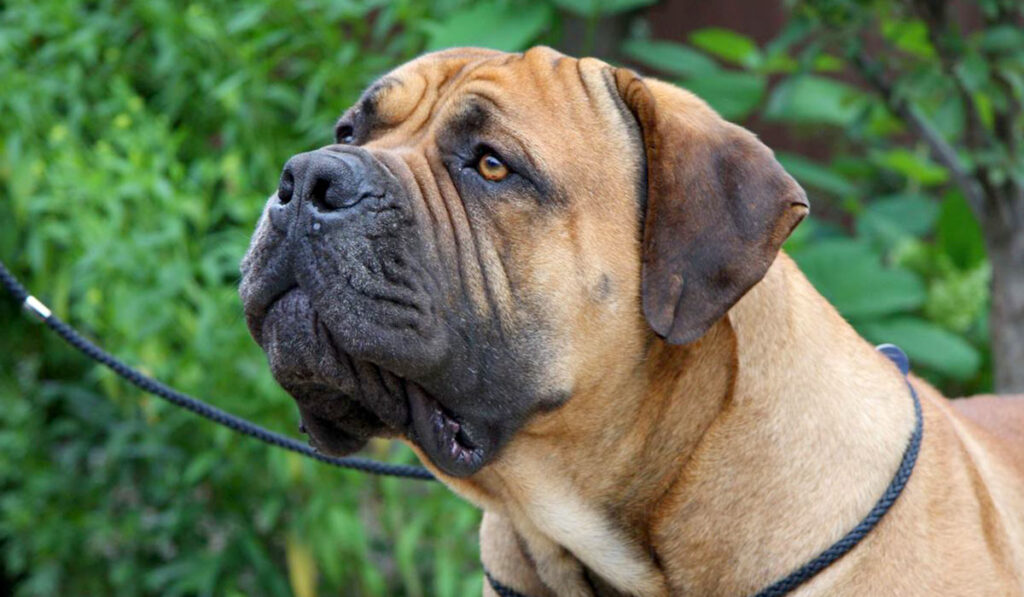
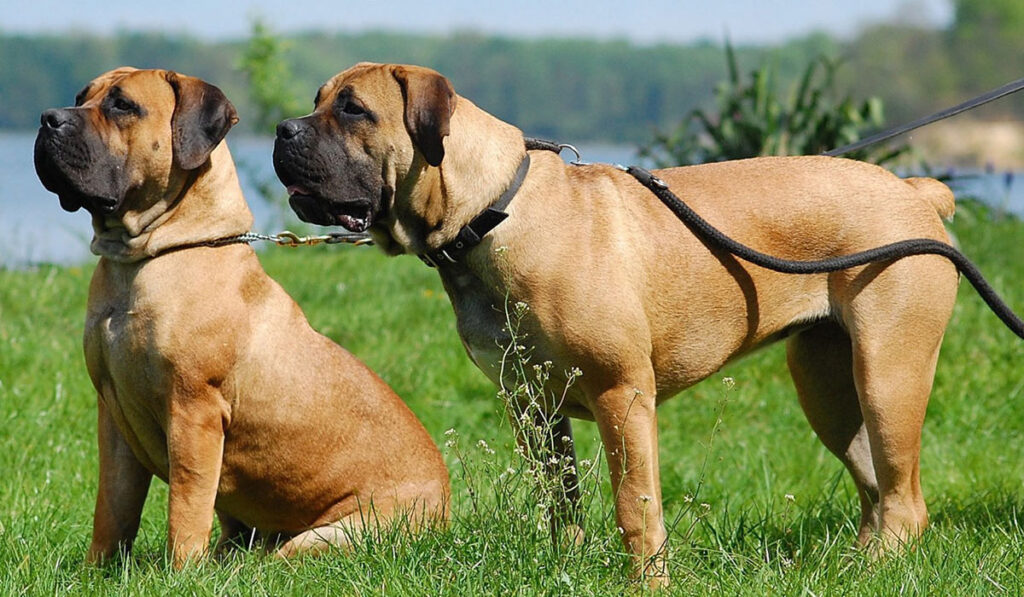
Daily exercise is non-negotiable. A tired Boerboel is a manageable Boerboel. An under-exercised one finds other ways to spend that energy.
Canary Dog (Presa Canario)
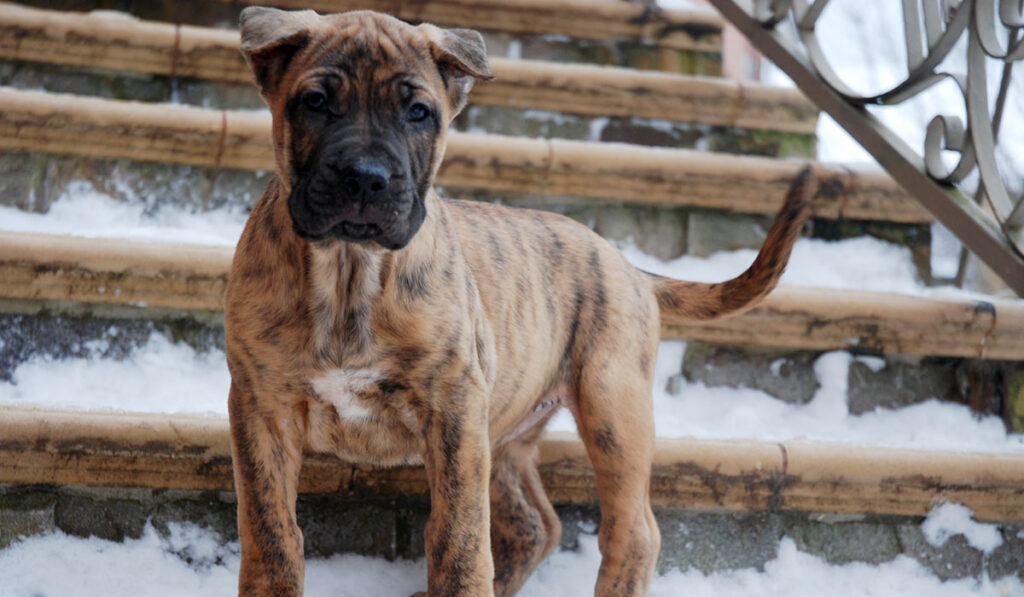
The Presa Canario was developed in the Canary Islands from local farm dogs crossed with Molossian breeds — a mix selected for herding cattle and guarding livestock. It’s a controlled, purposeful dog that doesn’t look for conflict. But when conflict finds it, the response is substantial. Several countries have banned it outright.
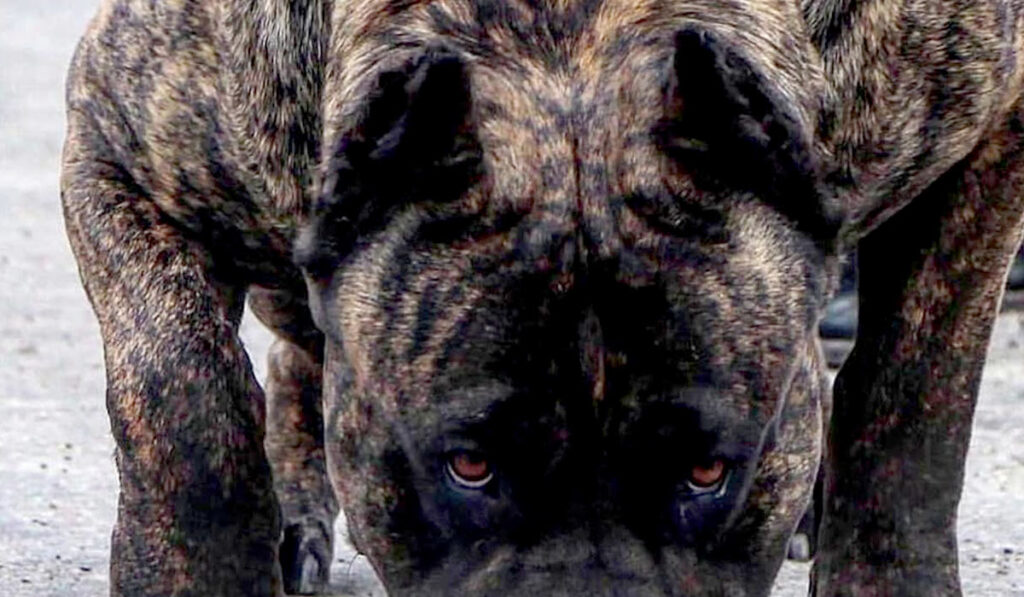
A properly raised Presa is steady and self-assured. It doesn’t bark unnecessarily or display obvious anxiety. The instincts are there, but held in reserve — which is exactly what makes mismanagement so dangerous. Almost every serious incident involving this breed traces back to poor training or absent socialization.
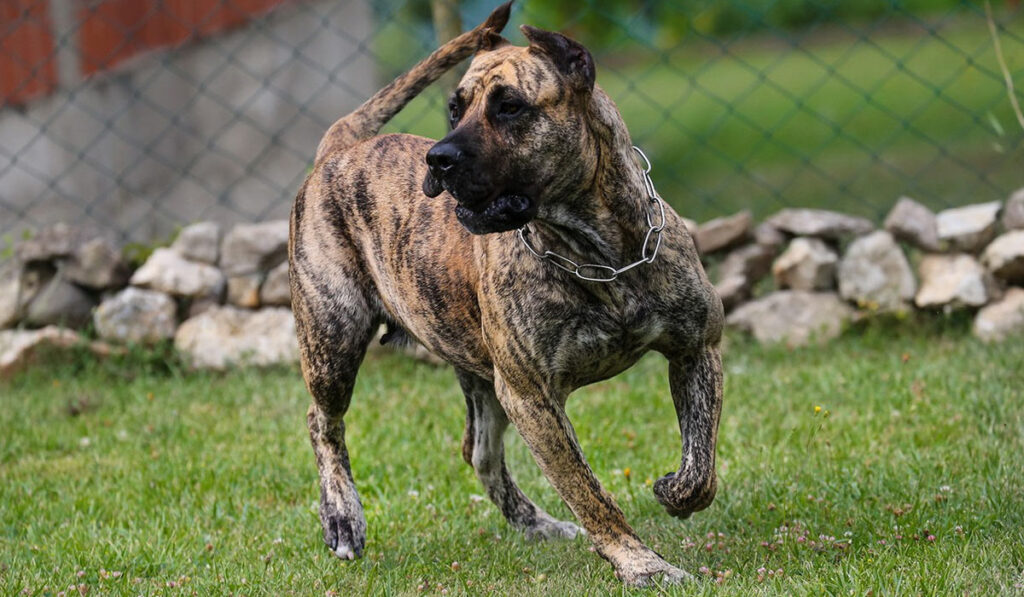
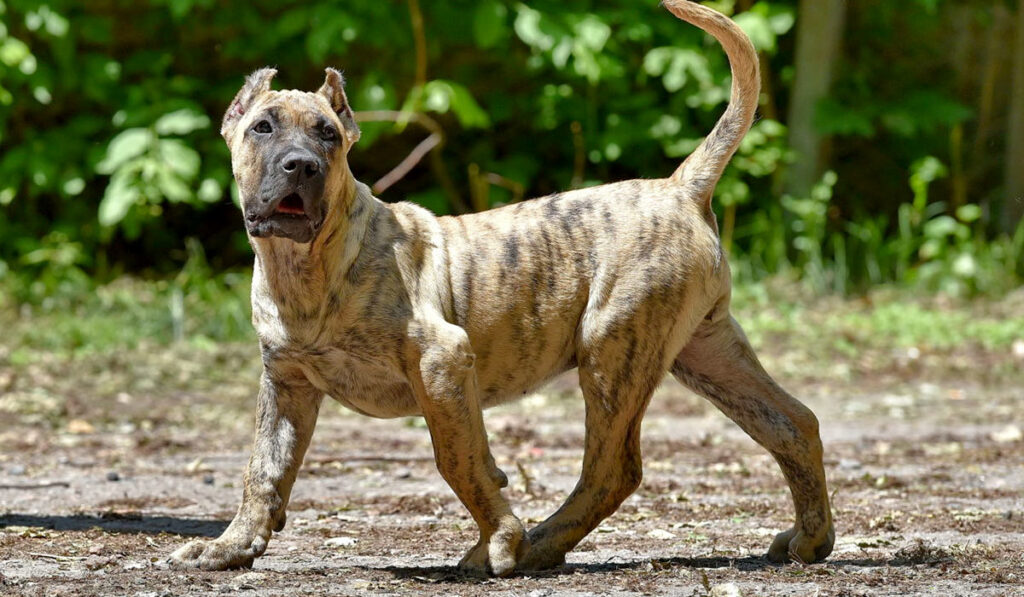
The Presa is trainable and intelligent, but requires professional obedience work and a clear household leader. If no one establishes that role, the Presa will — and you’ll spend years trying to walk back a bad dynamic.
Cane Corso
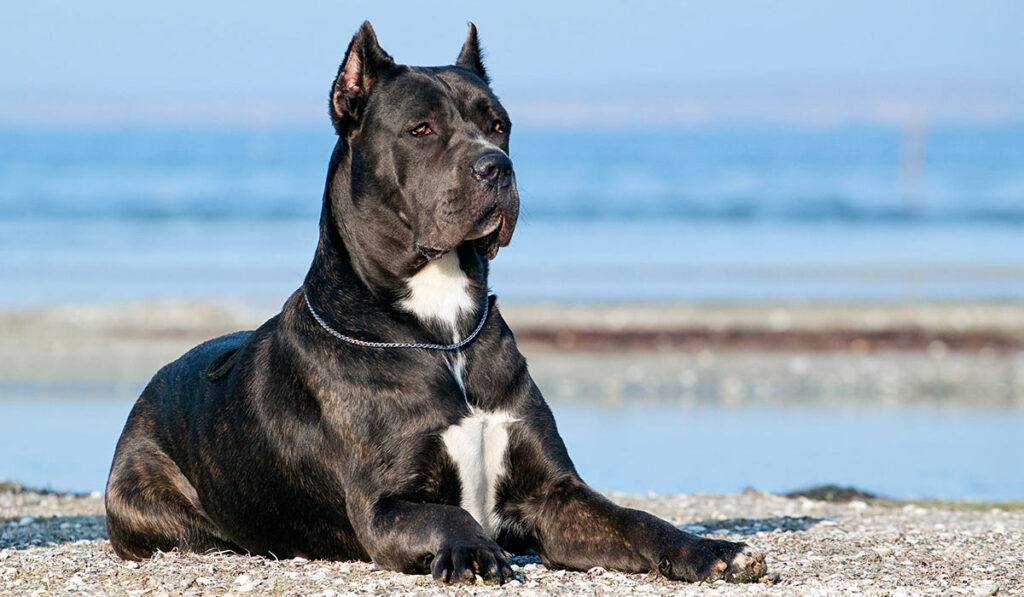
The Cane Corso descends from ancient Roman war dogs — the Canis Pugnax that accompanied legions into battle. Today’s Corso has been softened through centuries of selective breeding, but the underlying architecture is still there: the jaw strength, the protective instinct, the physical mass (males average 45–50 kg).
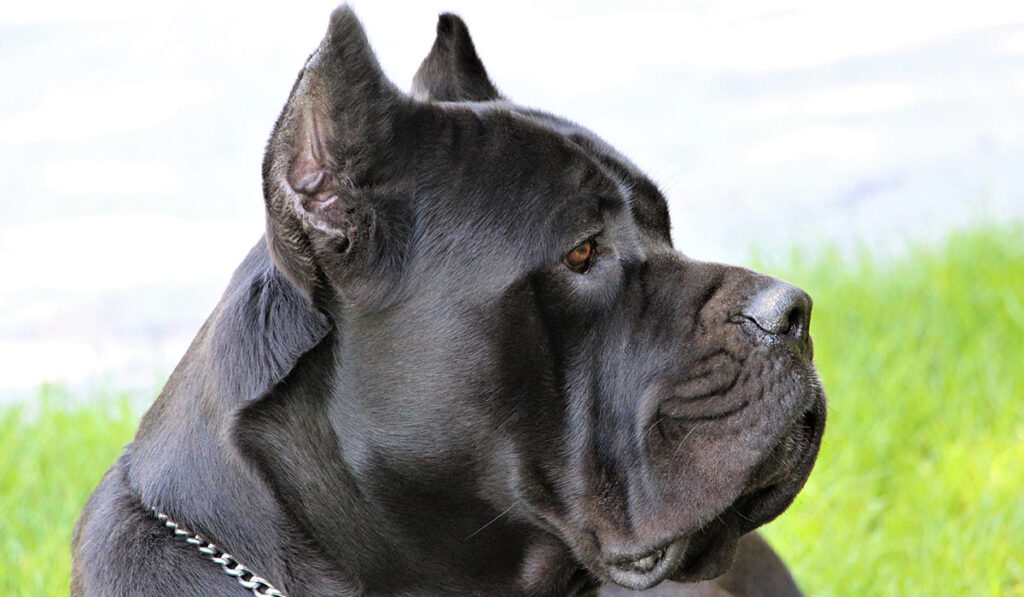
At home, Corsos are remarkably adaptable. The same dog that would stop an intruder in their tracks will allow the family cat to walk over its food bowl unchallenged. Open aggression surfaces only when the dog identifies a genuine threat — or is commanded to act.
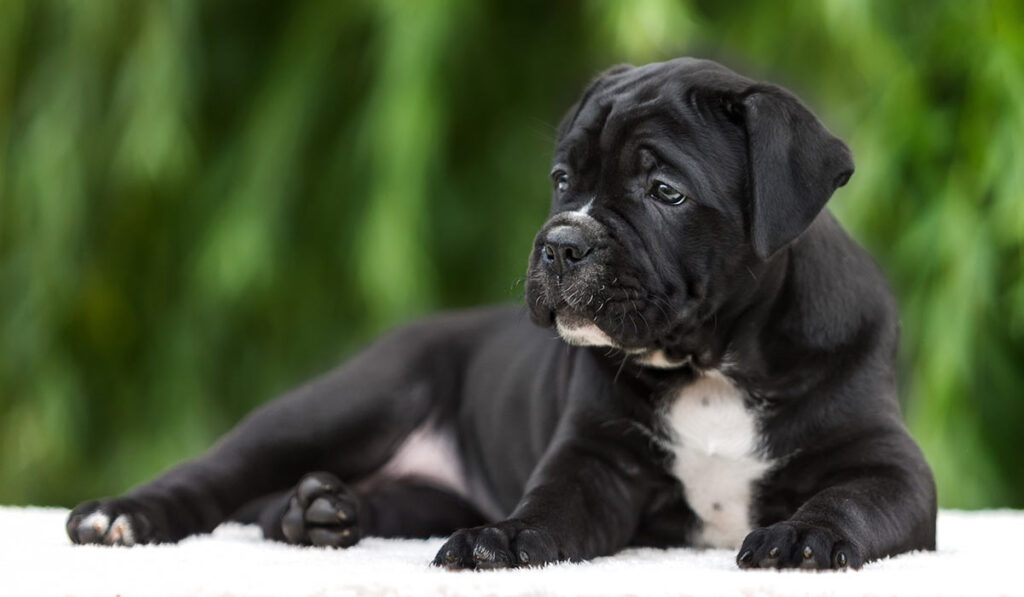
Corsos are notably patient with children — a trait likely rooted in centuries of livestock guarding, where calm watchfulness was more useful than reactivity. That said, they mature slowly. Start socialization and obedience before 4 months and maintain them consistently through adulthood.
American Pit Bull Terrier
Few breeds generate more heat — in legislation, in news, in casual conversation — than the American Pit Bull Terrier. It’s banned outright in several countries and restricted in dozens more. The debate around breed-specific legislation is ongoing, and the reality, as usual, lives somewhere between the two loudest positions.
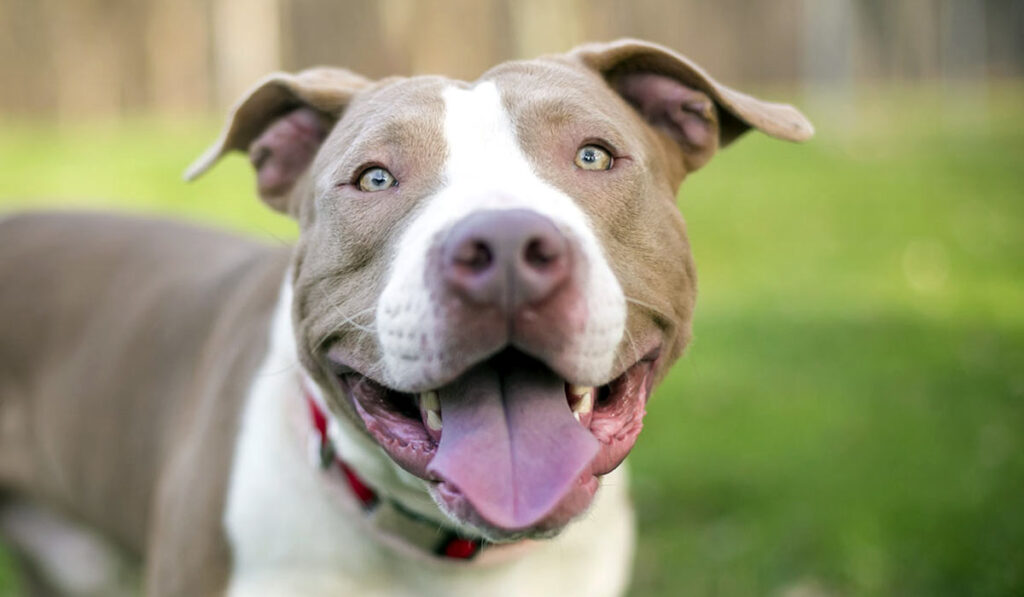
Historically bred for bull-baiting and dog fighting, Pit Bulls carry high prey drive, physical toughness, and strong reactivity toward other dogs. Off-leash encounters with strange dogs are not situations to let happen casually. A muzzle in crowded public spaces is smart management, not a statement about the dog’s character.
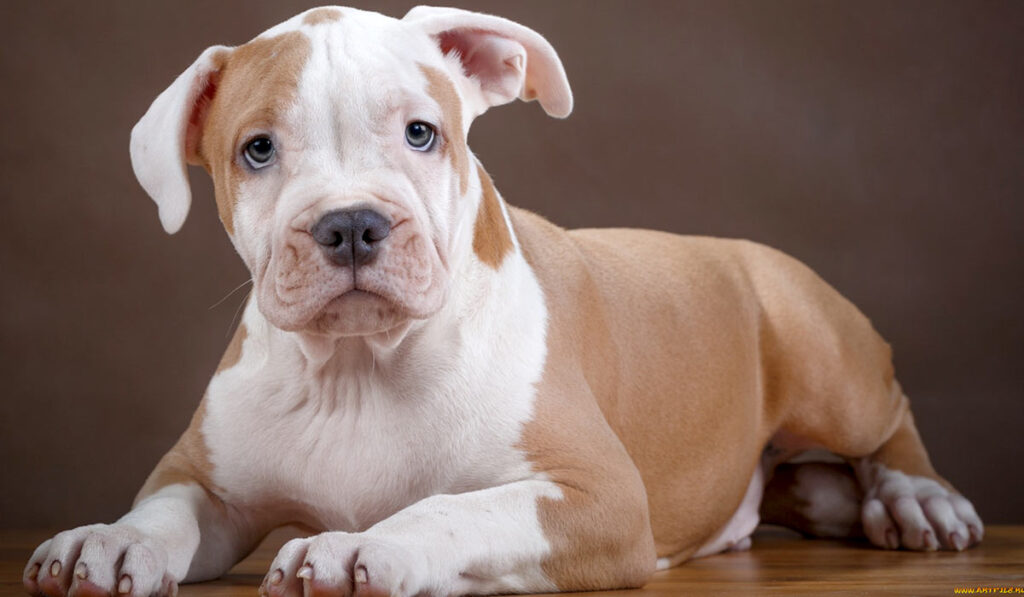
With people they know and trust? Pit Bulls are famously affectionate — loyal, playful, eager to please, occasionally ridiculous. Training should start in puppyhood with a calm, consistent approach. Dominance-based methods produce reactive, unpredictable dogs. Clear rules, enforced the same way by every family member, produce reliable ones.
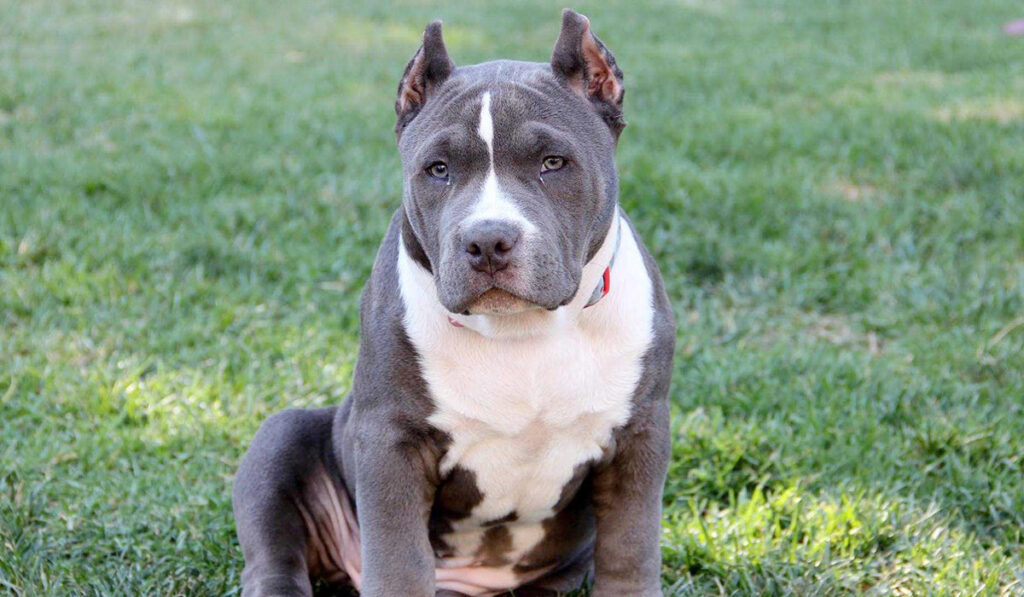
If your dog starts testing commands or ignoring corrections, bring in a professional before the pattern solidifies. Small problems are easier to fix than established ones.
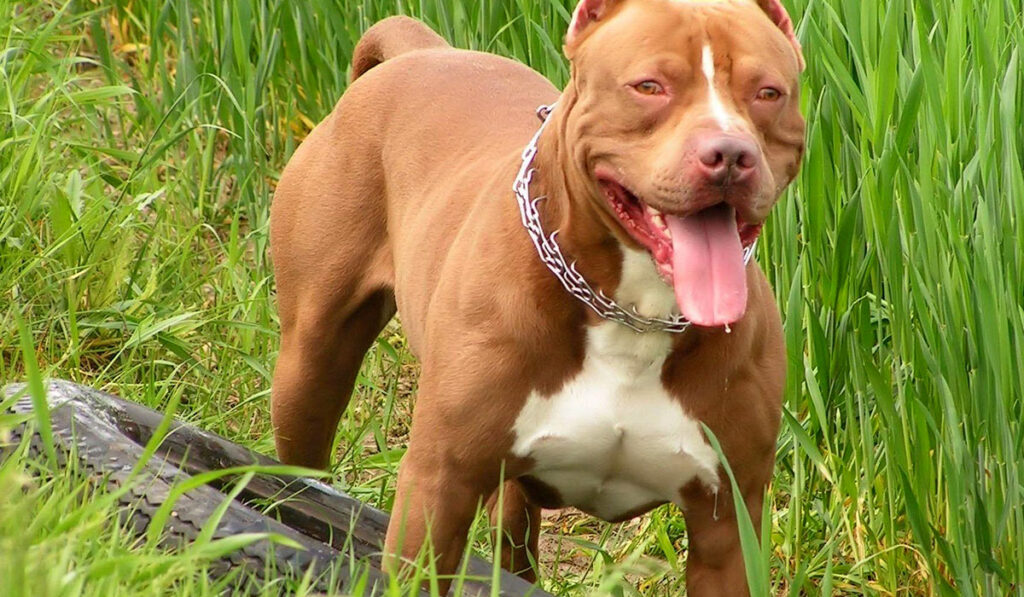
Staffordshire Bull Terrier
The Staffie is the compact British cousin of the AmStaff — developed in the English Midlands by crossing Bulldogs with terriers. Where the AmStaff is composed, the Staffie is exuberant. This is a dog that wants to be involved in everything you do, preferably from a position of physical contact.
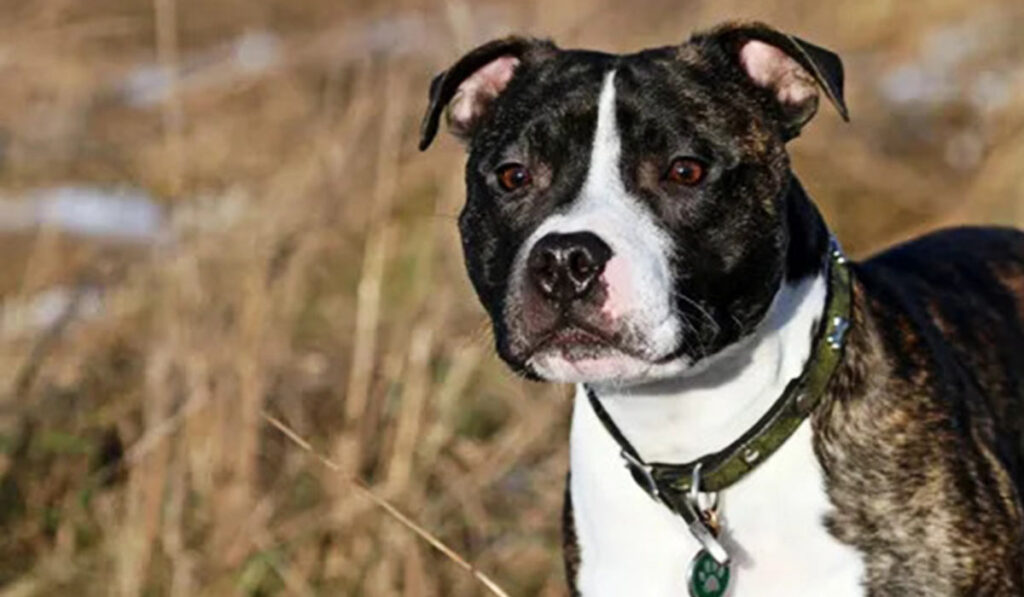
The terrier blood brings a natural drive to scrap — particularly with other dogs. Raise a Staffie from puppyhood alongside other pets and coexistence is usually achievable. Introduce a Staffie to an established multi-pet household later in life and you’re managing ongoing tension indefinitely.
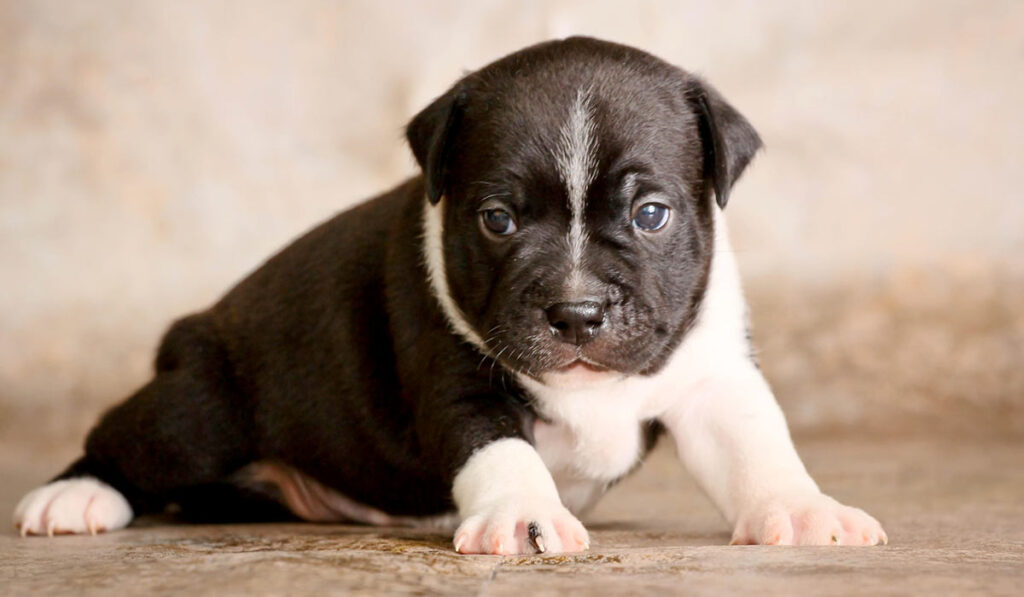
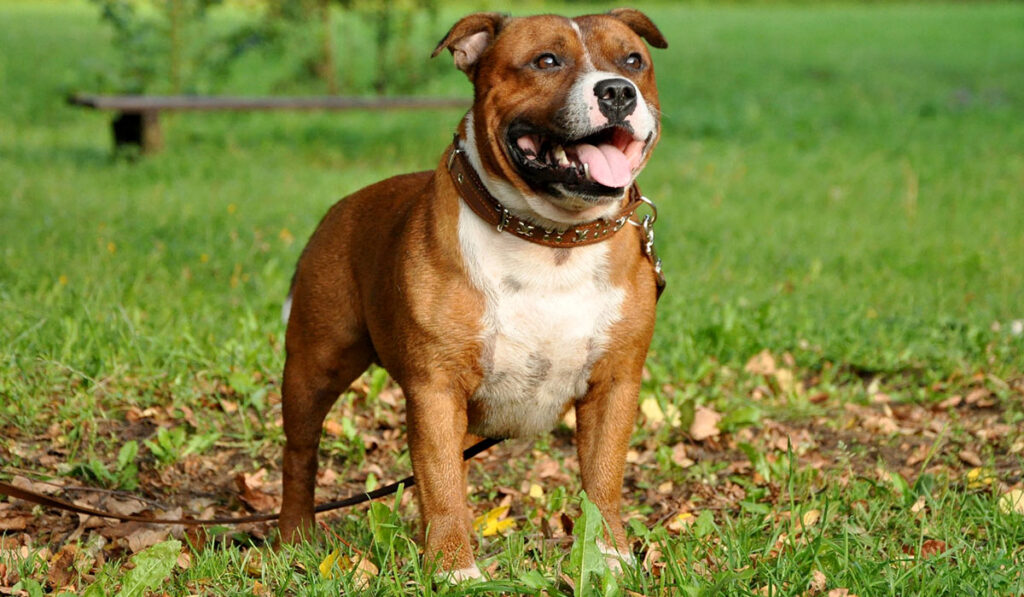
Staffies are sharp enough to notice every gap in your consistency. Commands need to be followed fully, not partially — and applied the same way by everyone in the household. They respond well to reward-based training and need significant daily exercise to stay settled.
Tosa Inu
The Tosa Inu is the outlier here: a large Japanese mastiff bred specifically for ceremonial fighting, developed by crossing local Japanese dogs with Mastiffs, Great Danes, and St. Bernards imported during the Meiji period. The result is a dog of considerable size and extraordinary composure — males can weigh up to 90 kg.

The Tosa doesn’t demand attention. It doesn’t fill rooms with energy. Its relationship with its owner is deep and quiet — loyal in a way that registers as gravitas rather than affection. Where other breeds show you they care, the Tosa simply positions itself between you and the door.
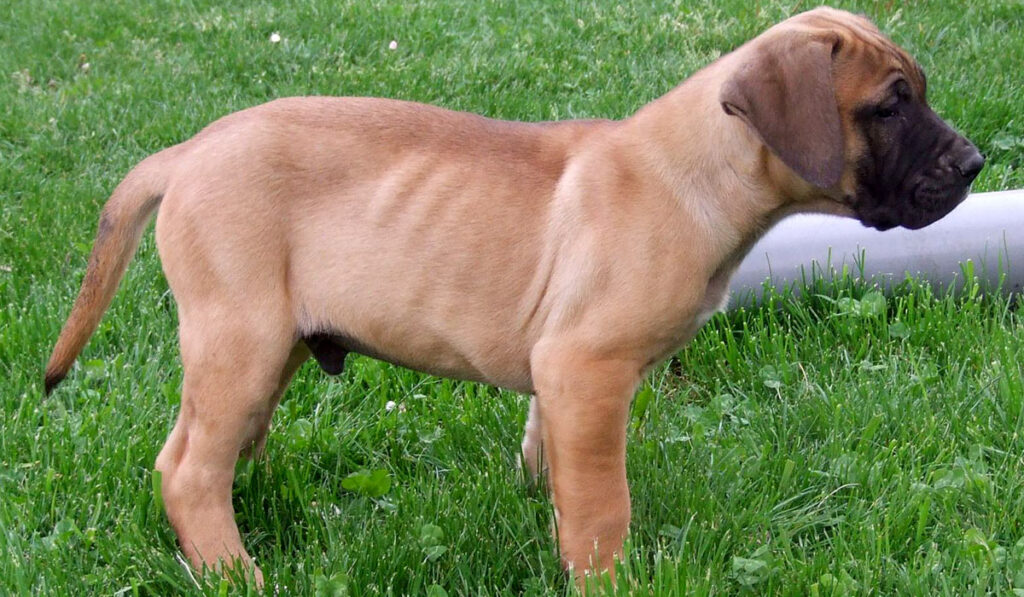
The Tosa will not bark a warning. When it perceives a territorial threat, it acts — calmly and with finality. This is a breed for experienced handlers who understand large working dogs deeply. It’s banned in the UK, Australia, Denmark, and several other countries. That restriction exists for good reason.
https://www.youtube.com/watch?v=SIxQIY_NJS8
Every breed above is routinely mischaracterized. Their physical power is real, their instincts are strong, and their histories involve contexts most domestic pets never face. But dogs raised with structure, consistent socialization, and genuine care almost never become threats. When they do, the failure is almost always on the human side of the leash.