Fleas are fast, persistent, and frustrating — but they’re manageable. If your dog is scratching like crazy or you’re seeing tiny dark specks in their fur (or on your white couch), this is your action plan.
Every dog owner should be familiar with the most common dog diseases and their symptoms.

Step One: Give Your Dog a Bath First
Before you reach for any treatments, start with a bath. Regular laundry soap or tar soap works — lather up generously and leave it on for 10–15 minutes. This suffocates and rinses off a significant number of fleas before you’ve even opened a treatment package.
After the bath, towel-dry your dog and comb through the coat with a fine-tooth flea comb. You won’t catch every flea this way, but it cuts down the population and makes any follow-up treatment more effective.
The 5 Best Flea Treatments for Dogs
Most modern flea treatments work well — the key is choosing the right format for your dog and sticking to the application schedule.
1. Spot-on drops
The most widely used option — and for good reason. You apply a small amount directly to the skin at the back of the neck, where your dog can’t lick it off. The active ingredient spreads through the skin and repels fleas on contact. Apply once a month, even in winter if your dog spends time in warm indoor spaces.
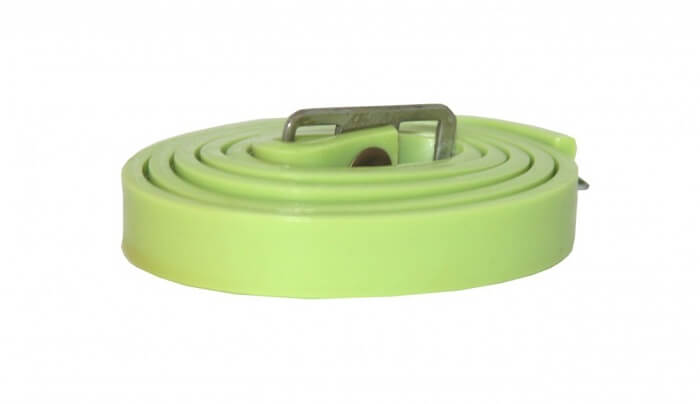
2. Flea collars
Convenient and long-lasting — quality collars protect for up to 7–8 months, which makes them cost-effective. That said, they’re not suitable for every dog. Skip the collar if your dog is under 6 months old, over 10, pregnant, nursing, or unwell. Check under the collar weekly for signs of skin irritation, and remove it immediately if you notice redness or hair loss.
3. Flea spray
Sprays are effective, but application matters. Avoid the face and eyes entirely. After spraying, keep your dog away from children and off the furniture for at least 24 hours while the treatment dries. Ventilate the room well.
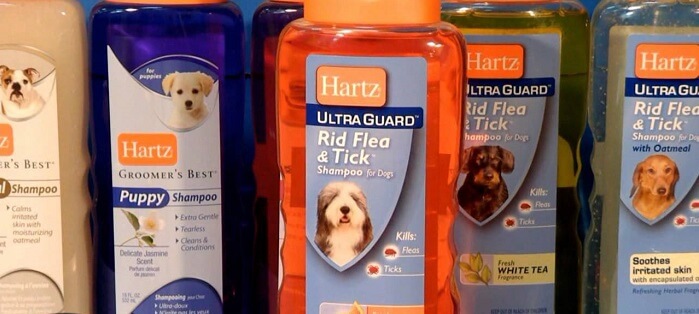
4. Flea shampoo
Think of flea shampoo as a cleanup tool, not a cure. It kills fleas on contact during the bath, which is useful in a heavy infestation — but it offers zero residual protection once rinsed off. Always pair it with spot-on drops or a collar. Watch sensitive dogs for signs of reaction: excess drooling, red gums, or nausea.
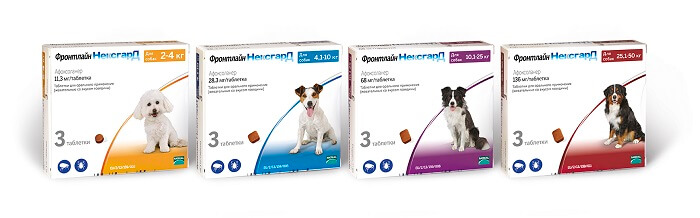
5. Oral flea tablets
Tablets are the cleanest option — no residue on the coat, no transfer to kids or furniture. They start killing adult fleas within hours of ingestion. Because of their stronger side effect profile, most vets recommend them for treating active infestations rather than as a long-term prevention method.
Treat Your Home — Not Just Your Dog
Here’s the part most people skip: around 95% of a flea infestation isn’t on your dog. Flea eggs, larvae, and pupae live in carpets, bedding, sofa cushions, and floor cracks — sometimes for months before hatching.
If you only treat your dog, fleas will keep coming back. To actually break the cycle:
- Wash your dog’s bedding on the hottest cycle (60°C / 140°F minimum)
- Vacuum every carpet, rug, and upholstered surface — then immediately empty the vacuum or dispose of the bag outside
- Use a household flea spray along baseboards and under furniture
- Repeat the full process in two weeks to kill any newly hatched fleas
Keeping Fleas Away Long-Term
Fleas peak between spring and late autumn, but indoor fleas can survive year-round in heated homes. Start preventative treatment in early March and keep it up monthly through November — or year-round if you live in a warm climate or have central heating.
After walks in tall grass or wooded areas, comb through your dog’s coat and check around the ears, belly, and base of the tail — flea hotspots. Catch one flea early and you’ll save yourself a full-blown infestation.