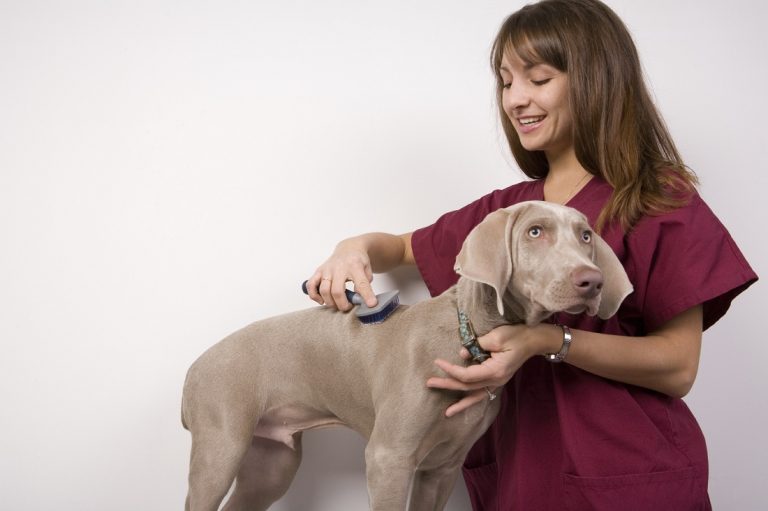
Dog ownership is one of the most rewarding commitments you can make — and one of the most demanding. A dog depends on you for every fundamental need: food, safety, health, exercise, and social connection. Whether you’re bringing home your first puppy or refining your approach with your third dog, the fundamentals remain the same. Here’s what responsible dog care actually looks like.
Feed for Health, Not Habit
Quality matters more than price when it comes to dog food. Look for products labeled “complete and balanced” by AAFCO (Association of American Feed Control Officials). This means the formula meets minimum nutritional standards for your dog’s life stage.
Life stage feeding:
- Puppies (under 12 months): Need growth formulas with higher protein (22–32%) and fat (10–25%). Large-breed puppies require controlled calcium levels (0.7–1.2%) to prevent skeletal issues from rapid growth.
- Adults (1–7 years): Maintenance formulas with 18–25% protein and 10–15% fat. Highly active or working dogs may need performance diets with 25–30% protein.
- Seniors (7+ years): Lower-calorie formulas to prevent obesity as metabolism slows. Look for added glucosamine (300–500mg/kg) and chondroitin for joint support.
Feed twice daily for adults, three to four times for puppies under six months. Portion control prevents obesity — which shortens lifespan and leads to diabetes, joint disease, and heart problems. Use the feeding guide on the bag as a starting point, then adjust based on body condition. You should be able to feel your dog’s ribs with light pressure but not see them prominently.
Toxic foods to avoid: chocolate, grapes/raisins, onions, garlic, xylitol (artificial sweetener), macadamia nuts, avocado, alcohol, caffeine, raw yeast dough.
Exercise Is Non-Negotiable
A dog without adequate exercise is a dog with behavior problems. Chewing, digging, excessive barking, hyperactivity, and anxiety are almost always symptoms of pent-up energy with nowhere to go.
Minimum daily exercise by breed type:
- High-energy breeds (Border Collie, Belgian Malinois, Jack Russell Terrier): 90–120 minutes of vigorous activity — running, fetch, agility work.
- Moderate-energy breeds (Labrador Retriever, Golden Retriever, Boxer): 60–90 minutes of mixed walking and play.
- Low-energy breeds (Bulldog, Basset Hound, Shih Tzu): 30–45 minutes of gentle walking.
- Giant breeds (Great Dane, Saint Bernard): Moderate exercise (45–60 min) to avoid joint stress, especially during growth phase (under 18 months).
Mental stimulation counts as exercise. Puzzle feeders, scent work, obedience training, and new environments tire a dog’s brain just as effectively as physical exertion — sometimes more so.
Grooming Prevents Health Problems
Regular grooming isn’t cosmetic — it’s preventive medicine. You catch skin issues, lumps, parasites, and injuries early when they’re easier to treat.
Weekly grooming checklist:
- Brushing: Short coats need weekly brushing; long or double coats need 3–4 times per week to prevent matting. Matted fur traps moisture and leads to hot spots and skin infections.
- Nail trimming: Every 3–4 weeks. Overgrown nails cause pain, alter gait, and can lead to orthopedic issues. If you hear clicking on hard floors, the nails are too long.
- Ear checks: Weekly inspection for redness, odor, or discharge. Floppy-eared breeds (Cocker Spaniels, Basset Hounds) are prone to ear infections from poor air circulation.
- Dental care: Brush teeth 3–5 times per week with dog-specific toothpaste. Periodontal disease affects 80% of dogs over age three and can lead to heart, liver, and kidney damage from bacterial spread.
- Eye checks: Look for excessive tearing, redness, cloudiness, or squinting — all signs of infection or injury.
Bathing frequency depends on coat type and lifestyle. Most dogs need a bath every 4–12 weeks. Over-bathing strips natural oils and causes dry, itchy skin. Always use dog-specific shampoo — human products have the wrong pH and can cause irritation.
Veterinary Care: Prevention Over Treatment
Routine vet visits catch problems before they become emergencies. Annual exams for healthy adult dogs, twice-yearly for seniors (7+), and monthly puppy visits during the vaccination series.
Core vaccines (all dogs need these):
- DHPP combo: Protects against distemper, hepatitis, parvovirus, and parainfluenza. Puppies get a series starting at 6–8 weeks, then boosters every 3 years.
- Rabies: Required by law. First dose at 12–16 weeks, booster at one year, then every 1–3 years depending on local regulations.
Non-core vaccines (risk-dependent): Bordetella (kennel cough) for dogs in daycare/boarding, Lyme disease for dogs in tick-endemic areas, leptospirosis for outdoor/rural dogs.
Parasite prevention: Year-round heartworm prevention (ivermectin, moxidectin), monthly flea/tick control (fipronil, afoxolaner), and fecal exams twice yearly to check for intestinal parasites (roundworms, hookworms, giardia).
Identification: Plan for the Worst
One in three pets will go missing in their lifetime. Proper identification dramatically increases the chances of a safe return.
Three-layer ID system:
- Microchip: Permanent ID implanted under the skin between shoulder blades. Register with a national database (HomeAgain, AKC Reunite) and keep contact info current. Shelters and vets scan for chips as standard protocol.
- Collar tag: Visible ID with your phone number. Works even if the finder doesn’t have a scanner. Use a rivet-style tag — split rings can fall off.
- GPS tracker: Real-time location tracking (Fi Collar, Whistle GO) for escape artists or dogs in rural areas. Requires subscription but gives immediate location data.
Training: The Foundation of Everything
A well-trained dog is safer, calmer, and easier to live with. Training isn’t optional — it’s part of responsible ownership.
Essential commands every dog should know:
- Sit: The foundation for impulse control.
- Stay: Prevents bolting out doors or into traffic.
- Come (recall): Literally life-saving in emergencies.
- Down: Calming command for vet visits, grooming, public spaces.
- Leave it: Stops your dog from eating dangerous items or chasing wildlife.
Start training the day your dog comes home. Puppies can begin learning at 8 weeks old. Use positive reinforcement — reward desired behavior with treats, praise, or play. Punishment-based methods create fear and aggression problems.
Socialization is just as critical as obedience. Expose puppies to different people, dogs, environments, sounds, and surfaces between 3 and 14 weeks of age — this is the critical socialization window. Poor socialization leads to fear-based aggression and anxiety disorders later in life.
Recognize Emergency Warning Signs
Some symptoms require immediate veterinary attention — not “wait and see.”
Go to the vet NOW if you see:
- Difficulty breathing, choking, or blue/pale gums
- Seizures or loss of consciousness
- Bloated, hard abdomen with retching (sign of GDV/bloat — fatal within hours)
- Inability to urinate or defecate despite trying
- Severe bleeding or trauma
- Ingestion of toxic substance (chocolate, xylitol, antifreeze, rat poison)
- Heatstroke symptoms: excessive panting, drooling, vomiting, collapse in hot weather
- Prolonged vomiting or diarrhea (more than 24 hours, or bloody)
- Sudden weakness, collapse, or inability to stand
FAQ: Common Dog Care Questions
How much does it cost to own a dog?
First-year costs average $1,500–$3,000 (adoption/purchase, spay/neuter, vaccines, supplies). Annual costs run $500–$2,000 depending on size, breed health issues, and lifestyle. Budget for emergencies — a single ER visit can cost $1,000–$5,000.
Can I leave my dog alone all day?
Adult dogs can hold it for 6–8 hours, but that doesn’t mean they should be alone that long daily. Prolonged isolation causes separation anxiety, destructive behavior, and depression. Hire a dog walker, use doggy daycare, or arrange for a friend to visit mid-day.
Do all dogs need to be crate trained?
Not required, but extremely useful. A crate is a management tool for housetraining, preventing destructive behavior when unsupervised, safe car travel, and vet recovery. Done correctly, dogs see crates as a safe den — never use it as punishment.
How do I know if my dog is overweight?
Stand over your dog and look down — you should see a visible waist behind the ribs. Run your hands along the ribcage with light pressure — you should feel ribs without pressing hard, but not see them prominently. No waist + can’t feel ribs = overweight.
When should I spay or neuter my dog?
Traditional recommendation: 6 months. Current research suggests waiting longer for large breeds (12–18 months) to allow growth plates to close fully, reducing orthopedic disease risk. Small breeds can be spayed/neutered earlier (5–9 months). Discuss timing with your vet based on breed and individual health.