Bringing a dog home changes your daily routine in ways you don’t fully anticipate until you’re in it. The good news: most of the “overwhelming” stuff boils down to a handful of practical setups. Get these right early, and the rest tends to fall into place.
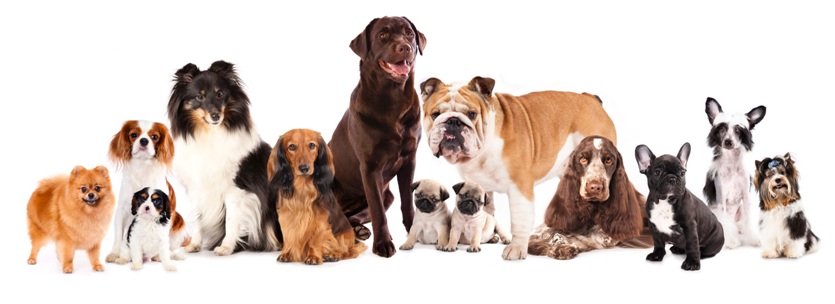
One caveat: these are the universal basics. Your breed matters. A Siberian Husky and a Pug have very different needs — always layer your specific breed’s requirements on top of this foundation.
Your Dog Needs Her Own Space
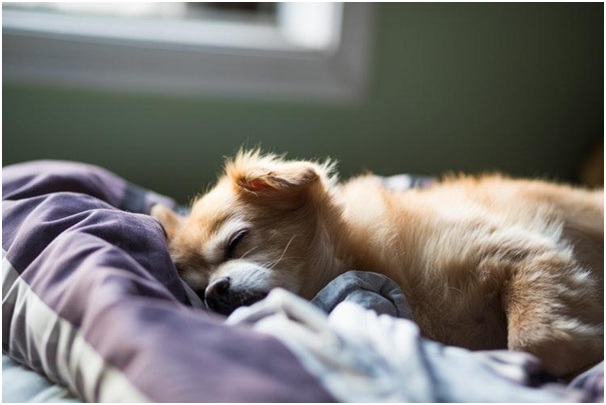
Dogs need a spot that’s unambiguously theirs — somewhere to retreat when they’re tired, overstimulated, or just done with people for the moment. A proper dog bed, a padded basket, or even a folded blanket works fine. The location matters more than the brand: keep it away from drafts, radiators, and anything that fluctuates in temperature.
Put a favorite toy or two nearby. It helps her associate the space with safety rather than isolation.
Wash the bedding every couple of weeks — more often if she spends a lot of time outside. Bacteria accumulates fast, and a clean sleeping area is one of the easiest things you can do for her long-term health.
House Training: The Schedule Is Everything
The single most effective house-training tool is consistency. Dogs learn fast when walk times are predictable — they start to anticipate and hold it. An indoor toilet option is a useful backup, not a replacement for regular walks.
Indoor toilet options that work:
- Box-style trays with absorbent pads
- Trays with artificial grass inserts
- Post-style litter poles (best for small breeds)
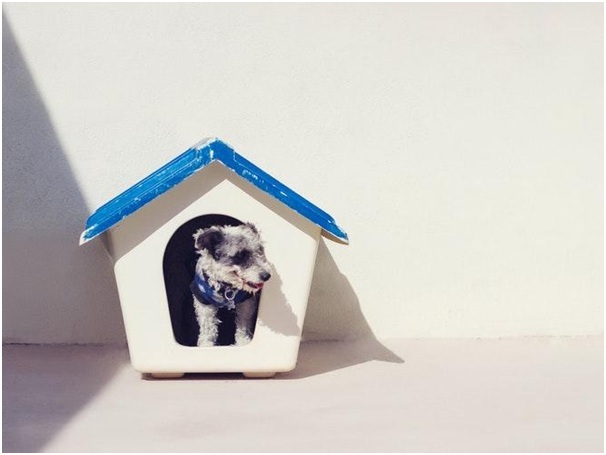
Indoor toilets are genuinely useful during post-vaccination recovery when your dog shouldn’t go out, or during bad weather when you can’t get outside quickly.
Getting her to use the right spot:
- Place something with her scent in the tray — it signals “this is the place”
- If she goes somewhere else, calmly redirect; treat the wrong spot with an odor-neutralizing repellent
- Praise every correct use immediately — timing is everything, and tone carries more weight than words
Setting Up a Feeding Station
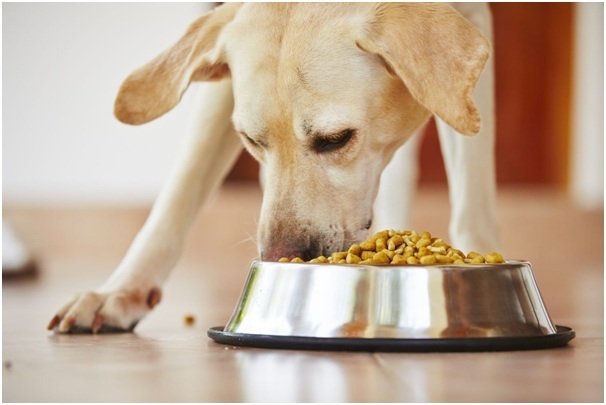
Two bowls, a fixed location, a mat underneath — that’s the whole setup. Place them somewhere easy to clean: the kitchen floor works well. Avoid the spot near shoes and coats (dust, debris) and anywhere you can’t quickly wipe down a spill.
Bowl size guide:
- Puppies and toy breeds: up to 400 ml
- Medium breeds: 700 ml – 2 L
- Large and giant breeds: 2–2.5 L
Stainless steel is the practical winner — stable, hygienic, easy to clean, lasts forever. Ceramic works well on an elevated stand. Avoid plastic: it tips, scratches, and harbors bacteria in those scratches.
Use unscented dish soap to wash bowls. Scented detergent residue can trigger reactions in dogs with sensitivities.
Feed at consistent times and remove the bowl when she’s done. This does three things: keeps portion control honest, helps you notice early appetite changes (a reliable health signal), and prevents the grazing or food-guarding habits that develop when food is always available.
Video: Are you feeding your dog correctly?
Home First Aid Kit
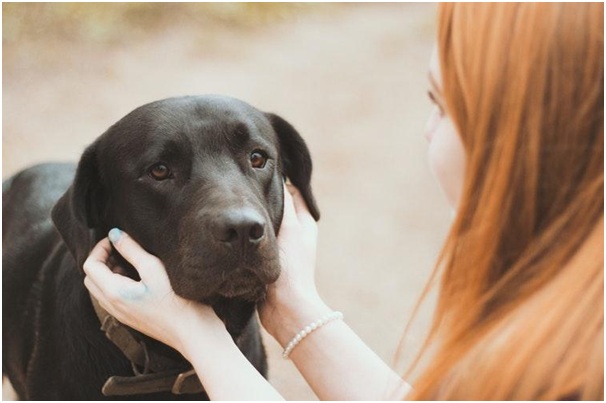
A quick daily check takes two minutes and catches problems early: run your hands over her coat, check her paws for cuts or irritation, look at her eyes, ears, and nose. You’re not diagnosing anything — you’re learning her baseline so you’ll notice when something’s off.
Medications worth keeping at home:
- Wound-healing ointment (Bepanten Plus or D-Panthenol)
- Antiseptic solution (0.9% saline, 0.01% Miramistin, or 0.05% Chlorhexidine)
- Sorbent for suspected poisoning (activated charcoal, Enterosgel, or Polysorb)
- Mild laxative (Duphalac or flaxseed oil)
- Antibiotic eye drops (Tobrex or equivalent)
- Ear and eye cleaning lotion, dog-safe toothpaste — pick these up at a vet pharmacy
Supplies:
- Sterile gauze and bandages
- Cotton pads and antibacterial wipes
- Tweezers and blunt-tipped scissors
- Tourniquet
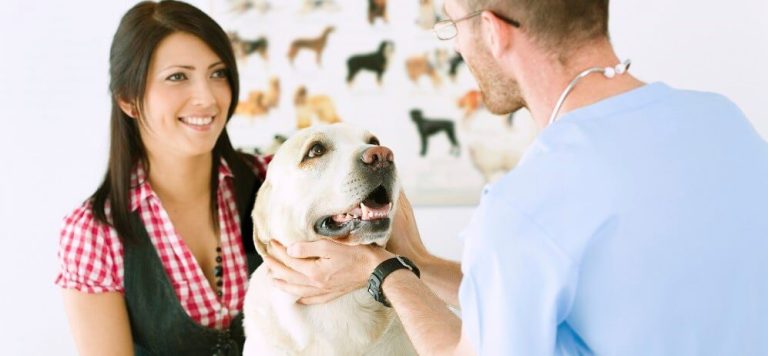
Before you use any of this: run the kit by your vet at your first visit. Some medications don’t suit every dog, and it’s much better to know the exceptions in advance. If you travel with her, pack a smaller travel version and save the contact for a nearby vet clinic.
Walking: More Than Just Exercise
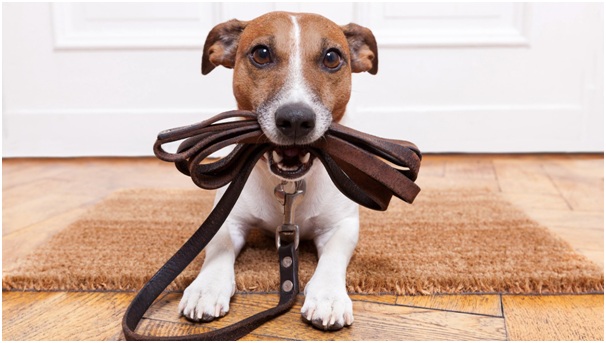
The walk checklist before you leave: collar, leash, muzzle, a couple of treats, waste bags. If you’re introducing your dog to a new area, carry her for the first minute and let her observe before setting her down — dogs process new environments with their nose first, and a slow introduction reduces anxiety.
Early in training, walk frequently. Repetition builds the habit of going outdoors faster than any other method. Once she’s reliable, you can settle into a schedule that actually works for your life.
Watch for scavenging — dogs will try to eat almost anything they find on the ground, and puddle water is a common source of parasites and bacteria. Redirect before she gets to it, not after.
Make the walk count:
- Mix in a few minutes of training or active play — mental exercise tires dogs out as effectively as physical exercise
- Supervised off-leash time in a dog-safe area lets her actually run, which no amount of on-leash walking fully replaces
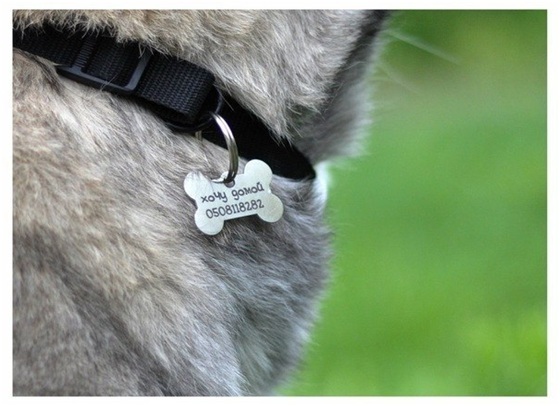
Put your phone number on her collar — either written on the back or on an engraved tag. It costs almost nothing and has saved a lot of dogs. The collar stays on outside; take it off when you’re home.