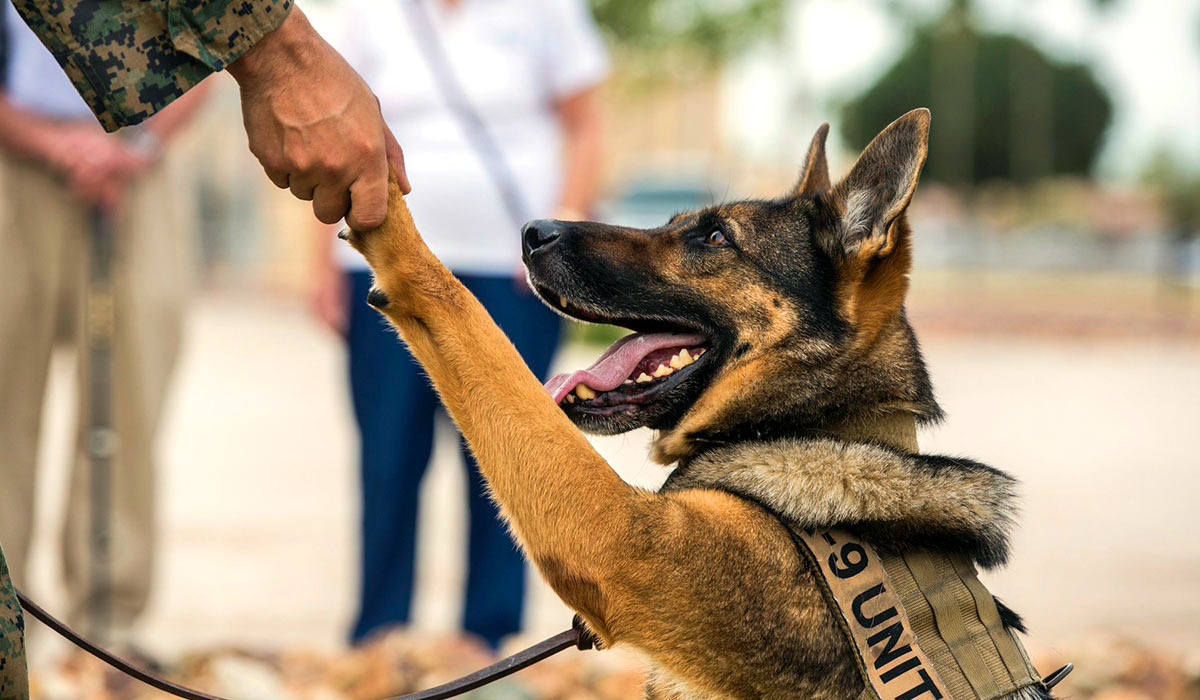
Service dogs aren’t just pets — they’re working partners bred for specific jobs. Whether it’s guarding a flock, pulling a sled, tracking suspects, or simply being an unshakeable companion, these breeds bring something most dogs don’t: purpose-built drive combined with the ability to learn.
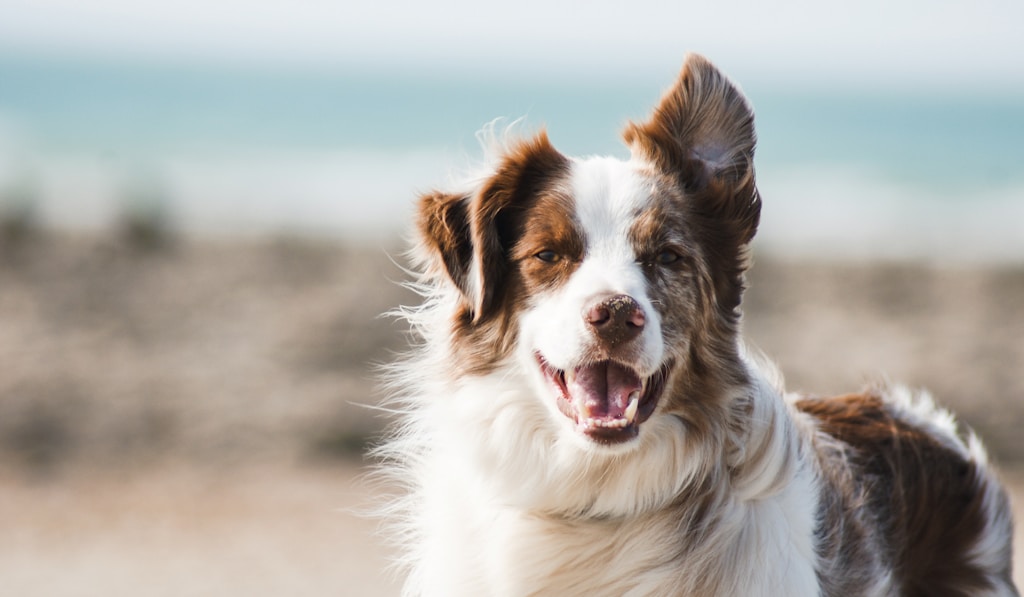
Most service breeds are large, physically powerful, and respond well to consistent training. They generally fall into four working categories: guard dogs, search and rescue, sled dogs, and sport/protection dogs. Herding breeds often cross over into service roles too.
Here are 18 breeds worth knowing.
Service dog breeds are typically categorized as:
- Guard dogs
- Search and rescue dogs
- Sled dogs
- Sport and protection dogs
Some herding breeds also serve dual roles as working service dogs.
Alabai (Central Asian Shepherd)
One of the oldest large breeds in existence, the Alabai — also called the Central Asian Shepherd Dog — stands 65–70 cm at the withers and was developed over thousands of years as a livestock guardian, not a fighter.
The Alabai has a calm, independent temperament. He won’t lunge at every perceived threat — he’ll assess, warn, then act if necessary. This measured approach makes him a genuinely effective guardian rather than just an aggressive one.
Stories of Alabai aggression typically trace back to negligent owners who pushed the dog’s capabilities without building a real relationship. This breed is also notably resentful — harsh punishment will backfire badly.
Training needs to start early and be handled thoughtfully. The Alabai won’t follow orders robotically — he needs to understand why. If you can’t provide firm, consistent guidance, hire a professional. This isn’t a breed that forgives sloppy handling.
Video: Alabai
Alaskan Malamute
Often confused with the Husky, the Malamute is a completely different animal — heavier build, different coloring, and bred specifically for hauling heavy freight across Arctic terrain. Height at the withers: 58–63 cm.
Up to age three, Malamutes are exhausting. They dig, they run, they don’t settle — even after a long walk with weight. After three years, the chaos gradually levels out into something you can actually live with.
The Malamute is sociable and genuinely good-natured, but strongly independent and prone to deciding things for himself. Boredom leads to destruction — keeping him physically loaded isn’t optional, it’s survival strategy for your furniture.

He gets along with other pets at home, but outdoors his prey drive kicks in fast. Worth knowing: Malamutes have exceptional memories — if you discipline unfairly, they’ll remember it.
Video: Alaskan Malamute
American Staffordshire Terrier
The AmStaff’s reputation precedes it — and not always fairly. These dogs were bred as family protectors, and with the right owner they’re exactly that: loyal, playful, and surprisingly gentle with kids.
The problem is that their athletic build and drive have been exploited in dog fighting circles. An AmStaff in a fight moves fast, with almost no vocalization beforehand — and very little will stop him once he’s committed. This is a breed that absolutely requires a responsible, experienced owner.
For apartment living, the Staffie is actually well-suited — medium size, short coat, low maintenance. The energy level surprises people: how does that body move that fast?
Training is not beginner territory. Rough handling or encouraging aggression will create a dog that’s genuinely dangerous. Handle with patience, firmness, and respect — and you’ll have one of the most devoted dogs around.
Video: American Staffordshire Terrier
English Mastiff
The English Mastiff is a true giant — starting at 70–75 cm at the withers — with one of the most deceptively sweet temperaments in the working dog world. Getting them angry takes real effort.
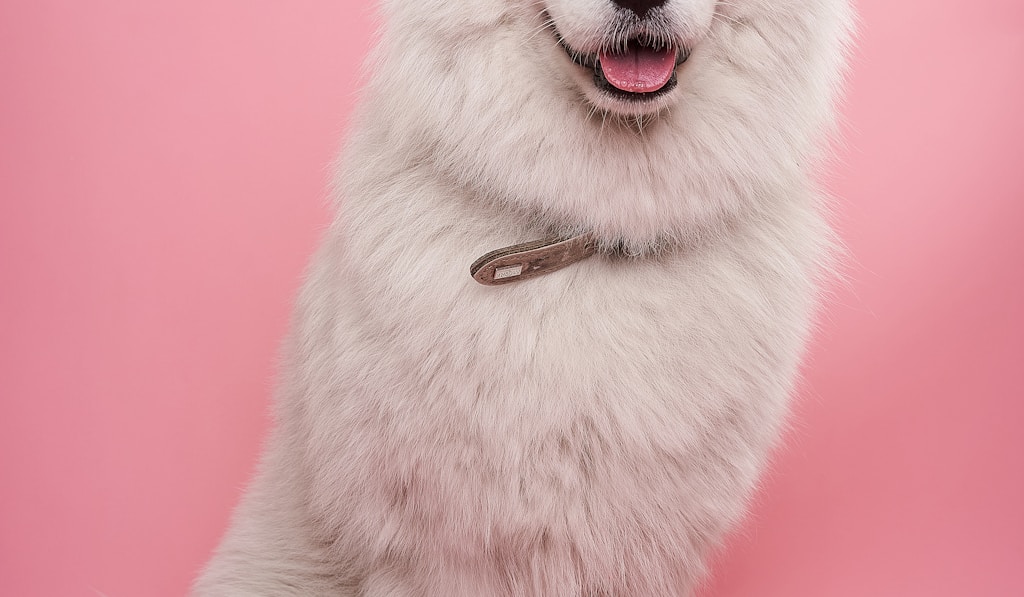
Mastiffs love being close to their people. They’ll lean, they’ll follow you around, and some genuinely believe they’re lap dogs — which becomes a problem at 80+ kg. Leaving them alone for long periods is a real hardship for the breed.
Despite the gentle default, they’re wary of strangers. They won’t charge first — but cornering a perceived threat is very much in their toolkit.

How this breed turns out depends almost entirely on upbringing. Raise them with kindness and consistency, and you have an imposing but well-mannered family dog. Push the fighting heritage, and you’ll have something much harder to handle.
Daily walks are still essential — just don’t expect speed. The Mastiff prefers a deliberate, unhurried pace. Training takes patience: they’re intelligent, but self-sufficient enough to decide that lying on the couch beats working for treats.
Not ideal for families with very young children — the sheer size creates risk regardless of temperament.
Belgian Shepherd
An athletic, highly capable working breed that stands 55–60 cm. The Belgian Shepherd actually comes in four distinct varieties — all related, but different enough in personality that choosing the right one matters.
Tervuren — Impulsive and energetic, deeply bonded to one primary handler. Throw any idea at them and they’ll take it up enthusiastically.
Laekenois — More unpredictable — cheerful and playful one moment, disengaged the next. But in a real situation, their guarding instincts are strong. Needs consistent exercise with structure.
Malinois — The most obedient of the four. Craves interaction with their handler and will make you the center of their world. This is the variety most used in police and military work globally.
Groenendael — Excellent herding and guarding instincts. Like the others, needs regular physical and mental exercise to stay balanced.
Belgian Shepherds can coexist with other animals if raised alongside them from puppyhood — but keep small rodents and cats at a safe distance regardless.
This is not a beginner breed. Their drive and independence demand a handler with real experience and a steady hand.
Video: Belgian Shepherd
Bernese Mountain Dog
The Bernese Mountain Dog is the softest entry on this list. Calm, steady, and genuinely good with everyone — including cats. It’s hard to believe this breed is classified as a working dog until you see them in action.
Bernese won’t demand affection, but they’ll accept it gladly. They’re famously patient with children — kids can tug, climb, and generally be chaotic around them without triggering a reaction. The dog just looks mildly patronizing and moves on.
Don’t mistake that patience for passivity. The Bernese has real guarding instincts and is notably fearless — sometimes almost recklessly so. They’ll act without hesitation when something feels genuinely wrong.
Training goes smoothly — they’re quick learners, just slightly lazy about it. Because the breed matures slowly, save complex commands and trick training for after age two.
Video: Bernese Mountain Dog
Boxer
The German Boxer punches well above its weight class when it comes to versatility. These dogs have worked as messengers, military scouts, herding dogs, guide dogs, and circus performers — the range is genuinely impressive.
The wrinkled muzzle reads as threatening to some people, but behind it is a dog that’s playful, clever, and genuinely warm. When a Boxer wants to play, they’ll literally box the air with their front paws — the name isn’t accidental.
Boxers are reliable protectors, easy to train, and appropriately skeptical of strangers. They’re great with kids and other household pets. A well-balanced nervous system makes them predictable — which is exactly what you want in a working dog.
Video: Boxer dog
Bullmastiff
Think of the Bullmastiff as a more compact, more muscular version of the English Mastiff — shorter muzzle, denser build, similar contradictions. They can look formidable and then spend an afternoon lying next to a cat.
Their guarding instinct is solid — but measured. When something looks threatening, a Bullmastiff will glance at you as if asking “is this worth dealing with?” before acting. This pause is a feature, not a flaw.
Don’t rush training — this breed matures slowly and shouldn’t start structured work before six months. Even then, motivation needs to come through rewards rather than pressure. As a family guardian, they’ll protect instinctively without formal protection training.
For formal service work, hand the Bullmastiff to a professional — the breed is capable, but complex enough to require expert handling.
Doberman Pinscher
If there’s a breed that combines raw power with actual elegance, it’s the Doberman. Strong guarding instincts, sharp intelligence, and a physical presence that commands attention — all wrapped in a surprisingly graceful frame.
Dobermans with aggression problems almost always have owners who trained aggression into them. It’s not the breed’s default. Deliberately creating a vicious Doberman is irresponsible and dangerous — their intelligence means they’ll apply that aggression in ways that are very hard to predict or control.
With proper training, a Doberman is an exceptional companion — patient with children, good with other pets, and deeply loyal. They’re highly trainable, but first the dog needs to see you as the alpha. Without that foundation, consistency of obedience isn’t guaranteed.
Young Dobermans need long, high-intensity walks. They can run flat-out for miles and still want more. Worth noting: if you call your Dobe back when he’s having the time of his life, he may sprint in the opposite direction just to make a point. Work recall into every walk, early.
Bottom line: a well-raised Doberman is one of the best companions and personal protection dogs you can have.
Video: Doberman
Caucasian Shepherd
Legendary is the right word. The Caucasian Shepherd is a large, serious guard dog with a balanced temperament — calm in ordinary life, but completely reliable when a real threat appears. They’re deeply loyal to their person.
They’ll tolerate other animals, but only smaller ones — any dog close to their size will be perceived as a rival. Push that dynamic too far and things will go badly for everyone nearby.
Strangers simply won’t win this dog over — no treats, no petting, no charm offensive works. And somehow these massive dogs are also surprisingly gentle with their family’s children, tolerating all manner of chaos with patience.
Because this is a late-maturing breed, serious command work shouldn’t start before 6 months. Before that: basics, socialization, and trust-building.
The reputation for being “hard to train” is real but misunderstood. The Caucasian Shepherd isn’t slow — it’s stubborn and self-reliant. Earning this dog’s full trust requires consistency, fairness, and genuine strength of character. Do that right, and you have a truly exceptional guardian.
Video: Caucasian Shepherd
Cane Corso
The Cane Corso is a large Italian mastiff with roots going back to ancient Rome. Originally used as a war dog, shepherd, and estate guardian, it’s one of the most versatile mastiff-type breeds in history.
At home, the Cane Corso is a capable protector with a surprisingly accommodating personality. Cats can wrap them around their paws. Open aggression from a Corso only appears when there’s a genuine threat — or when you ask for it.
They’re naturally attentive to children in the household — a trait that possibly traces back to their herding history, when they watched over calves and lambs. That protective instinct carried forward through centuries of breeding.
Corsos are eager to please and train well, but they’re slow to mature. Start with socialization and basic obedience early — the rest can come later.
Video: Cane Corso
Komondor
The Komondor is hard to miss. This Hungarian sheepdog is covered in long white cords that look like natural dreadlocks — think large dog-shaped mop. The coat is only white; darker “Komondors” are crossbreeds and don’t qualify as the breed.
Originally a flock guardian, the Komondor is now primarily kept as a guard dog — and excels at it. Centuries of protecting livestock from wolves made them deeply suspicious of anything unfamiliar near their territory.
With their own family they’re completely different — gentle, tolerant, and genuinely protective. Kids can pull the cords, climb on them, stick their hands in their mouths. The Komondor treats family children the same way they once treated lambs: patiently.
Just don’t assume that extends to your friends’ kids. The Komondor’s “friend or foe” line is sharp and doesn’t blur easily.
Training is possible — basics are essential — but don’t push it too hard. For centuries, Komondors were left to make their own decisions while guarding flocks. That independence is baked in. When your Komondor ignores a command, it’s not disobedience — it’s deliberation. They process, decide, then act.
Earning a Komondor’s trust takes time, but once you have it, their loyalty is absolute.
Video: Komondor
Moscow Watchdog
Developed in the Soviet Union from Caucasian Shepherd and St. Bernard stock, the Moscow Watchdog is exactly what the name suggests: a serious guard dog with more warmth than you’d expect.
The temperament depends on which parent breed dominates. More St. Bernard in the mix means a calmer, more relaxed dog. More Caucasian Shepherd influence means higher alertness and wariness of strangers. Both make effective guardians.
They do well with children and household pets, and treat strangers with appropriate caution rather than aggression. Because of their size, supervision around very young children is important — weight difference alone creates risk.
Start training from day one. Even as a puppy, this dog will test your authority. Establish clear rules early and hold the line — Moscow Watchdog teenagers are notorious for deliberate disobedience. If you give ground during that phase, the dog will run with it.
Video: Moscow Watchdog
German Shepherd
Few breeds match the German Shepherd’s combination of intelligence, stability, and trainability. They rank in the top three smartest dog breeds globally — alongside the Border Collie and Poodle — and almost nothing is beyond their ability to learn.
German Shepherds make excellent family dogs — patient, loyal, and genuinely happy to wait for you. They’re great with children and will make friends with other pets without much trouble.
That said, their working instincts are always present. A German Shepherd will always be suspicious of strangers on their territory, and anyone who pushes that will regret it.
The breed is deployed across police, search and rescue, border control, customs, and detection work — for good reason.
Worth knowing: German Shepherds mature late. A two-year-old may look fully grown, but mentally they’re still puppies craving affection, play, and reassurance. Don’t skip that phase — it shapes everything that follows.
Video: German Shepherd
Newfoundland
The Newfoundland was shaped by the island of the same name off Canada’s coast, then refined in England. In the former Soviet Union, breeders once tried to develop an aggressive variant called the “Diver” — the experiment failed completely. Newfs simply refused to distinguish between strangers and their owners. The aggression project was abandoned; the name stuck in casual use.
What you actually get with a Newfoundland is a genuinely golden character: kind, loyal, patient, and free of aggression. They live to serve and will throw themselves into work with everything they have.
Like the Komondor, a Newf will occasionally ignore a command if they’ve assessed the situation and judged it unnecessary. But if they sense real danger, no command is needed — they’ll act on their own judgment, reliably.
The breed’s love of water is legendary. Take them anywhere near a lake, river, or ocean and watch them come alive. They also get along with virtually every animal — from cats to birds to reptiles.
Newfoundlands read their owners’ moods with unusual accuracy. If you’re not in a social headspace, the dog will pick up on it and give you space. Training this giant is relatively easy — just keep commands reasonable and your tone calm. Pressure and raised voices don’t work here.
Video: Newfoundland
Rottweiler
The Rottweiler is one of the most capable natural guardian breeds in existence — unwaveringly loyal to its family, resistant to changing owners (which causes real psychological strain), and born knowing what protection looks like.
This is not a dog for chaotic households. Rottweilers need a calm, stable environment. Constant stress, shouting, and conflict produce a dog with genuine psychological issues — and at that size and strength, that’s dangerous for everyone.
Training starts from the first day in your home. Rottweiler puppies test dominance early — growling, trying to bite, pushing limits. Correct this immediately and firmly, the way a dog mother would: physically without cruelty — a scruff grab, a nose pinch. Don’t ignore it and don’t overreact.
Raising a Rottweiler is a serious responsibility. Get experienced help if you need it — a poorly raised Rottweiler isn’t just difficult, it’s a real liability.
Video: Rottweiler
Samoyed
The Samoyed is one of the most visually striking dogs on this list — and one of the least suited to guarding. Centuries of living in tight working packs essentially bred the aggression out of them. What’s left is a sociable, energetic, deeply charming sled dog.
Their real calling is pulling and sport — not chains, not an aviary. Samoyeds need room to move and a regular outlet for their considerable energy. Pen them up and they’ll find their own entertainment, which will involve your belongings.
Also known as the Arctic Spitz, the Samoyed has one quirk worth mentioning: they love fish. This traces back to the Far North, where game was scarce and sled dogs were fed whatever the people ate — which was often fish. Fresh or dried, they’ll take it.
Getting a Samoyed as a decorative yard presence and then ignoring it is a mistake. They’ll make their needs known in ways you won’t enjoy. Load them up physically, make them part of your active life, and you’ll have a happy, cooperative dog.
Video: Samoyed
Siberian Husky
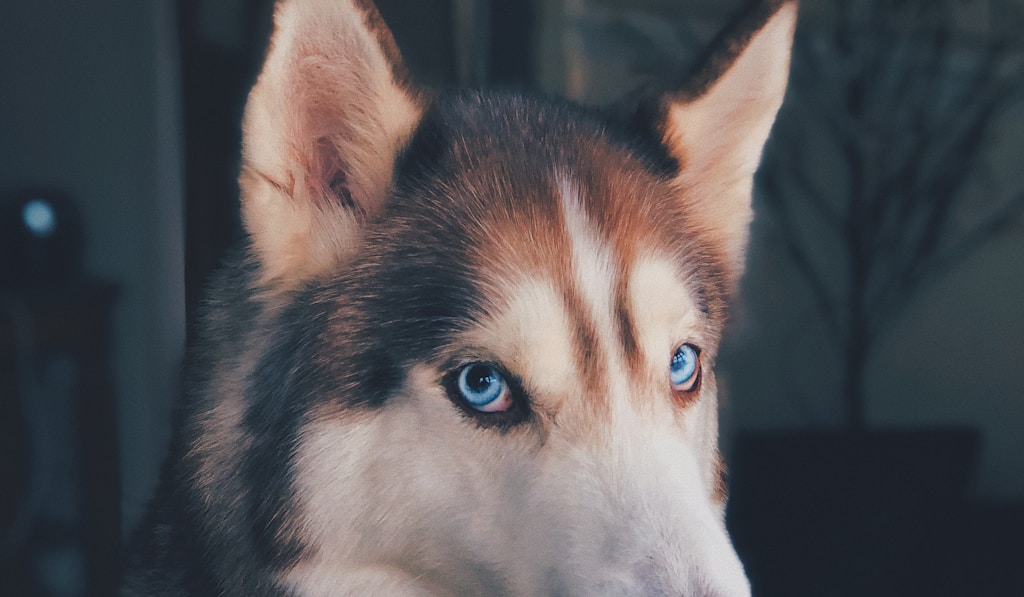
The Husky closes this list as the closest relative of both the Samoyed and the Malamute — sharing the same relentless energy, independent decision-making, and striking looks. Like its cousins, the Husky is a sled dog first and everything else second.
Guard dog? No. Hunter? Sort of — they’ll catch prey but eat it themselves rather than retrieve it. This goes back to historical practice: sled dogs were only fed during winter work seasons. In summer, they fended for themselves. That self-sufficiency is still in their DNA.
Huskies are outstanding at what they were built for: endurance work and sport. With children they’re remarkably patient — accidental pain caused by a kid won’t produce a reaction. They’re genuinely safe around families.
Two things to know: Huskies dig, and Huskies escape. A hole under the fence is a solved problem in their minds. Once outside, prey drive takes over. Not every Husky will do this, but know the instinct exists and fence accordingly.
Train through play. Huskies are intelligent and willing, but harsh corrections don’t land well. Build the alpha relationship from puppyhood, keep sessions short and positive, and you’ll have a responsive dog who genuinely wants to work with you.
Video: Husky