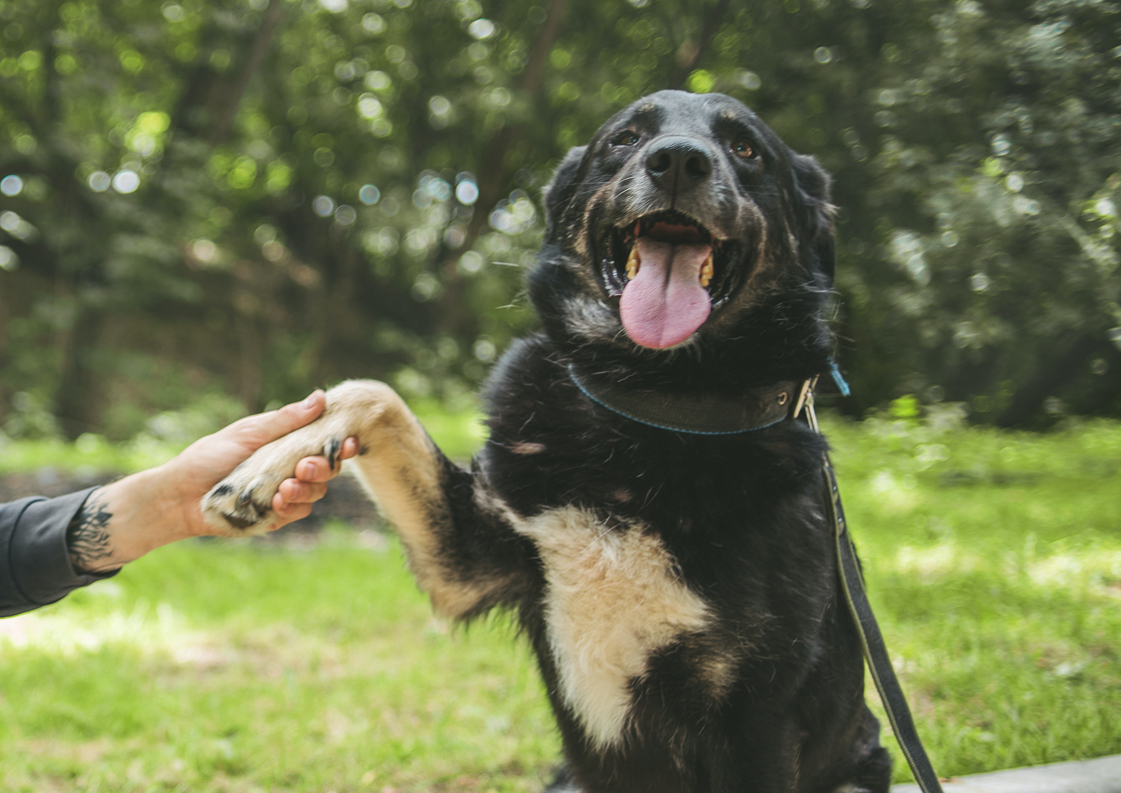
A purebred dog is bred from two registered parents of the same breed, with documented lineage and predictable traits. A mixed breed (or mongrel) carries genes from two or more breeds — or from generations of mixed-breed dogs — resulting in a unique combination of appearance, temperament, and health outcomes. Neither is objectively better; the right choice depends entirely on your lifestyle, expectations, and what you want from a dog.
Purebred Dog: What You Actually Get
Buying from a reputable breeder gives you predictability. If you want a Border Collie that herds, a Labrador that retrieves, or a Shih Tzu that lounges — a purebred delivers that. You know the adult size, coat type, energy level, and general temperament before the puppy is born.
That predictability comes at a cost. A health-tested puppy from a responsible breeder typically runs $800–$3,000+, depending on breed and pedigree. Anything significantly cheaper is a red flag — backyard breeders and puppy mills cut corners on genetic testing, socialization, and veterinary care. The result is often a dog with serious health problems by age 4–5.
Known health risks by breed:
- German Shepherds: hip and elbow dysplasia
- Bulldogs and Pugs: brachycephalic airway syndrome
- Cavalier King Charles Spaniels: mitral valve disease (affects ~50% by age 10)
- Dachshunds: intervertebral disc disease
- Great Danes: bloat (gastric dilatation-volvulus), shorter lifespan (~7–8 years)
A responsible breeder health-tests both parents before breeding. Ask for OFA (Orthopedic Foundation for Animals) certification for hips and elbows, and breed-specific genetic panel results. If a breeder can’t provide these — walk away.

Mixed Breed Dog: The Honest Assessment
Mixed breed dogs — mutts, mongrels, crossbreeds — are genetically diverse. That diversity is often an advantage. The phenomenon called hybrid vigor (heterosis) means that genetically varied dogs tend to be less susceptible to the inherited conditions that plague purebreds. Studies suggest mixed breeds have a slightly longer average lifespan: 14+ years versus 11–13 years for many purebreds.
What you lose is predictability. A shelter puppy’s adult size can surprise you. A dog listed as a “Labrador mix” might grow up with the energy of a Border Collie. DNA tests (Wisdom Panel, Embark) can help, but behavioral traits don’t map cleanly to breed percentages.
Mixed breeds from shelters are typically already:
- Vaccinated and dewormed
- Spayed or neutered
- Microchipped
- Assessed for temperament by shelter staff
Adoption fees range from $50–$300 — a fraction of breeder prices, and that cost covers real veterinary work already done.
Adopting from a Shelter: What to Expect
Many people worry that shelter dogs come with baggage. Some do — but most are there through no fault of their own (owner surrender, moving, financial hardship). Shelter staff can tell you a lot about a dog’s history and behavior if you ask the right questions.
Before you commit, ask the shelter:
- Why is this dog here? — Surrender reason reveals a lot about the dog’s past.
- How does it behave with other dogs, children, cats? — Most shelters run temperament assessments.
- Has it been in a foster home? — Foster dogs are better assessed than kennel dogs; you get more reliable behavioral data.
- What’s the known health history? — Vaccinations, any diagnosed conditions, past injuries.
- What training has it received? — Leash manners, basic commands, house training status.
Visit the dog at least twice before adopting. Dogs behave differently on a second meeting once the initial stress of a stranger fades. A dog that seems shut down on day one may be playful and warm on day two.

Cost Comparison: Lifetime Perspective
Purchase price is only the beginning. Over a 10–14 year lifespan, a dog costs $15,000–$45,000 in food, veterinary care, grooming, boarding, and supplies — regardless of breed. The upfront difference between a $2,000 purebred and a $200 shelter adoption fades quickly against lifetime expenses.
Where breed does affect long-term cost: brachycephalic breeds (Bulldogs, Pugs, French Bulldogs) often require corrective airway surgery ($1,000–$3,500). Giant breeds need larger doses of medication, food, and have shorter lifespans. Breeds prone to orthopedic issues may need joint supplements, physical therapy, or surgery.
Which Is Right for You?
Choose a purebred dog if: you have a specific working role in mind, you want a particular size and coat type guaranteed, or you compete in dog sports that require breed-specific traits.
Choose a mixed breed if: you want a companion without breed-specific health baggage, you’re open to some unpredictability, or adopting a dog that needs a home matters to you.
The worst outcome isn’t choosing the “wrong” type — it’s choosing impulsively. Whether purebred or mixed, a dog is a 10–15 year commitment. Take the time to match the dog’s energy and needs to your actual lifestyle.

Frequently Asked Questions
Are mixed breed dogs healthier than purebred dogs?
Generally, yes — genetic diversity in mixed breeds reduces the risk of inherited conditions common in purebreds. Mixed breeds also tend to live slightly longer on average, though individual health depends heavily on diet, exercise, and veterinary care.
Can you predict a mixed breed dog’s size and temperament?
Somewhat. A DNA test like Embark or Wisdom Panel can identify breed ancestry, giving clues about size range and behavioral tendencies. But individual variation is high — two dogs from the same litter can turn out quite differently.
Is buying a purebred dog unethical?
Not inherently. Buying from a responsible, health-testing breeder supports good breeding practices. The ethical concern is with puppy mills and backyard breeders who prioritize profit over animal welfare. If you want a purebred, research the breeder thoroughly.
How long does it take a shelter dog to adjust to a new home?
The “3-3-3 rule” is a common guideline: 3 days to decompress, 3 weeks to learn your routine, 3 months to feel at home. Dogs with trauma histories may take longer, but most adapt well with consistency and patience.
What’s the average cost of adopting a dog from a shelter?
Adoption fees typically range from $50 to $300 and usually include spay/neuter, vaccinations, microchipping, and a basic health exam — far less than the veterinary costs for these services individually.