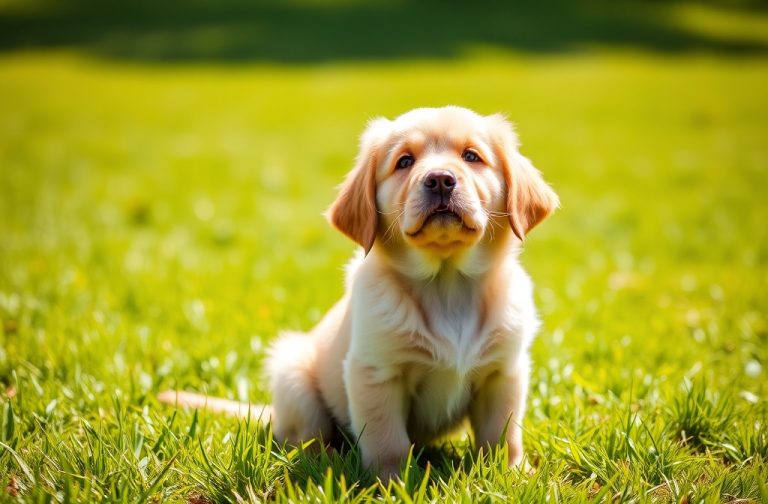
Bringing home a puppy flips your routine upside down — in the best possible way. The first few weeks are the most critical: the habits and experiences your puppy has now will define their behavior for the next 10–15 years. Here’s a practical guide covering everything that actually matters.
Book a vet visit first — before anything else
Seriously, before the whole family crowds in for introductions, schedule a checkup. A vet will assess your puppy’s general health, screen for congenital issues, and set up a vaccination schedule that fits your region and lifestyle.
Core vaccines usually start at 6–8 weeks old, with boosters every 3–4 weeks until around 16 weeks. Skipping or delaying this puts your puppy at serious risk — parvovirus and distemper are still out there and can kill unvaccinated dogs quickly. Think of that first vet visit as the foundation everything else builds on.
Also: ask your vet about flea, tick, and intestinal parasite prevention. These aren’t optional extras — they’re basic puppy care.
How to feed a puppy: what, how often, and how much
Always use food formulated specifically for puppies. Adult dog food won’t cut it — puppy formulas are calorie-dense and packed with the protein, calcium, and DHA that a growing dog genuinely needs for muscles, bones, and brain development.
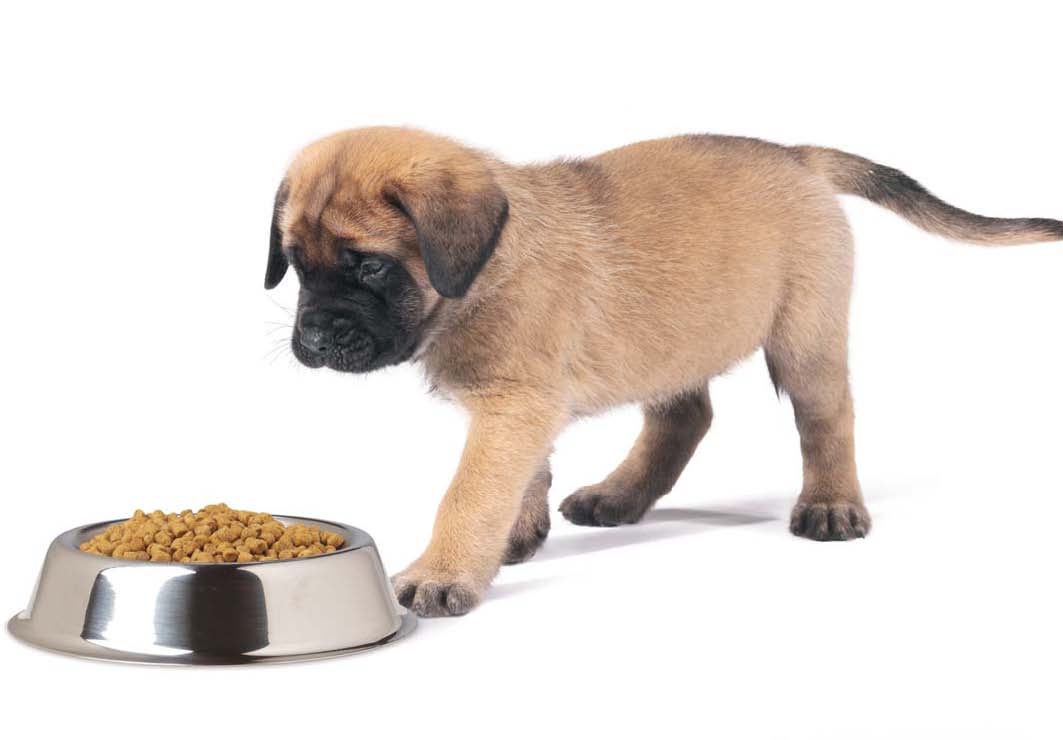
Feeding schedule by age:
- 6–12 weeks: 4 meals per day
- 3–6 months: 3 meals per day
- 6–12 months: 2 meals per day
Small and medium breeds can transition to adult food at around 9–12 months. Large breeds — Labradors, German Shepherds, Golden Retrievers — benefit from staying on puppy food until 18–24 months. Their joints and skeletal system take longer to fully develop, and switching too early can cause problems.
Keep a clean water bowl accessible at all times. Puppies drink more than you’d expect, especially after play. Refresh it a few times a day.
Potty training: consistency beats everything
Accidents happen — that’s not the question. The question is how quickly you build the pattern that makes accidents rare.
Take your puppy outside at these moments, every single time:
- Right when they wake up in the morning
- After every nap
- 15–30 minutes after eating or drinking
- During and after play sessions
- Right before bedtime
When they go in the right spot, reward them immediately — a treat, verbal praise, a moment of play. Timing is everything: if you wait 30 seconds, your puppy doesn’t connect the reward with going to the bathroom. They just think they got a treat for standing on the grass.
One practical note: until your puppy finishes their full vaccine course, use a potty spot away from areas where other dogs walk regularly. Parvovirus survives in soil for months.
Setting up their space
Puppies need a space that’s theirs — somewhere safe and calm to rest and decompress. A crate or a designated corner with a bed works well. Dogs are den animals by instinct, and having their own spot actually reduces anxiety.
Don’t make the crate a punishment. Feed meals near it, toss treats inside, let them explore it on their own terms. The goal is for them to choose to go in willingly.
Puppy-proof the areas they’ll have access to: electrical cords, toxic plants, anything they could chew and swallow. Puppies explore with their mouths first and ask questions later.
Socialization and first lessons
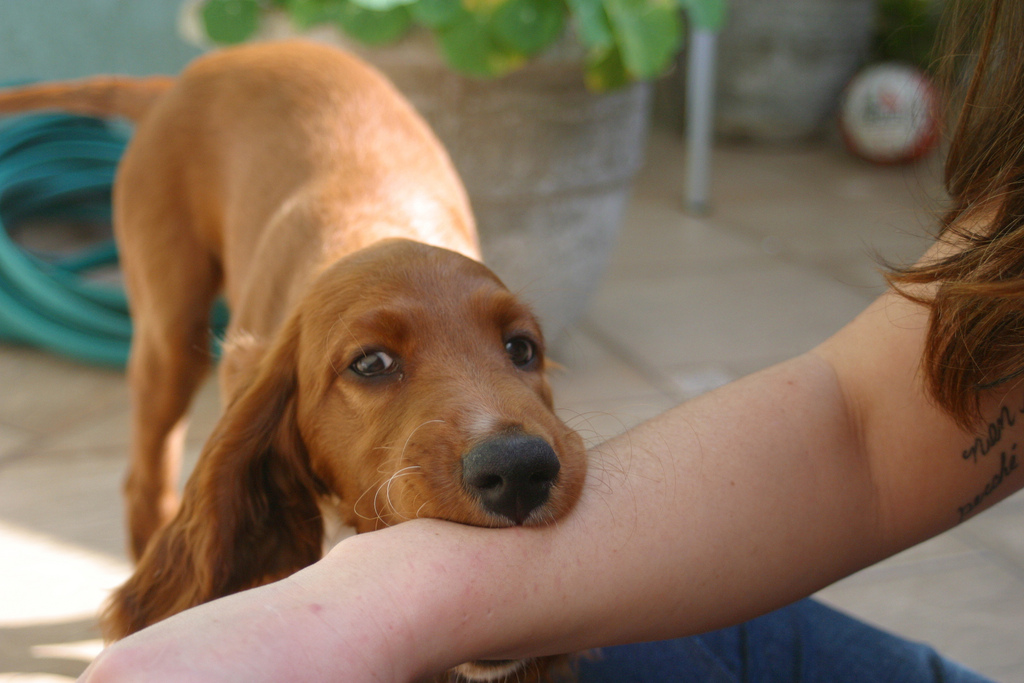
The window between 3 and 14 weeks is when your puppy is most receptive to new experiences. What they encounter during this period — different people, sounds, textures, other animals, environments — shapes how confident or anxious they’ll be as adults.
Keep it positive and low-pressure. Let them approach things on their own terms. Forcing a scared puppy into a situation doesn’t toughen them up — it creates lasting fear associations.
For training: start with the basics — sit, come, their name. Keep sessions short (5 minutes is genuinely enough for a puppy) and always finish on a win. Positive reinforcement works faster and builds a better relationship than any correction-based method. That’s not opinion — it’s backed by decades of behavioral research.
The habits you establish now will stay with your dog for their entire life. It’s worth the effort.