How you feed your dog matters as much as what you feed them. The right schedule — timed to your dog’s age, activity level, and health — is one of the easiest things you can do to prevent obesity, digestive issues, and anxiety tied to hunger.

How Often Should You Feed a Dog?
The standard recommendation is twice a day — morning and evening, with an 8–12 hour gap between meals. This keeps blood sugar stable and avoids the digestive stress that single large meals can cause.
Puppies need more frequent feeding:
- Under 3 months: 4–5 times per day
- 3–6 months: 3–4 times per day
- 6–12 months: 3 times per day
- 12 months and up: twice a day
Senior dogs (7+) often benefit from smaller, more frequent meals as their digestion slows. If your dog seems uncomfortable after eating or is losing weight despite eating enough, consider splitting portions further.
Three Feeding Methods — and When to Use Each
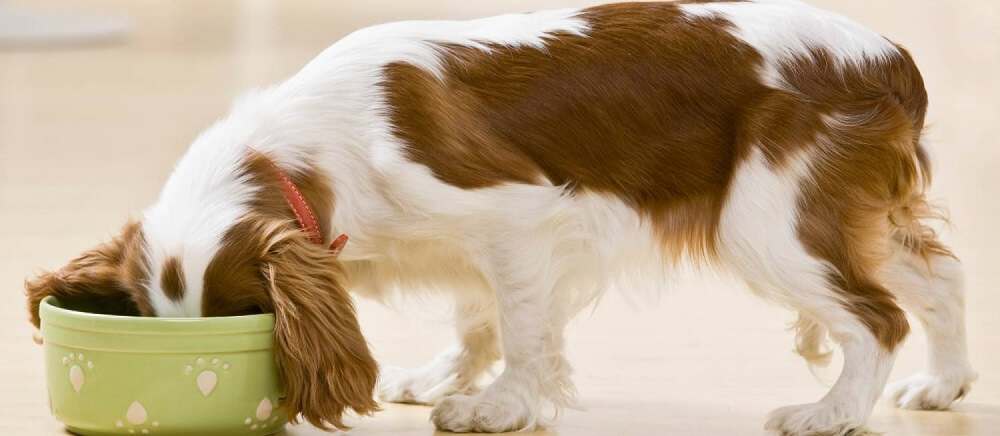
Portion feeding is the most reliable: measure a set amount, serve it once or twice a day, and remove what’s left. Best for overweight dogs, fast eaters, or any dog on a specific diet. You stay in full control of caloric intake.
Timed feeding is similar — offer the bowl for 30 minutes, then remove it until the next scheduled meal. Works well for slow eaters and establishes a clear routine, which dogs thrive on.
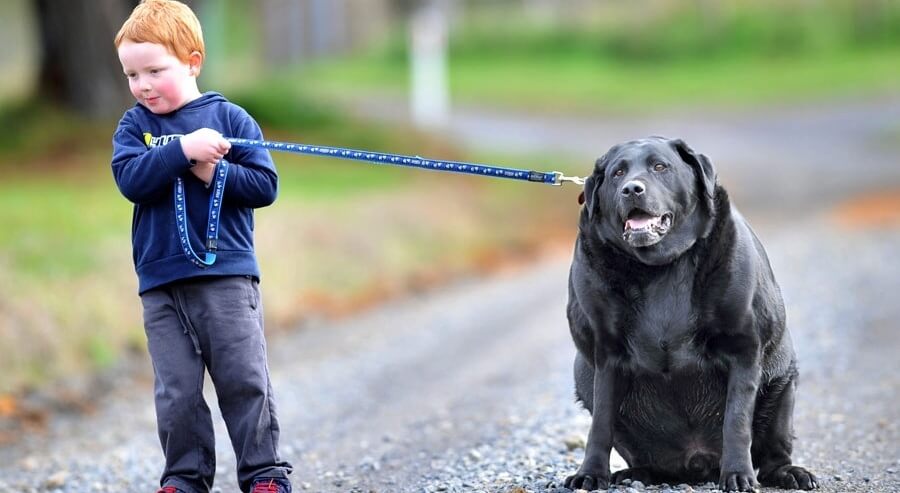
Free feeding (always-full bowl) only works for dogs with genuine self-control — which is not most dogs, and definitely not most Labradors or Beagles. If you go this route, use dry food only. The main risk is obesity, which leads to joint problems and a shorter lifespan.
How Activity Level Affects Portions
A dog’s caloric needs shift with activity, season, and health status:
- Cold weather: increase portions 10–20% for outdoor dogs — they burn more calories to stay warm
- Moderately active working dogs (shepherd dogs, guide dogs): up to 40% more than a typical house dog
- High-load service dogs (police, search and rescue): 50–70% more
- After illness or surgery: caloric needs often rise during recovery, then drop during rest — follow vet guidance
A practical rule: if your dog finishes every meal instantly and looks for more, try slightly increasing the portion. If food is consistently left behind, reduce it. Weight and energy level are your best feedback.
What Changes as Your Dog Ages
Puppies need calorie-dense, protein-rich food — they’re building muscle and bone while their organs are still developing. Adult dogs need a balanced maintenance diet calibrated to their size and lifestyle. Senior dogs (7+) experience real metabolic changes: digestion slows, muscle mass decreases, and some nutrients become less efficiently absorbed.
For older dogs, consider:
- Smaller, more frequent meals
- Higher-protein food to maintain muscle
- Reduced fat if activity has dropped
- Omega-3 supplements for joint support — especially in large breeds
A dog that has been fine on the same diet for five years may genuinely need adjustments at seven. Annual bloodwork is worth the cost.
Practical Rules for Any Feeding Schedule
- Fresh water at all times — especially critical with dry food.
- No food right before or after exercise. Large breeds are at risk for bloat (GDV) on a full stomach.
- No table scraps. Human food is often too salty, too fatty, or toxic (onions, grapes, xylitol).
- Adjust seasonally. Active outdoor dogs need more in winter, less in summer.
- Stick to the schedule. Consistent meal times reduce anxiety, improve digestion, and make house training easier.
A good feeding schedule won’t replace a good diet — but it makes a good diet work better.