

Small lap dog breeds have one job: be your devoted, ever-present companion. They don’t guard livestock or pull sleds — but they’ll claim your lap the second you sit down, sound the alarm before the doorbell rings, and somehow pack more personality into 10 pounds than most dogs manage at 60.
Here are 12 of the best small lap dog breeds, with everything you need to know before choosing one.
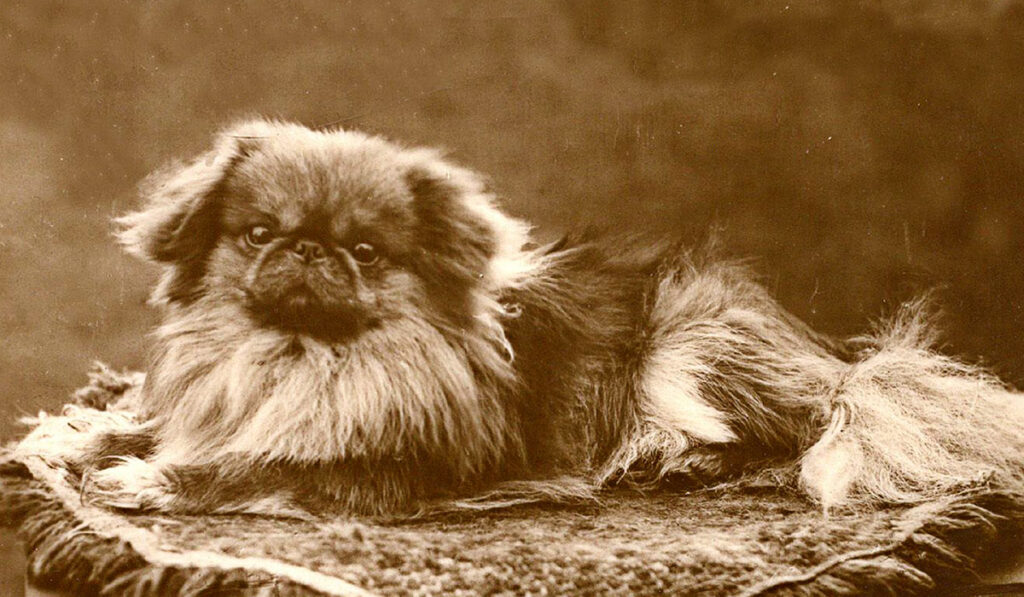
Some of these breeds have royal roots — only emperors could own a Pekingese in ancient China. Others were bred purely for companionship. What they share: big personalities in a small frame, strong attachment to their owners, and a talent for making themselves the center of attention without trying.
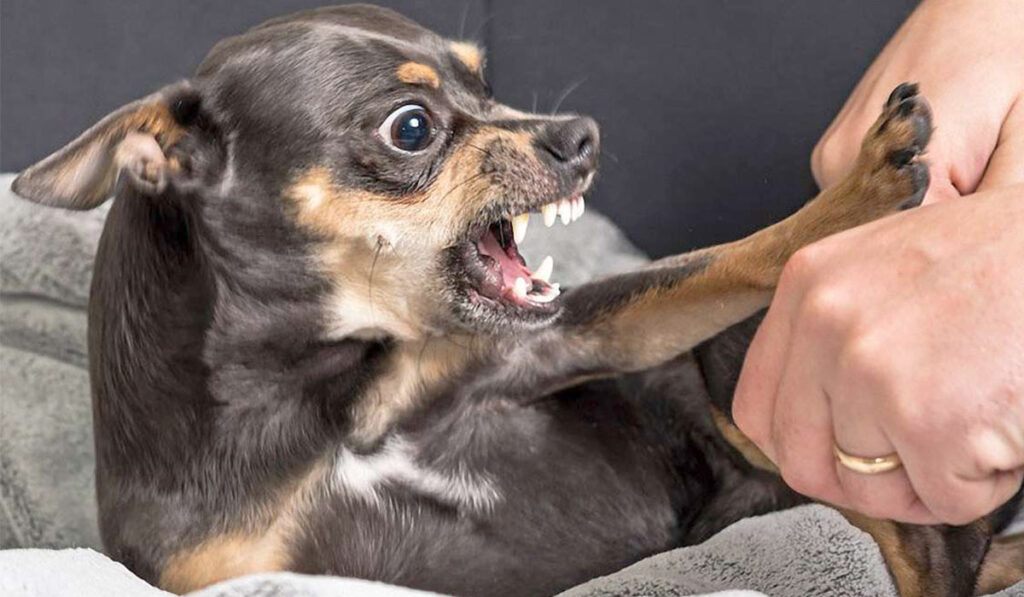
And don’t underestimate the attitude. Many small lap dogs are genuinely fearless — some people who’d walk past a German Shepherd will cross the street to avoid an angry Chihuahua.
American Hairless Terrier
Size: 12–16 lbs | Lifespan: 14–16 years
The American Hairless Terrier started as a genetic accident — a hairless puppy born in a litter of Rat Terriers in Louisiana in 1972. Once breeders saw what they had, they built a line around it. Today’s AHT is a loyal, curious, and highly entertaining companion that never lost its terrier instincts.
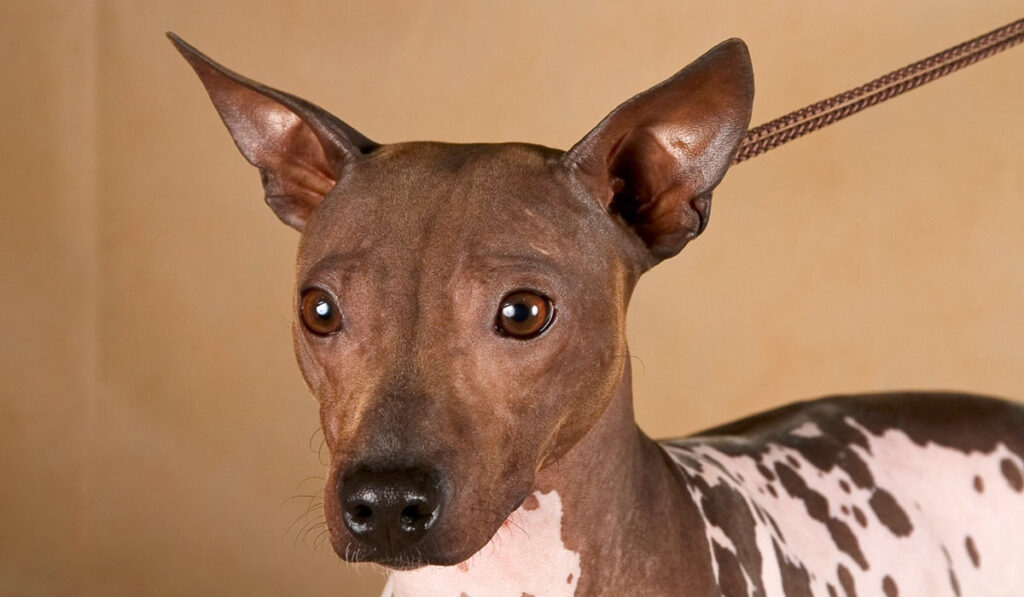
On walks, you’ll need to stay alert — digging holes and chasing cats are hardwired behaviors. But indoors, these dogs are sociable, playful, and surprisingly smart. They’ll collect random objects, copy what other pets do, and greet every stranger like a potential new best friend.
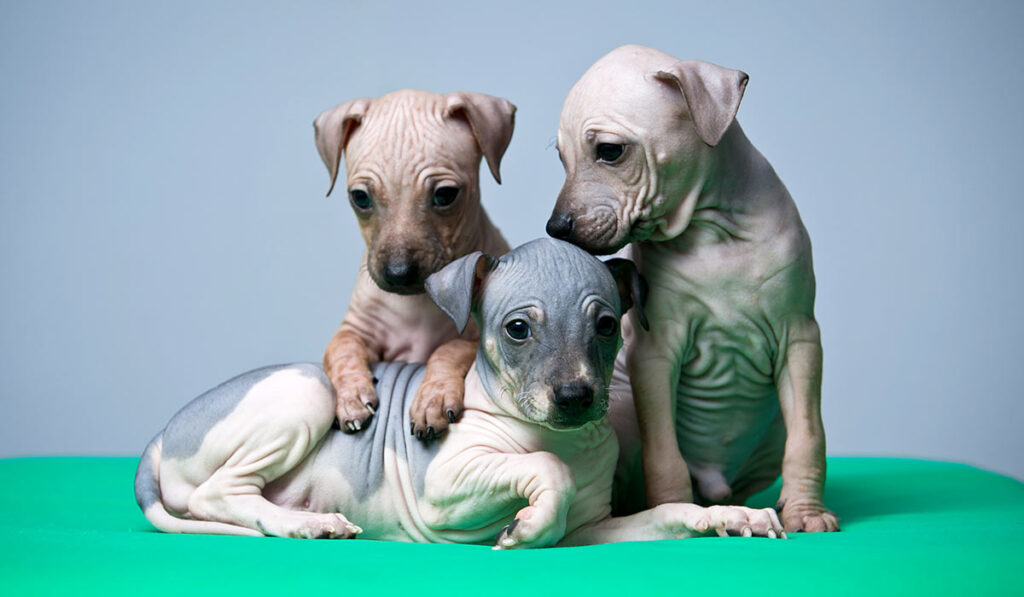
They’re gentle with children and generally fine around large dogs. The bare skin needs a little maintenance: sunscreen in summer, a warm jacket in winter. Most owners find it a small trade-off for an outsized personality.
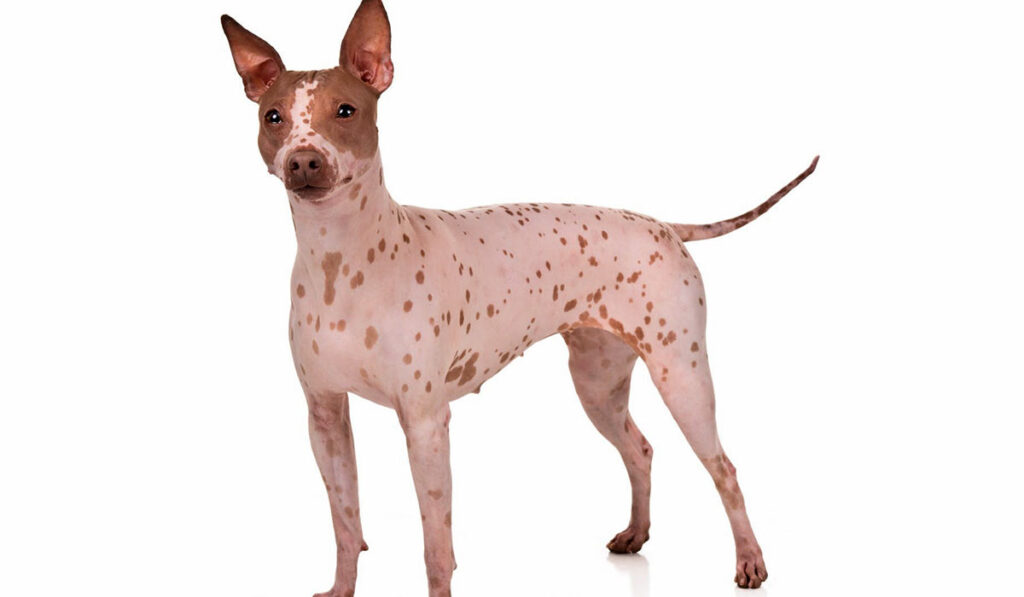
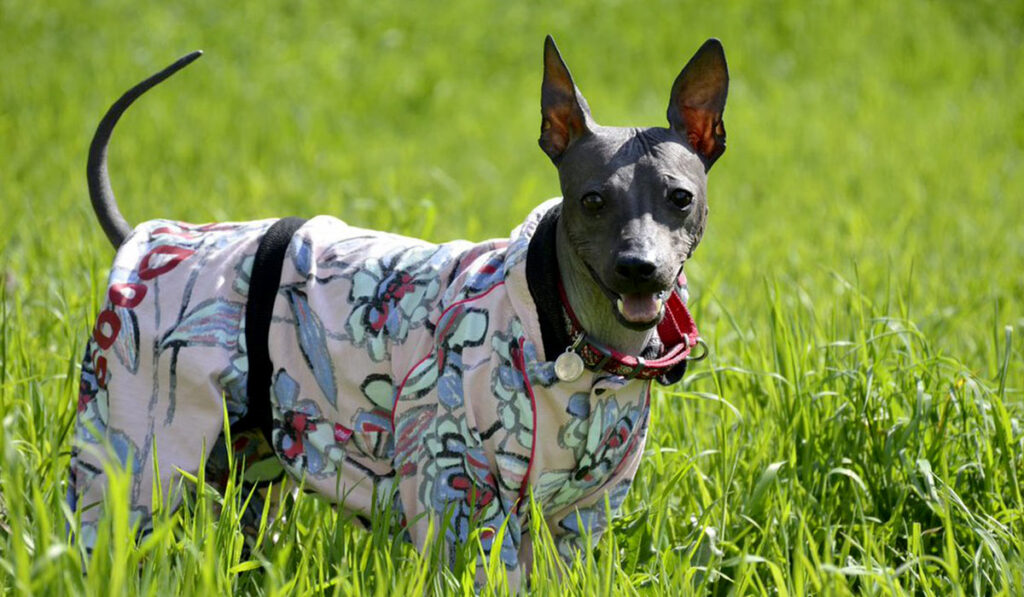
Video: American Hairless Terrier
Belgian (Brussels) Griffon
Size: 8–10 lbs | Lifespan: 12–15 years
The first time you see a Brussels Griffon, you’ll do a double take. That expressive, almost-human face is hard to ignore. What makes this breed remarkable isn’t the look — it’s the emotional intelligence. A Griffon reads the room. If you’re tired, it won’t pester you. If you’re down, it’ll quietly settle beside you and stay.

Worth knowing: Griffons genuinely struggle with alone time. Leaving one for long stretches isn’t just inconvenient — it’s stressful for the dog. Plan your days accordingly. That said, they’re easy-going with other people and pets, and won’t back down from a confrontation on a walk even if the other dog is twice their size.
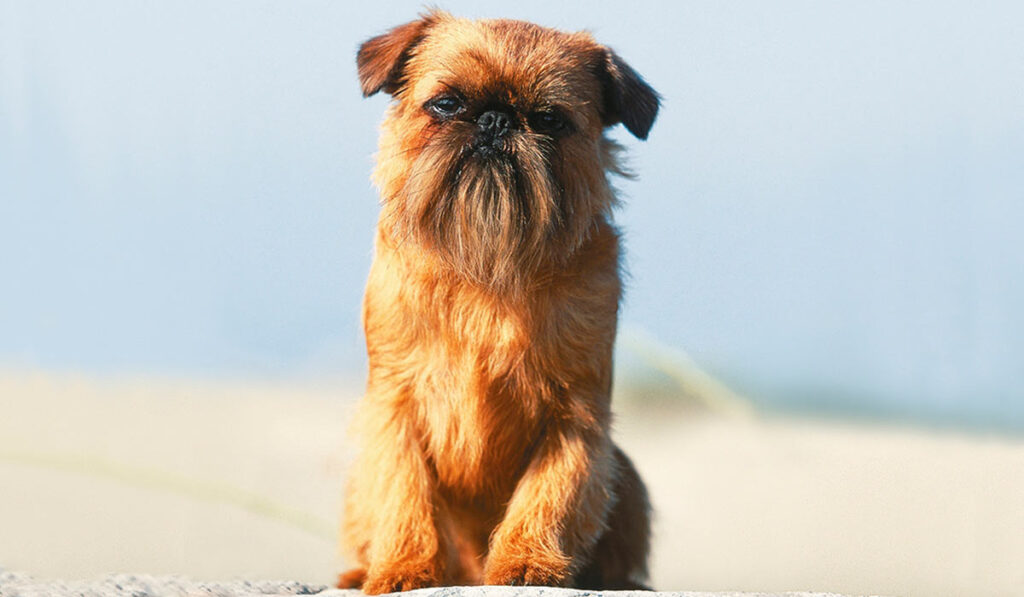
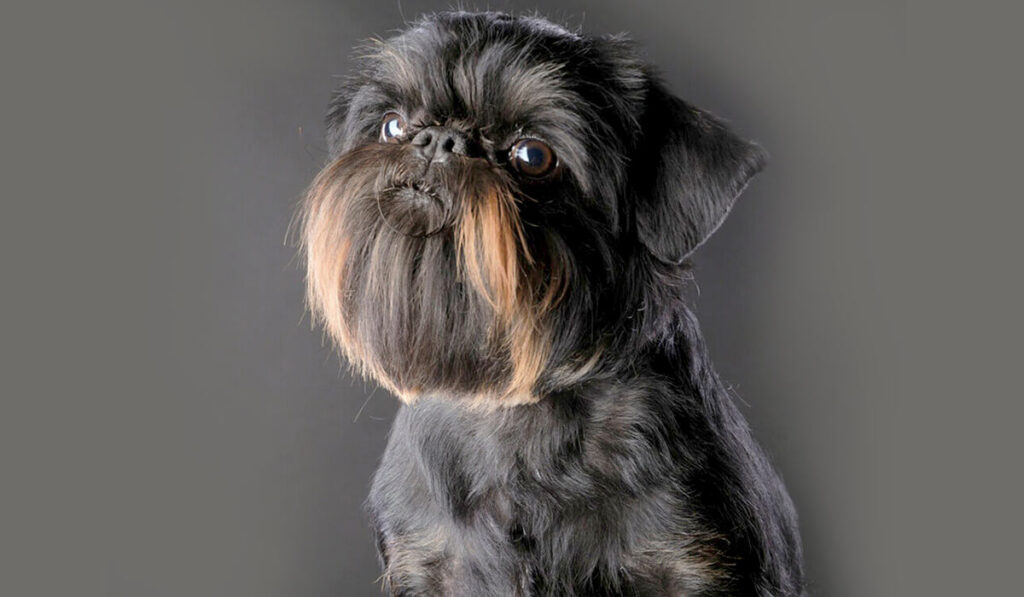
Grooming is manageable — shedding only happens after a trim. Off-leash walks are generally fine since they’re not big runners. Start training early: young Griffons test limits and can nip, but they respond well to calm, consistent guidance.
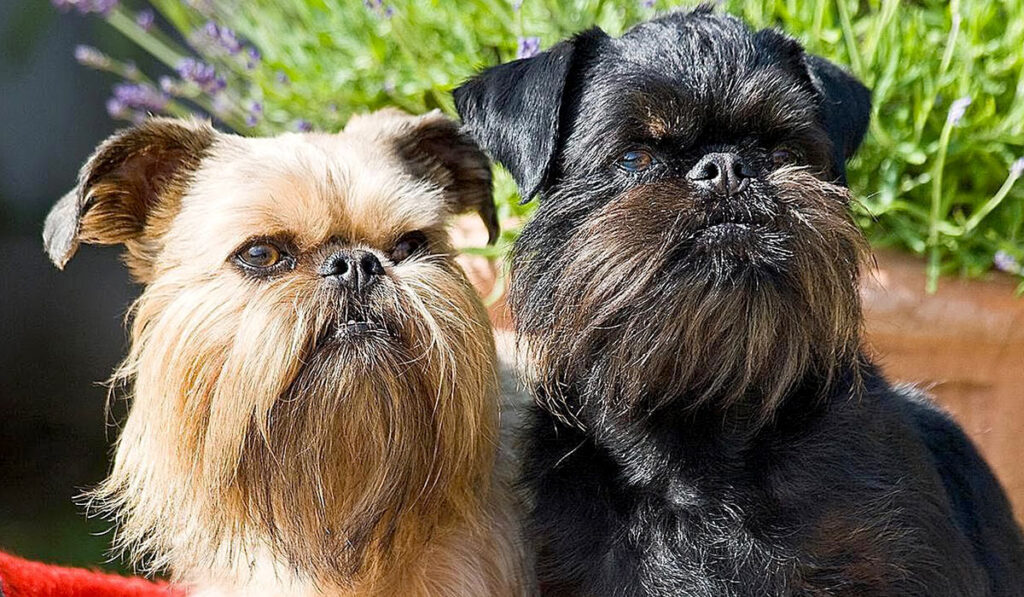
Video: Brussels Griffon
Bichon Frise
Size: 12–18 lbs | Lifespan: 14–15 years
Think of the Bichon Frise as a fluffy antidepressant on four legs. Cheerful, sociable, and relentlessly energetic, it gets along with everyone in the household and will alert you to visitors with an enthusiastic bark — then immediately try to befriend them.
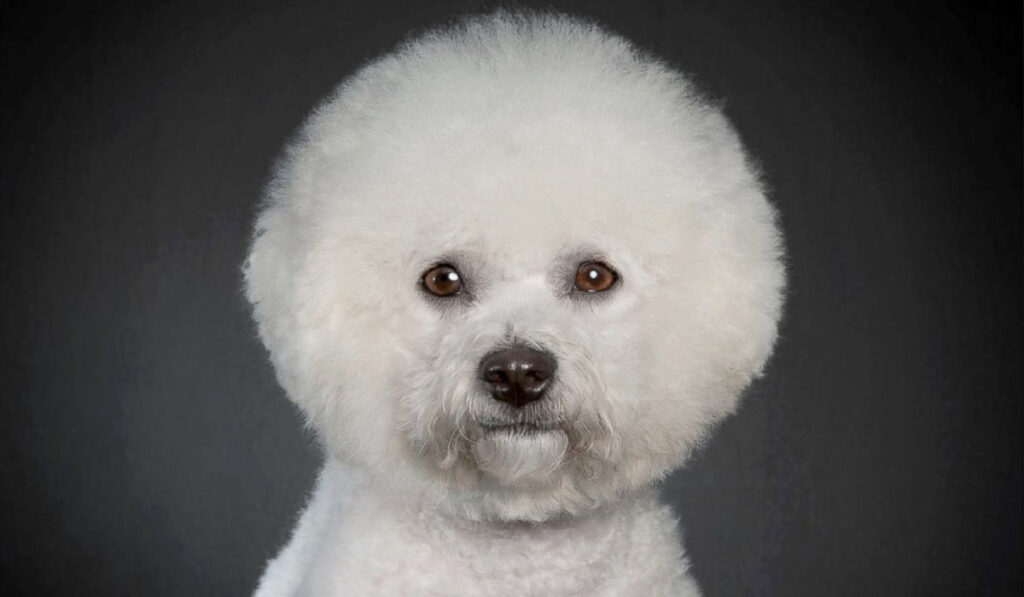
The hypoallergenic coat is a genuine selling point for allergy-prone owners — that snow-white fluff is less likely to trigger reactions than most dog fur. The downside: the Bichon strongly dislikes being left alone, so if you’re out for long stretches most days, factor that in.

Here’s the thing: despite the delicate appearance, the Bichon is not a fragile dog. Overly sheltering it backfires — dogs that never learn to handle mild stress on their own tend to become anxious and overly dependent. Give it room to figure things out.
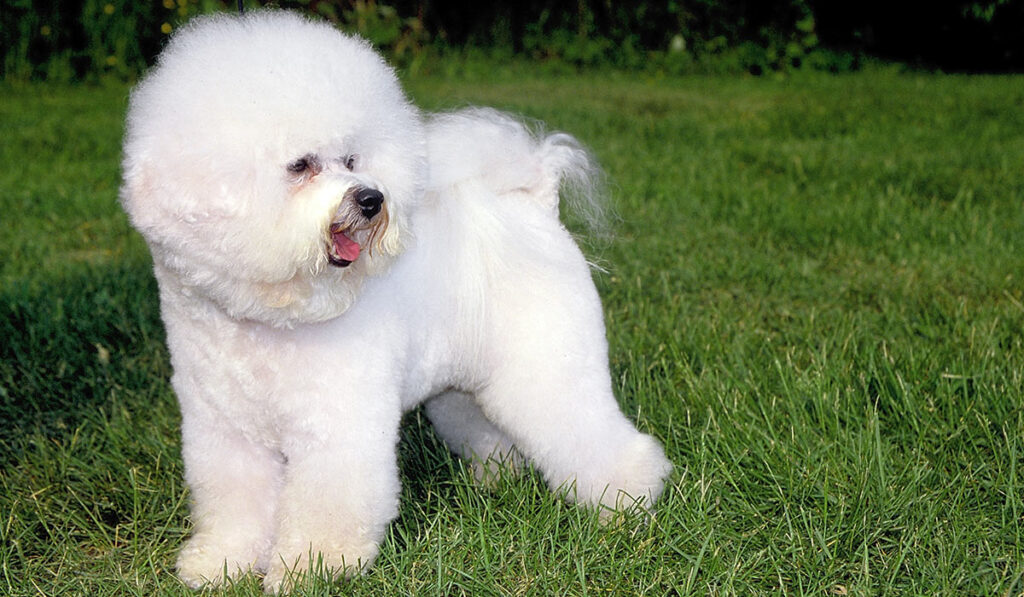
Training takes patience — the Bichon has a stubborn streak — but these dogs are capable learners when motivated. Circus Bichons aren’t a myth; they’re proof the breed can focus when it wants to.
Video: Bichon Frise
Boston Terrier
Size: 12–25 lbs | Lifespan: 11–13 years
Boston Terriers carry a bit of English Bulldog in their DNA, which explains the flat face, the round expressive eyes, and the tuxedo coat that makes them look permanently dressed for an occasion. They were one of the first breeds developed in the United States and have been a fixture in American homes ever since.
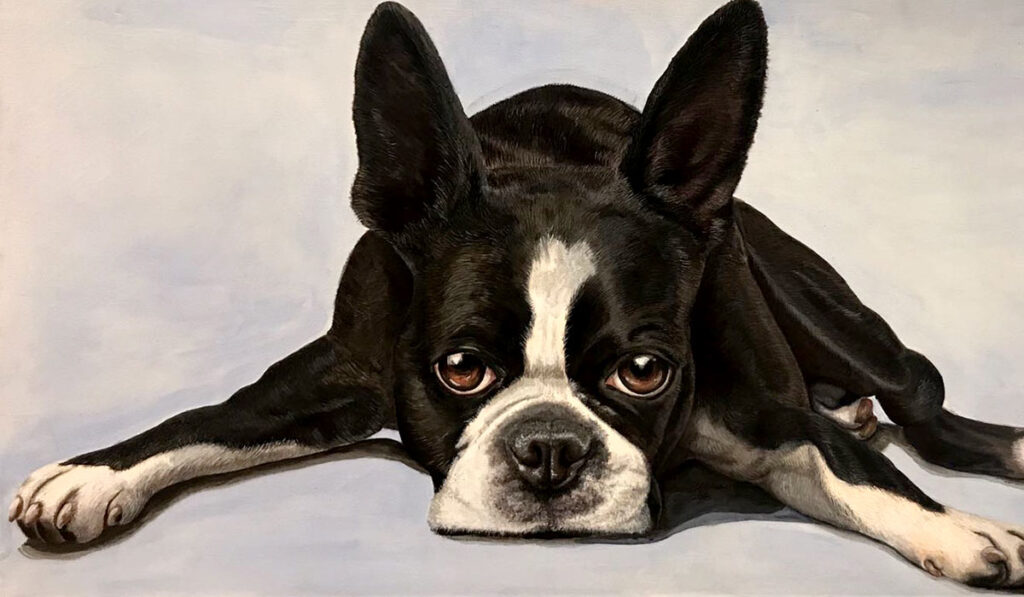
They’re lively and affectionate with family, politely suspicious of strangers, but not aggressive without reason. Unlike many small breeds, Bostons handle alone time reasonably well — a solid walk before you leave, and they’ll sleep through most of your absence.
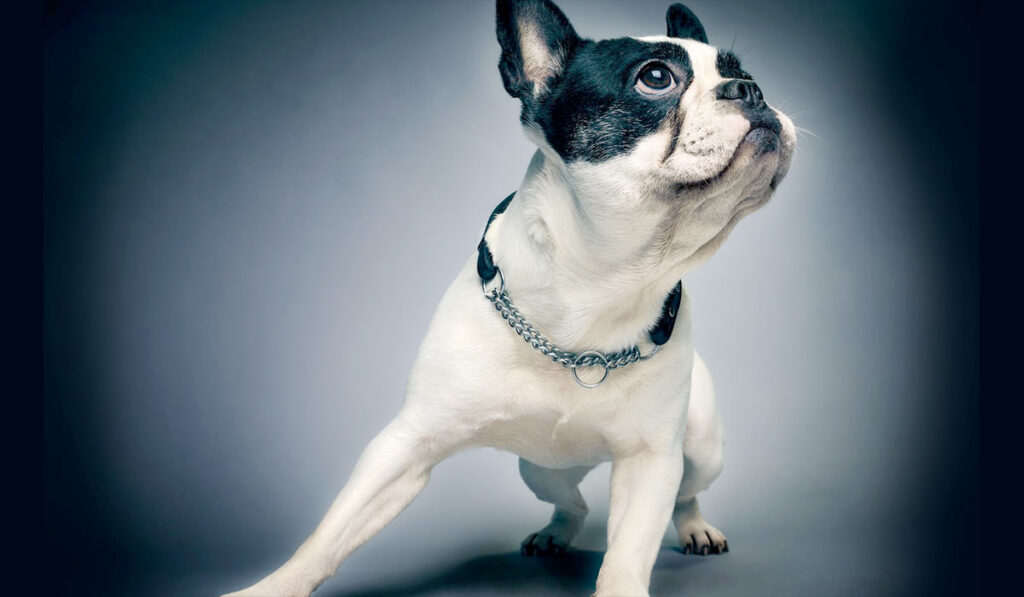
If you travel frequently or work long hours, getting two Bostons is a practical move — they keep each other company naturally and reduce separation anxiety for both dogs.
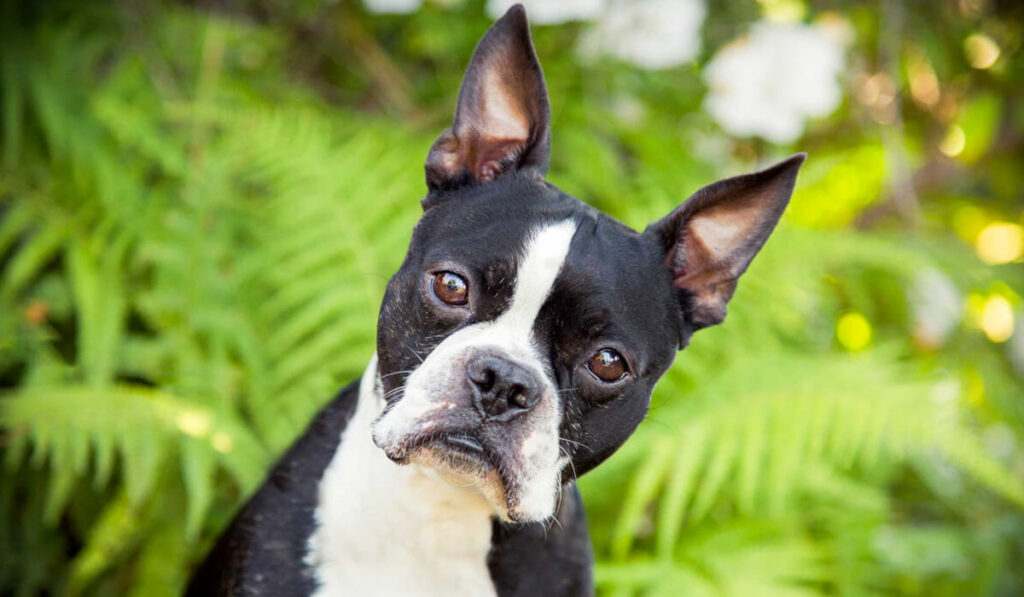
Expect snoring, snorting, and the occasional dramatic sigh. Their flat-faced anatomy makes these sounds unavoidable. But their expressions are so readable that you’ll always know exactly what they think.
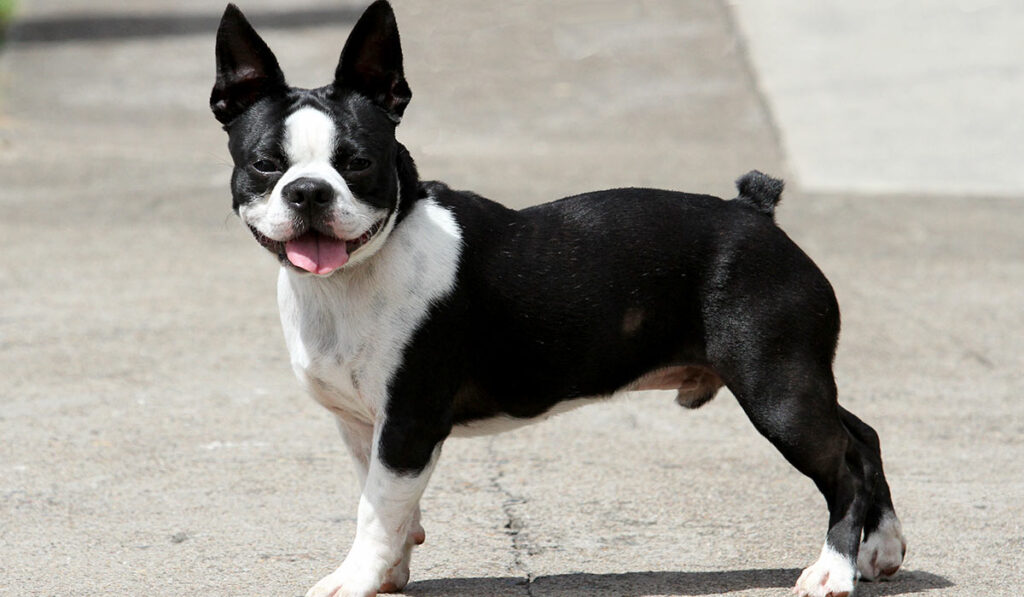
One thing worth training early: don’t take food from strangers. Bostons are trusting to a fault and can easily be lured by anyone with a treat.
Video: Boston Terrier
Yorkshire Terrier
Size: 7 lbs and under | Lifespan: 11–15 years
The Yorkshire Terrier is one of the most popular small dog breeds in the world, and anyone who’s owned one knows why. That bristly little face tells you immediately who runs the household. Spoiler: it’s not you.
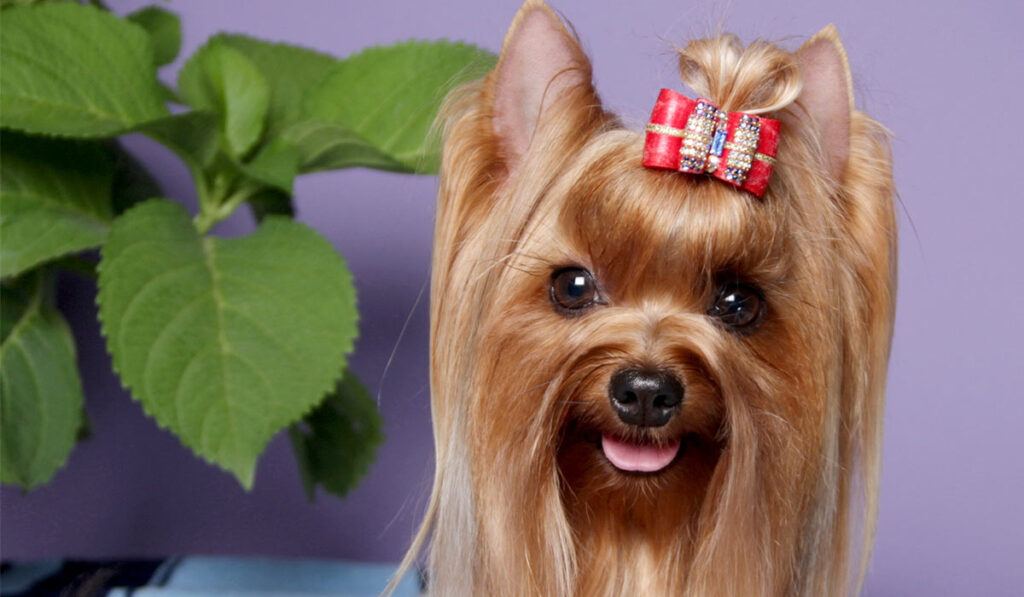
Yorkies are brave in a way that’s wildly out of proportion to their size. They’ll protect you from real and imaginary threats, bark at skateboards, and somehow charm strangers into thinking they’re harmless. How well they actually get along with new people depends almost entirely on early socialization — puppyhood matters a lot with this breed.
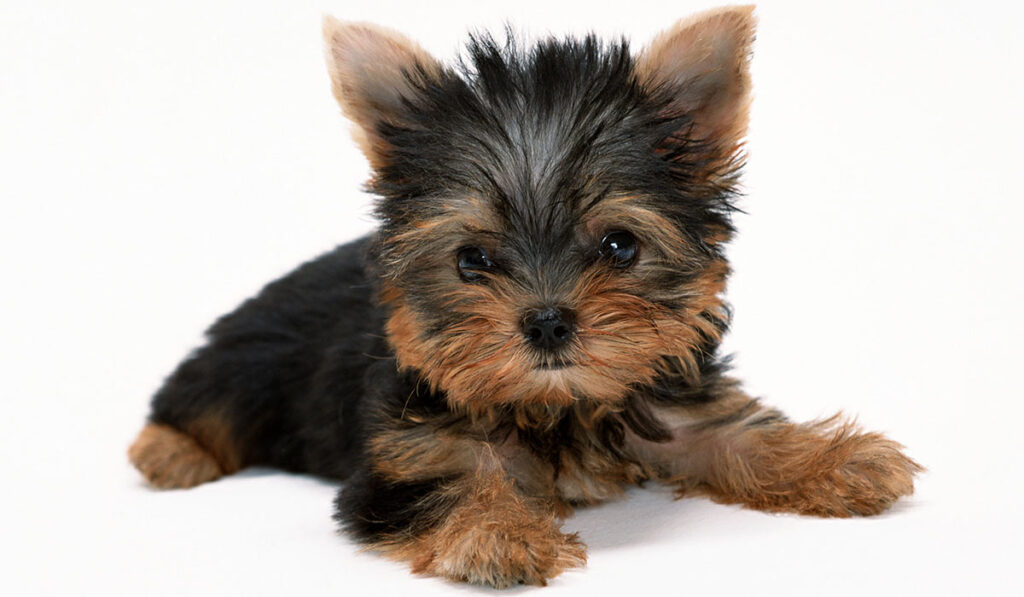
On walks, a Yorkie is an explorer — confident and fearless as long as you’re in sight. The moment you step behind a tree, the whole operation falls apart. They need to know where you are at all times.
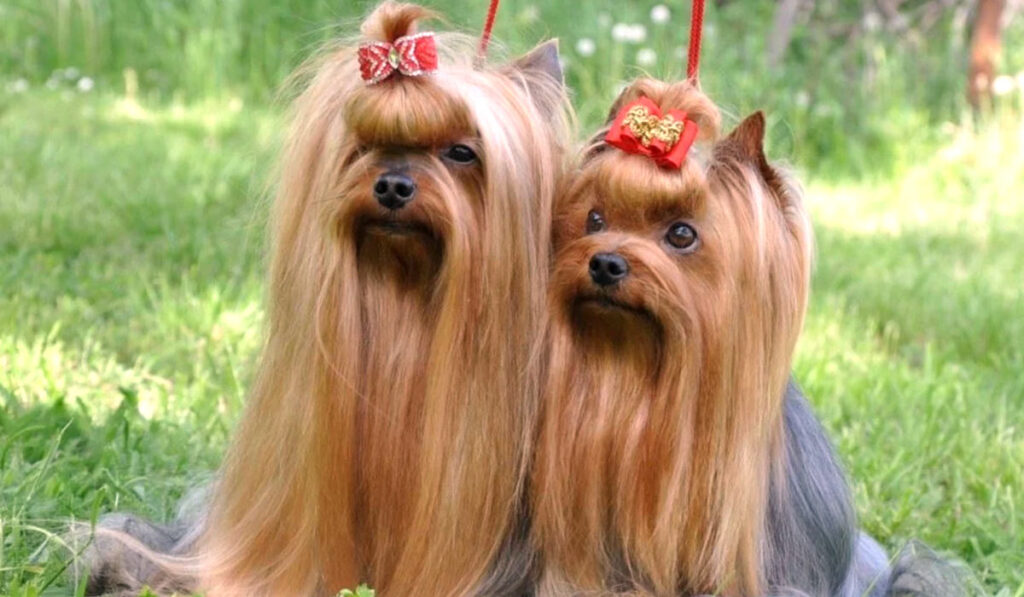
Training works, but the attention span is… selective. Keep sessions short, reward-focused, and end before they lose interest.
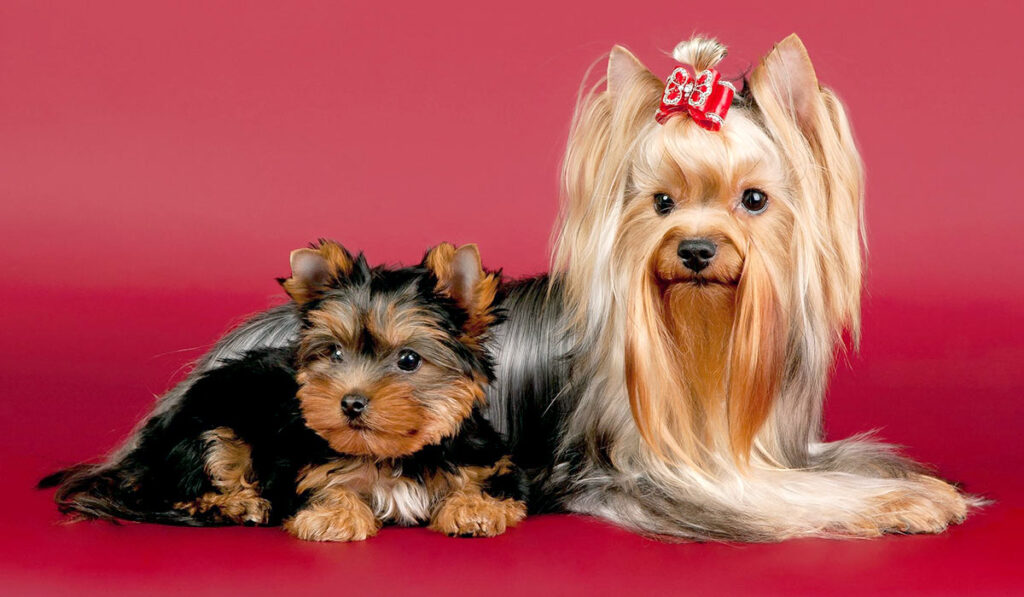
The coat needs regular brushing, washing, and trimming. Day-to-day grooming is easy to learn at home — show cuts require a professional.
Video: Yorkshire Terrier
Chinese Crested Dog
Size: 8–12 lbs | Lifespan: 13–15 years
The Chinese Crested is unlike anything else on this list — visually striking, intensely bonded to its owner, and completely unbothered by what anyone else thinks about it.
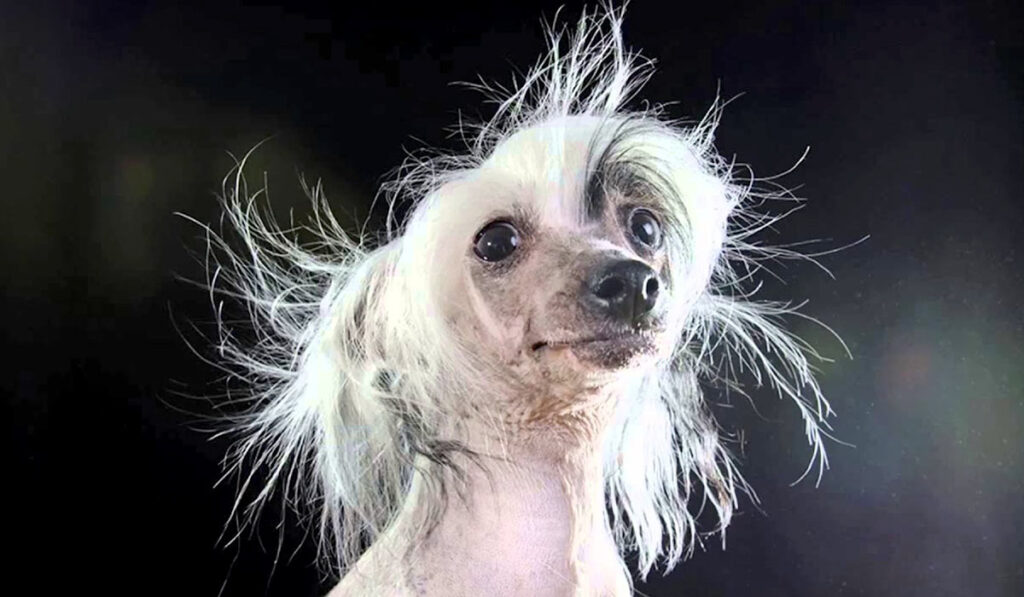
This is not a breed for people who value personal space. Your Crested will follow you room to room, settle on your lap, lean against your leg, and treat you as the center of its universe. If that level of devotion sounds exhausting rather than endearing, a different breed will suit you better.
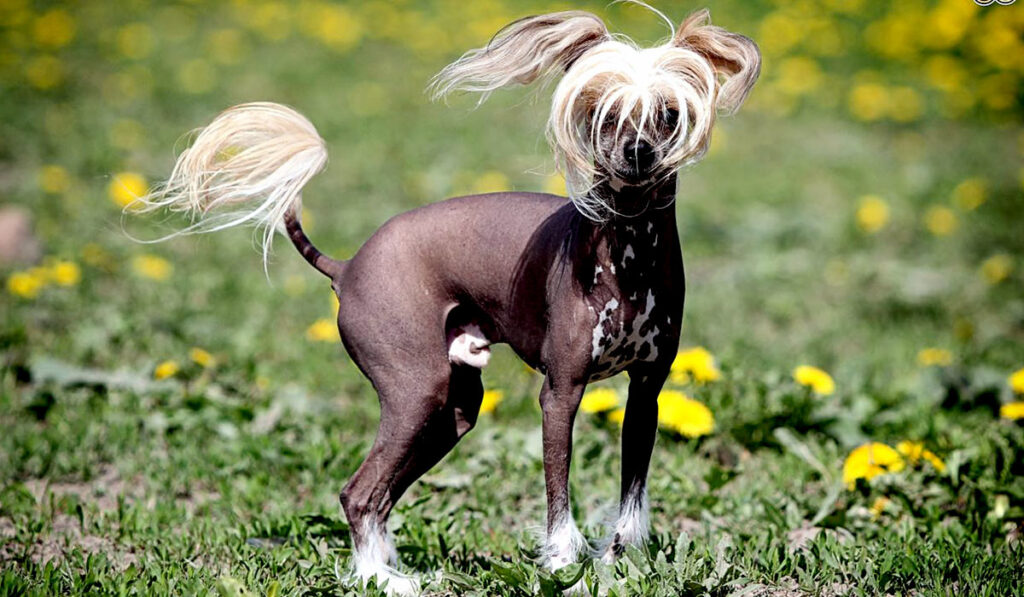
They struggle with alone time and can be vocal about it — your neighbors will notice. Start gradual separation training early, and it makes a significant difference.
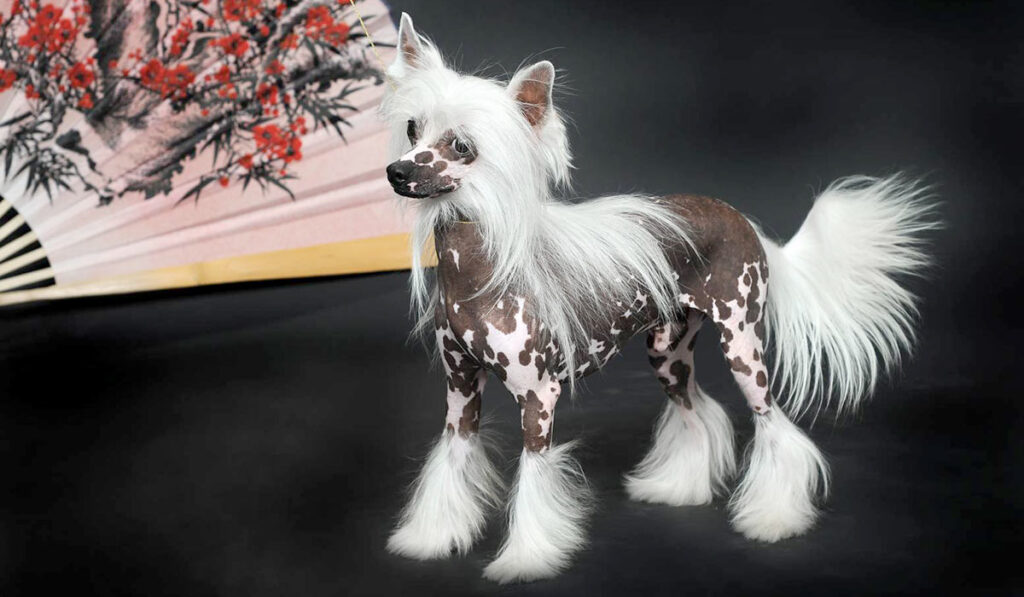
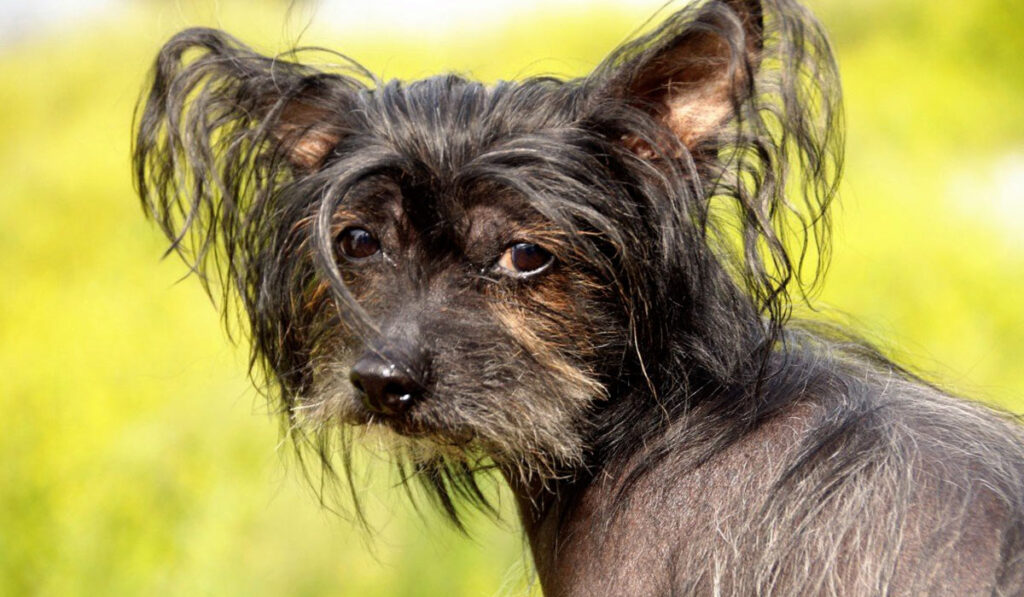
There are two varieties: Hairless (with fur on head, paws, and tail only) and Powderpuff (fine silky coat all over). Same personality, very different look — both require winter clothing in cold climates.
Video: Chinese Crested Dog
Maltese
Size: Under 7 lbs | Lifespan: 12–15 years
The Maltese has a very clear opinion about attention: all of it should be directed at them. Show affection to another animal while a Maltese is watching, and you’ll hear about it immediately.
This makes them a poor fit for homes with other pets or very young children — not because they’re dangerous, but because the jealousy is constant. For a single person or couple, though, a Maltese is deeply loving, entertaining, and endlessly loyal.
Left alone too long, stress tends to express itself as redecorating your apartment. Bring them with you when you can.

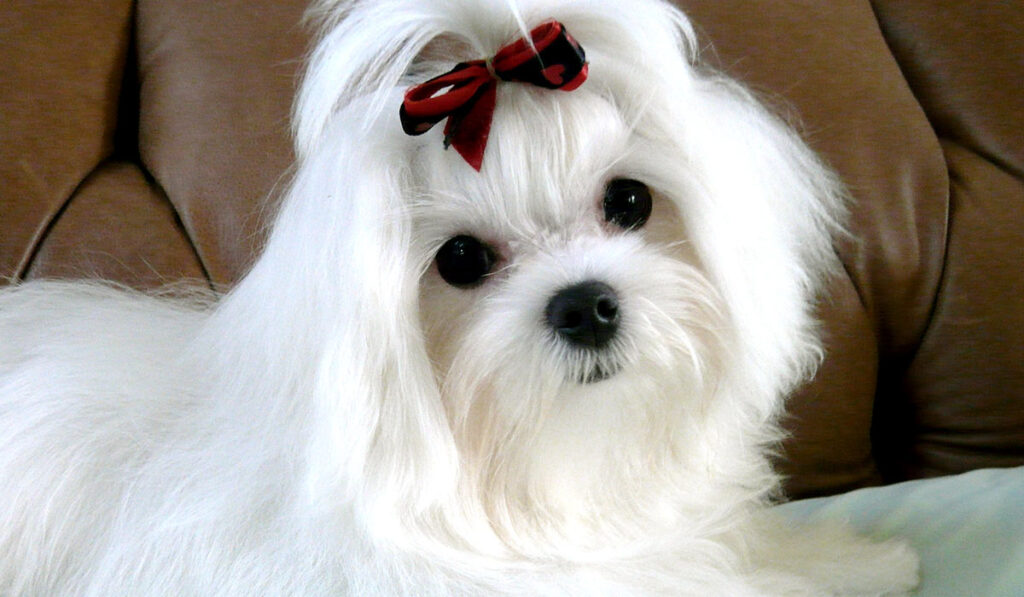
The silky white coat needs daily brushing to prevent tangles. Training requires consistency — they’re smart but strong-willed and will use every charm they have to avoid something they don’t want to do.
Video: Maltese
Pug
Size: 14–18 lbs | Lifespan: 13–15 years
Pugs are classic lap dogs with an easy-going temperament that makes them one of the most adaptable small breeds around. If you travel frequently or have a rotating cast of house-sitters, a pug will charm every single one of them with equal enthusiasm.
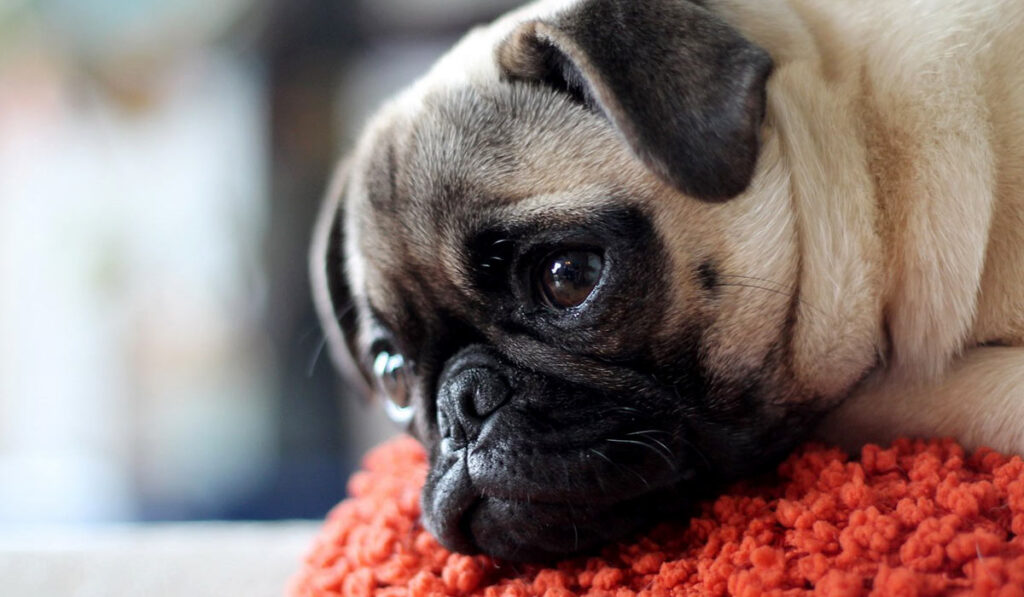
Young pugs are playful and energetic. Older ones essentially become decorative couch accessories, motivated off the cushion only by food, walks, and dramatic greetings when you come home. This is not a criticism — it’s part of the appeal.
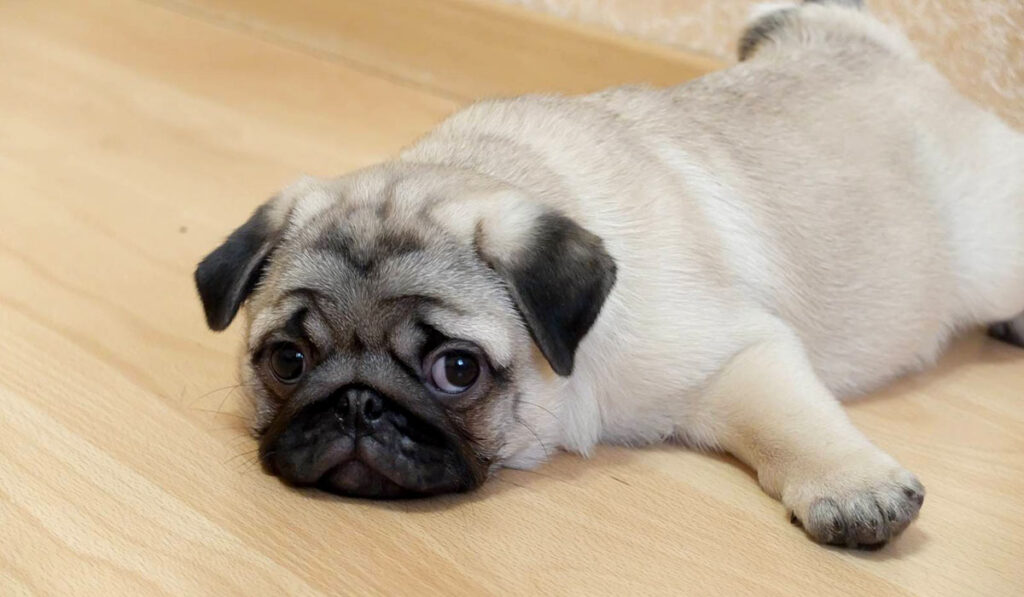
Snoring, snorting, and a range of other sounds come with the flat-faced anatomy. Non-negotiable. They’re not hysterical barkers, but they’ll speak up when it matters.
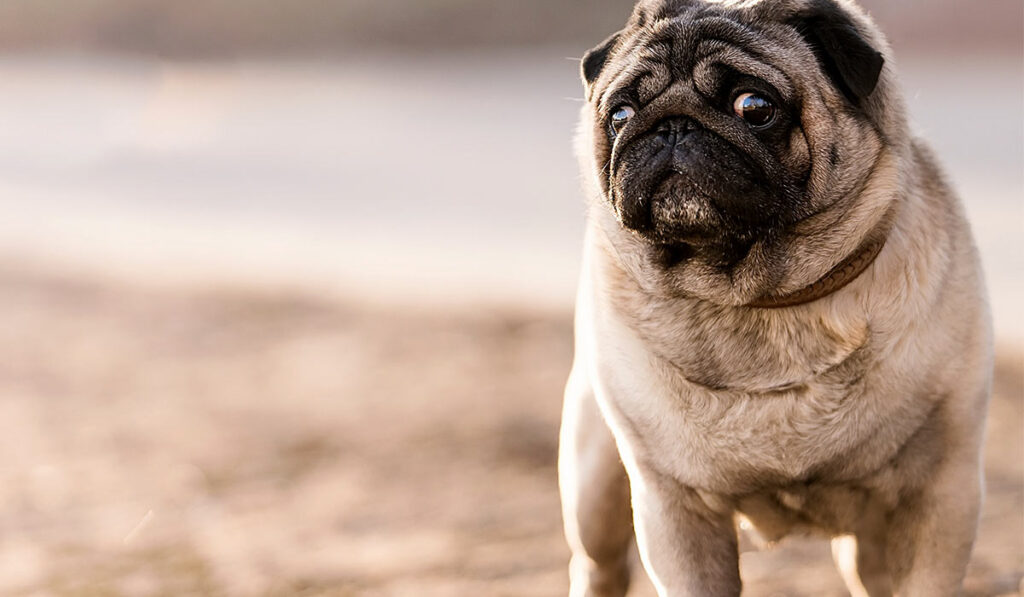
“Leave it” is essential training — pugs will eat anything they find on the street, no hesitation. They’re not built for intense exercise, so keep walks moderate and watch them closely in hot weather; their flat faces make heat management genuinely difficult.
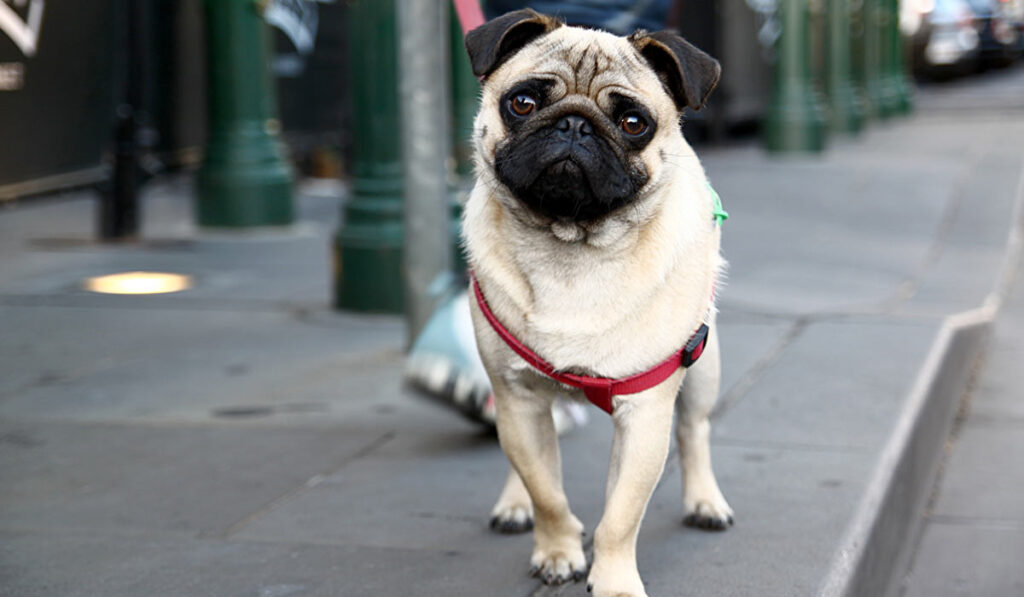
Video: Pug
Papillon
Size: 5–10 lbs | Lifespan: 14–16 years
The Papillon gets its name from the French word for butterfly — and one look at those large, wing-like ears explains it completely. (There’s also the Phalène variety, with drooping ears, though it’s less common in show circles.)
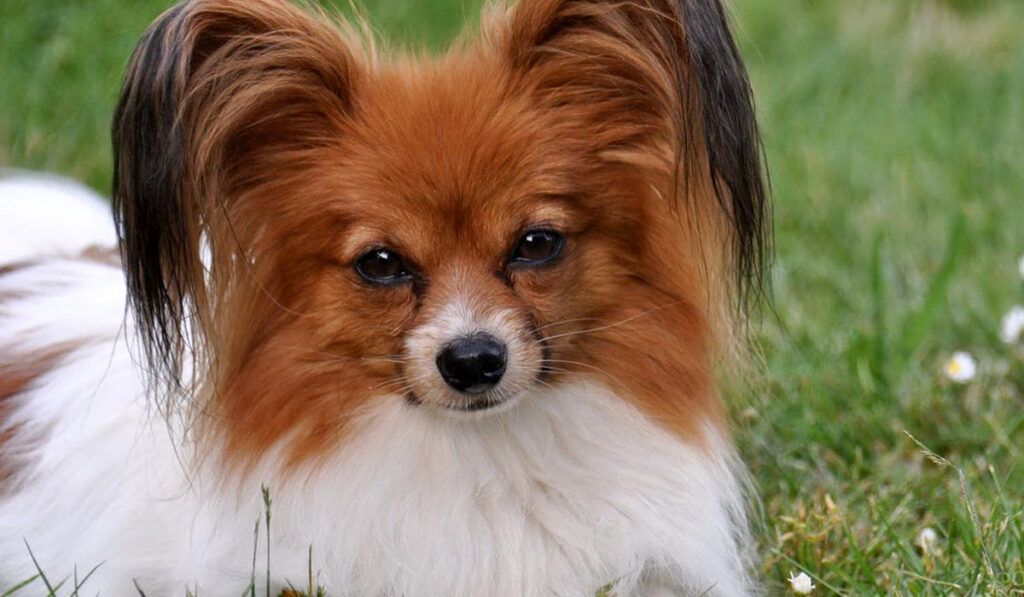
Papillons are ranked among the most intelligent small breeds in the world — and they’ll use that intelligence to their advantage if you’re not paying attention. These are genuinely happy dogs that spread good energy wherever they go.
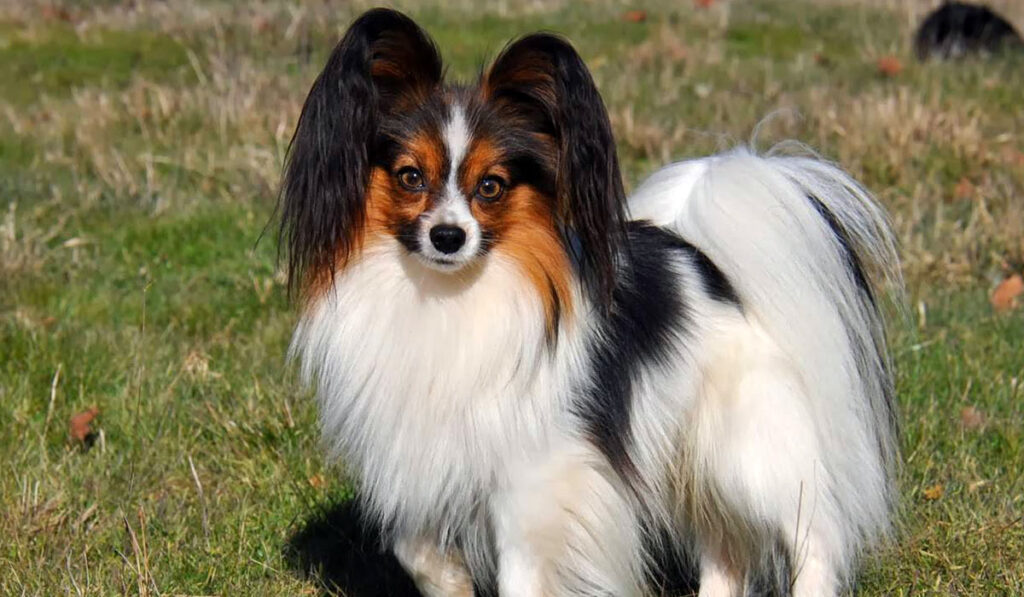
Handle them gently and consistently. Papillons don’t tolerate harsh treatment well — their behavior deteriorates when they feel unsafe, and they can become anxious and nippy. A well-handled Papillon is a genuinely joyful companion.
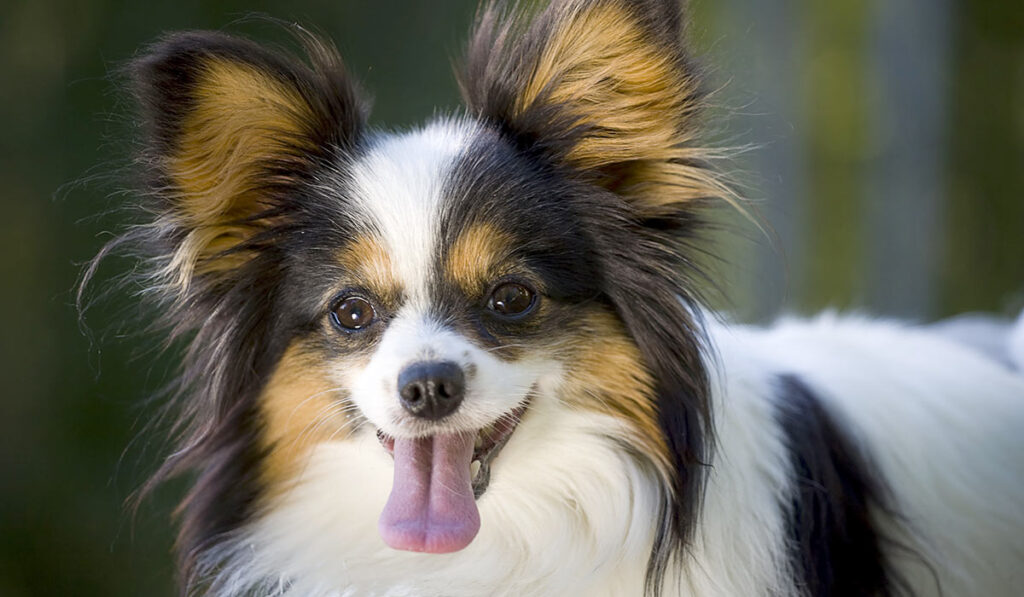
They handle alone time better than most lap dog breeds — you’re unlikely to come home to chaos. Adding a companion animal (even a cat) helps reduce stress further.
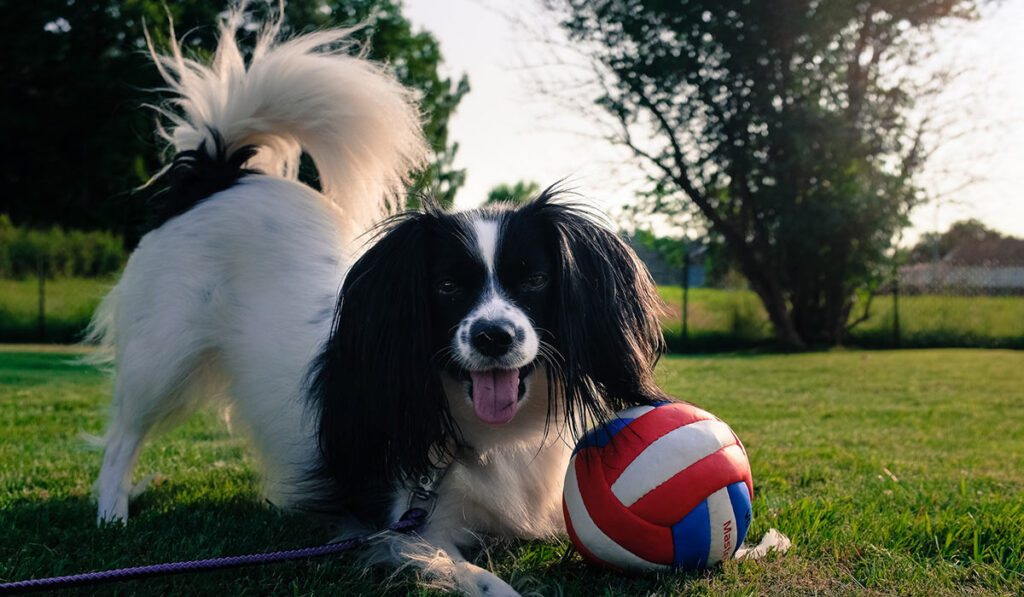
They need real exercise — daily walks and play sessions keep them balanced and out of trouble. Don’t let the small size fool you into under-exercising them.
Video: Papillon
Pekingese
Size: Up to 14 lbs | Lifespan: 12–15 years
The Pekingese has a lion’s mane, a monkey face, and the self-regard of an emperor. In ancient China, only royalty were permitted to own one — and this breed has absolutely never let that history go.
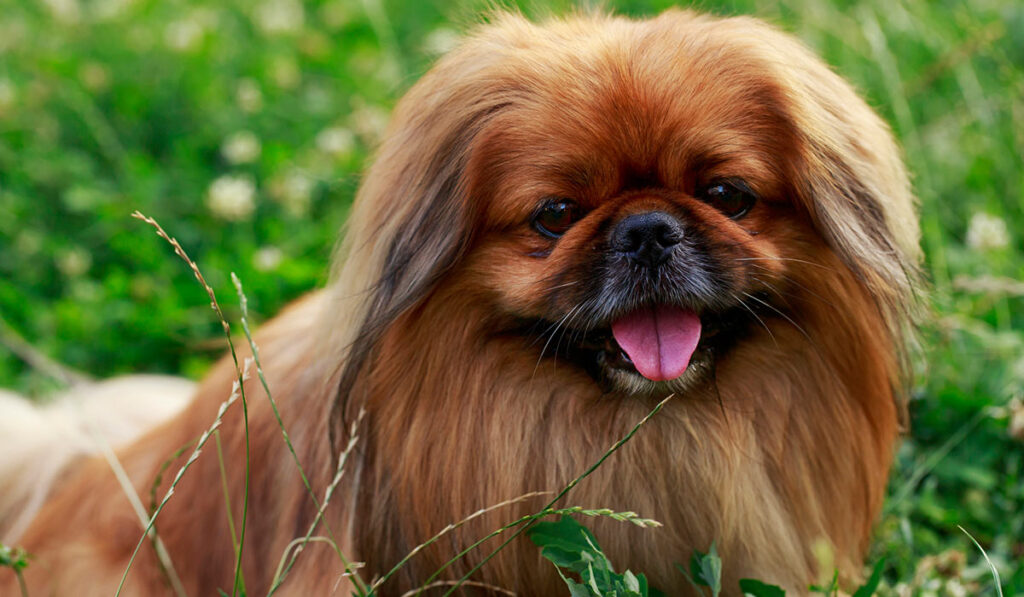
This is a breed for calm households. The Pekingese dislikes noise, rushing, and chaos. Children who don’t understand gentle handling will not be tolerated. In a quiet home, it’s a dignified, low-maintenance companion that shows affection entirely on its own terms — and that’s exactly how it prefers things.
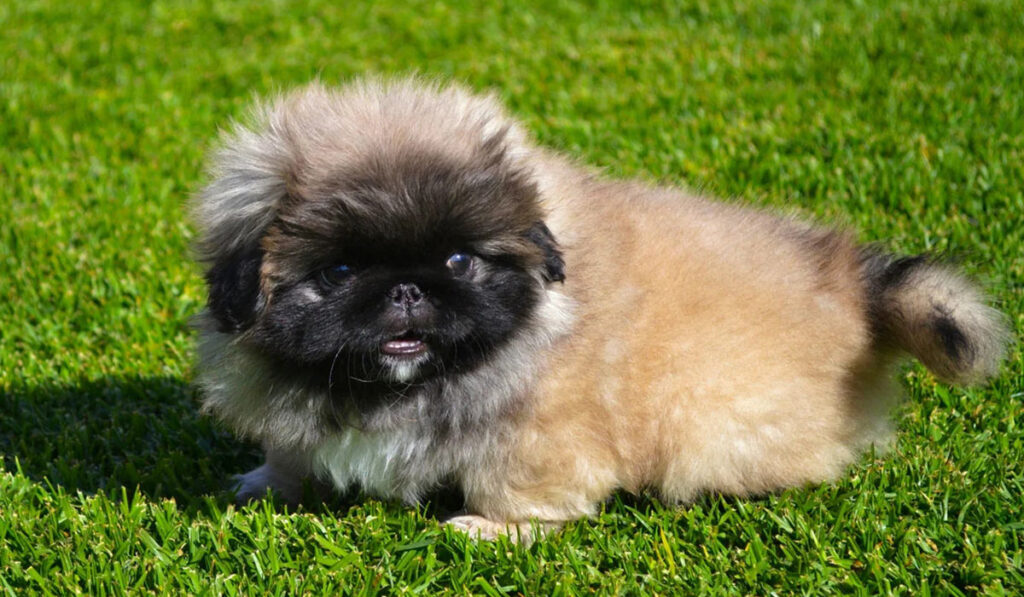
Don’t try to force interaction. The Pekingese decides when it wants company and when it wants to be left alone. Pressure or rough handling will earn you a permanent enemy — this breed has an excellent memory and no interest in forgiveness.
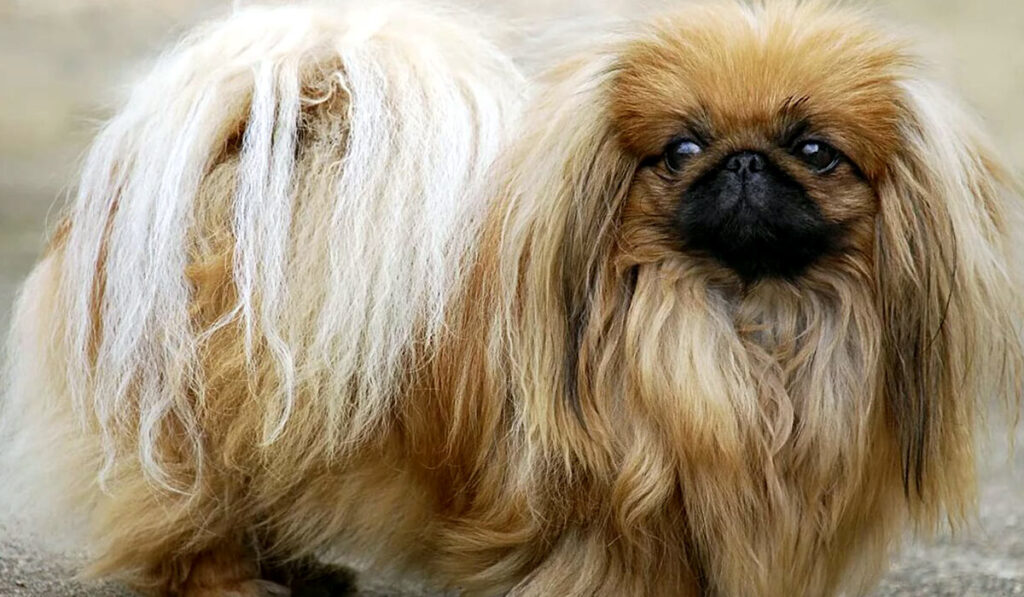
The upside: Pekingese don’t demand constant attention. They’re content to share your space without needing to be the center of it — a real rarity among lap dog breeds.
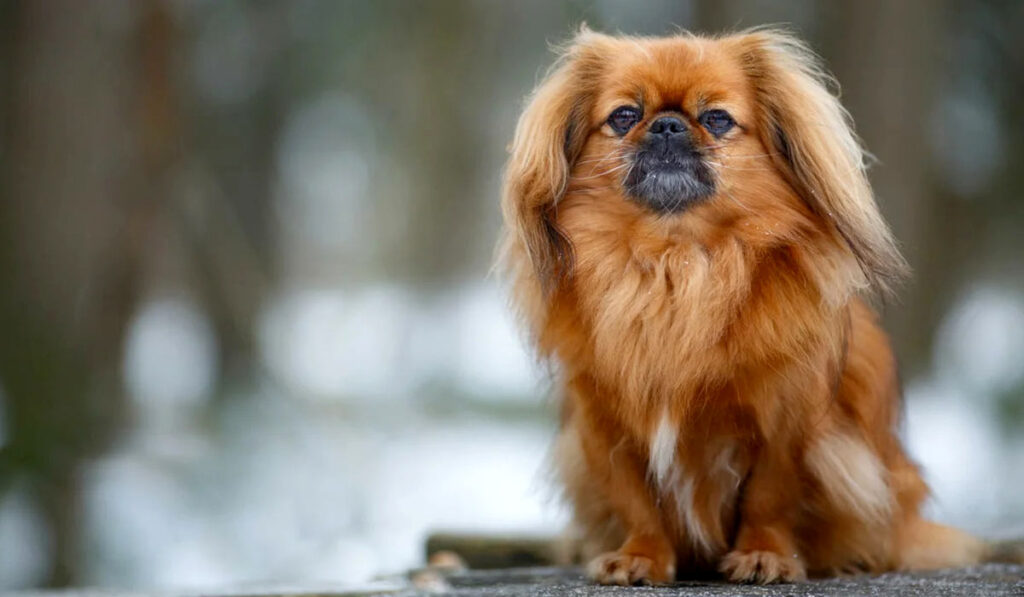
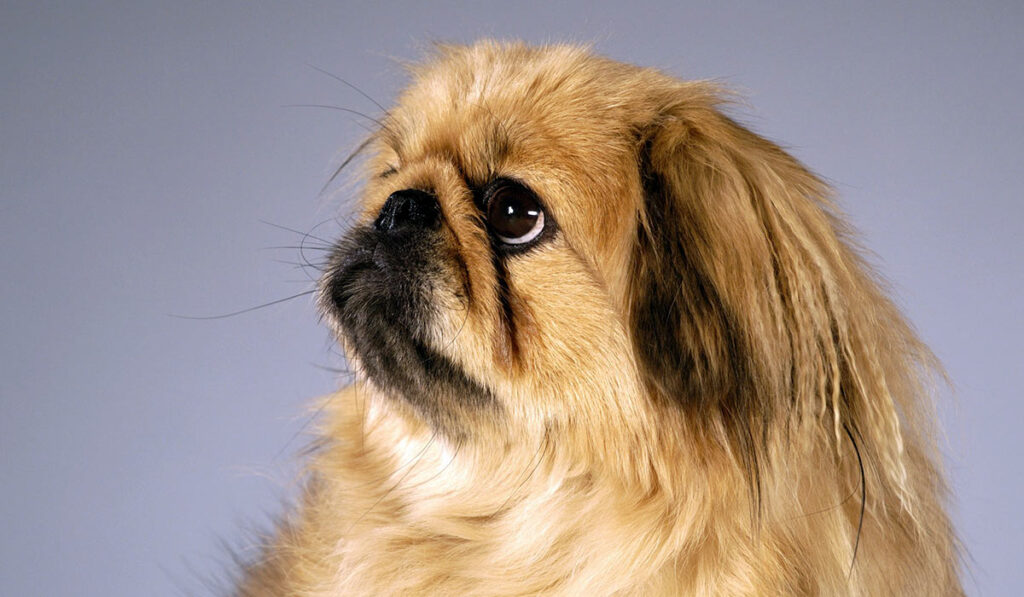
Other pets can coexist peacefully — as long as everyone understands who the senior resident is.
Video: Pekingese
Toy Terrier
Size: 3–6 lbs | Lifespan: 10–12 years
The Russian Toy Terrier was bred for the elite and has maintained that energy ever since. Devoted, alert, and fiercely loyal, it’ll sit in your lap contentedly and bark at anyone who looks at you the wrong way.
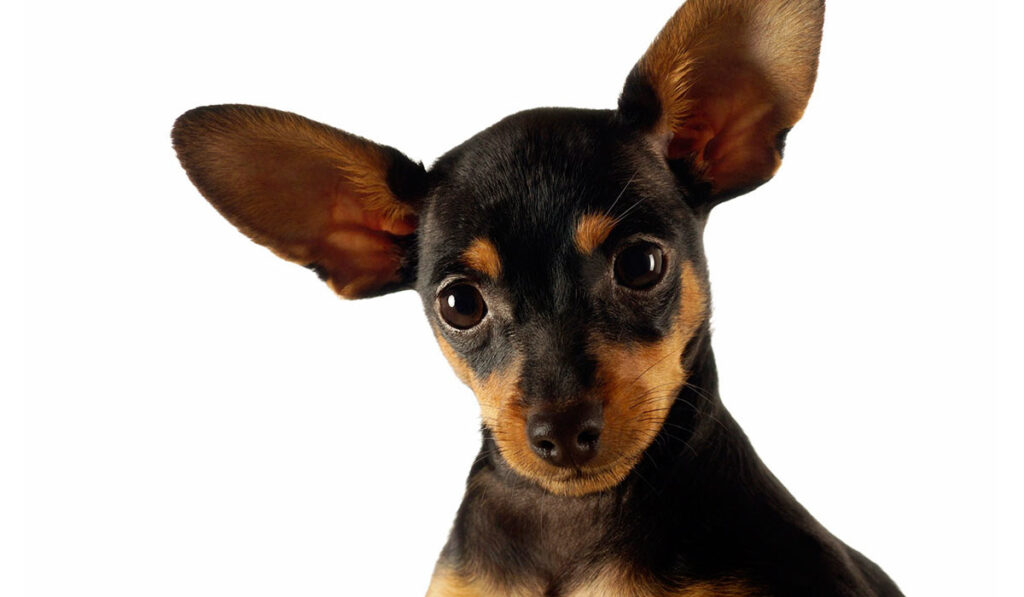
The flip side: Toy Terriers are emotionally intense. They want attention consistently and will test you if they don’t get it. They also have exceptional memories — a bad experience from years ago stays with them. This earns them an unfair reputation for being neurotic, but it’s really just how the breed is wired.
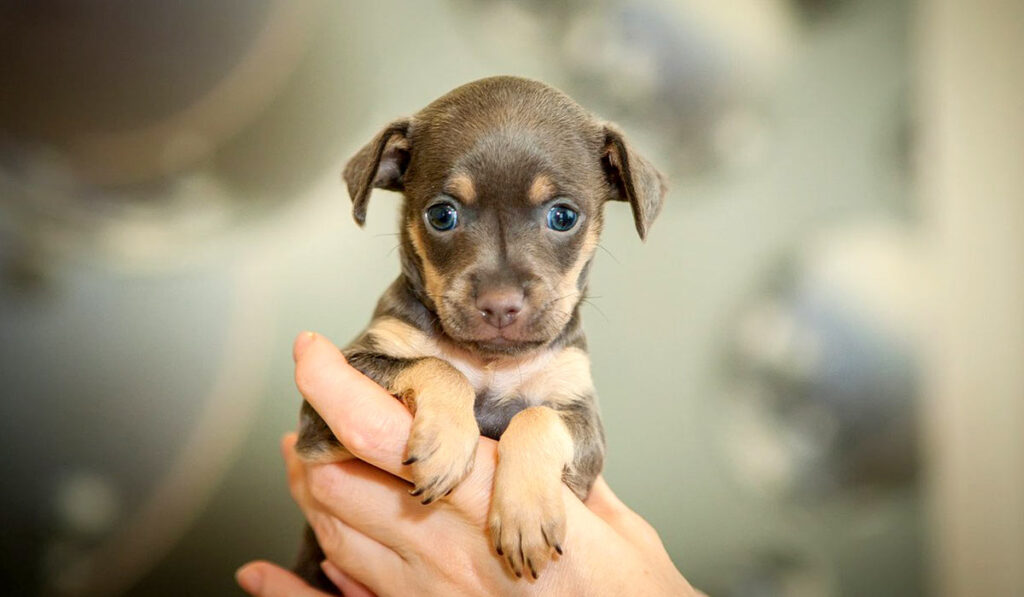
The rule here is simple: never be harsh, in voice or in action. Consistent, gentle handling produces a confident, charming little dog. Harsh handling produces a reactive one that’s difficult for everyone.
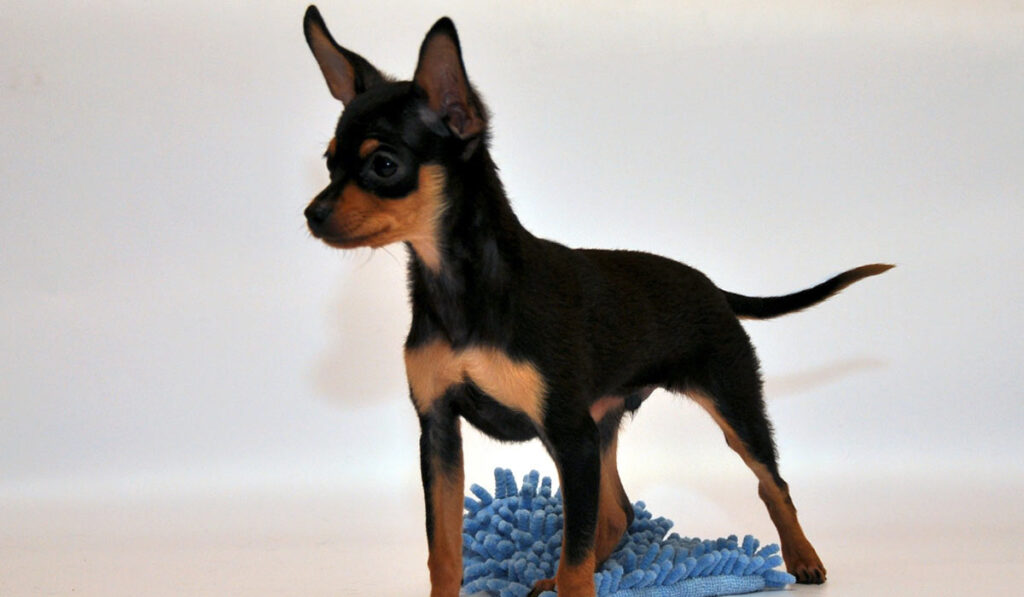
Video: Toy Terrier
Chihuahua
Size: Under 6 lbs | Lifespan: 14–16 years
No guide to small lap dog breeds would be complete without the Chihuahua. Tiny in size, enormous in personality — each one is genuinely its own creature, with strong opinions about everything and everyone.
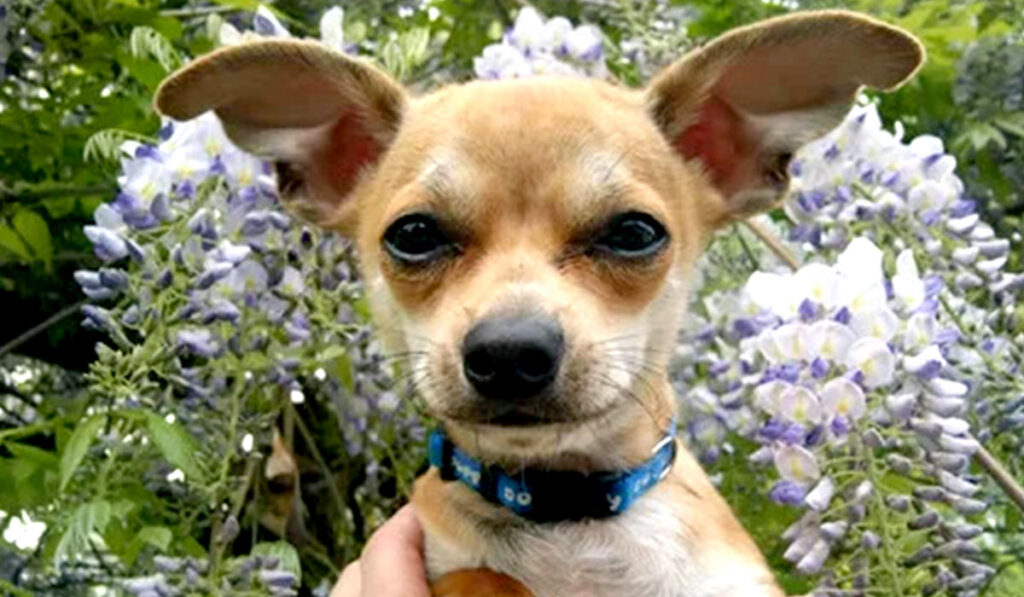
They love their person completely and are suspicious of everyone else. Strangers get barked at, possibly bitten, and definitely judged. Larger dogs that have tried to intimidate a Chihuahua have typically walked away confused — the fearlessness is not a performance.
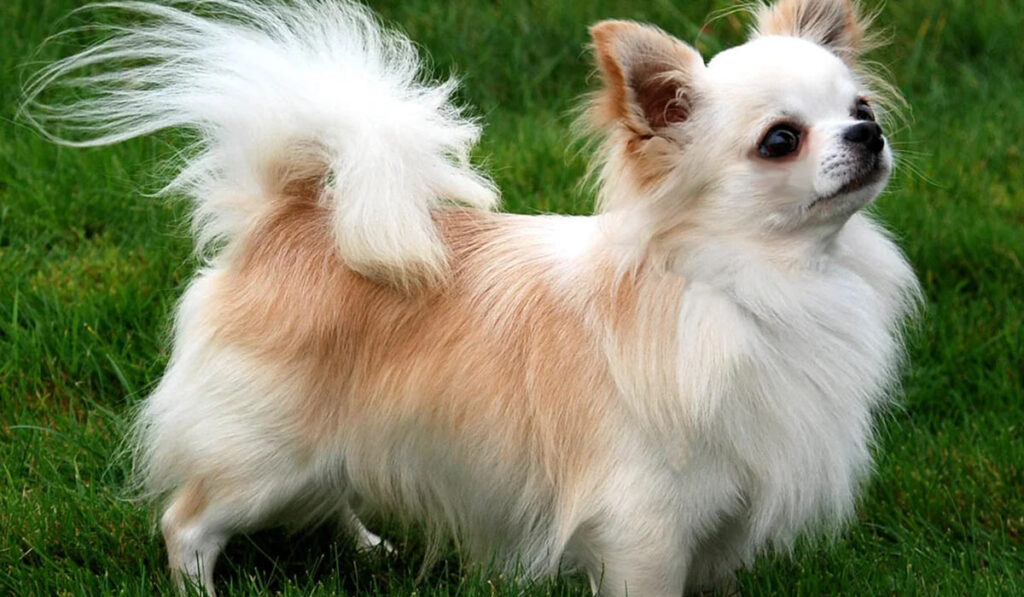
That intense loyalty comes with intense jealousy, similar to the Maltese. Early socialization makes the difference between a feisty-but-manageable companion and a dog that’s genuinely difficult to live with. If you want a dog with an outsized personality that fits in a bag — the Chihuahua is hard to beat. Just know what you’re signing up for.
Video: Chihuahua
