Dogs have been living alongside humans for thousands of years — and they still manage to surprise us. Here are 14 facts about dogs that go a little deeper than “they’re loyal and cute” (though both of those are true, too).

- “Man’s best friend” has a real origin story. The phrase was popularized by the poet Ogden Nash, though Frederick the Great of Prussia is often credited with the original sentiment. Dogs earned this title long before it became a cliché.
- Dogs hear nearly four times better than humans. Human hearing peaks at around 2,000 Hz. Dogs hear clearly up to 8,000 Hz — which explains why your dog reacts to sounds you don’t even notice.
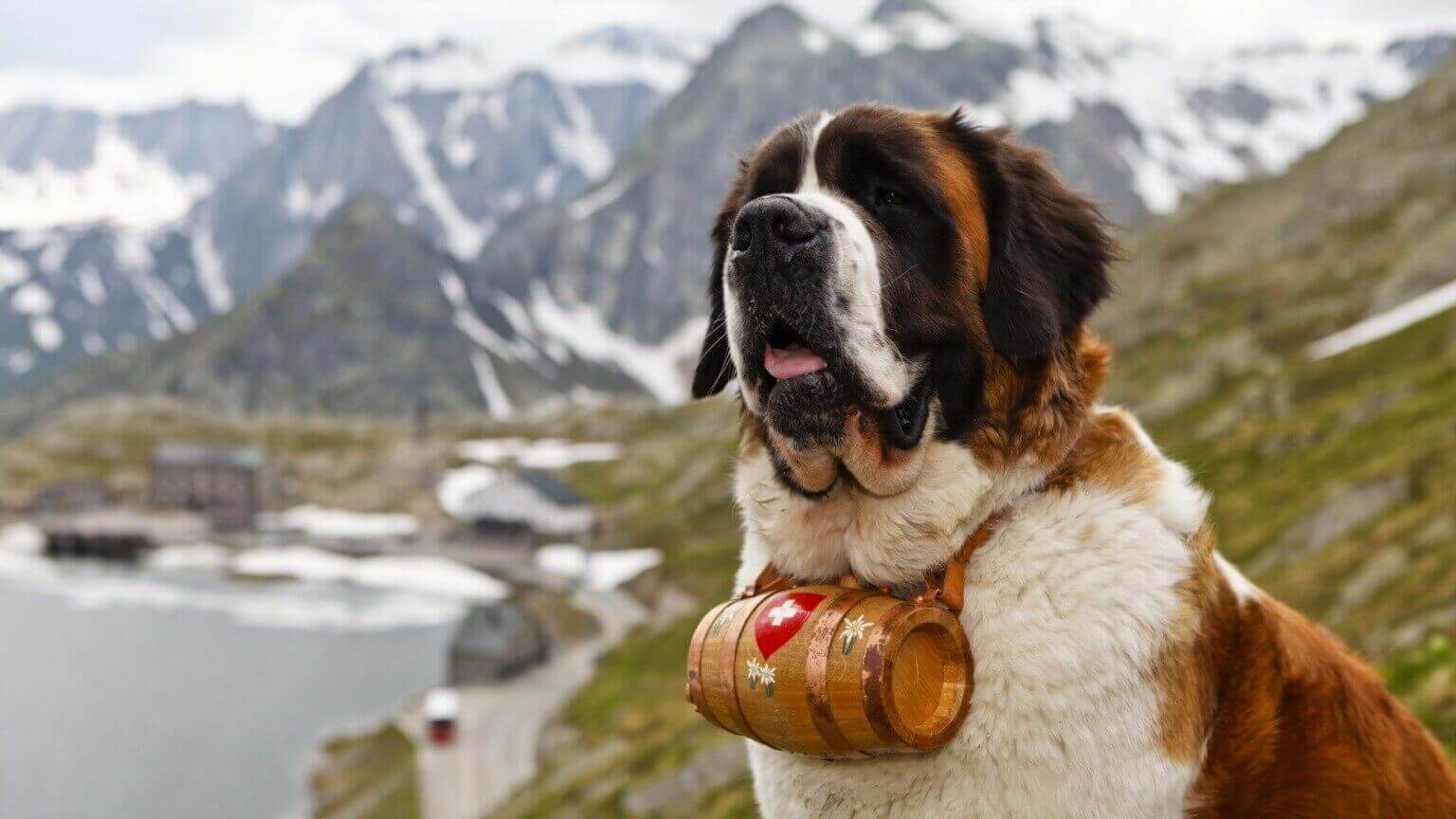
- The Great Dane is the world’s tallest dog breed. Zeus, a Great Dane from Michigan, held the Guinness record at 111.8 cm at the shoulder. For sheer weight, though, the St. Bernard wins — some individuals tip the scales at 120 kg.
- St. Bernards were genuine mountain rescue heroes. For centuries, monks at the Great St. Bernard Hospice in the Alps bred and trained these massive dogs to rescue travelers stranded in the snow. They could detect people buried under several feet of it.
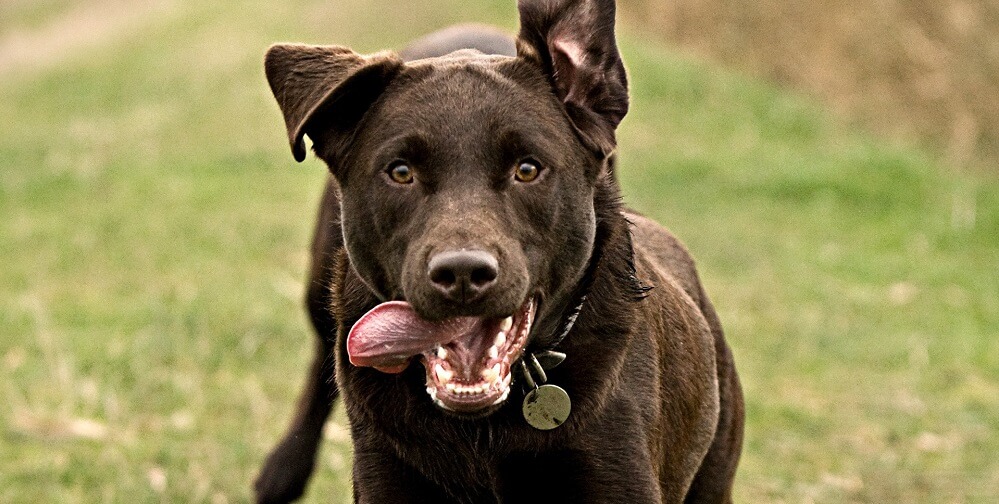
- A dog’s ears have 18 muscles. That’s what lets them swivel, tilt, and rotate each ear independently to pinpoint exactly where a sound is coming from. Humans have about six ear muscles — and most of us can barely twitch them.
- Dogs sweat through their paws, not their skin. The panting you see on a hot day is actually a cooling mechanism, not sweating. Dogs release heat through their tongues and upper respiratory tract. Their only true sweat glands are in their paw pads.
- German Shepherds are the go-to police breed for good reason. Intelligence, trainability, a sharp sense of smell, and a natural drive to work — these qualities make German Shepherds ideal partners for law enforcement. They’re used worldwide for tracking, search and rescue, and detection work.
- The Chihuahua takes its name from a Mexican state. The breed is named after Chihuahua, Mexico, where the first documented individuals were recorded and later transported into the United States. Don’t let the size fool you — they have enormous personality packed into a tiny frame.
- Three dogs survived the sinking of the Titanic. They were traveling in first-class cabins with their owners and made it onto lifeboats. Two Pomeranians and a Pekingese — some of the most improbable survivors of one of history’s greatest disasters.
- About 70% of dog owners consider their pet a full family member. Studies consistently show that dogs reduce stress, improve mood, and provide genuine emotional support — not just companionship. The bond is real, and science backs it up.
- The oldest recorded dog lived to 29 years and 5 months. Bluey, an Australian Cattle Dog from Victoria, Australia, holds the record. Average lifespans vary widely by breed — roughly 7–8 years for large breeds, up to 14–16 for smaller ones.

- A dog was the first living creature sent into space. In 1957, Laika — a Soviet stray — launched aboard Sputnik 2. She became a global symbol of the space race. Later Soviet missions successfully returned dogs to Earth.
- Greyhounds are the fastest dogs on the planet. They can reach speeds of up to 72 km/h — more than double the average dog’s top speed of about 30 km/h. Their bodies are built like living aerodynamics experiments: deep chest, flexible spine, and lightweight frame.
- Puppies sleep up to 18–20 hours a day. That’s not laziness — it’s biology. Sleep is when their nervous systems and muscles develop. Adult dogs typically settle into 10–12 hours of sleep daily, with larger breeds often needing even more rest.
Whether you’ve had dogs your whole life or you’re still on the fence about getting one, these animals never stop being fascinating. Thousands of years of living alongside humans have shaped them into something genuinely unique — and they’re still finding ways to surprise us.