These dogs don’t come cheap. Whether it’s rarity, centuries of selective breeding, or sheer prestige, the breeds on this list command prices ranging from $1,500 to well over $10,000 for a puppy from a reputable breeder. But price is only part of the story — each of these dogs has a character that makes them genuinely extraordinary.
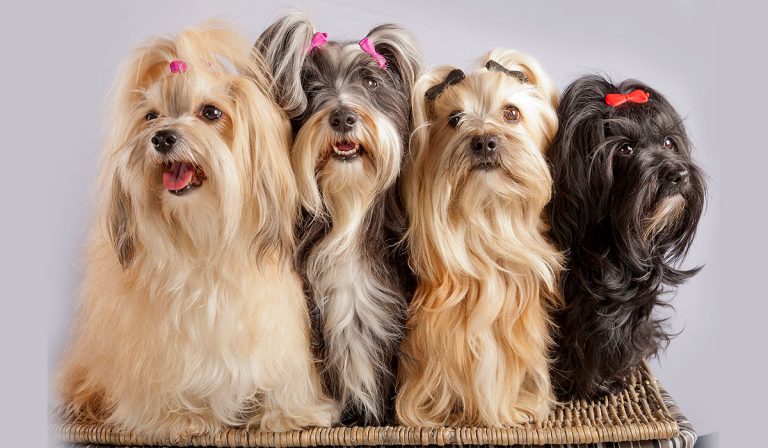
For apartment dwellers, the 12 cutest lapdog breeds offer affectionate companionship in a small package.
Here are 17 of the most expensive dog breeds in the world.
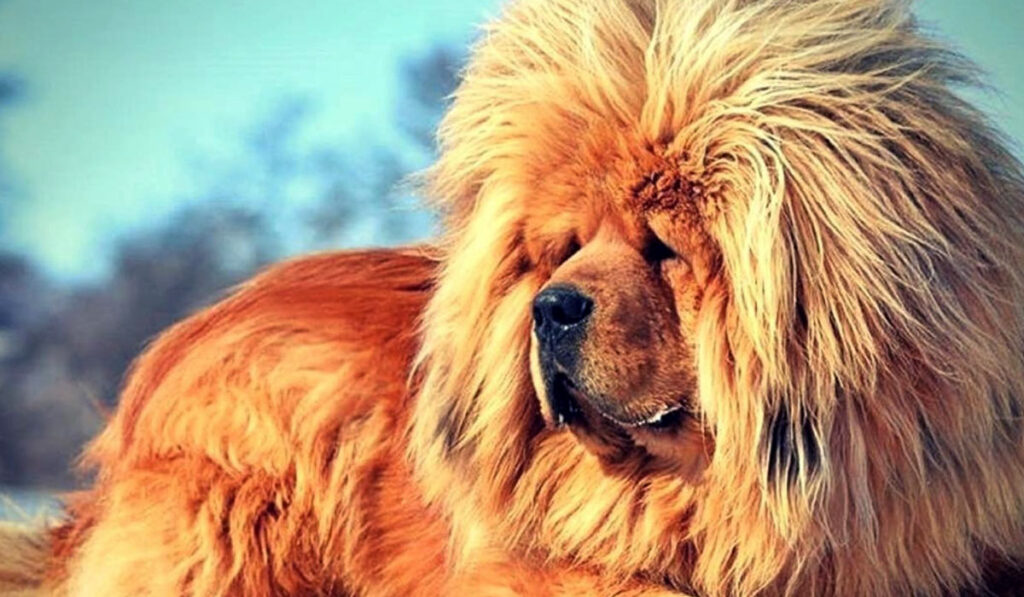
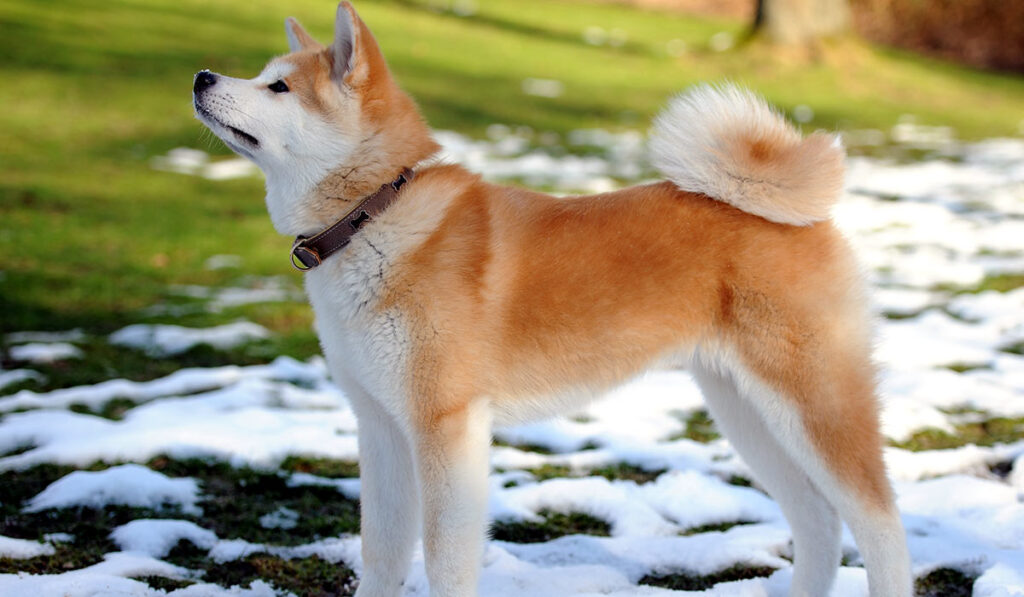
Akita Inu
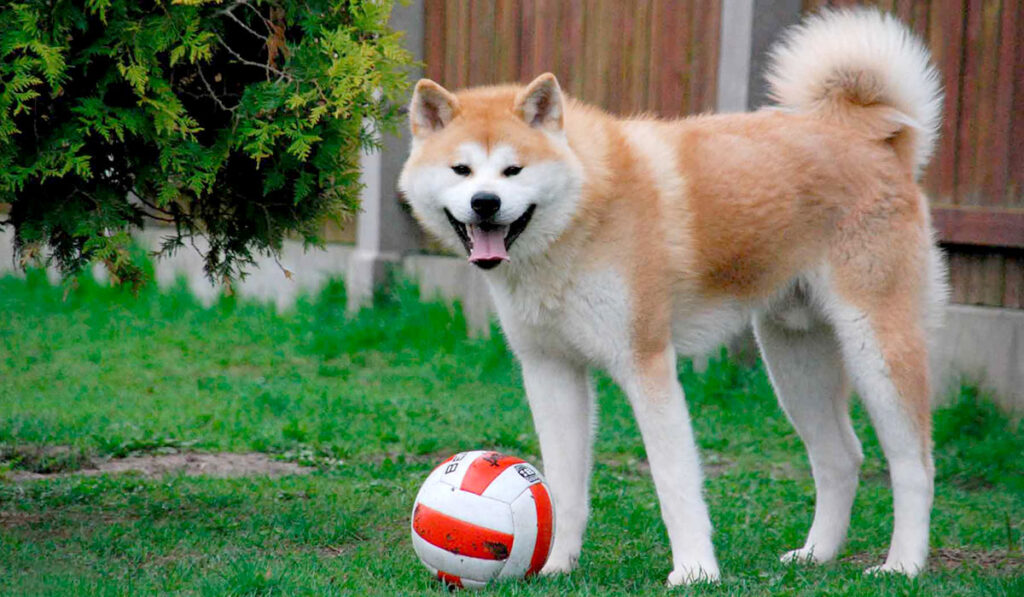
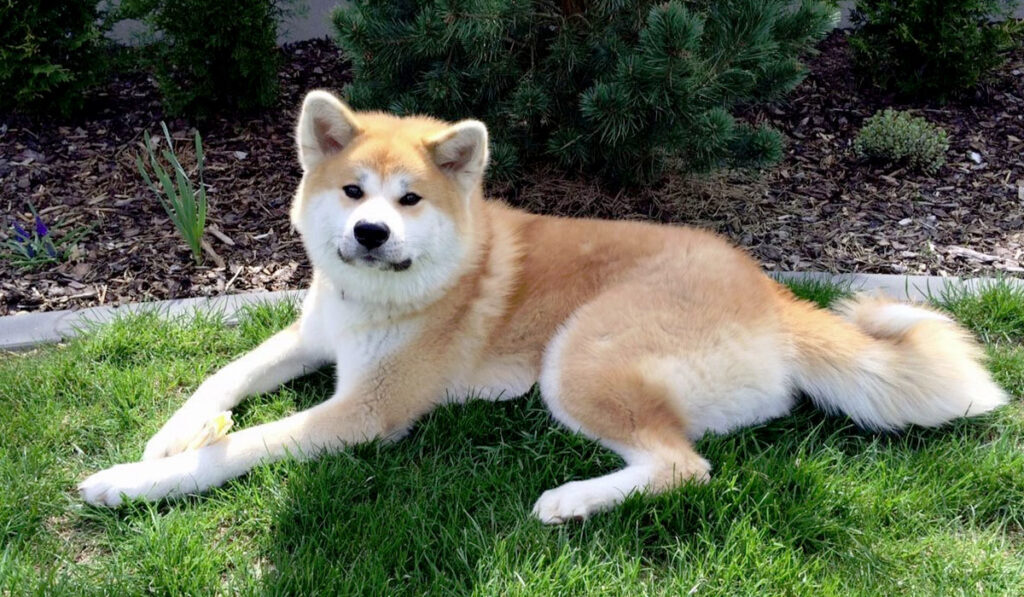
If you’ve seen the film about Hachiko, you already know the Akita Inu. This Japanese breed became a global symbol of loyalty — and for good reason. Akitas bond deeply with their owners and will follow them with quiet, unwavering devotion.
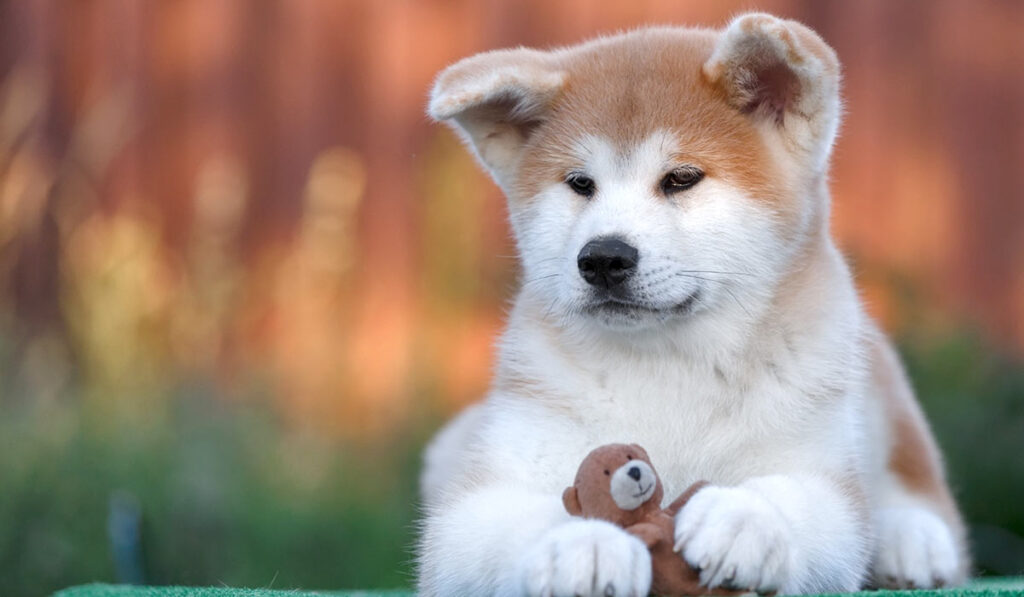
That loyalty comes with conditions. Akitas are dominant dogs — they don’t do well with other dogs of the same sex, and they’re standoffish with strangers. They need a firm, confident owner. With a soft touch, an Akita will quietly take over the household.
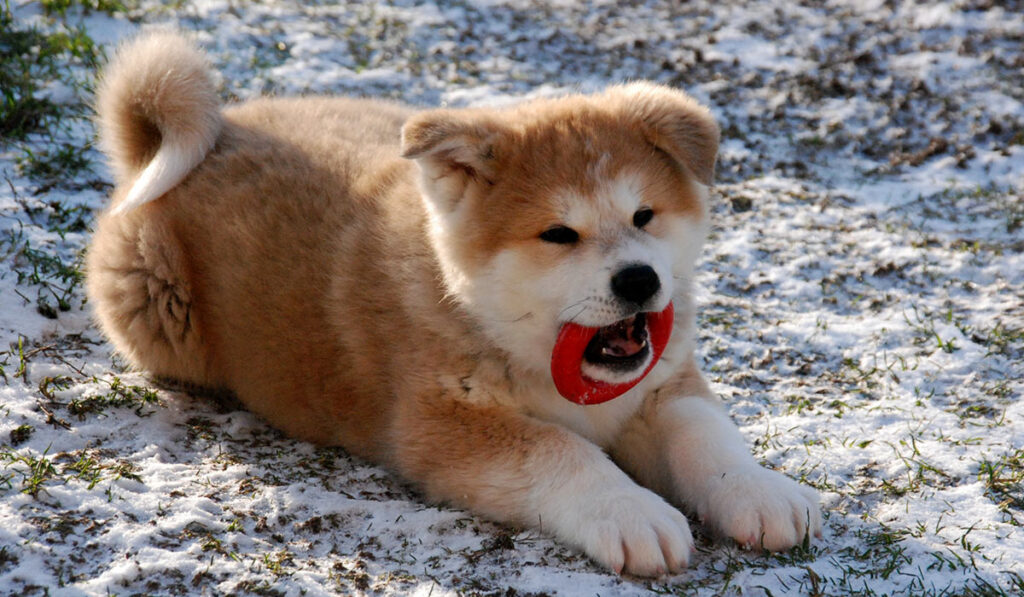
They’re intelligent and pick things up fast, but they’ll refuse commands they see as pointless. Training an Akita is less about repetition and more about motivation — the dog needs to understand why. One more thing: leave an Akita alone without enough exercise, and don’t be surprised if your furniture pays the price.
Video: Akita Inu
Alaskan Klee Kai
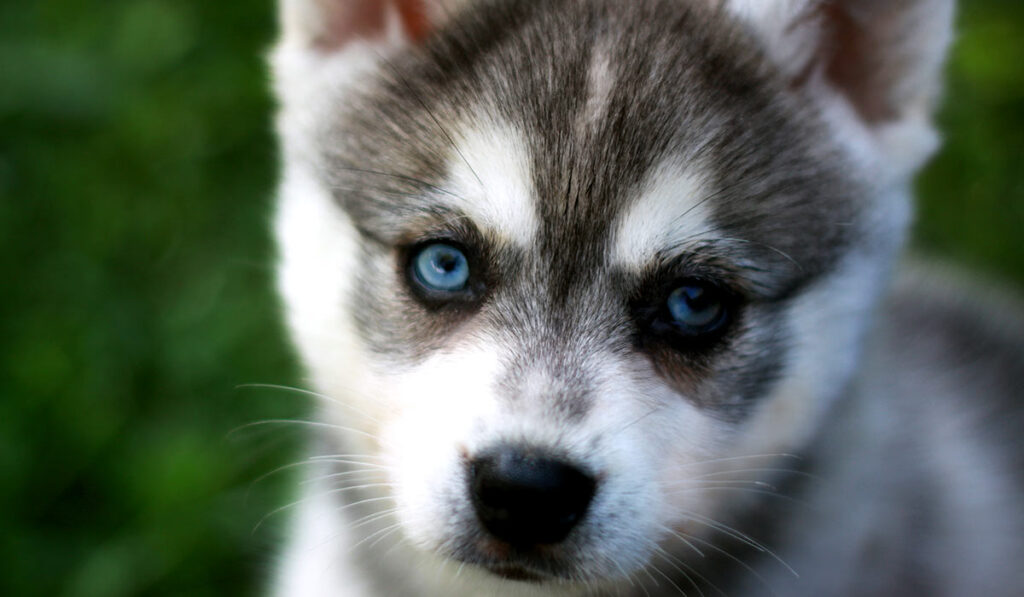
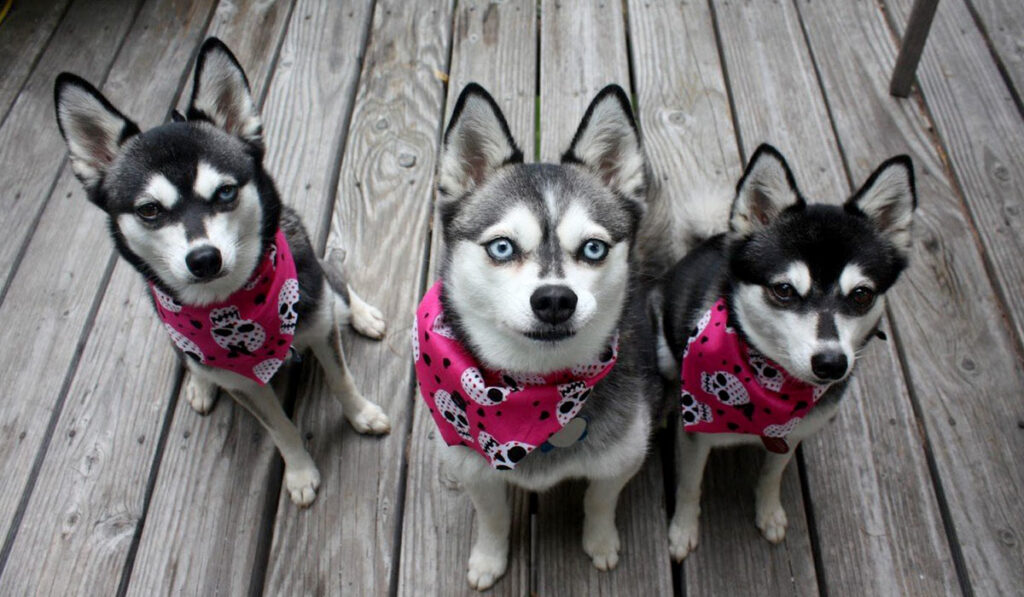
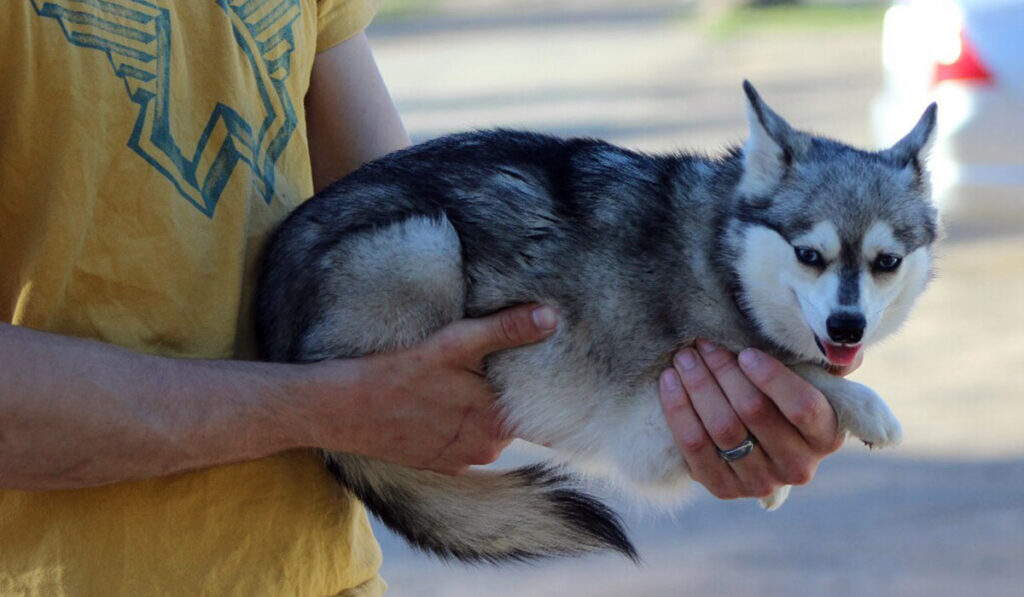
Think of the Alaskan Klee Kai as a Husky in a smaller package — and not just in looks. These dogs share the Husky’s playful energy, striking coat, and love of mischief. They come in three sizes (standard, miniature, and toy), which makes them surprisingly apartment-friendly — if you can keep up with them.

The Klee Kai doesn’t bark in the traditional sense — it makes a distinctive vocalisation that sounds almost conversational. Owners describe it as the dog “talking.” It’s endearing, and occasionally loud.
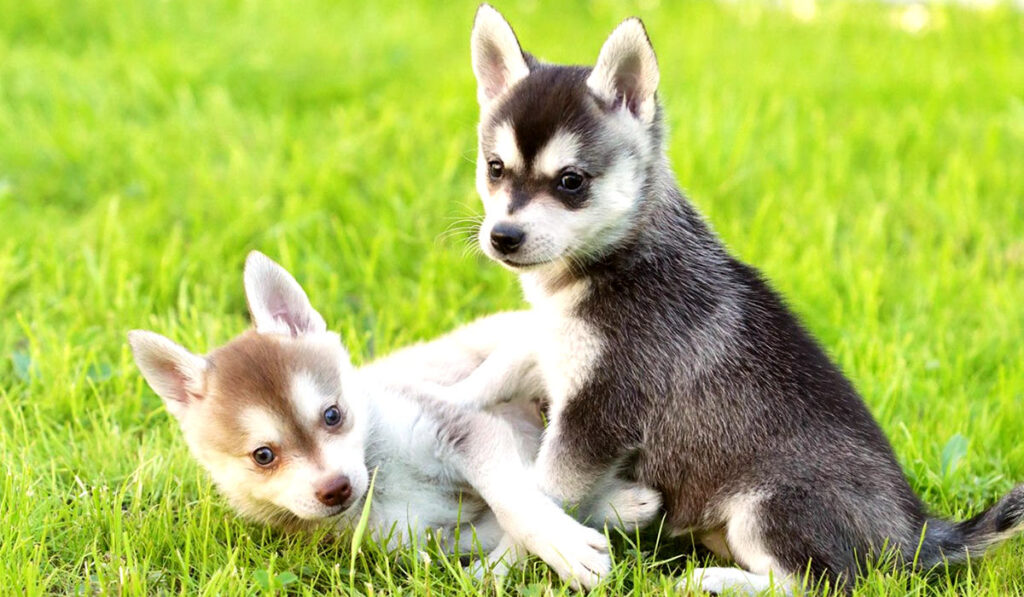
The breed struggles with being left alone and will chew furniture, knock things over, and generally redecorate if bored. If you’re away frequently, make sure your dog has company — another dog or cat works fine. What doesn’t work: rough handling from kids, since the Klee Kai is sensitive despite its bold appearance.
Video: Alaskan Klee Kai
English Bulldog
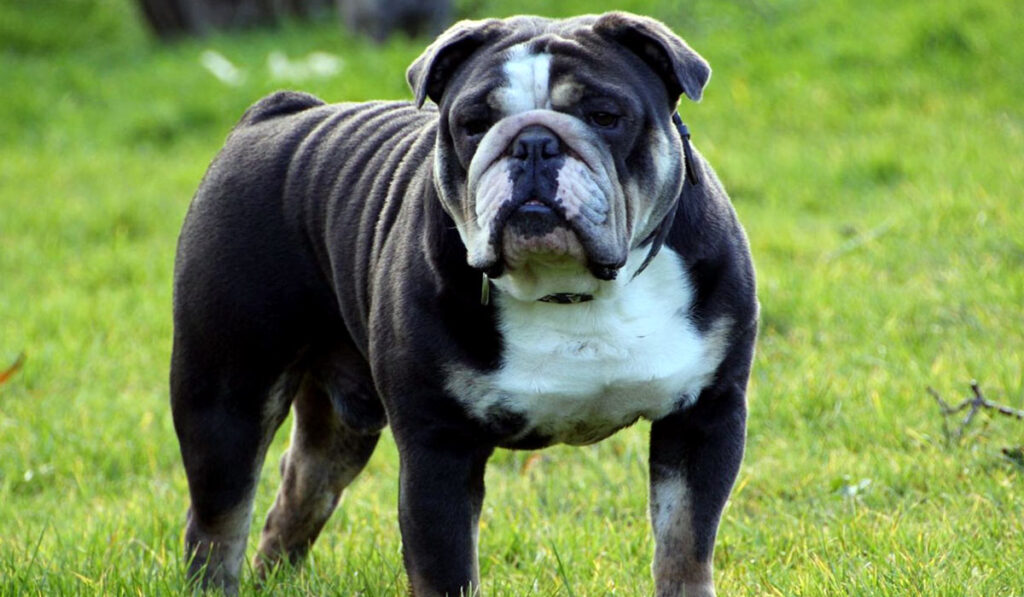
The English Bulldog is a contradiction in the best possible way. Beneath that wrinkled, muscular exterior lives one of the most laid-back dogs on earth. This breed would happily spend the day on the sofa — interrupted only by meals and a walk, which it tolerates rather than enjoys.
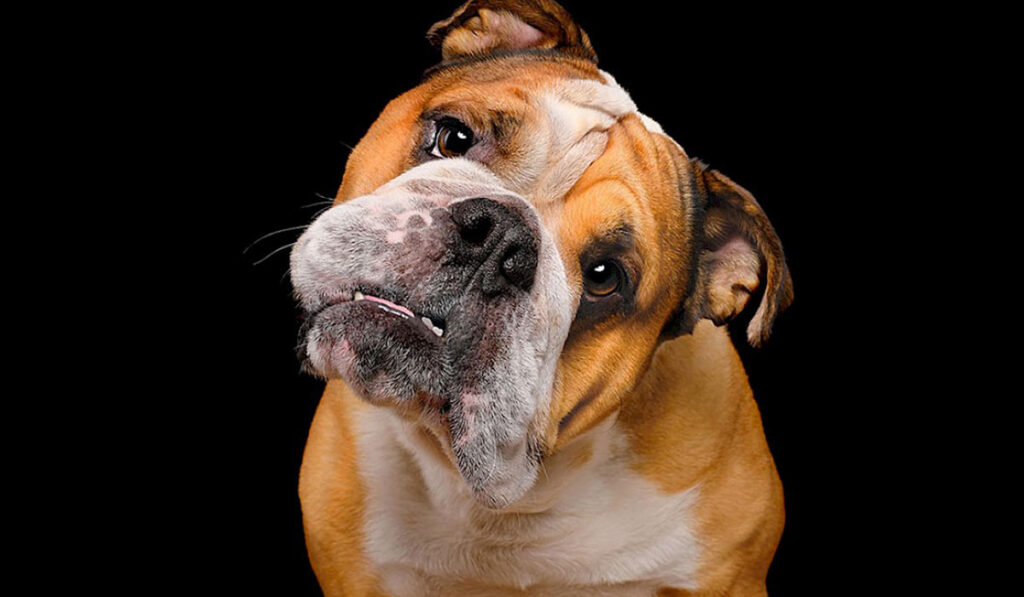
Bulldogs are stubborn, but not mean — just confident in their preferences. You can’t force them into anything. What works instead is patience, warmth, and consistency. With the right approach, they’ll do almost anything for someone they trust.
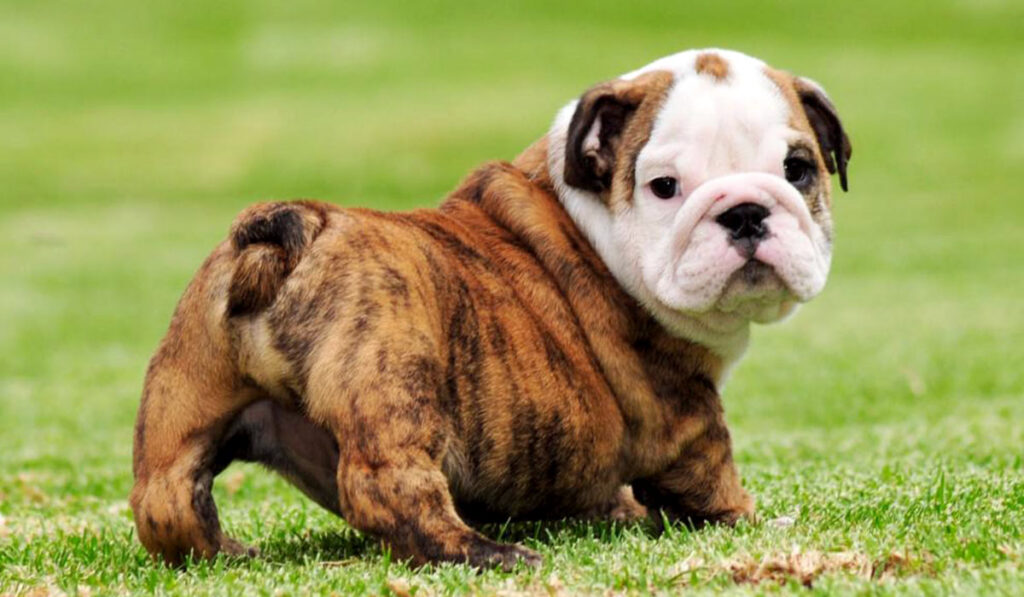
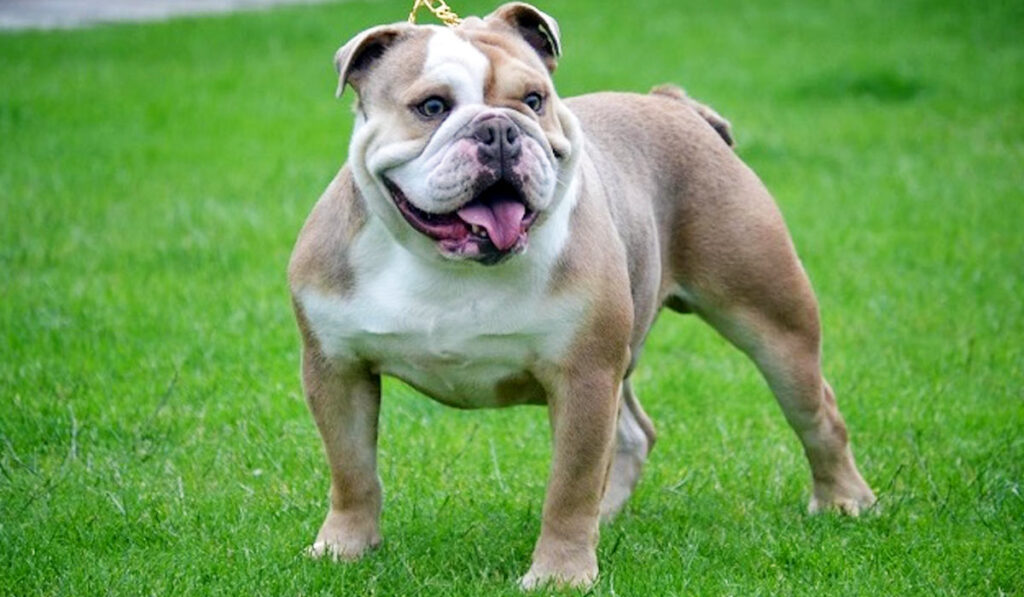
Worth knowing: Bulldogs overheat easily thanks to their flat faces, so hot summers require air conditioning and shade. They also snore, drool, and gain weight without much effort — portion control matters here. And if danger arises, don’t be fooled by the laziness: an English Bulldog will put itself between you and a threat without hesitation.
Video: English Bulldog
Afghan Hound
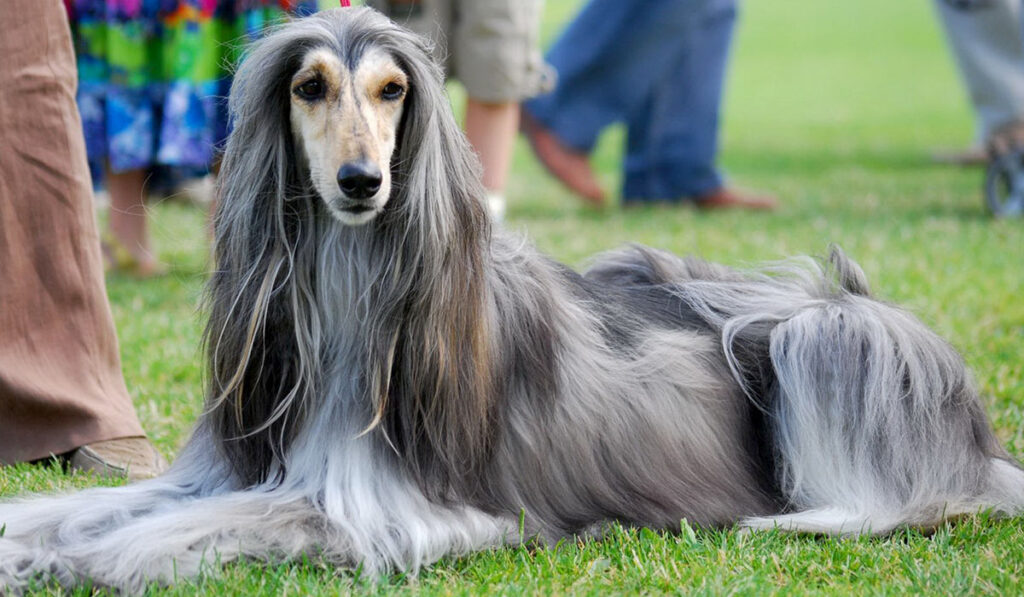
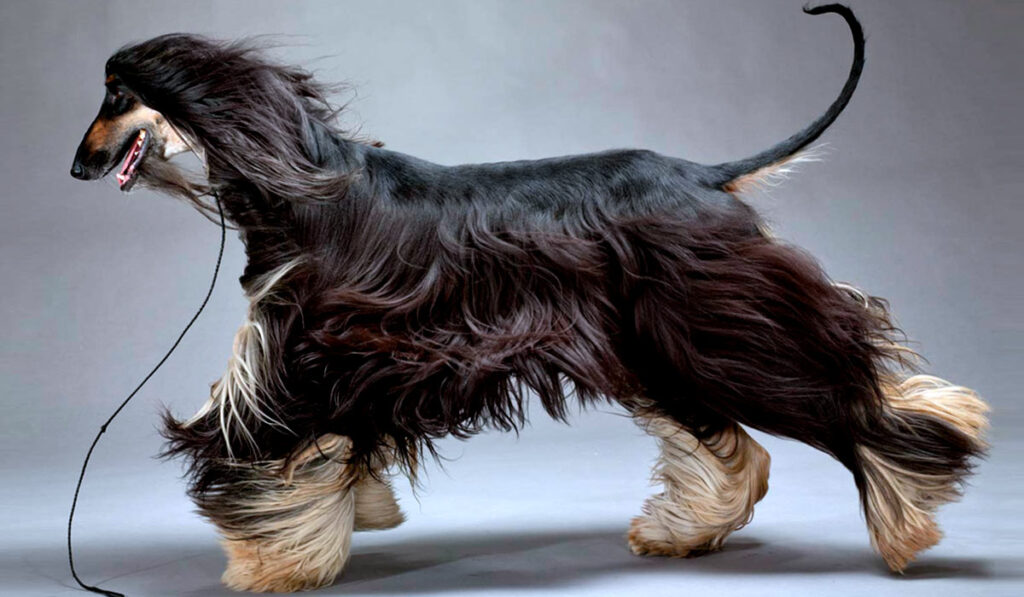
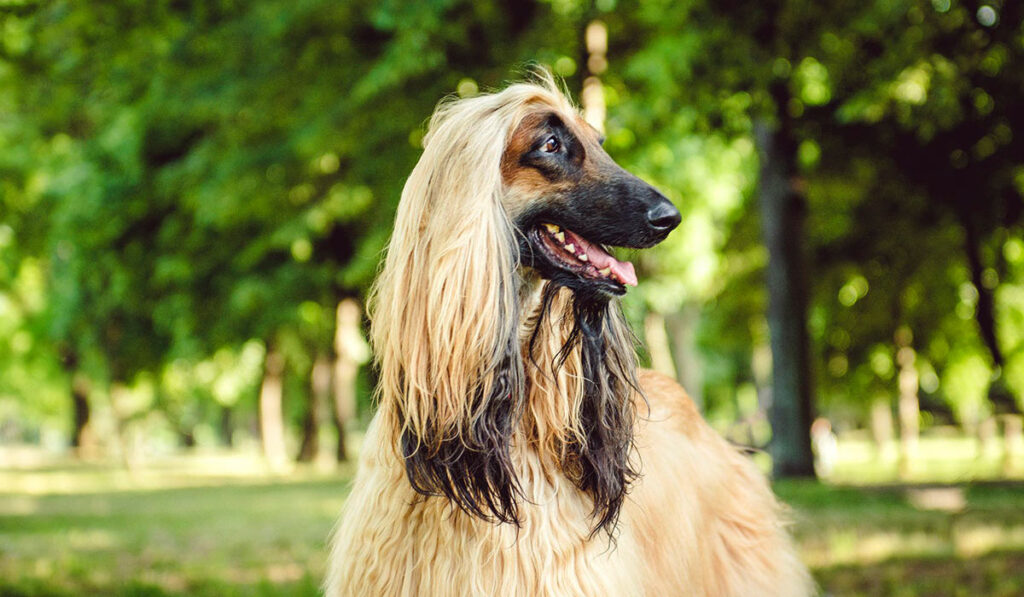
The Afghan Hound might be the most visually stunning dog on this list — and it knows it. This ancient breed from the mountains of Afghanistan carries itself with aristocratic indifference that can feel a lot like a cat’s personality trapped in a sighthound’s body.
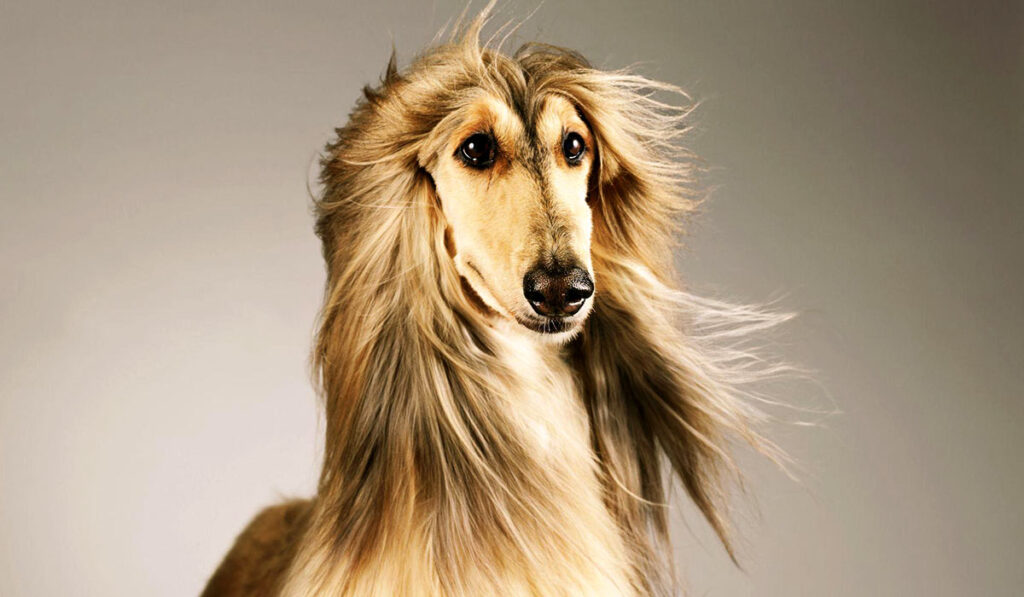
As a puppy, an Afghan will play endlessly. As an adult, it will play on its own terms. Afghans are sensitive and hold grudges — punish them unfairly and they’ll remember it. Small children who can’t read that sensitivity are a genuine concern with this breed.
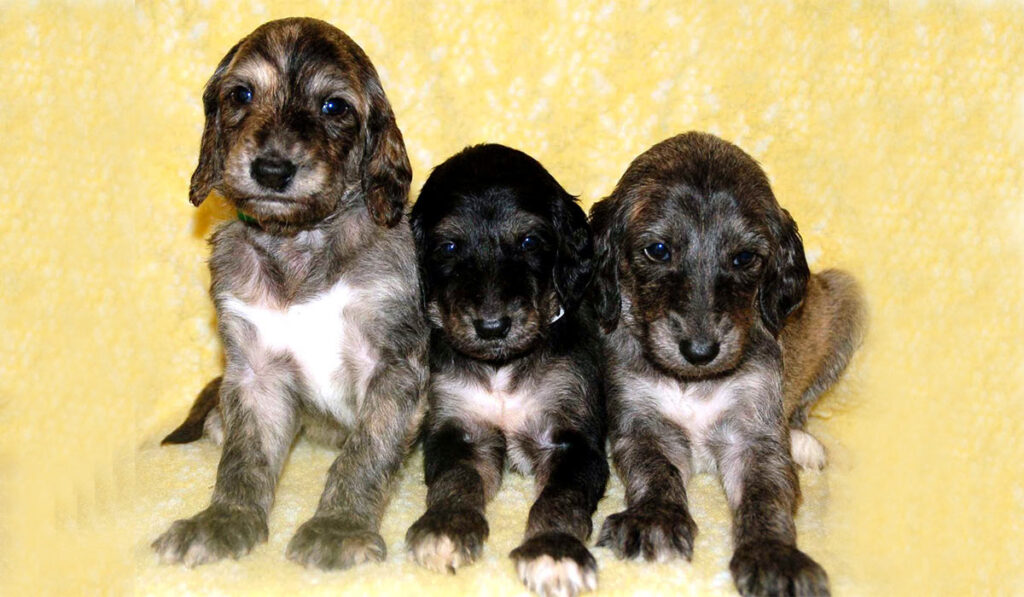
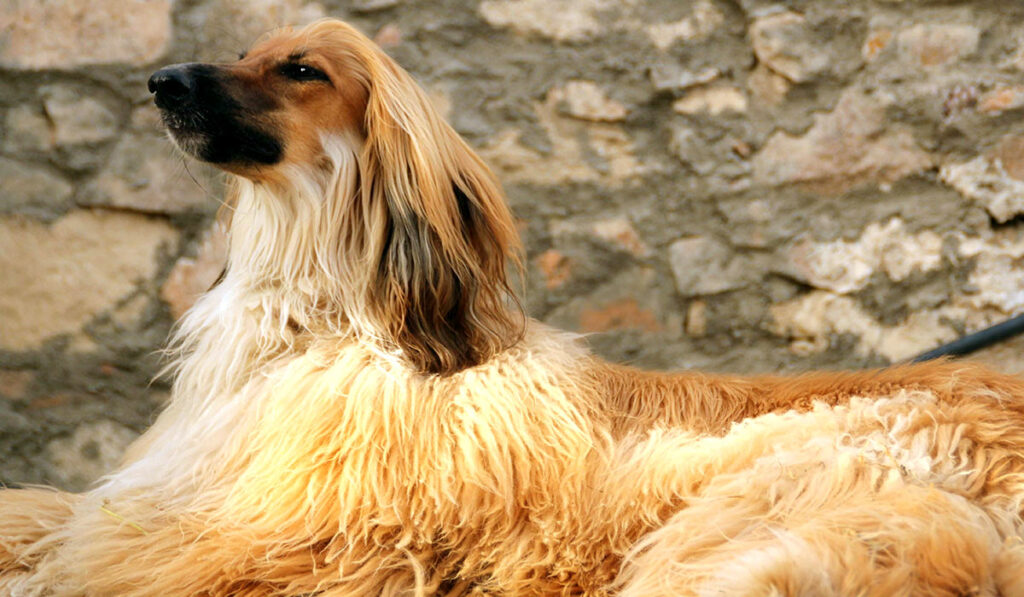
Training is possible — but expect selective compliance. The Afghan respects a person who earns its trust, not one who demands obedience. The coat is a whole project in itself: daily grooming is non-negotiable, and show-quality Afghans require even more. If you want a dog that’s low-maintenance, this isn’t it. But if you want one that’s breathtaking, nothing else comes close.
Video: Afghan Hound
Bedlington Terrier
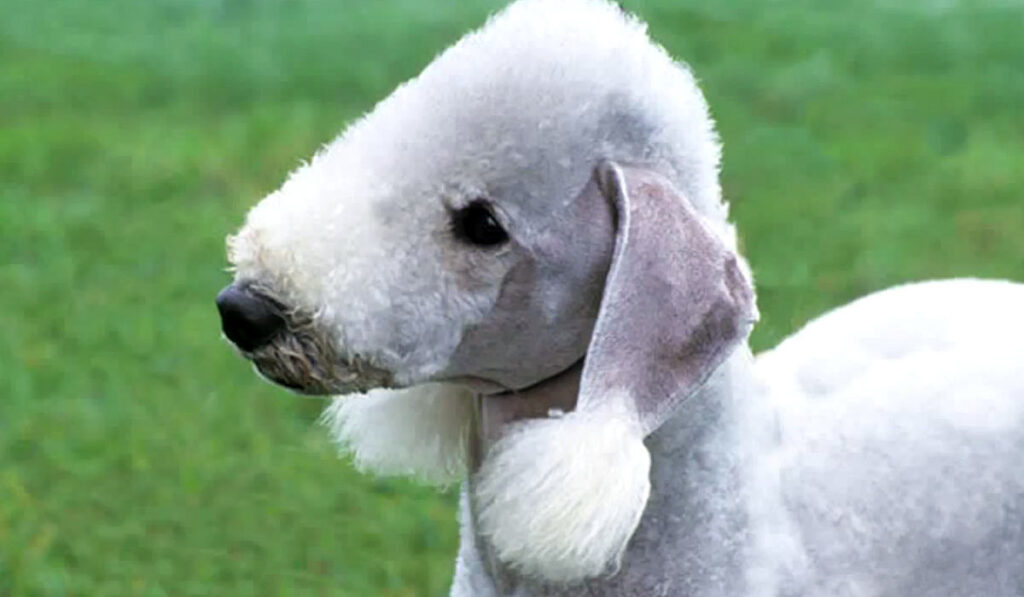
At first glance, the Bedlington Terrier looks like a very small sheep that wandered into the wrong class. At second glance, it still does. But don’t be fooled — this is a terrier through and through, with a hunter’s instincts hiding behind that fluffy, gentle exterior.
Today’s Bedlingtons are mostly show dogs and companions, and they’re excellent at both. They won’t show aggression unprovoked, but they get bored without stimulation — and a bored Bedlington can be surprisingly dramatic about it.
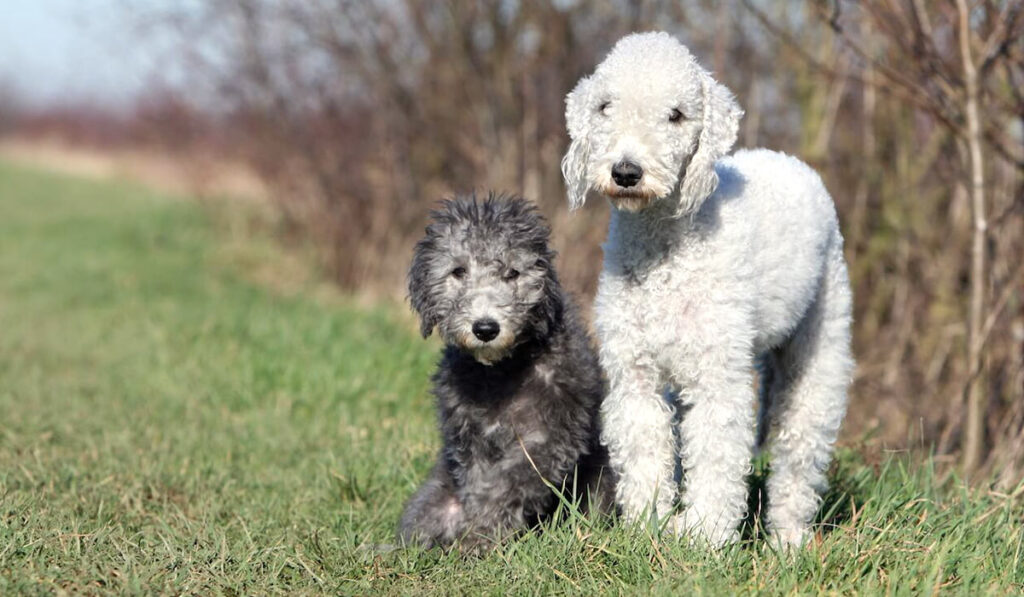
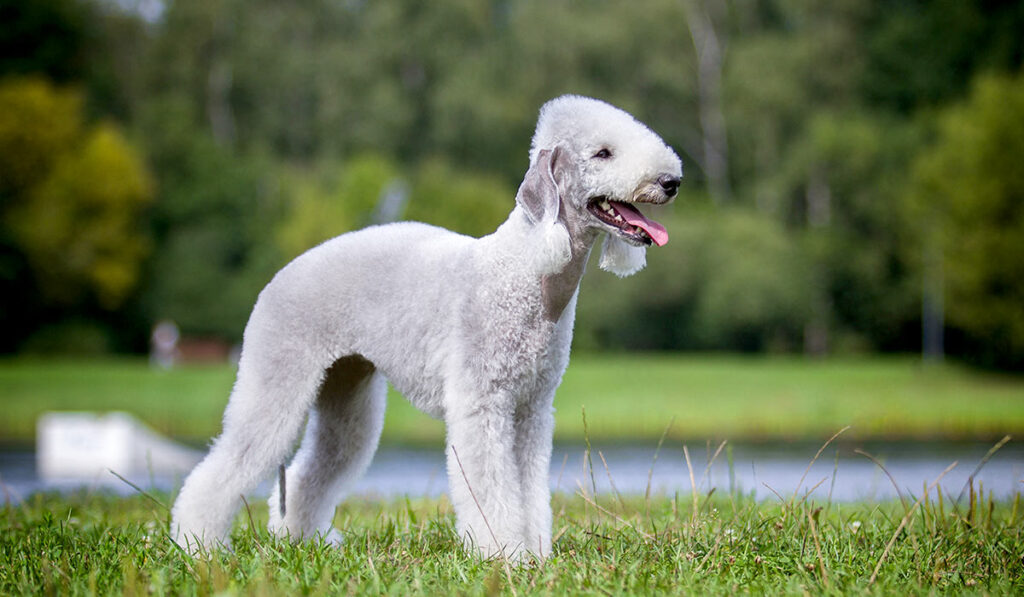
The Bedlington is possessive of its owner and not especially fond of other pets or noisy kids. It’s also a genuine hunting dog — and once that instinct switches on, training alone won’t turn it off. The fix is channeling it: hunt, do coursing, or keep up with serious obedience work. A well-occupied Bedlington is a charming and devoted companion.
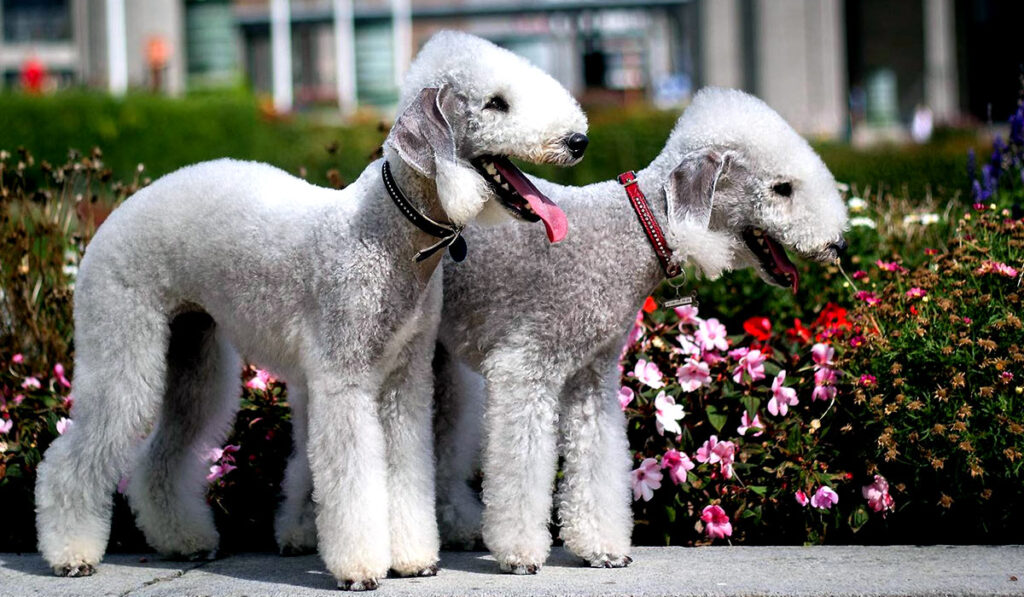
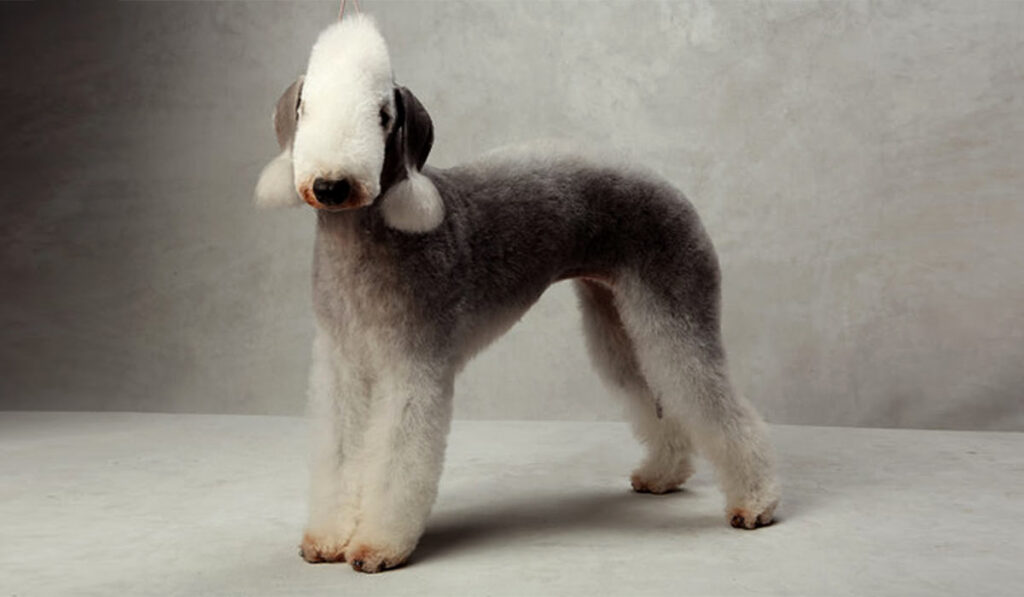
Video: Bedlington Terrier
https://www.youtube.com/watch?v=OaNVuGy8oVg
Bloodhound
The name says it all — the Bloodhound follows a scent trail with almost mechanical persistence. Law enforcement agencies use them because their tracking ability is so reliable it’s admissible as evidence in court. As pets, they’re rare enough to make this list with ease.
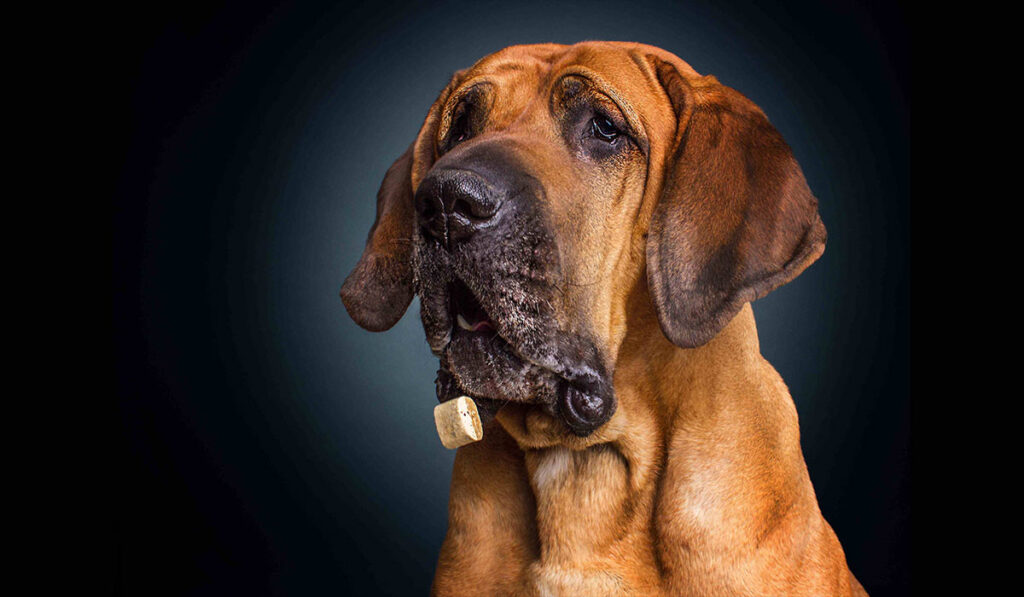
Temperament-wise, Bloodhounds are among the most easygoing large dogs you’ll meet. They don’t start fights with other dogs, they welcome guests, and they’re genuinely good-natured. They also drool, shed, and take up a significant amount of sofa.
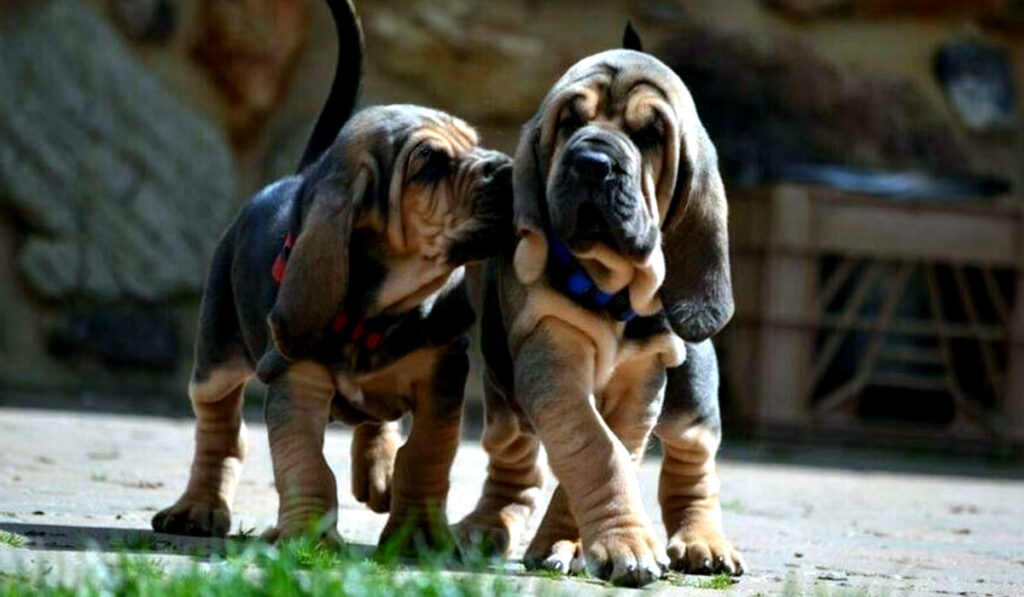
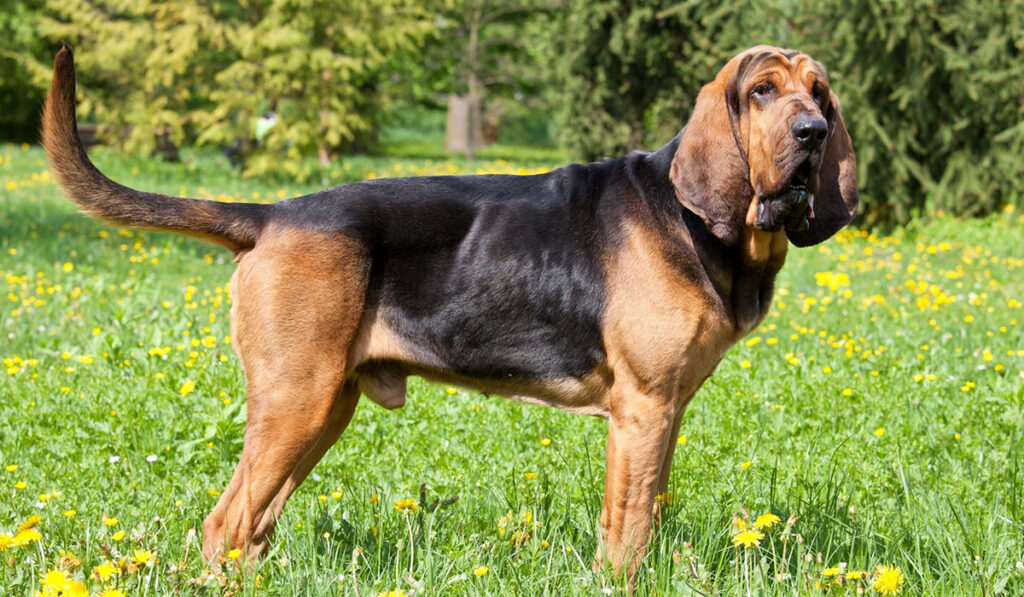
Training is a study in patience. Bloodhounds aren’t unintelligent — they’re just perpetually distracted by scent. The moment something interesting crosses their nose, your commands become background noise. A secure yard and a long leash are essential. Think of this breed as a private investigator who simply cannot be persuaded to stop working a case.
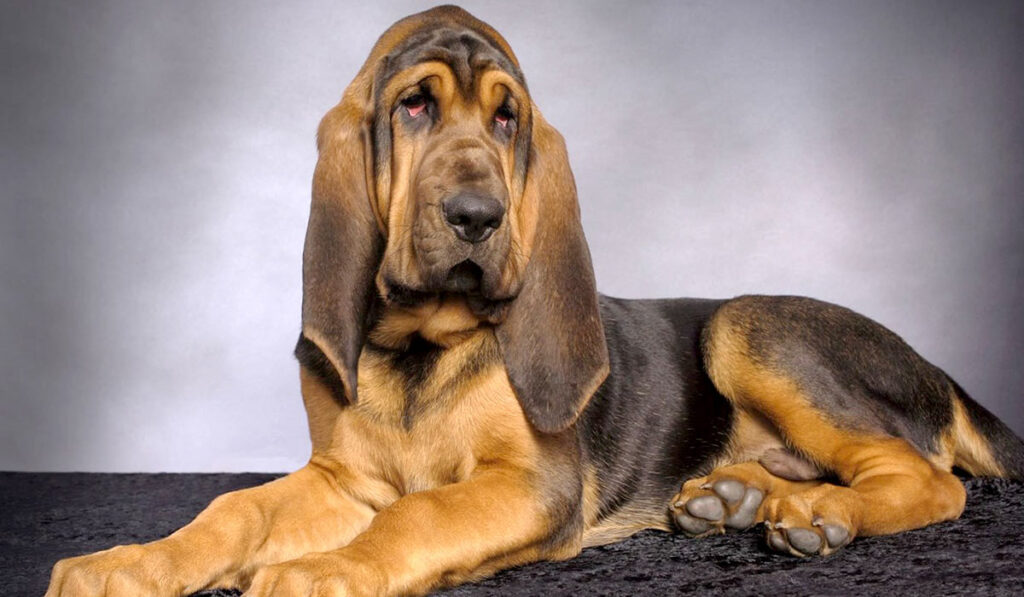
Video: Bloodhound
Dogue de Bordeaux
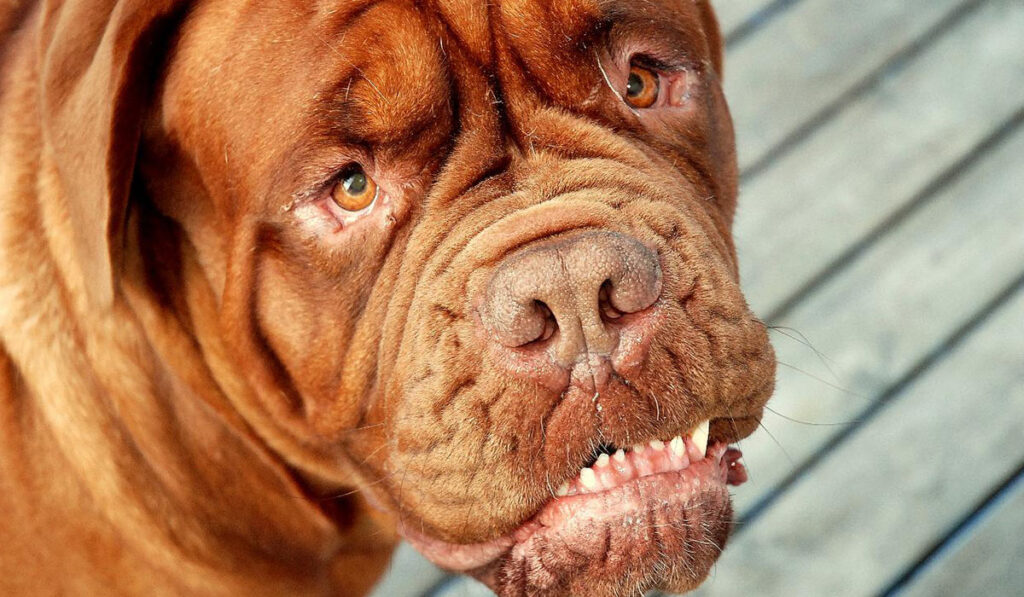
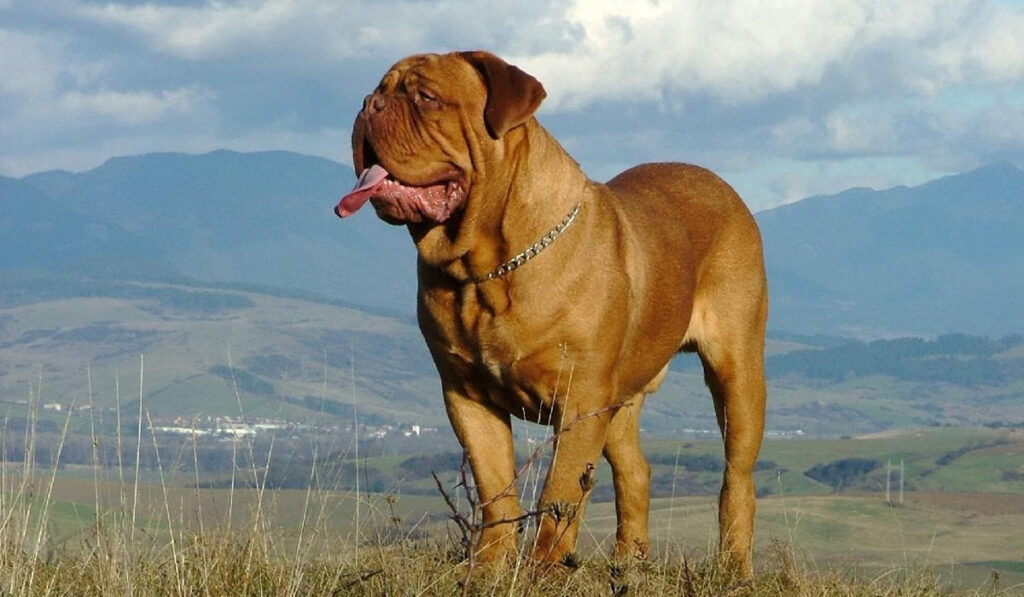
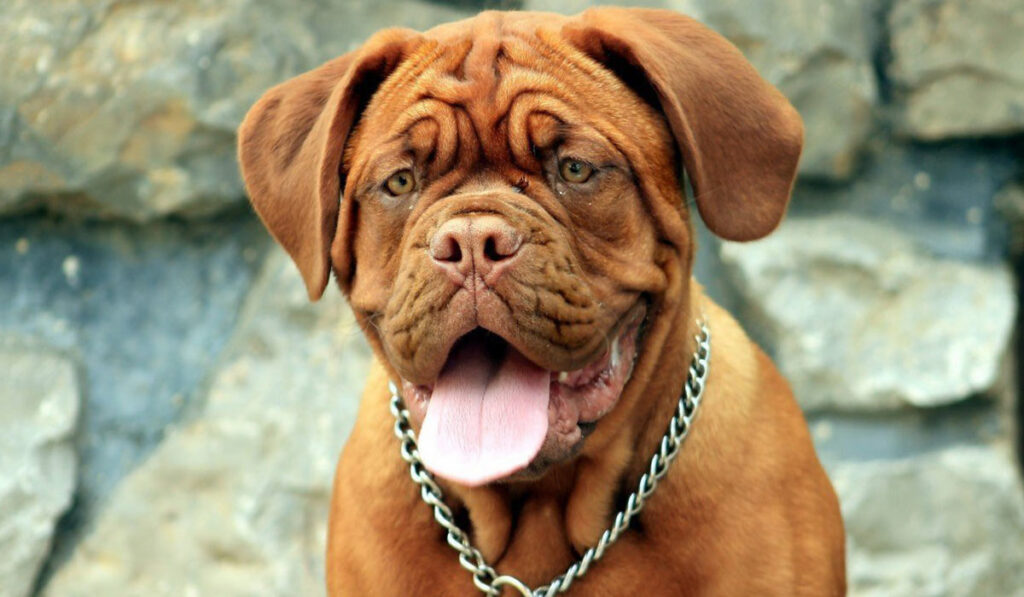
That intimidating face is a red herring. The Dogue de Bordeaux is a calm, self-assured dog that’s more interested in being near you than asserting dominance. These dogs shadow their owners everywhere — on walks, around the house, and ideally onto the sofa if you let them.
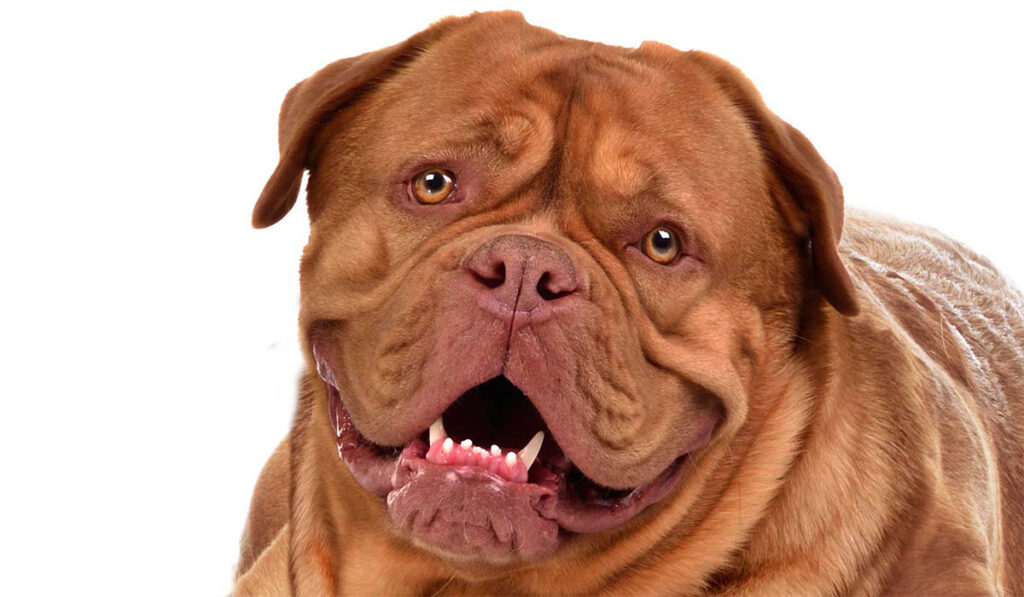
Separation is hard for this breed. Left alone for long stretches, a Bordeaux will become unhappy — and at 50+ kg, an unhappy Dogue de Bordeaux is a significant problem. They’re devoted to family but territorial with same-sex dogs and can be unpredictable around cats outdoors.
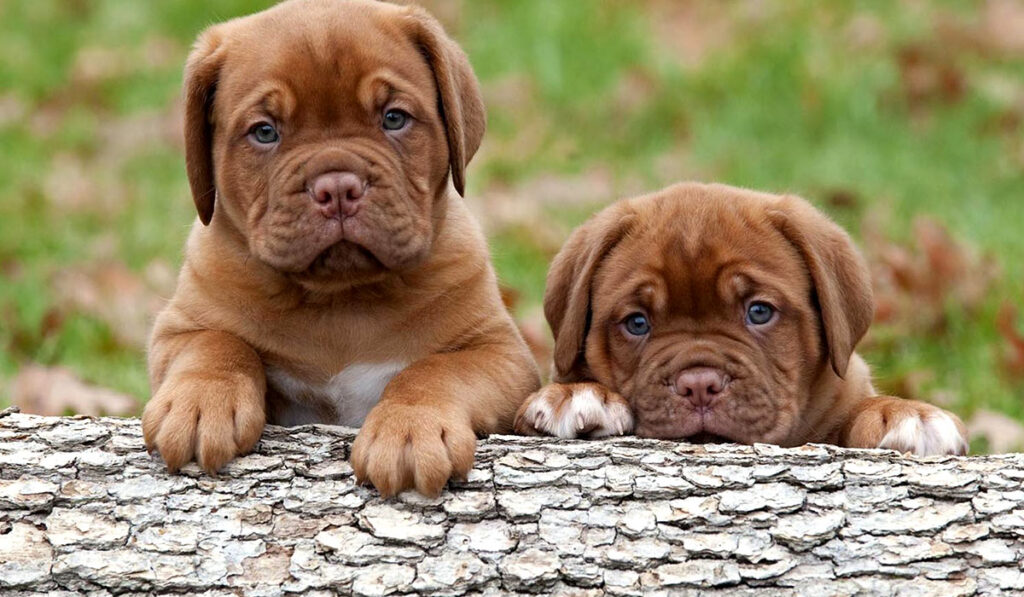
Young children are best introduced when the dog is a puppy — the noise and chaos of toddlers isn’t natural territory for this breed, and it’s best to let them grow up together. Training requires consistency: never let a puppy pull on the leash or climb on people, because a fully grown Bordeaux doing either of those things is a completely different situation.
Video: Dogue de Bordeaux
https://www.youtube.com/watch?v=GT-qsD5uEgw
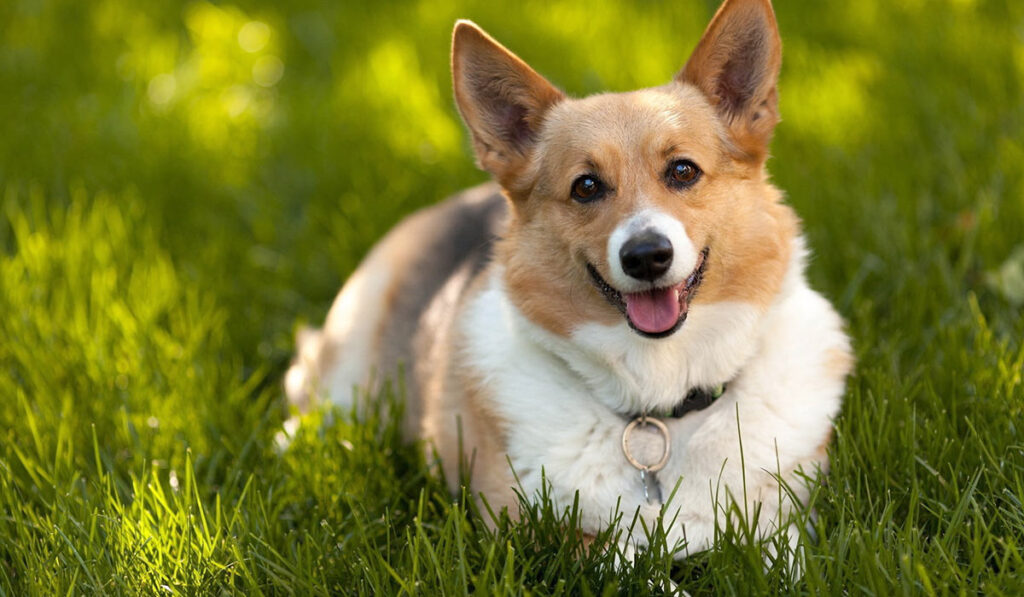
Welsh Corgi Pembroke
The Corgi’s royal connection to Queen Elizabeth II made it famous worldwide — and yes, demand (and price) followed accordingly. But the Pembroke was always worth it. These are working dogs in a compact body: energetic, intelligent, and relentlessly cheerful.
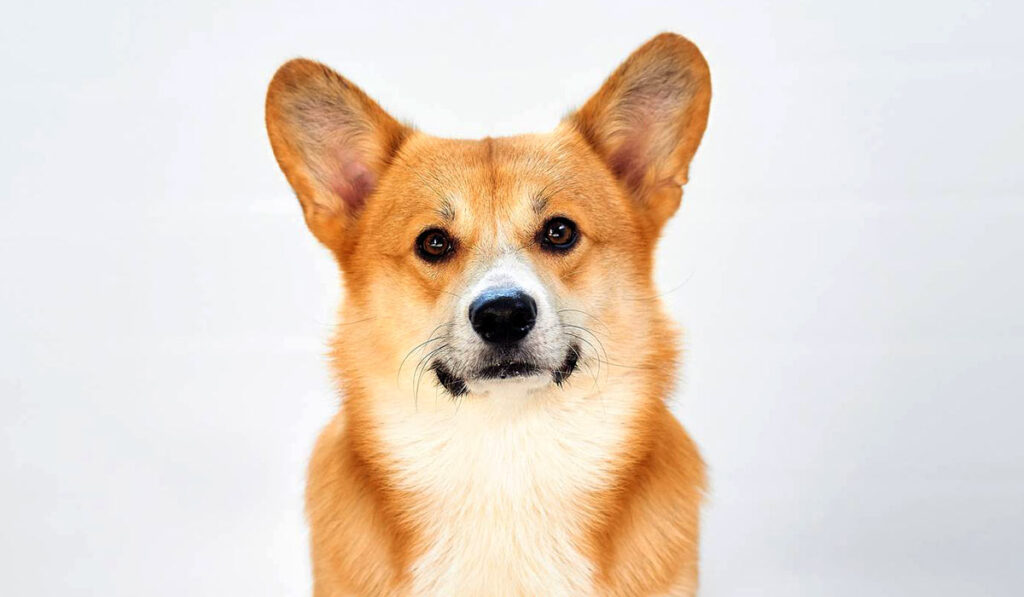
Corgis are herding dogs at heart, and some of that instinct survives into domestic life — they may nip at heels to “guide” family members, especially children. It’s easy to train out, but worth knowing in advance.
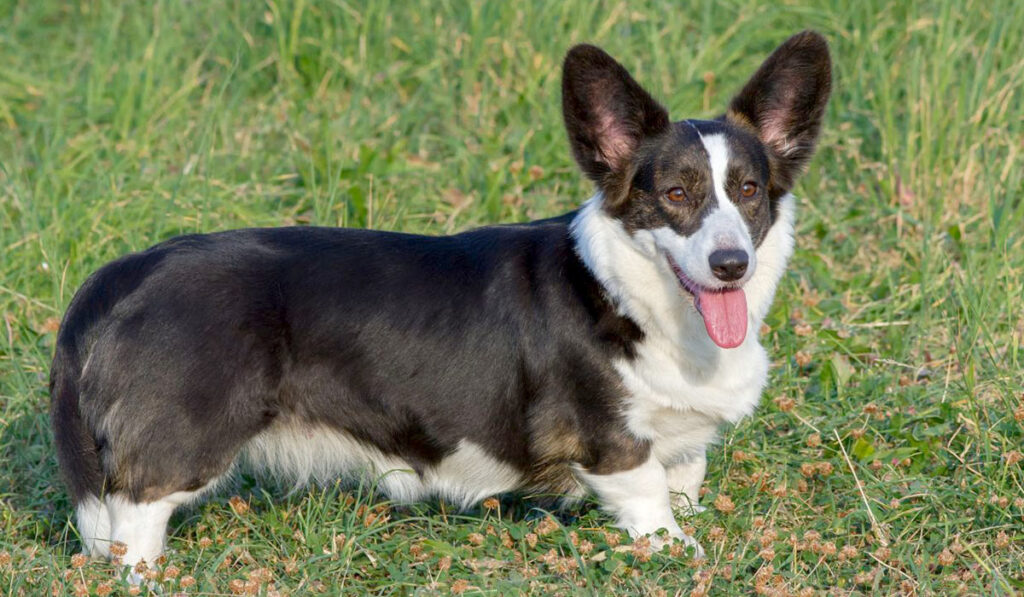
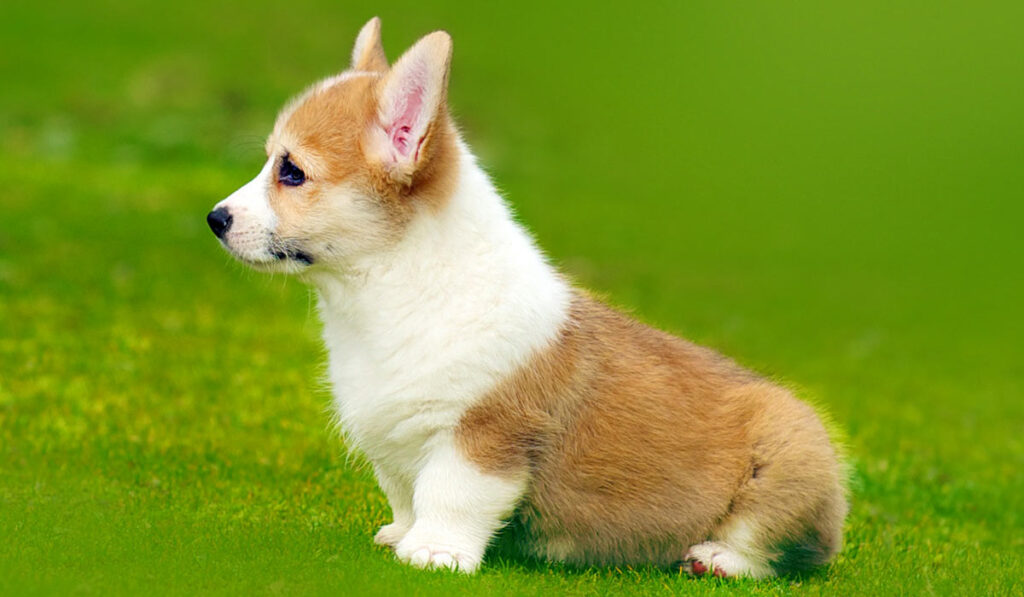
They follow you room to room, tap you with their paw when they want attention, and are genuinely wonderful with children. Their appetite is legendary — Corgis will eat as much as you give them, and weight management is a lifelong consideration. There’s also a closely related variety, the Welsh Corgi Cardigan, which differs mainly in size and tail length.
Video: Welsh Corgi
Irish Wolfhound
The Irish Wolfhound is one of the tallest dog breeds in the world — and one of the gentlest. The name sounds fearsome (they were historically used to hunt wolves), but in person these dogs are calm, dignified, and deeply affectionate with their families.
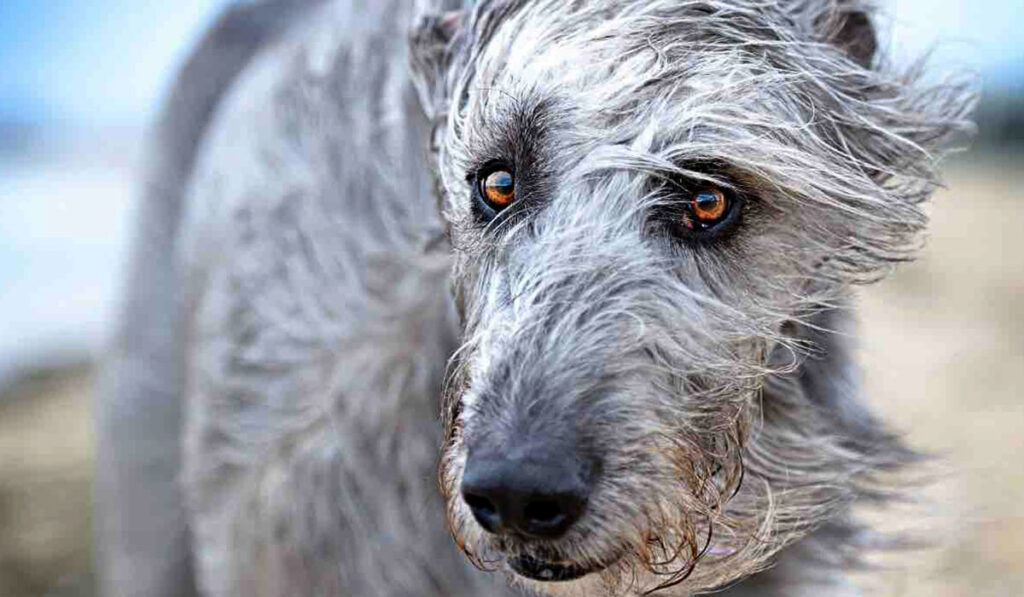

Irish Wolfhounds love their people without being clingy or competitive. They’re not guard dogs — they lack the suspicion and territorial instinct — but an intruder who sees a Wolfhound in the yard will typically reconsider their plan. The breed is not great with small animals due to prey drive.
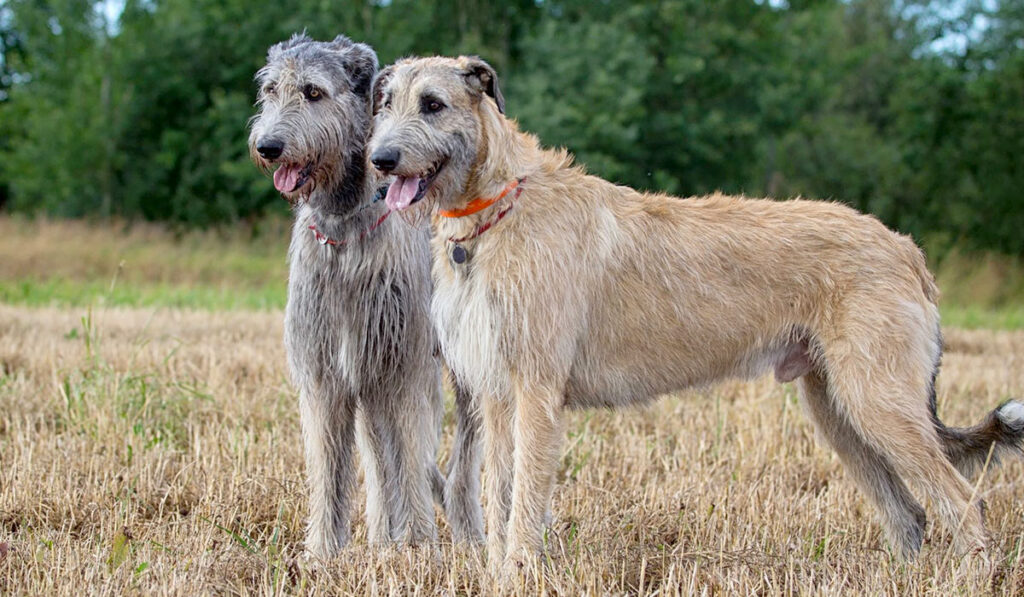
Training must be built on trust and mutual respect — they’re sensitive and don’t respond to harsh corrections. Repeat yourself too many times and they’ll switch off entirely. This breed needs space: both physical space to move, and emotional space to be treated as an equal.
Video: Irish Wolfhound
Cavalier King Charles Spaniel
This breed’s origins lie in the British aristocracy — these small, expressive dogs were kept as lap dogs by royalty centuries ago, regardless of whatever official rules said about pets at court. Today they’re equally popular with celebrities, which keeps them firmly on the expensive end of the spectrum.
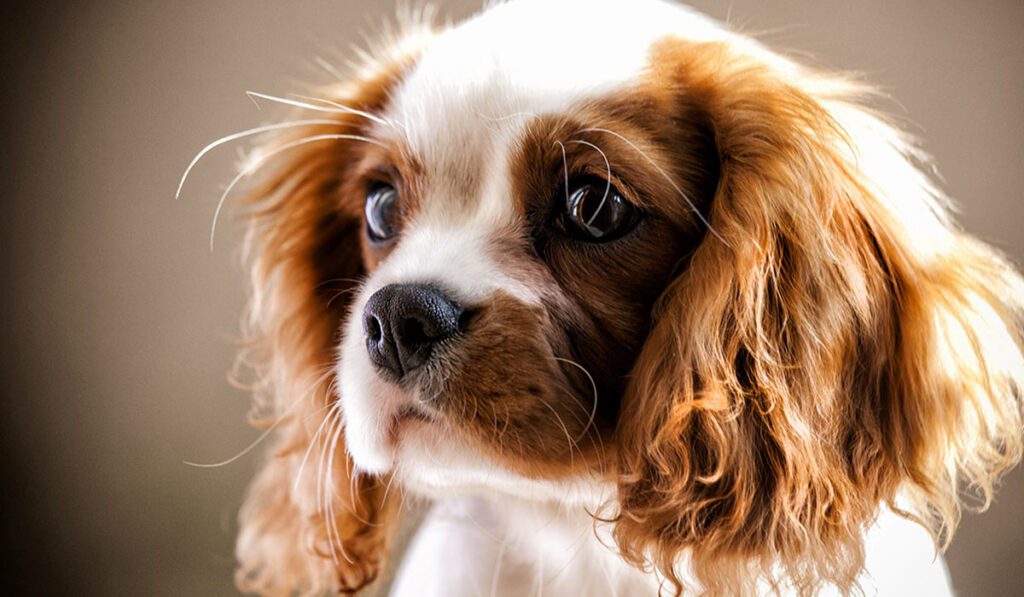
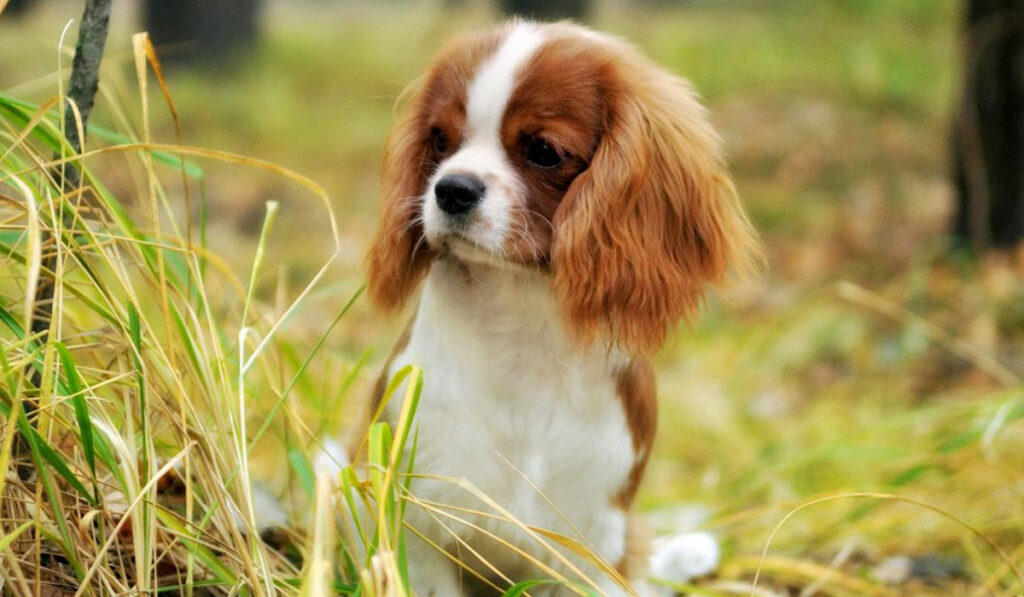
Cavaliers are social, adaptable, and completely without aggression. They get along with cats, dogs, birds, reptiles — just about anything. Their one notable flaw is boundless, occasionally exhausting enthusiasm: they insert themselves into everything. In a large, active family, this is charming. In a quiet household, it can become a lot.
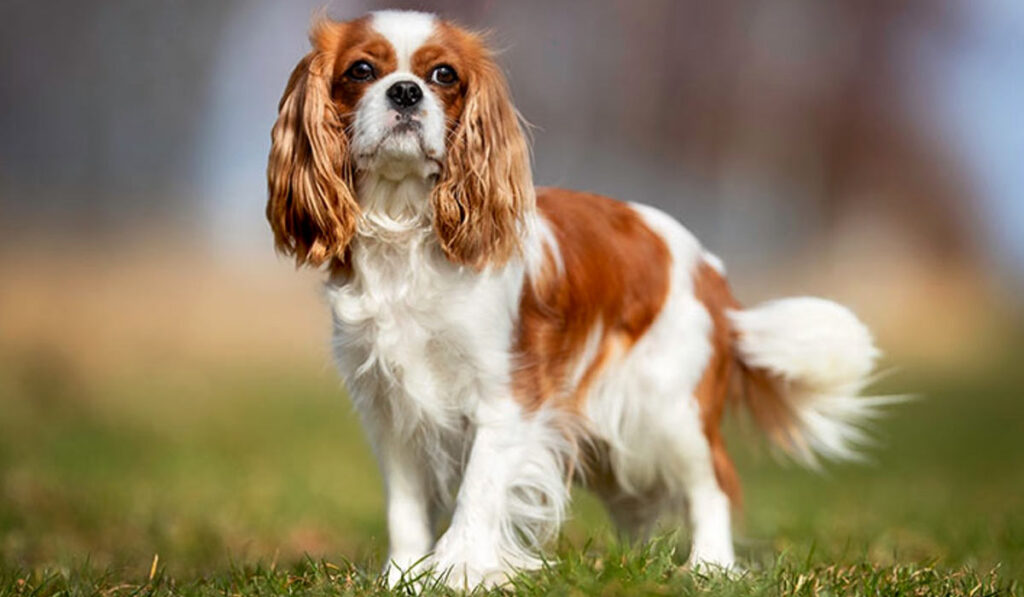
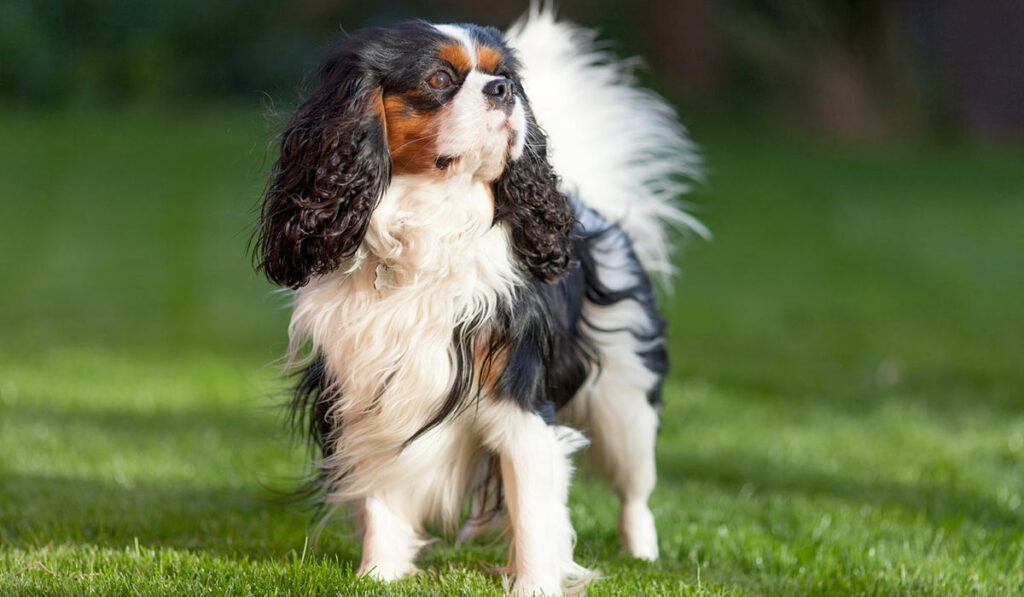
Training should always be gentle — any roughness will shut them down fast. On walks, their hunting instincts can kick in without warning, so “come” and “leave it” are essential commands to nail early.
Video: Cavalier King Charles Spaniel
Leonberger
The Leonberger is a lion-sized gentle giant from Germany. Adults are enormous — but remarkably calm and sweet-natured with children. Puppies, however, have a habit of nipping before they fully understand their own size and strength, so early training is important.
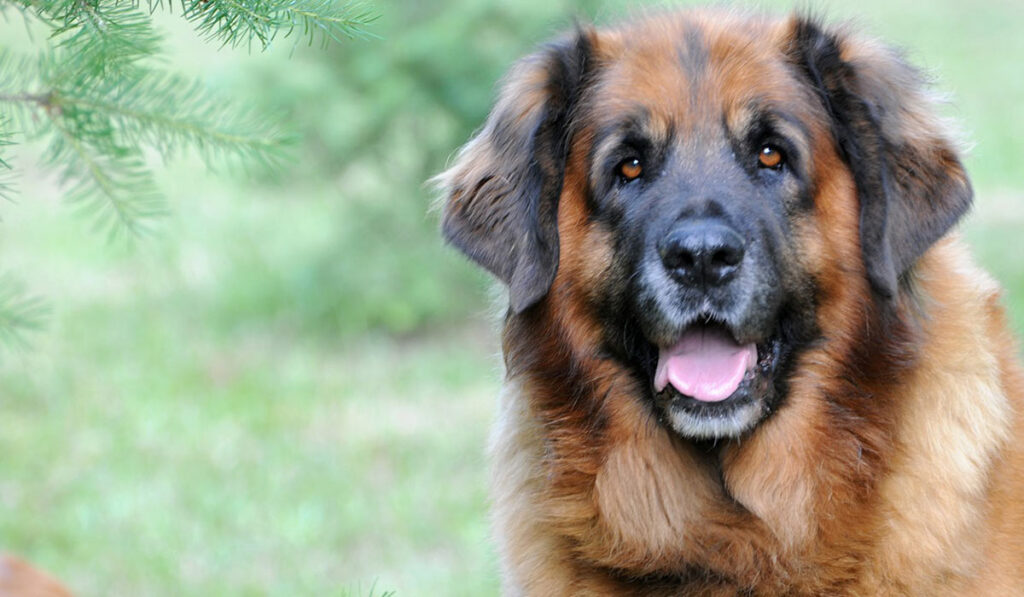
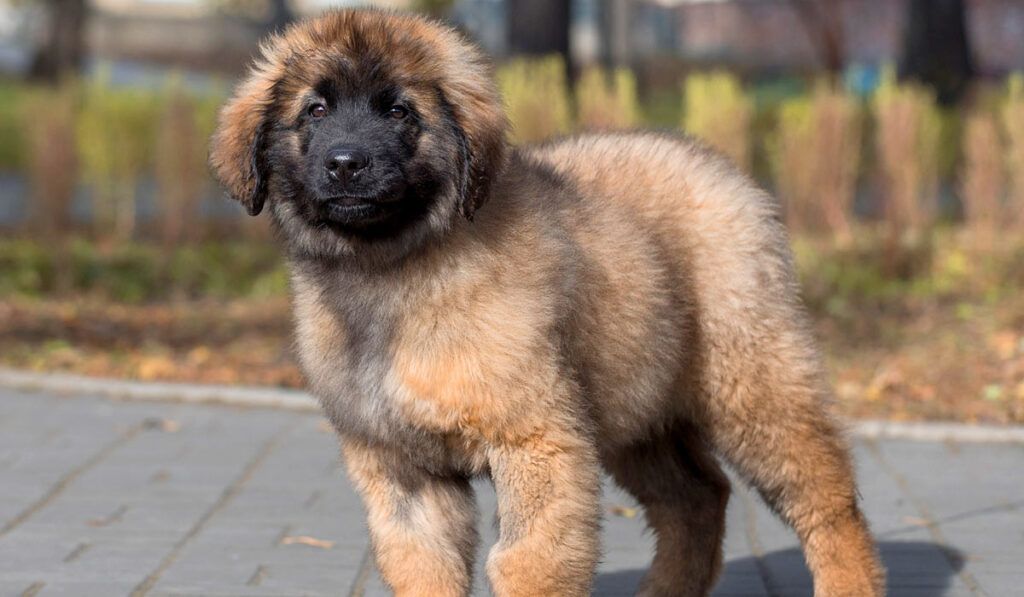
Don’t expect a guard dog. The Leonberger sees most things as non-threatening, and it would rather greet a stranger than confront one. That said, its bark alone is enough to deter most people.
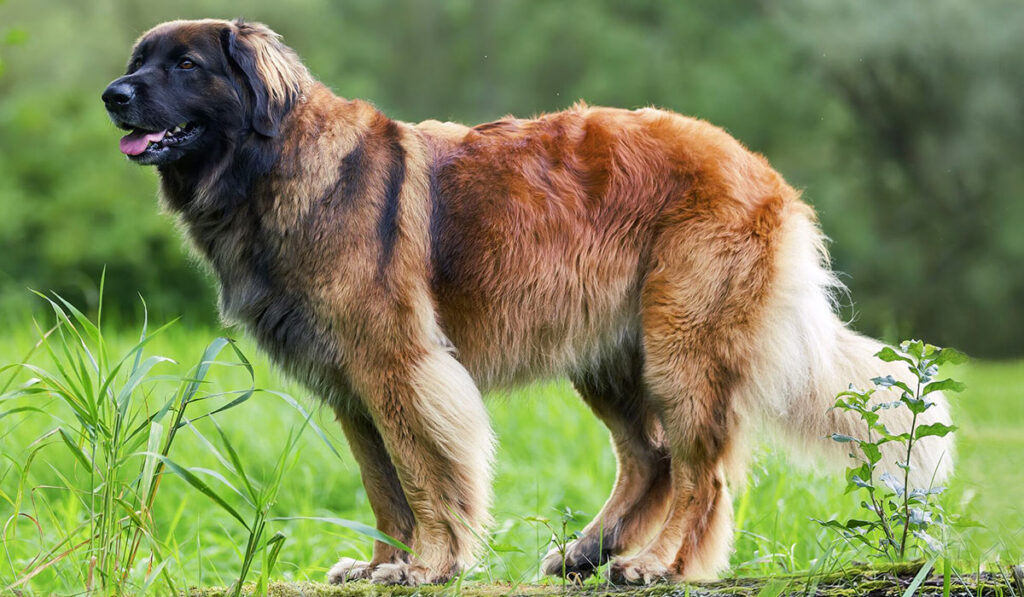
This breed needs space — a house with a garden, not an apartment. Chaining a Leonberger is genuinely harmful to its wellbeing. If you’re considering two Leonbergers at once, know that bonded pairs tend to focus intensely on each other rather than their owners. One loyal Leo is usually the better choice.
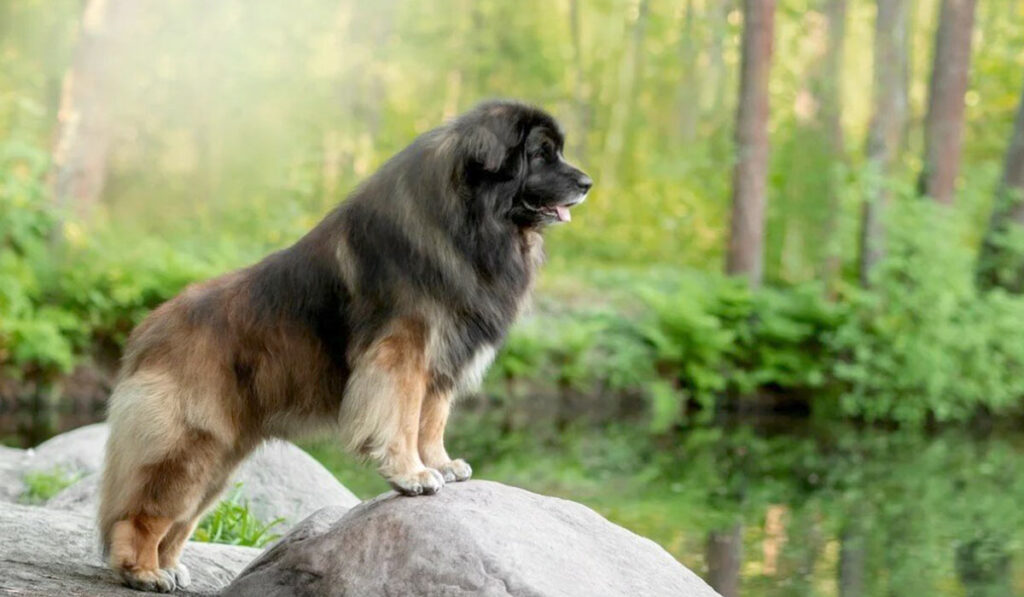
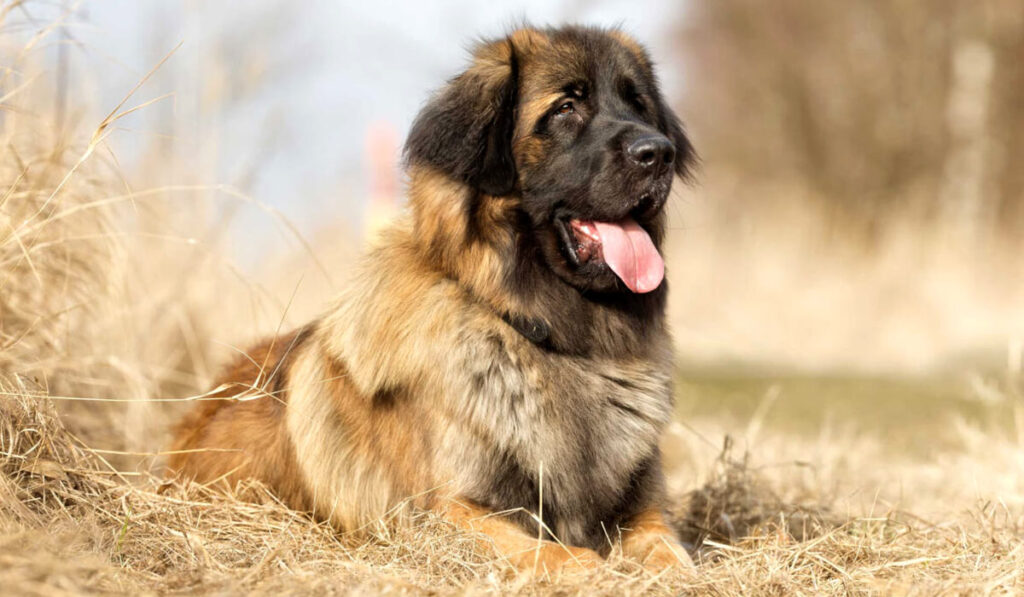
Worth knowing: the Leonberger’s thick coat means it handles cold climates beautifully and genuinely struggles in heat.
Video: Leonberger
Neapolitan Mastiff
Two thousand years ago, the ancestors of the Neapolitan Mastiff marched with Roman legions. Today, the Mastino Napoletano is rare, impressive, and one of the most loyal dogs you’ll find — but firmly on its own terms.
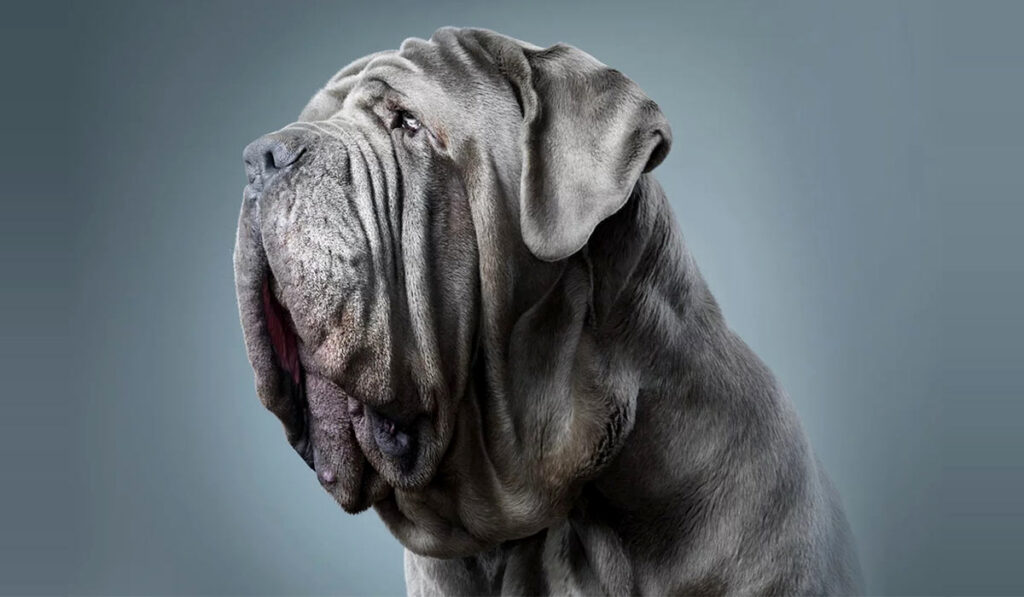
The Mastino bonds to one person above all others. If that person doesn’t give the dog enough attention, it can become withdrawn or, in some cases, jealous of other family members. The solution is simple: engage with your dog. A Mastino that feels secure is even-tempered and deeply protective.

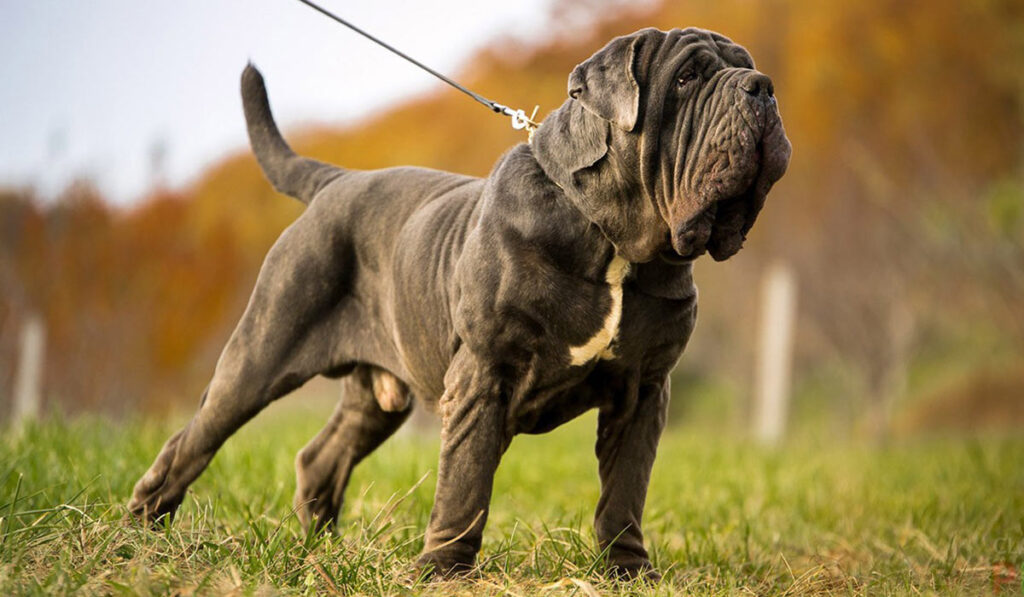
This is a natural guardian. Even half-asleep in the shade, the Mastino knows exactly what’s happening on its territory. It needs a firm owner — not aggressive, but consistent and clear. The dog is not suitable for passive or inconsistent owners who will inadvertently hand it the decision-making.
Video: Neapolitan Mastiff
Prague Ratter
The Prague Ratter (Pražský Krysařík) is one of the smallest dog breeds in the world, and one of the oldest. As the name suggests, these little dogs were originally working rat-catchers in Bohemia. Today they’re companions — but the hunting instinct is very much still there.
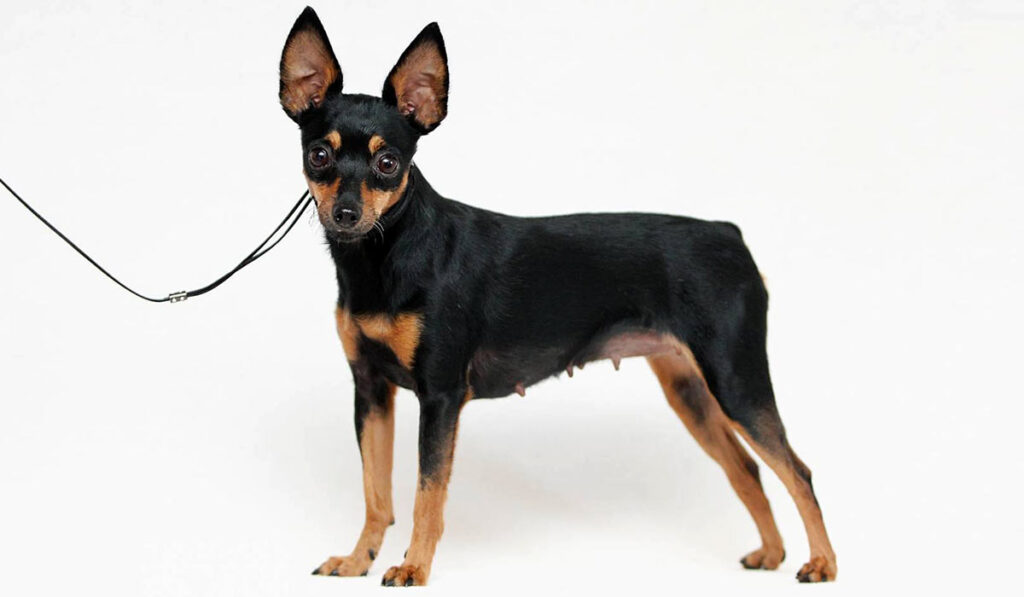
Don’t introduce your Prague Ratter to mice, gerbils, or chinchillas. With cats, though, they generally do fine — possibly because both species share a certain disdain for nonsense. The breed is sociable and warm, often described as a “pocket comforter.”
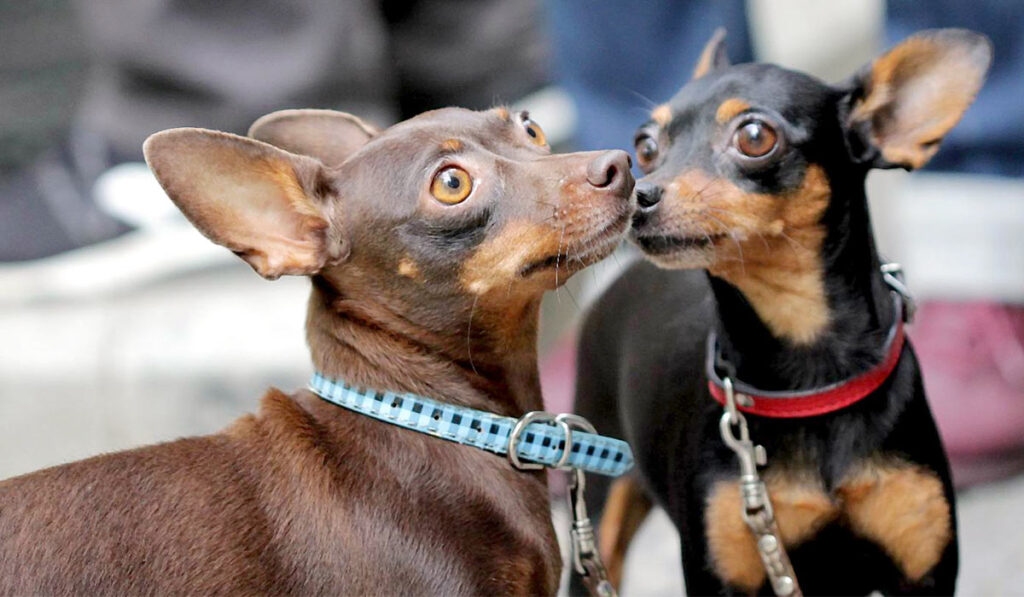
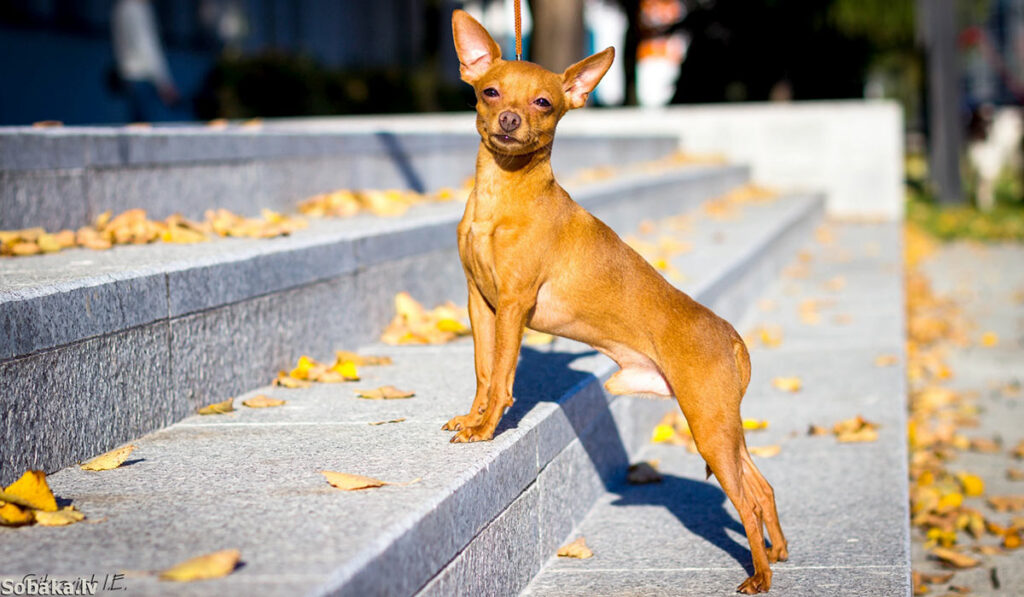
Despite its size, the Prague Ratter is fearless. It will challenge dogs ten times its size if it feels its rights are being infringed upon — so walks on a leash are strongly advised. It’s also a natural hoarder: if something goes missing in your house, check the dog’s hiding spots first.
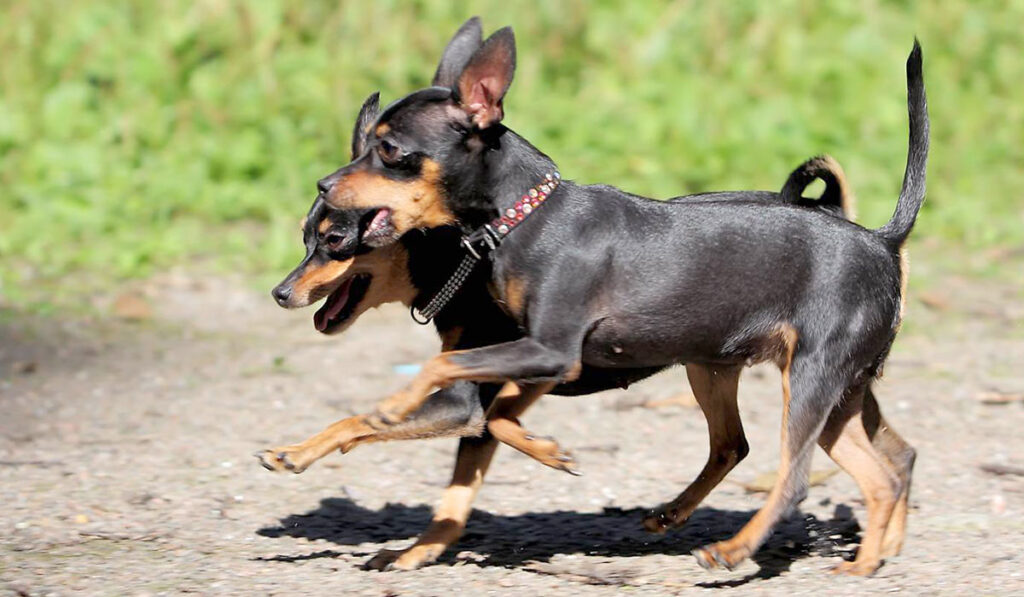
The temptation to spoil a dog this small and adorable is real — resist it. Prague Ratters are smart and perceptive, and they will absolutely exploit softness if you offer it.
Video: Prague Ratter
Russian Black Terrier
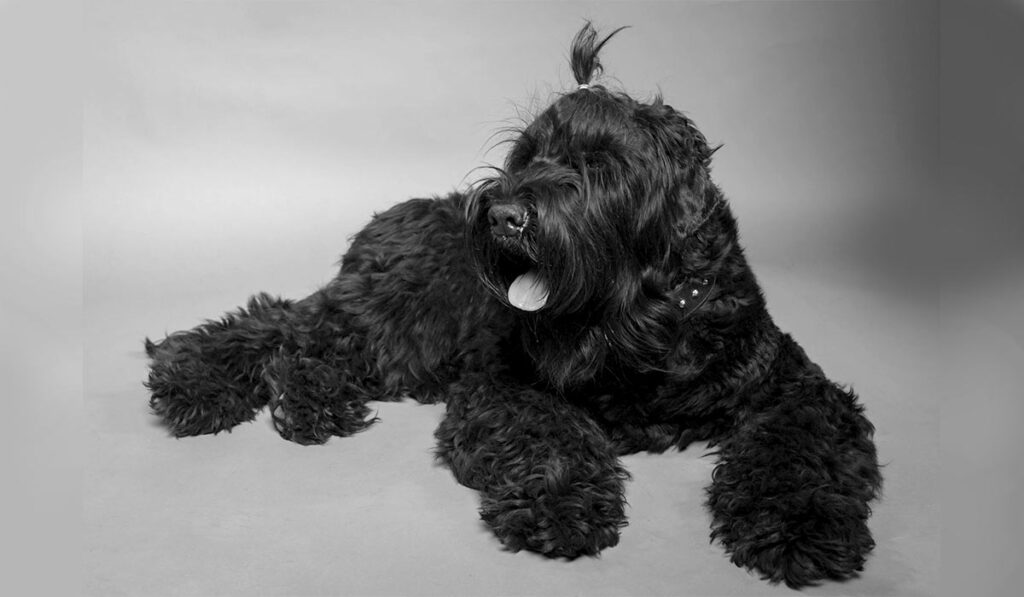
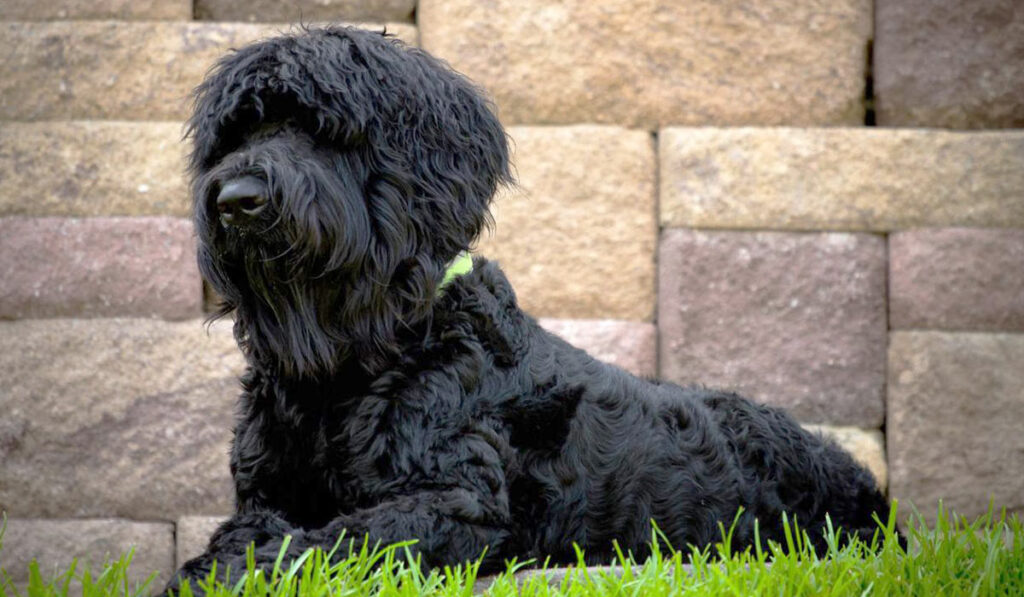
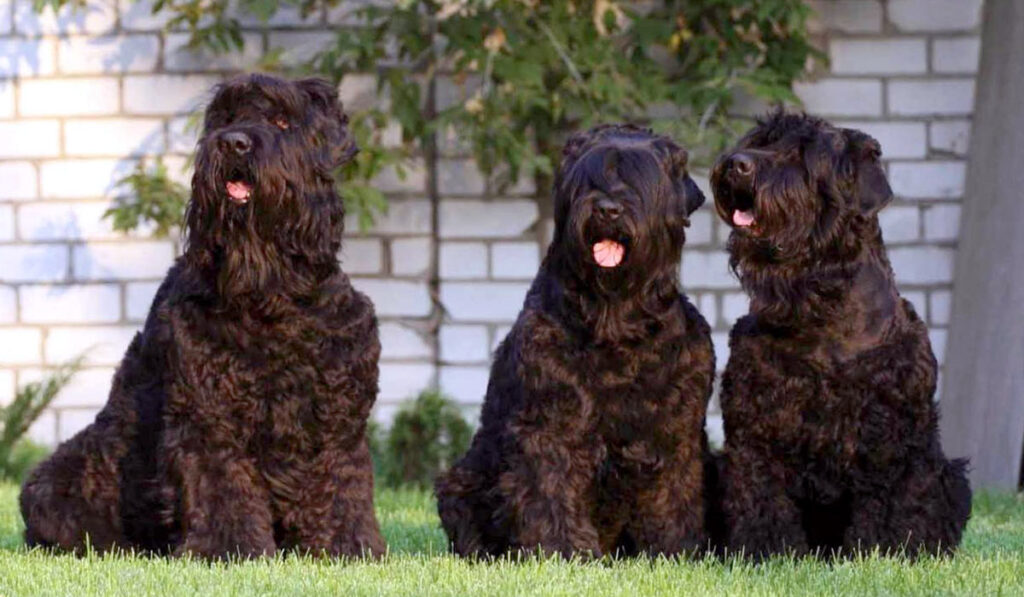
Despite the name, the Russian Black Terrier isn’t technically a terrier. It belongs to the Schnauzer and Pinscher group, and was developed in the Soviet Union using Rottweilers, Giant Schnauzers, Airedale Terriers, Newfoundlands, and several other breeds. The goal, reportedly driven by Stalin’s personal directive, was a versatile working dog that could handle any climate and any task.
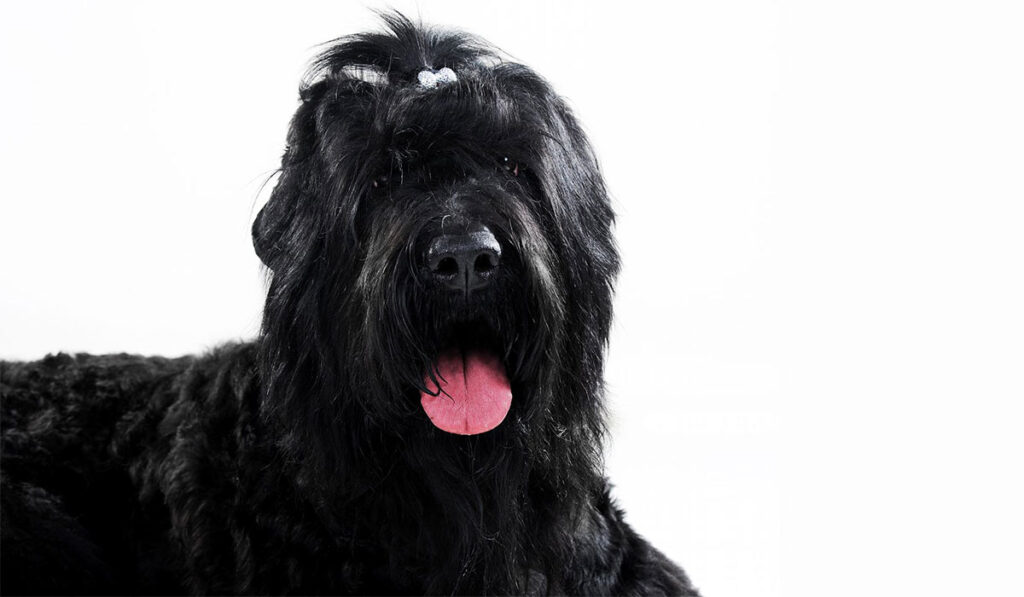
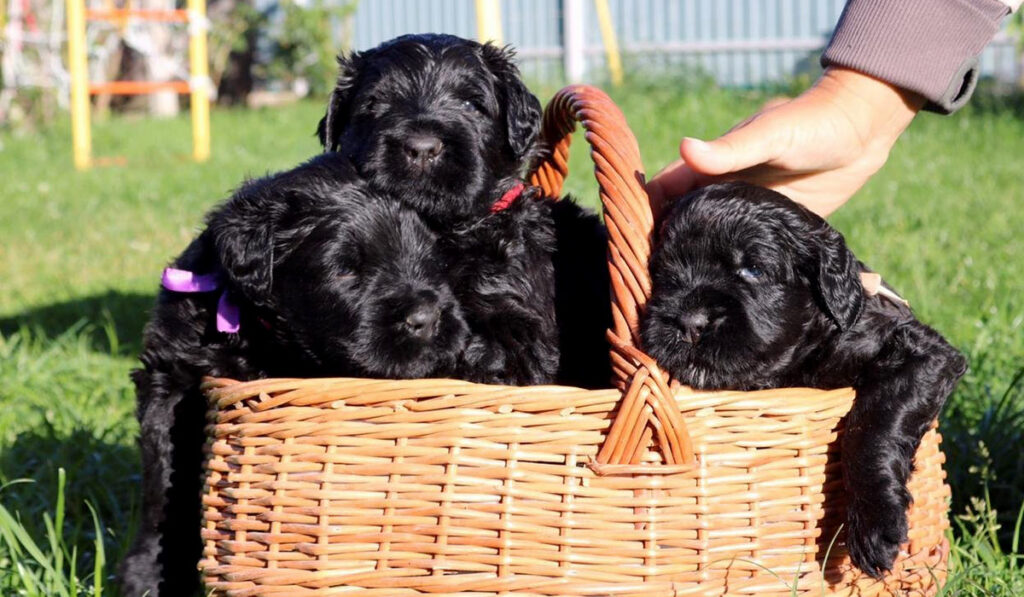
Today’s Russian Black Terrier is a superb companion and guardian. It will patrol a large property thoroughly and systematically. It won’t attack without cause — but it has an excellent memory and doesn’t forgive mistreatment. Push this dog and you’ll understand why.
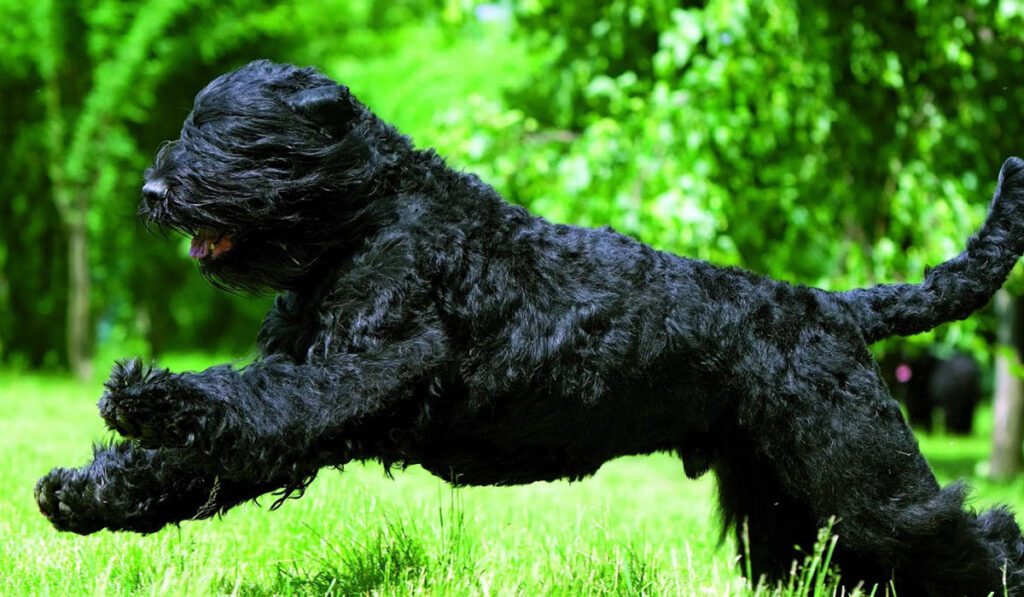
It does well with older children and is trainable — though the dog must see the purpose in what you’re asking. Pointless repetition won’t work. The owner needs to be confident and consistent. Lines with more Airedale blood tend to be friendlier and more sociable; those with more Rottweiler tend toward guarding and protection.
Video: Russian Black Terrier
https://www.youtube.com/watch?v=8cPkLlJ2hOQ
Saluki
The Saluki is one of the oldest dog breeds in recorded history, depicted in ancient Egyptian and Sumerian art dating back thousands of years. It was bred for endurance hunting across open desert terrain — and everything about its build reflects that: long, lean, and built for speed.
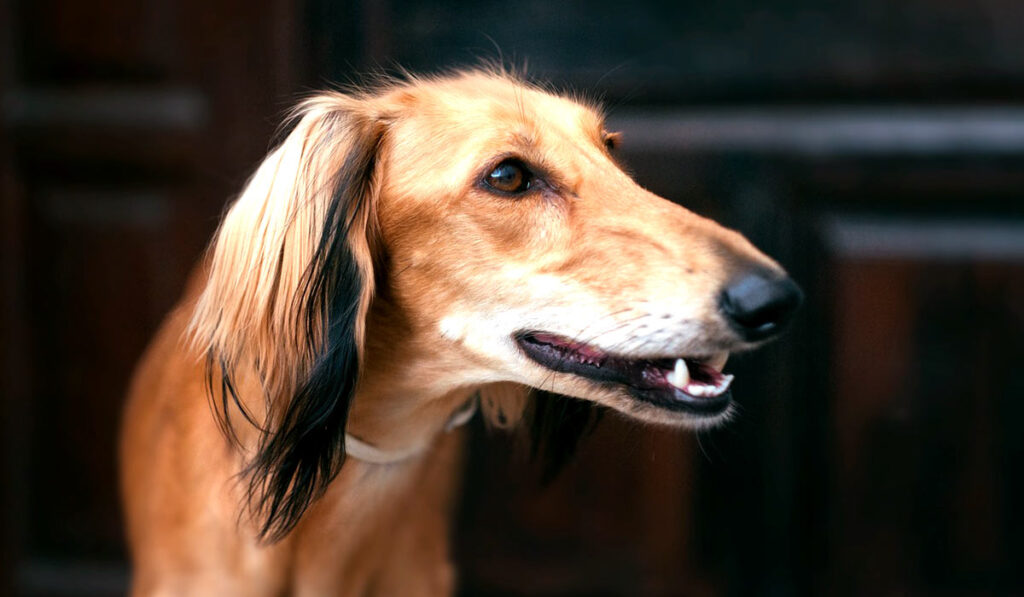
In temperament, the Saluki is gentle but sensitive — almost painfully so. Raised voices, household conflict, or harsh handling will unsettle this dog significantly. If your home runs hot emotionally, this is not the breed for you.
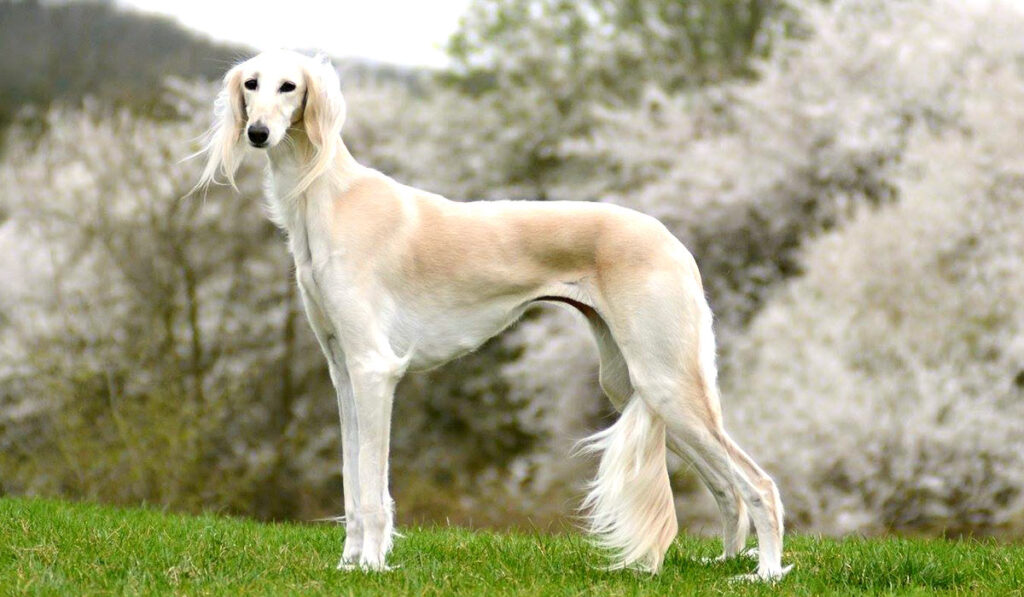
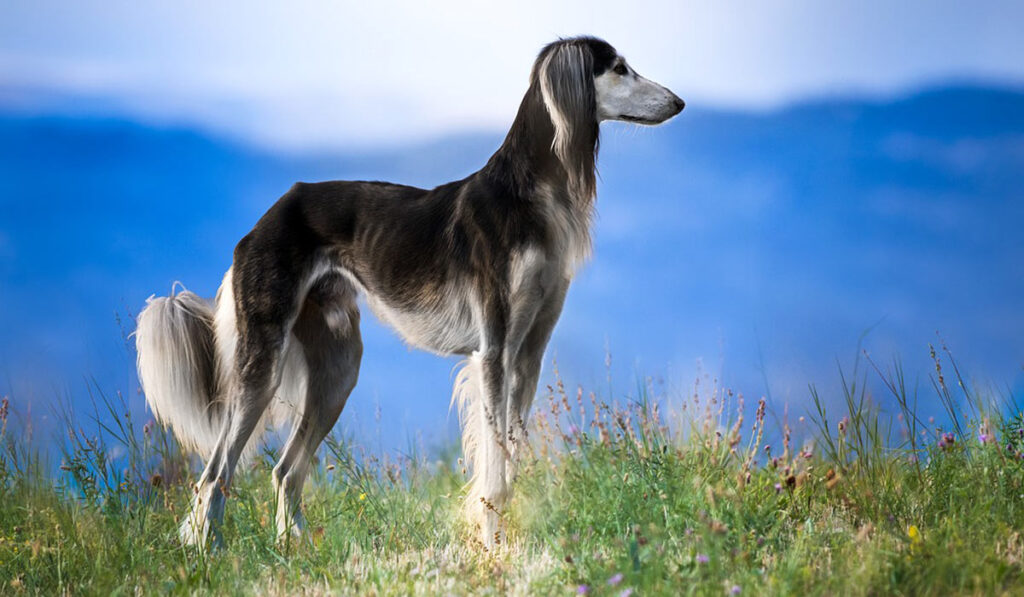
The Saluki bonds to one primary person while being friendly to all family members. Commands from anyone else are suggestions at best. The prey drive is strong — a cat or squirrel at a distance and the dog is gone. Off-leash freedom should only happen in completely enclosed spaces.
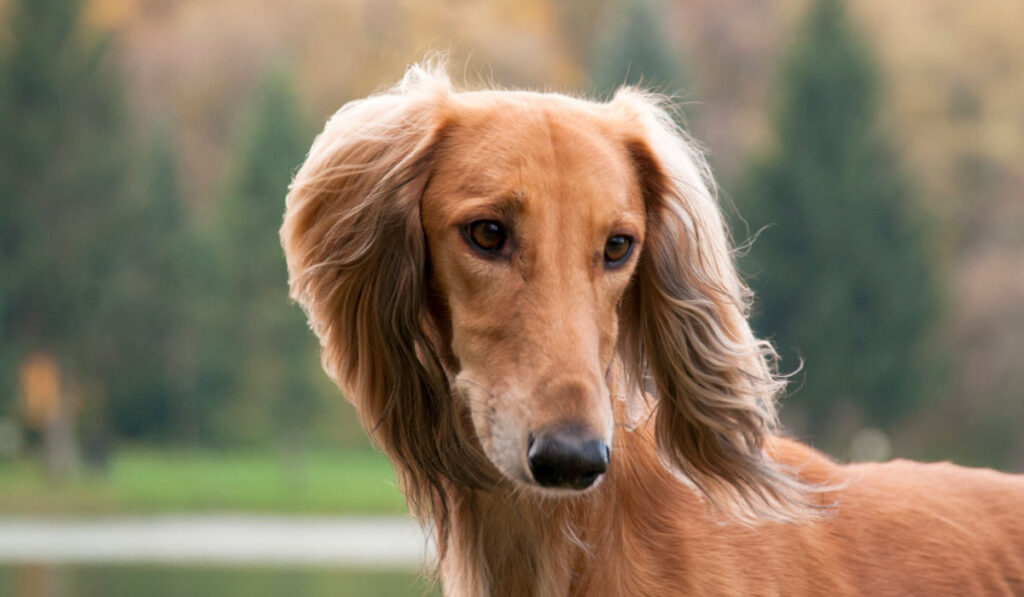
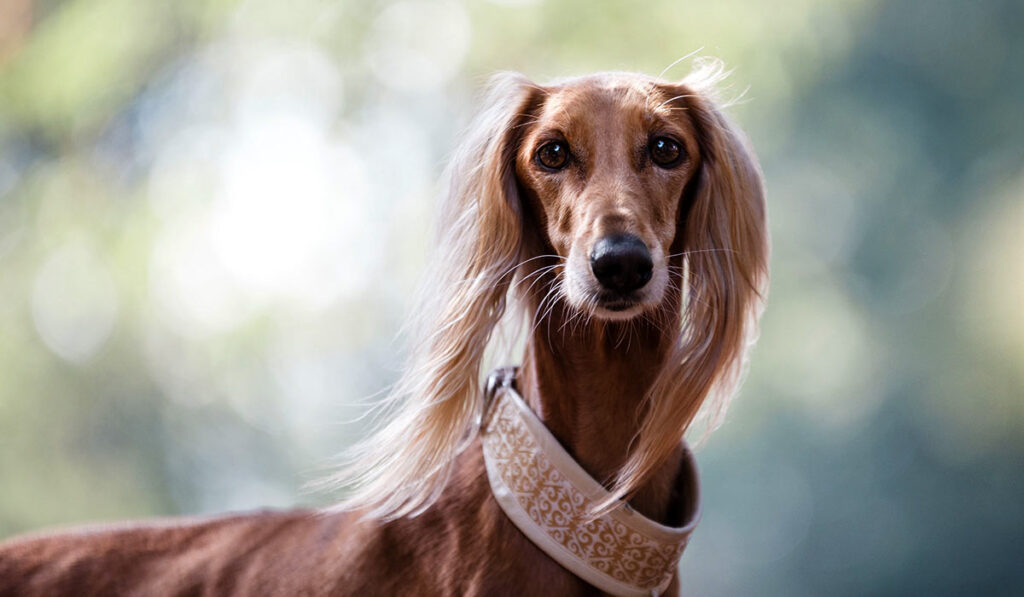
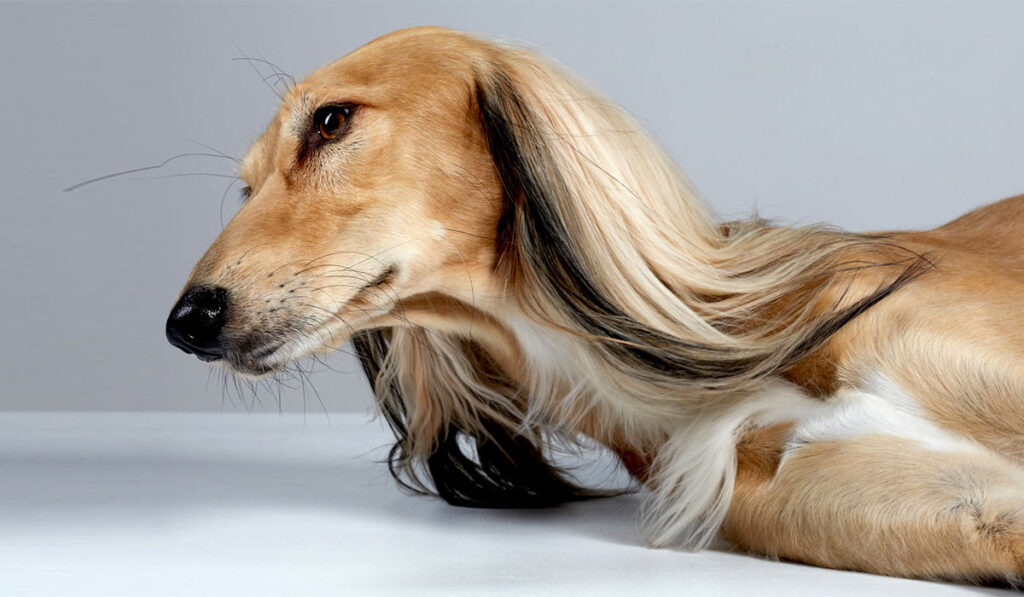
Training improves significantly with age — the stubborn, distractible puppy usually settles into something more cooperative as an adult. Coursing and lure sports are a natural outlet and help burn the energy that would otherwise go somewhere inconvenient.
Video: Saluki
Tibetan Mastiff
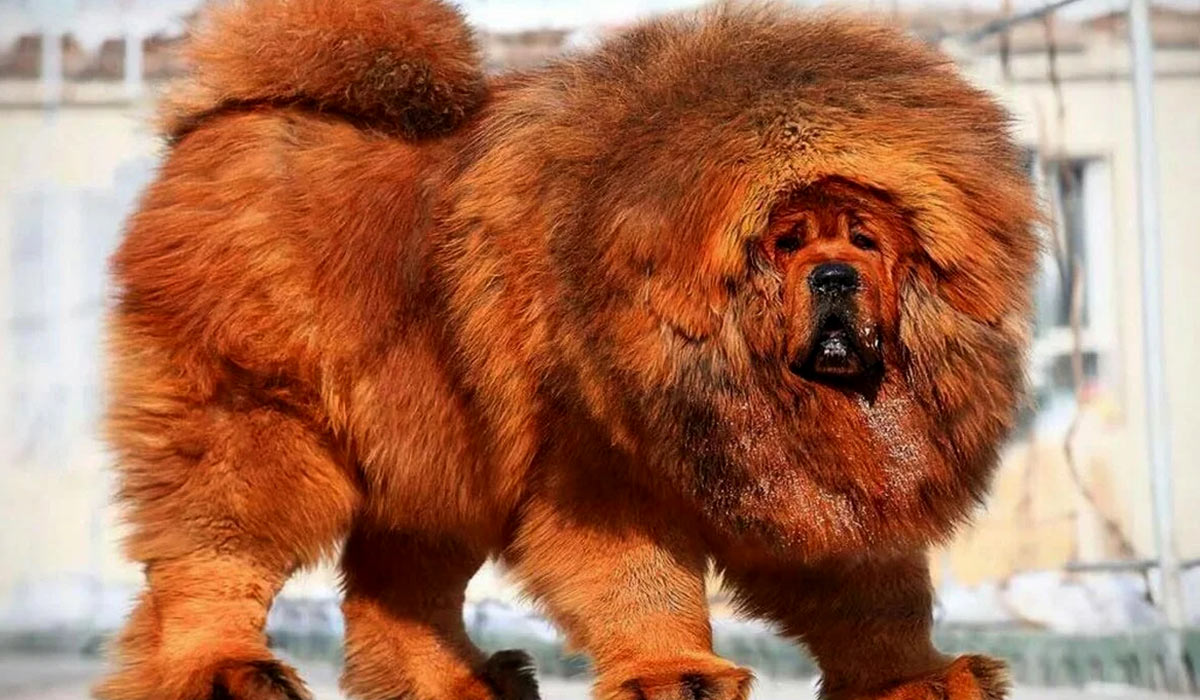
Few breeds carry as much history as the Tibetan Mastiff. Archaeological evidence places their ancestors alongside humans as far back as the Stone Age. The geographic isolation of Tibet kept the breed remarkably pure for millennia — and that ancient, self-sufficient character is still very much present in modern dogs.
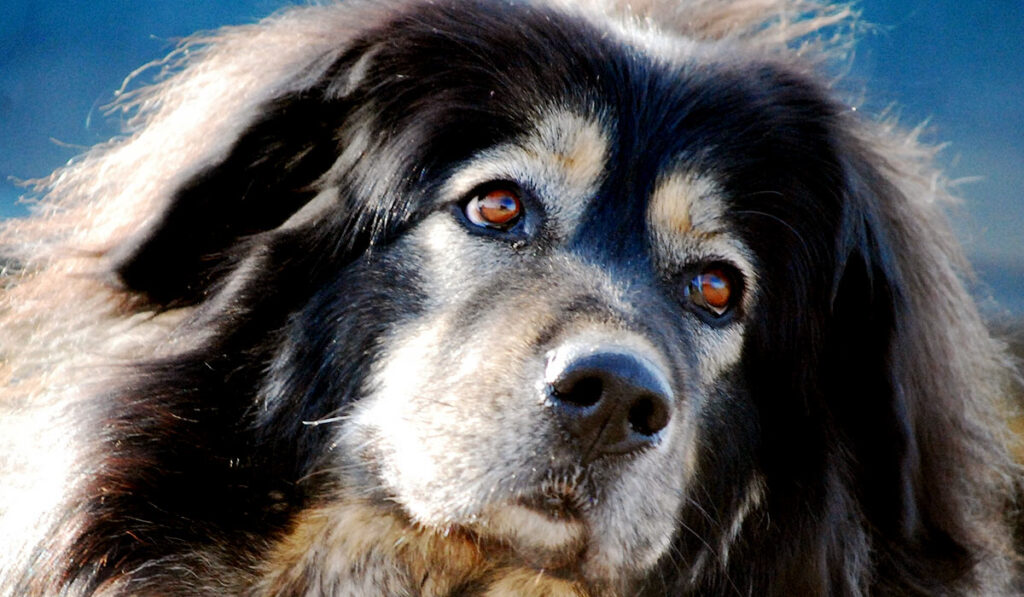
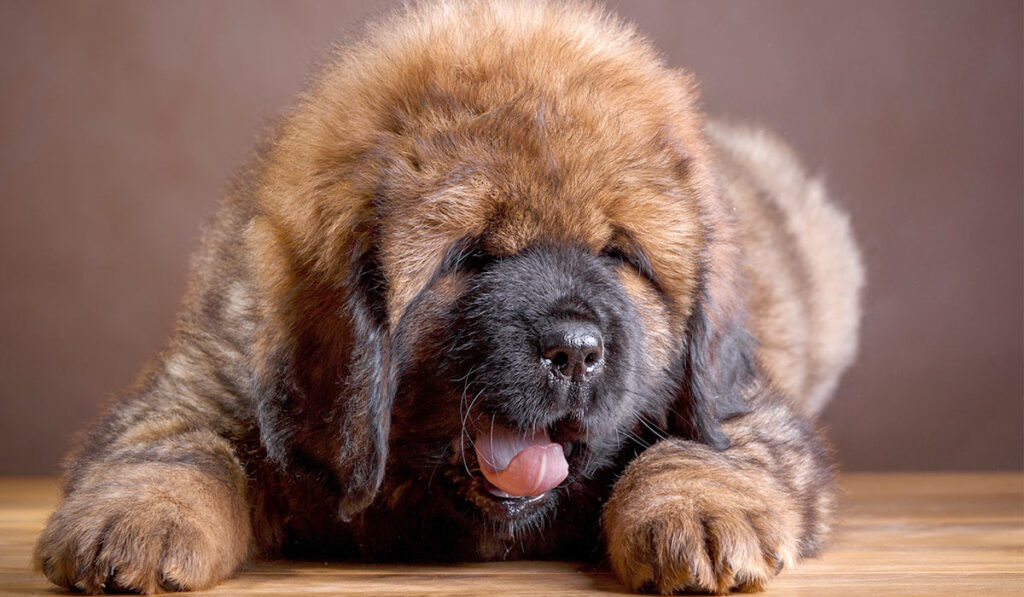
The Tibetan Mastiff has a strong sense of dignity. It won’t bark without reason, and it expects to be treated as an equal — not dominated, not coddled. One quirk worth knowing: Tibetan Mastiffs are naturally nocturnal. Historically they slept through the day to guard monasteries and villages at night. That instinct persists — expect some barking after dark.
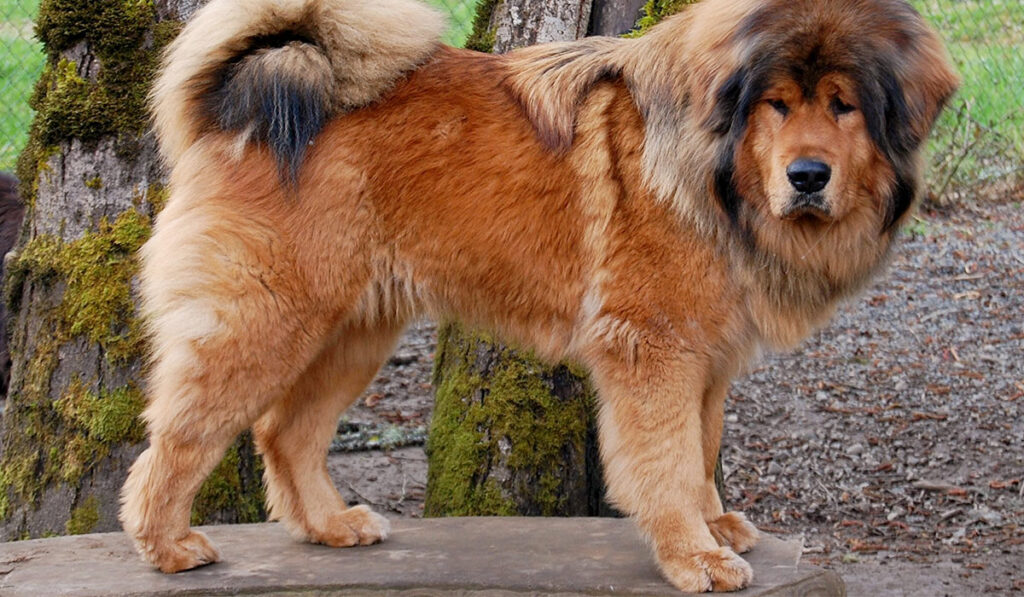
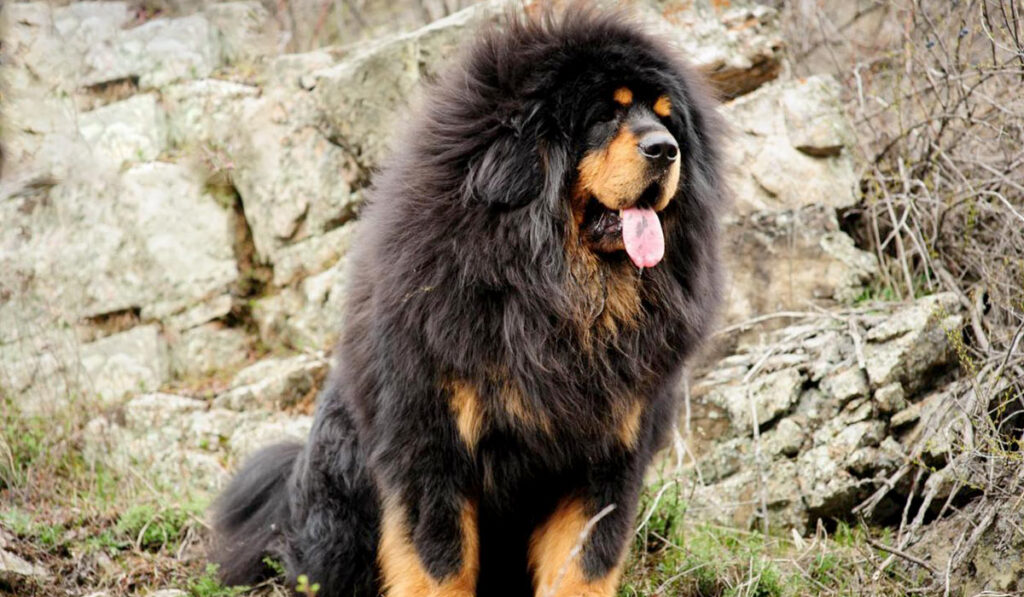
They won’t aggress without provocation, but their intuition about people is sharp — if your dog is uneasy around someone, pay attention. Best suited to quiet households without very young children or constant visitors.
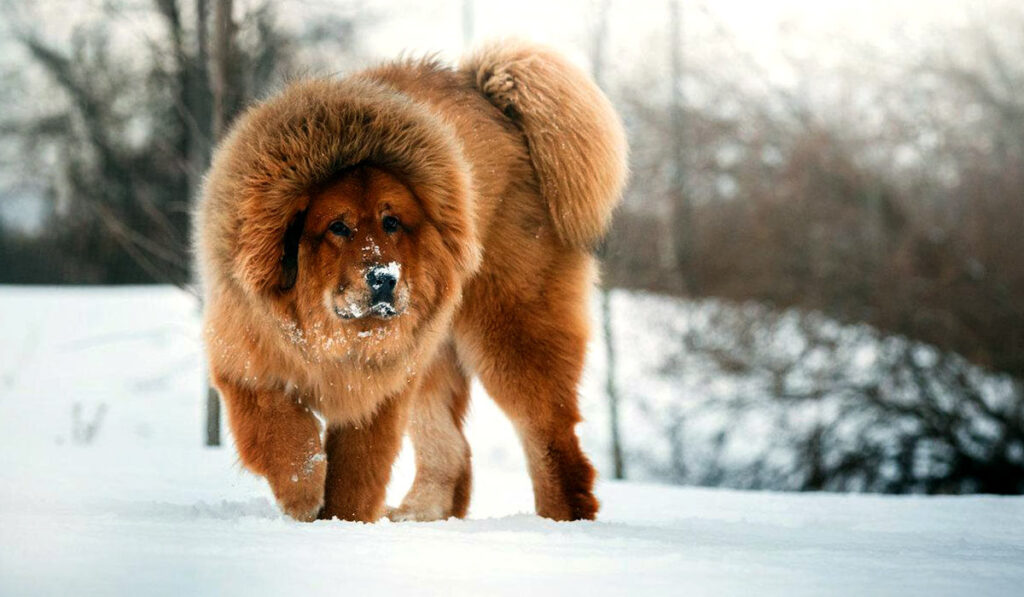
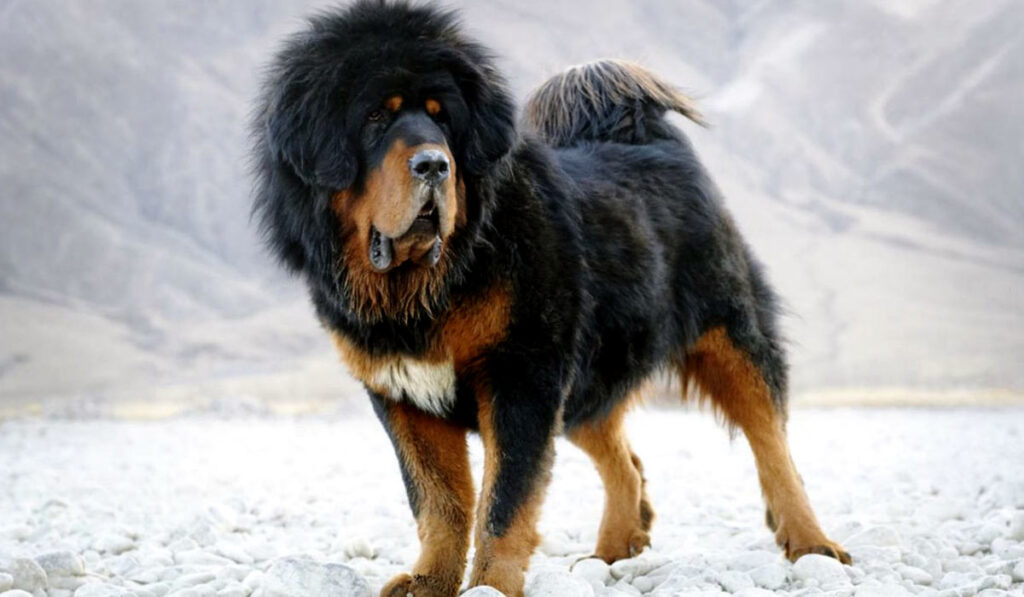
Training must be built on trust and patience — trying to force compliance will cost you the dog’s respect, and once lost, it’s hard to recover. Animals raised alongside the Mastiff from puppyhood are accepted without issue. Introducing adults is a different story.
Video: Tibetan Mastiff
https://www.youtube.com/watch?v=98bMhXQ_D80
Pharaoh Hound
The Pharaoh Hound is Malta’s national dog, and despite the name, its origins are tied to the Mediterranean rather than ancient Egypt. Its striking profile — large amber eyes, upright ears, deep rust coat — does look remarkably like the jackal-headed god Anubis. The breed’s official Maltese name is Kelb tal-Fenek, meaning “rabbit dog.”
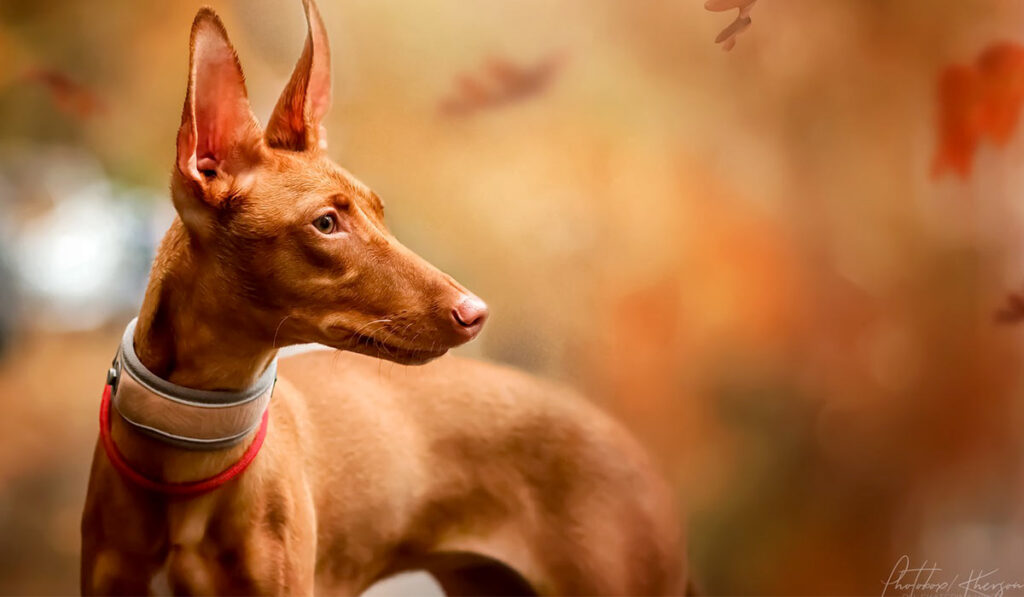
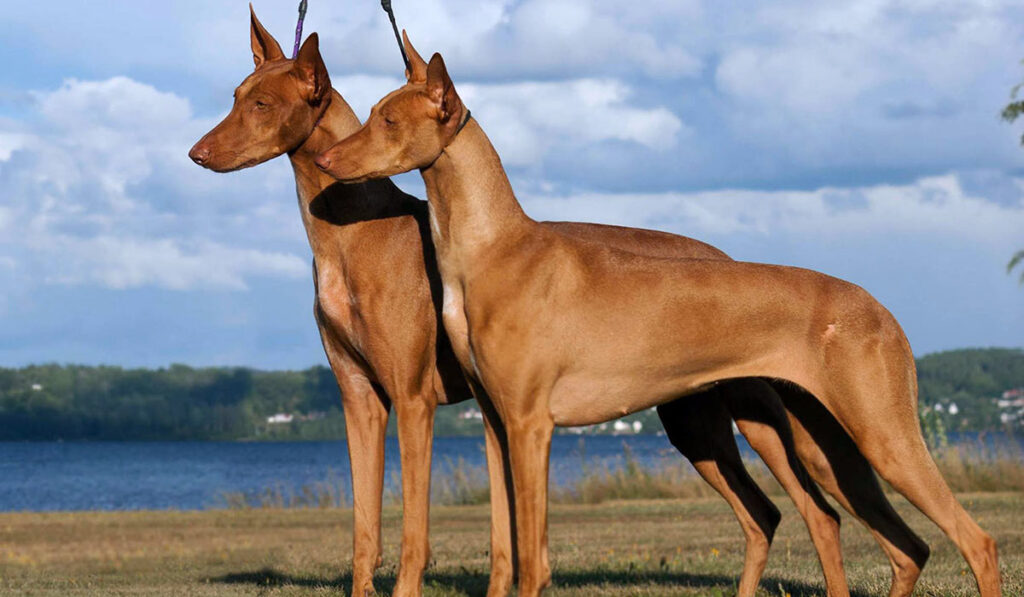
Today’s Pharaoh Hound is an image breed — elegant, rare, and status-conferring. In personality, it’s warm and adaptable: equally comfortable with children, other dogs, and a house full of guests. It doesn’t single out one person the way some breeds do — the whole family gets equal treatment, delivered with impressive tact.
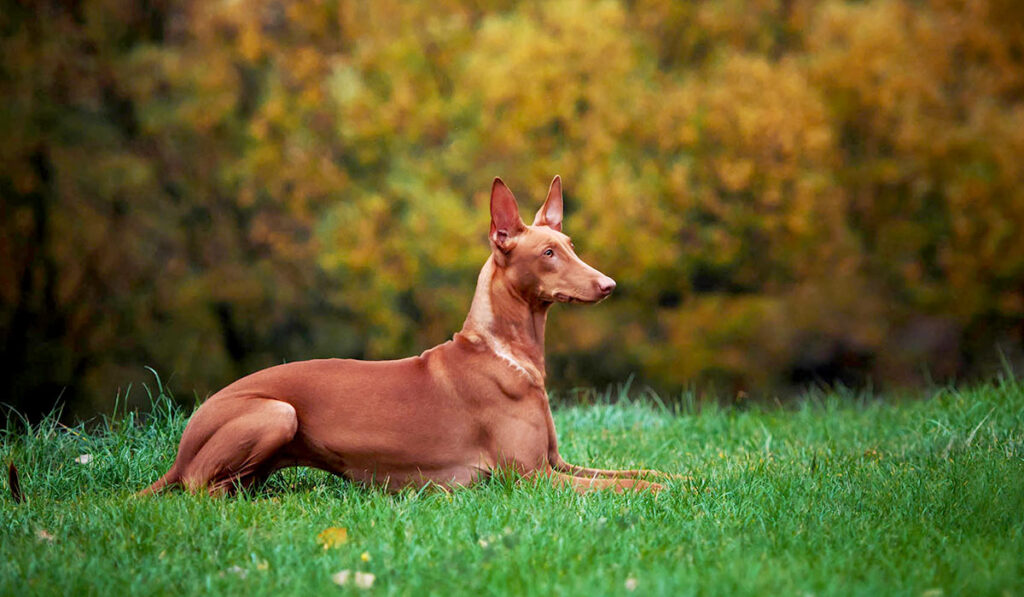
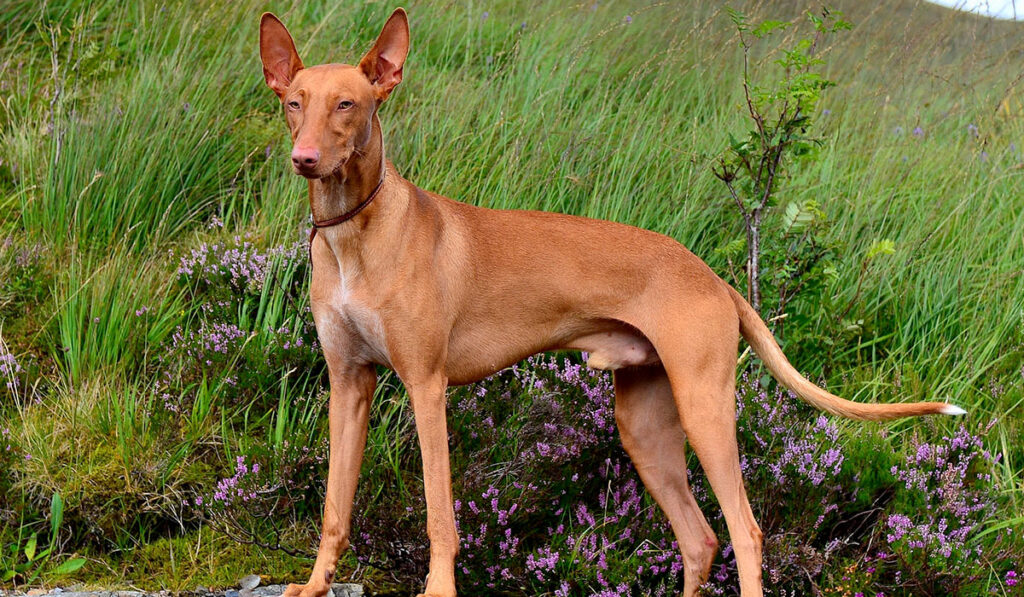
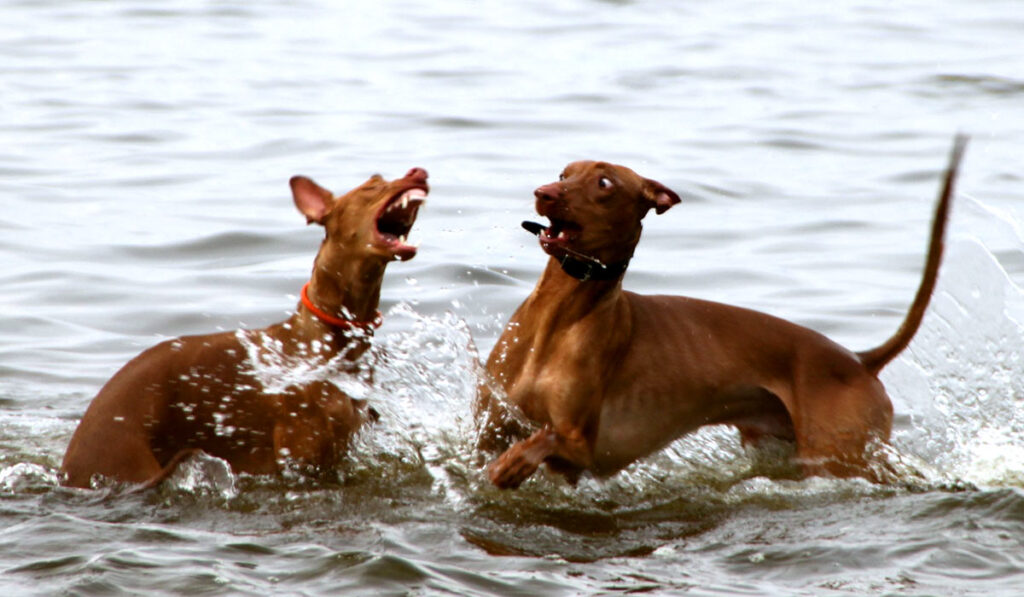
One notable trait: the Pharaoh Hound “blushes” — its nose and ears flush pink when excited or happy. Training takes time, not because the dog is dim (it has excellent long-term memory), but because it was bred for hunting and friendship rather than obedience drills. Simplified, activity-based training works far better than formal commands repeated in a backyard.
Video: Pharaoh Hound
https://www.youtube.com/watch?v=FNQOt5C9RBI
These 17 breeds share one thing beyond price: each requires an owner who genuinely understands them. Rarity and prestige mean nothing if the match isn’t right. Research the breed before the puppy, and you’ll have a dog worth every dollar.