




If your dog is scratching more than usual and you’re spotting tiny dark specks in their fur — fleas are likely the culprit. The good news: they’re beatable. Here’s how to get rid of dog fleas fast and keep them from coming back.

Start with a Bath
Before reaching for any treatment, give your dog a bath. Use laundry soap or tar soap — work up a heavy lather and leave it on for 10–15 minutes. This suffocates and washes off a portion of the fleas.
Rinse thoroughly under warm running water, then dry the coat and comb through with a fine-tooth flea comb. You won’t eliminate every flea this way, but it’s an important first step before applying any treatment.
The 5 Most Effective Flea Treatments
Modern flea treatments are powerful — most work in 1–2 applications. The best results come from combining methods.
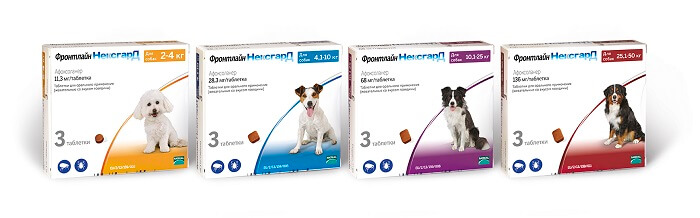
1. Spot-on drops
The most popular option. Apply to the skin at the back of the neck once every four weeks. The active substance absorbs into the bloodstream and repels fleas from the inside out — works as both treatment and prevention.
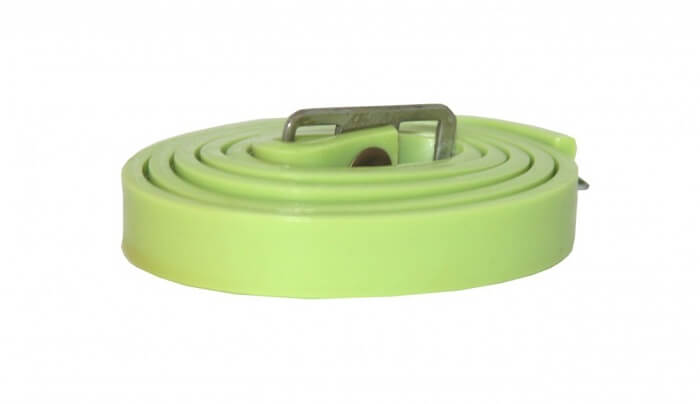
2. Flea collars
Simple to use and long-lasting — some collars protect for up to 8 months. That said, they’re not for every dog. Collars are not recommended for puppies under 6 months, dogs over 10 years old, or pregnant, nursing, or sick animals. Watch for signs of skin irritation or allergies with prolonged wear.
3. Flea spray
Effective when applied correctly, but requires care. Keep it away from the dog’s eyes and don’t let them lick treated areas. After spraying, keep your dog away from children and off your furniture for 24 hours.
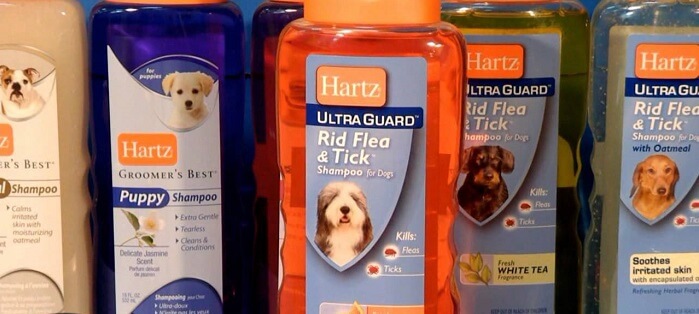
4. Flea shampoo
Good as a first-step treatment, but not strong enough on its own. Flea shampoo kills fleas on contact during the bath but offers no residual protection. Use it alongside spot-on drops or a collar. Watch for side effects in sensitive dogs: excessive drooling, red mucous membranes, or nausea.
5. Oral flea tablets
Convenient and mess-free — give with food or place directly in the mouth. Tablets kill adult fleas quickly, often within hours. Because of their side effect profile, they’re typically used for acute infestations rather than long-term prevention.
Don’t Forget the Home
Here’s the thing most people miss: about 95% of a flea infestation lives in your home, not on your dog. Flea eggs, larvae, and pupae hide in carpets, bedding, furniture, and floor cracks.
To fully clear a flea problem:
- Wash your dog’s bedding in hot water (60°C / 140°F)
- Vacuum all carpets, rugs, and sofas thoroughly — then empty or dispose of the vacuum bag
- Treat your home with a household flea spray, focusing on baseboards and soft furnishings
- Repeat in 2 weeks to catch any newly hatched fleas
Prevention: Don’t Wait for Fleas to Show Up
Fleas are most active from March to November, so start monthly preventative treatment at the beginning of spring. If you live in a warm climate, year-round protection makes sense.
Regular grooming — especially combing through the coat after walks in grassy or wooded areas — helps you catch fleas early before they multiply. Combined with consistent monthly treatment, that’s usually enough to keep your dog flea-free.
