
 Many owners worry about leaving a dog alone for 8 hours — understanding your dog’s needs helps you make the right arrangements. Another topic worth reading about is whether dogs should sleep in your bed — the pros and cons might surprise you.
Every dog owner eventually figures this out: getting a dog is easy. Keeping one healthy, happy, and sane — that takes real knowledge. Here’s what actually matters when it comes to dog care, whether you’re a first-timer or just want to sharpen your approach.
Feed for Their Life Stage, Not Your Convenience
A high-quality commercial kibble labeled “complete and balanced” works for most dogs. But the details matter more than the brand. Puppies need food formulated for growth — adult formulas lack the calcium and phosphorus ratios that support developing bones. Large-breed pups have even more specific needs: fast growth increases joint stress, so size-appropriate puppy food makes a real difference long-term.
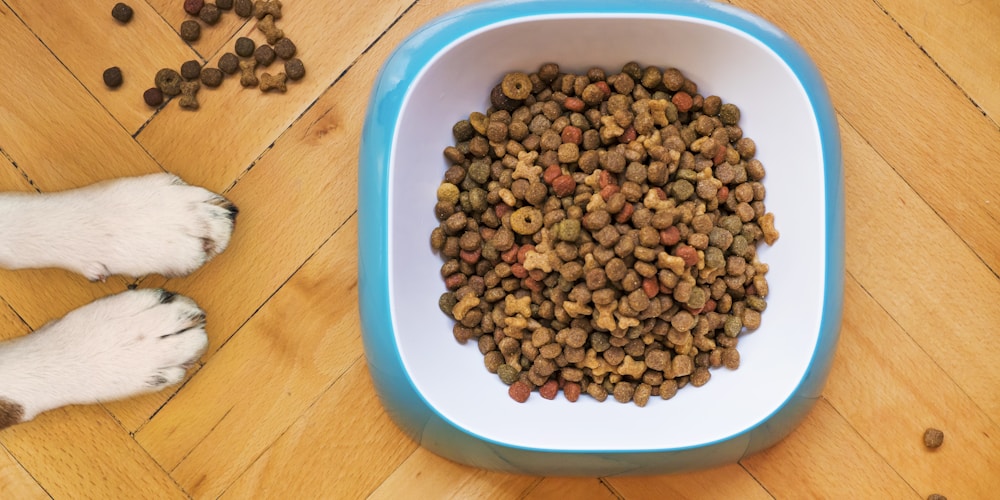
Adult dogs do well on two meals a day. Puppies under six months need three to four. Always keep fresh water available — hydration affects everything from digestion to kidney function. Treats should make up no more than 10% of daily calories. Human food shares? Keep them minimal. Foods like onions, grapes, and xylitol are toxic to dogs, and even “safe” table scraps can throw off a balanced diet over time.
Exercise Isn’t Optional — and One Walk Isn’t Always Enough
A tired dog is a good dog. That’s not just folk wisdom — it’s the root solution to most behavior problems. Chewing, digging, barking, and hyperactivity are classic signs of a dog with too much energy and nowhere to put it.

How much exercise your dog needs depends on breed, age, and health. A Border Collie needs 1.5–2 hours of vigorous activity daily. A senior Basset Hound needs a gentle 30-minute stroll. Match the activity to the dog. Puzzle feeders, fetch, sniff walks, and off-leash time in a safe area all count. Mental stimulation is just as draining as physical — and often more effective at calming an anxious or hyper dog.
Grooming: More Than Just Looking Good
Regular grooming keeps the coat healthy, helps you catch lumps or skin issues early, and builds trust with your dog. Brush short-haired breeds once a week; long-haired breeds need daily or every-other-day attention to prevent mats.

Bathe when needed with a dog-formulated shampoo — human products strip natural oils from the coat. Trim nails every 3–4 weeks; overgrown nails cause discomfort and affect posture. Check ears for redness or odor monthly. And don’t skip dental care — brushing your dog’s teeth a few times a week dramatically reduces the risk of periodontal disease, which affects over 80% of dogs by age three.
Parasite Control Is Year-Round Work
Fleas, ticks, and intestinal worms aren’t just unpleasant — they cause real health damage. Fleas can trigger allergic dermatitis and transmit tapeworms. Ticks spread Lyme disease, anaplasmosis, and babesiosis. Heartworm, transmitted by mosquitoes, is potentially fatal and expensive to treat.
Talk to your vet about a prevention plan suited to your region and your dog’s lifestyle. Most vets recommend year-round heartworm prevention and monthly flea/tick treatment. If your dog spends time in wooded or grassy areas, check for ticks after every outing — especially behind the ears, between toes, and around the collar.
Understand What Your Dog’s Behavior Is Telling You

Dogs don’t misbehave out of spite. Destructive behavior, excessive barking, and aggression are communication — your job is to figure out the message.
Barking that never stops usually points to boredom, anxiety, or insufficient exercise. Consistent training and more activity fix most cases. If your dog barks specifically when you’re away, that’s separation anxiety — it responds well to gradual desensitization training.

Chewing in puppies is completely normal — it’s how they explore and relieve teething discomfort. Provide appropriate chew toys and manage the environment. Adult dogs that chew destructively when home alone likely need more exercise, more enrichment, or behavioral support.
Aggression toward people or other dogs warrants a professional trainer or certified behaviorist, not a wait-and-see approach. It rarely improves without structured intervention.
Socialization and Preventive Vet Care
The window for socialization is short: puppies between 3 and 14 weeks absorb new experiences most easily. Positive exposure to different people, animals, sounds, and environments during this period shapes temperament for life. A well-socialized dog is calmer, easier to handle, and far less reactive as an adult.


Annual vet checkups, core vaccinations (rabies, distemper, parvovirus, adenovirus), and dental cleanings are the foundation of long-term health. Catching a problem at a routine exam beats treating it when symptoms are obvious.
Start these habits early, stay consistent, and you’ll have a dog that’s not just healthy — but genuinely a pleasure to live with.