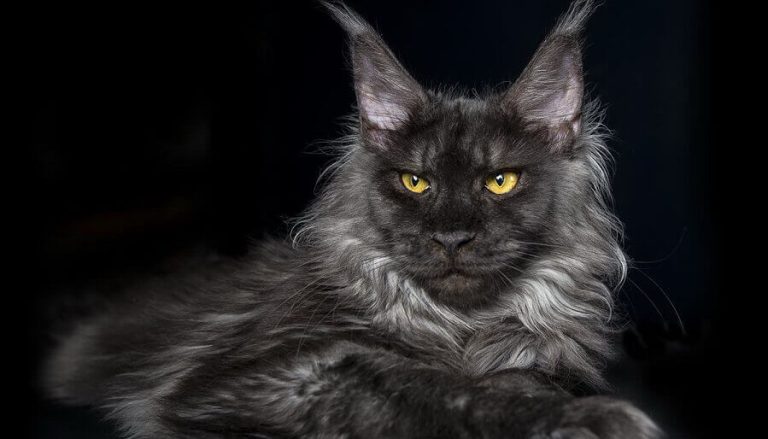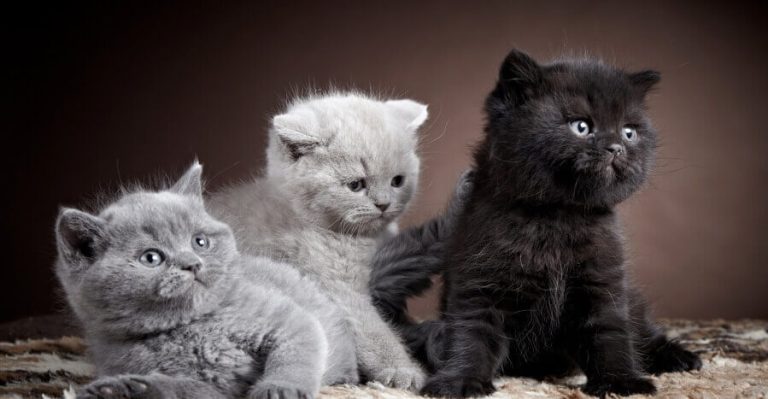
Most cat lovers will tell you that all cats are beautiful — and they’re right. But some breeds stop you in your tracks. The most beautiful cat breeds combine striking physical features (leopard spots, silk coats, ice-blue eyes) with personalities that range from wildly independent to utterly devoted. This guide covers 30 of the world’s most visually stunning cat breeds, with key facts on appearance, temperament, and what makes each one worth knowing about.
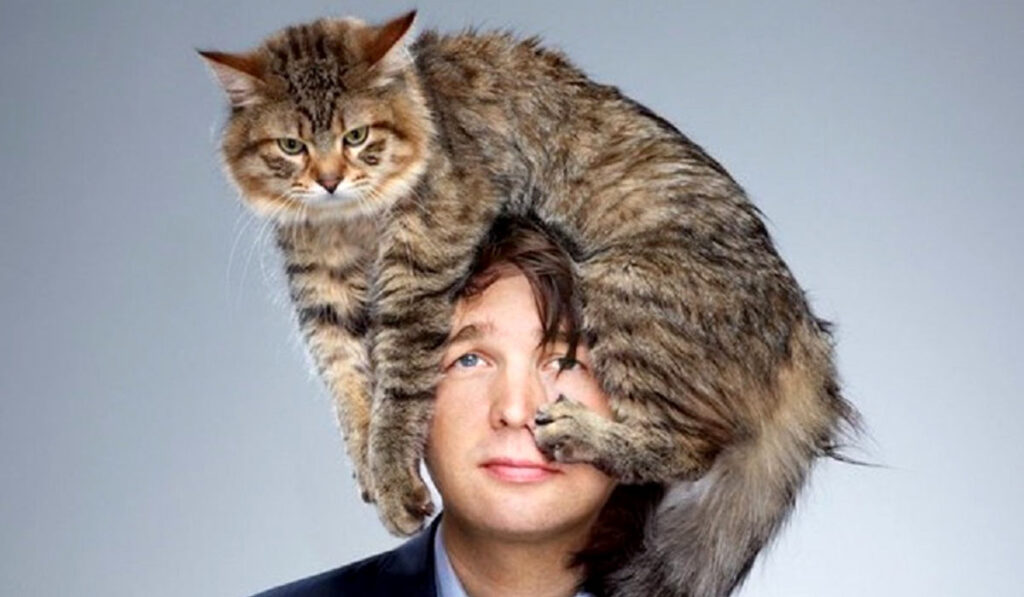
Every breed on this list has something the others don’t. The Bengal has glitter in its coat. The Norwegian Forest Cat has centuries of Viking folklore behind it. The Sphynx runs at a body temperature 4°F higher than any other cat. Beauty here isn’t just about looks — it’s about the whole package.
Worth knowing: “beautiful” in the cat world often means difficult. Many of the most visually spectacular breeds need daily grooming, constant stimulation, or specialized care. Read on before you fall in love.

Abyssinian
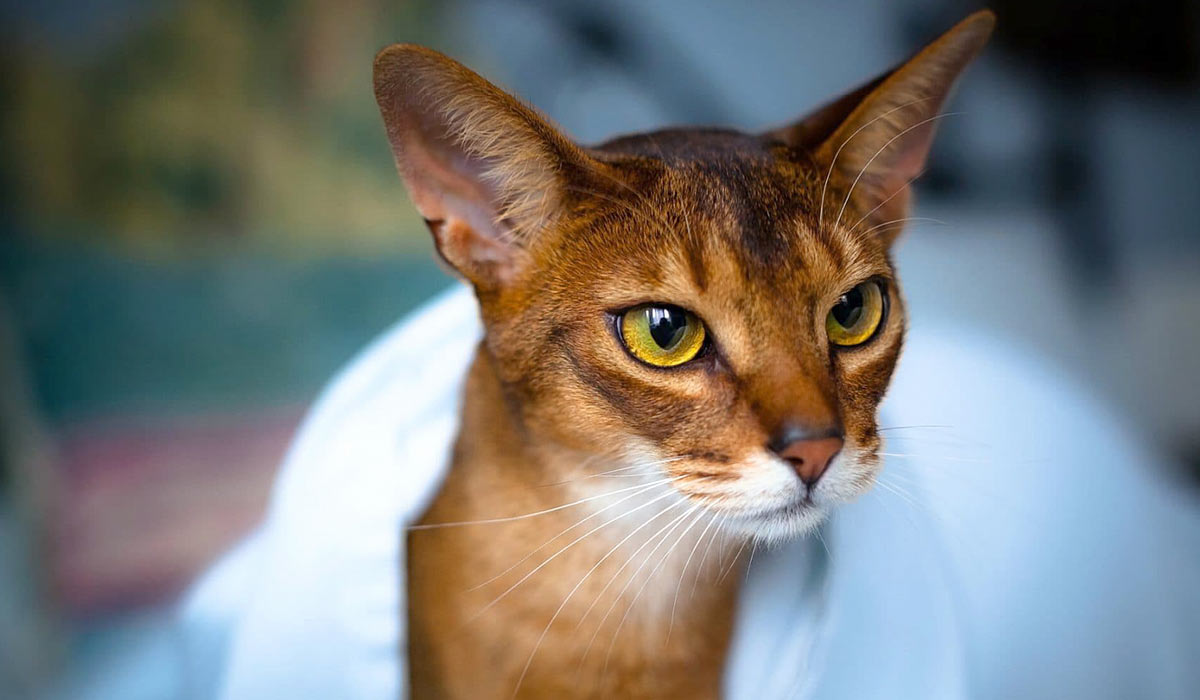
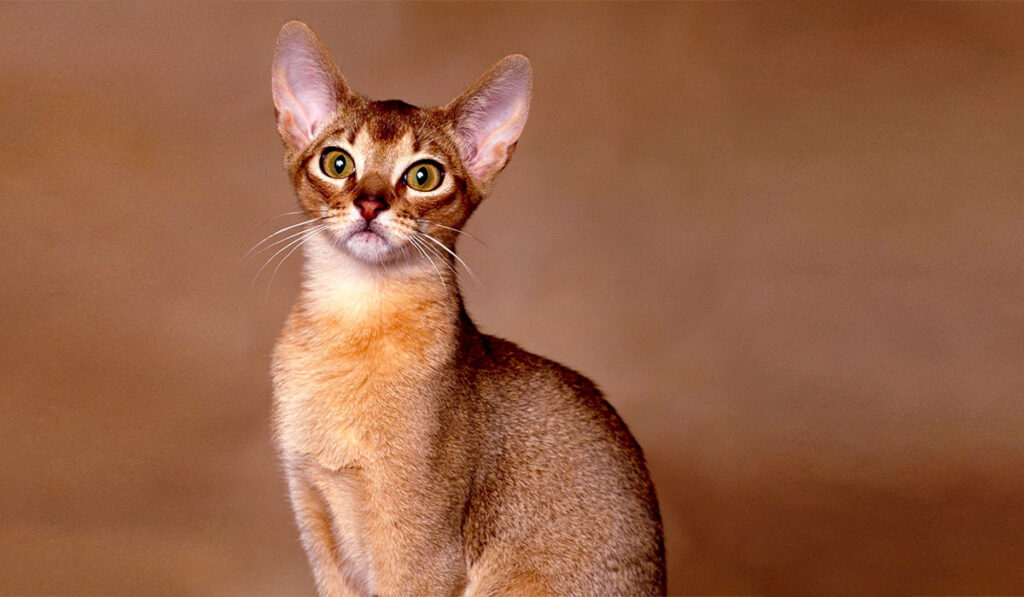
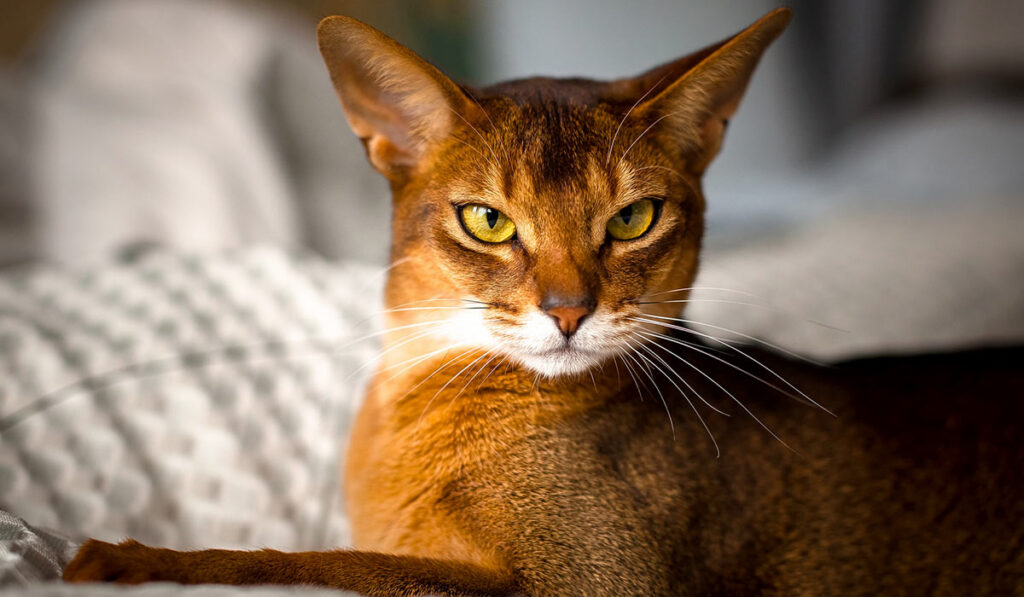
The Abyssinian is one of the oldest known cat breeds, traced to ancient Ethiopia and possibly Egypt. Medium-sized, athletic, and covered in a distinctive ticked tabby coat that shimmers as it moves — each hair carries multiple bands of color, a trait called ticking. There are two lines today: the slightly heavier European Abyssinian and the more angular American type.
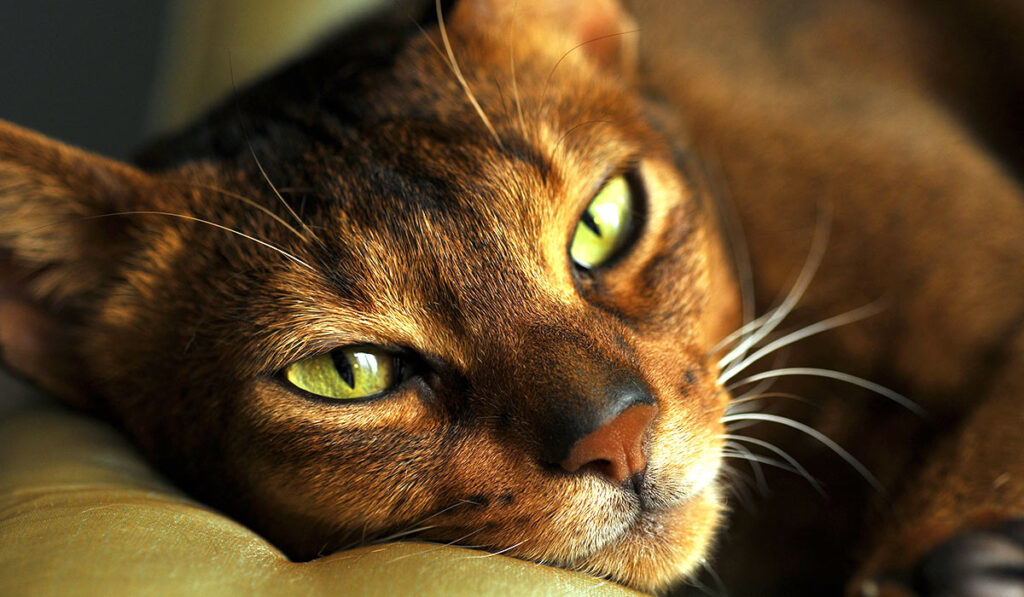
Abyssinians are one of the most active breeds in existence. They need to know everything happening in your home and will investigate every corner, drawer, and visitor. Their wild-type brownish-sandy coat with black eyeliner markings gives them the look of a miniature puma.
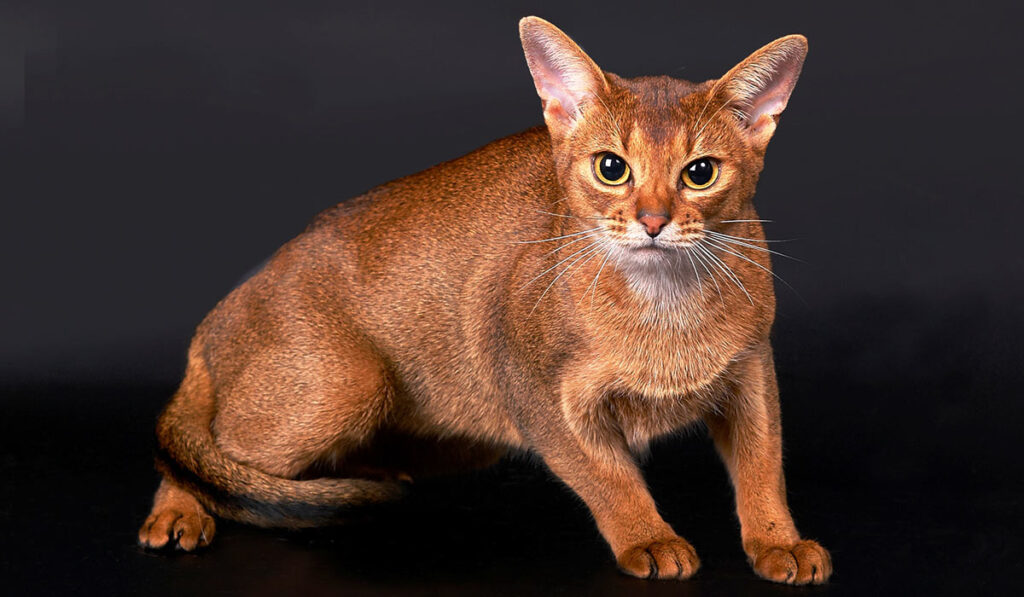
Good news for your furniture: Abyssinians that trust their owners rarely scratch where they shouldn’t. The key is building that trust early and providing plenty of scratching posts and climbing structures. They’re gentle with children and rarely use their claws in play.
One practical note: always screen windows with a net. This applies to every cat, but Abyssinians in particular — their curiosity and climbing ability make open windows a genuine hazard.
Video: Abyssinian cat
American Shorthair
European settlers brought the ancestors of the American Shorthair to North America in the 1600s — originally to protect grain stores from rodents aboard ships. Centuries of selective breeding turned a working cat into one of the most beautiful and balanced breeds in the world. The silver tabby pattern (the Whiskas cat) is the most iconic, but the breed comes in over 80 recognized color and pattern combinations.
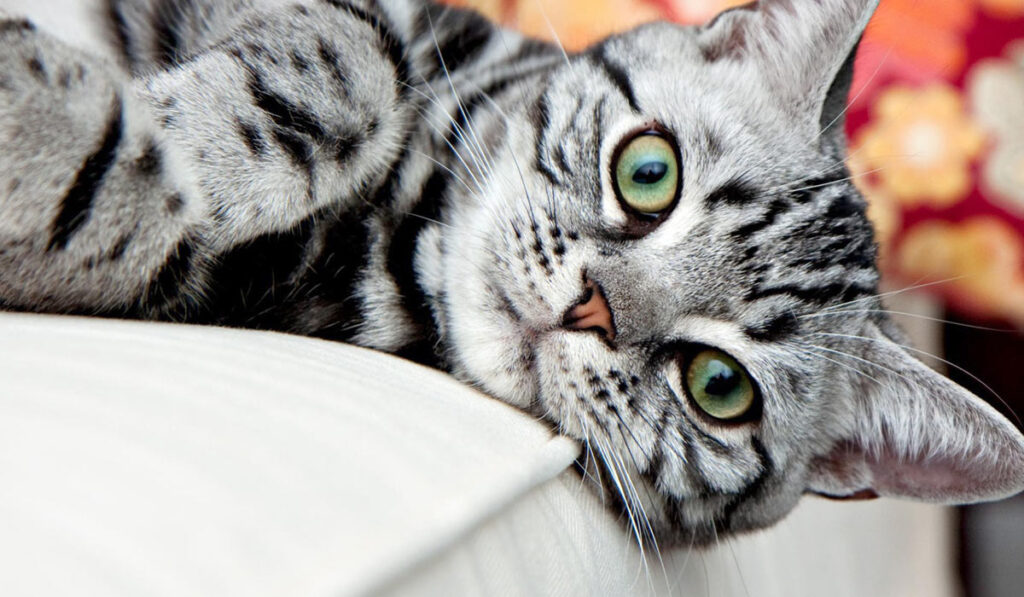
American Shorthairs have a naturally balanced psyche. They’re independent enough not to demand constant attention, affectionate enough to come find you when they want company. They won’t sit on your lap all day — but they’ll choose the chair closest to yours.
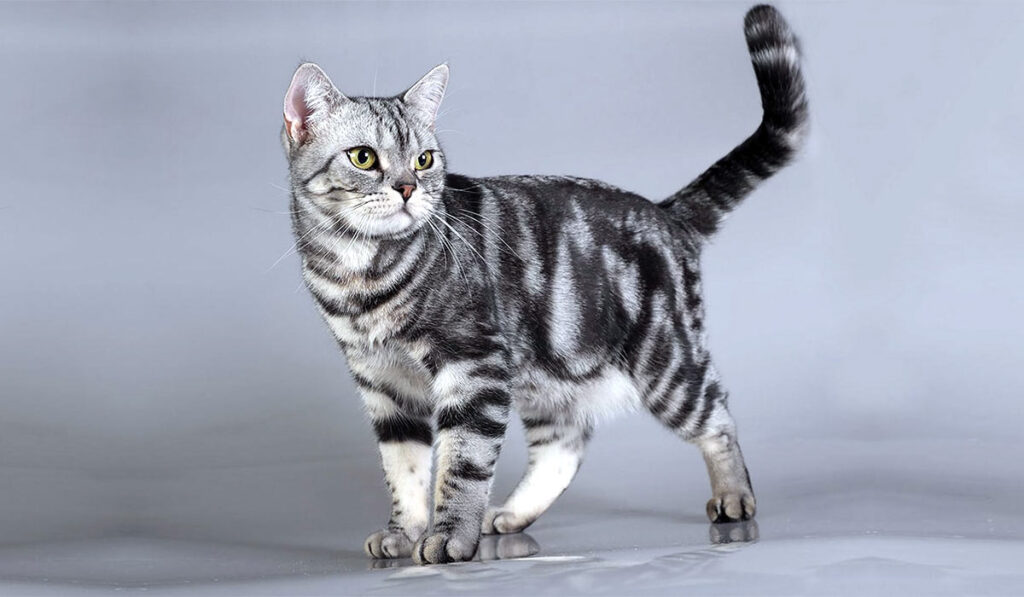
One quirk: like many hunters, they’ll occasionally bring you gifts — a moth, a cricket, whatever they find. It’s their way of caring for the pack. Don’t scold them for it. They mean well.
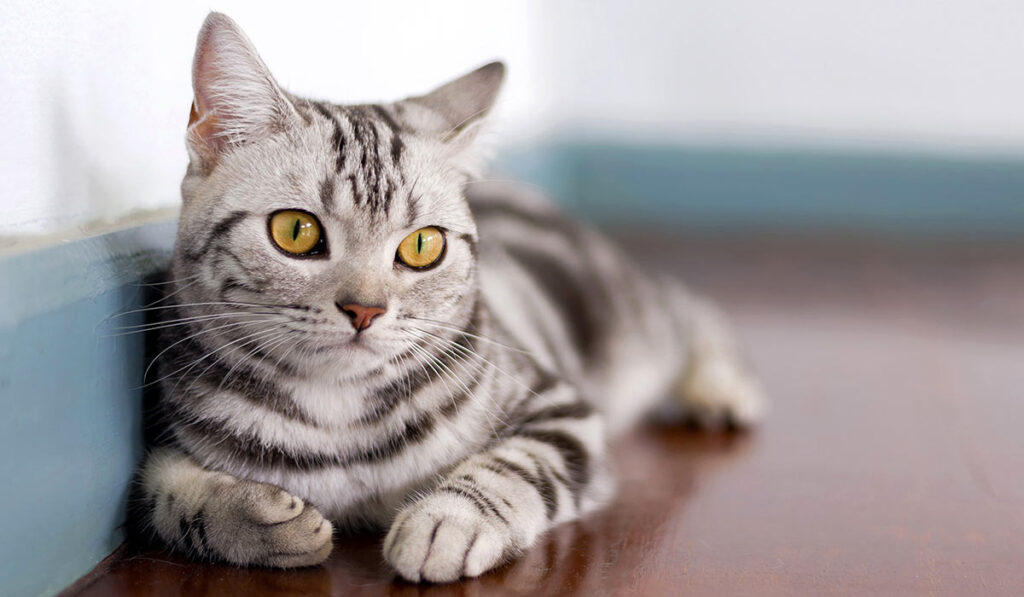
These cats coexist easily with dogs but shouldn’t be housed with birds, rodents, or fish — hunting instincts run deep regardless of how domesticated the individual cat appears.
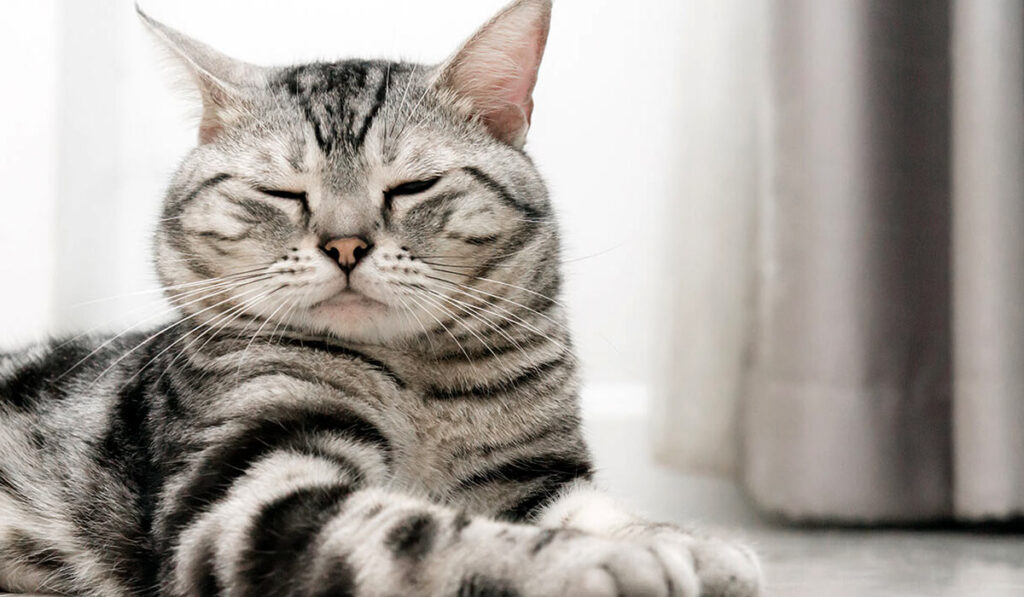
American Shorthairs are good with children, learn basic commands, and require minimal grooming. For busy households, they’re one of the most practical choices on this list.
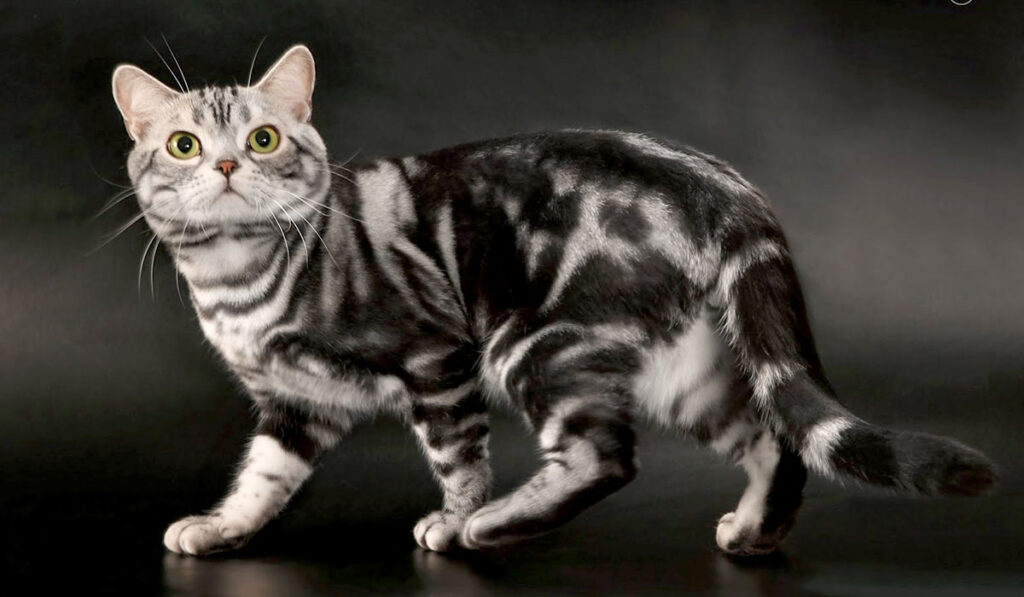
Video: American Shorthair
https://www.youtube.com/watch?v=y8GT5eJFuQc
Turkish Angora
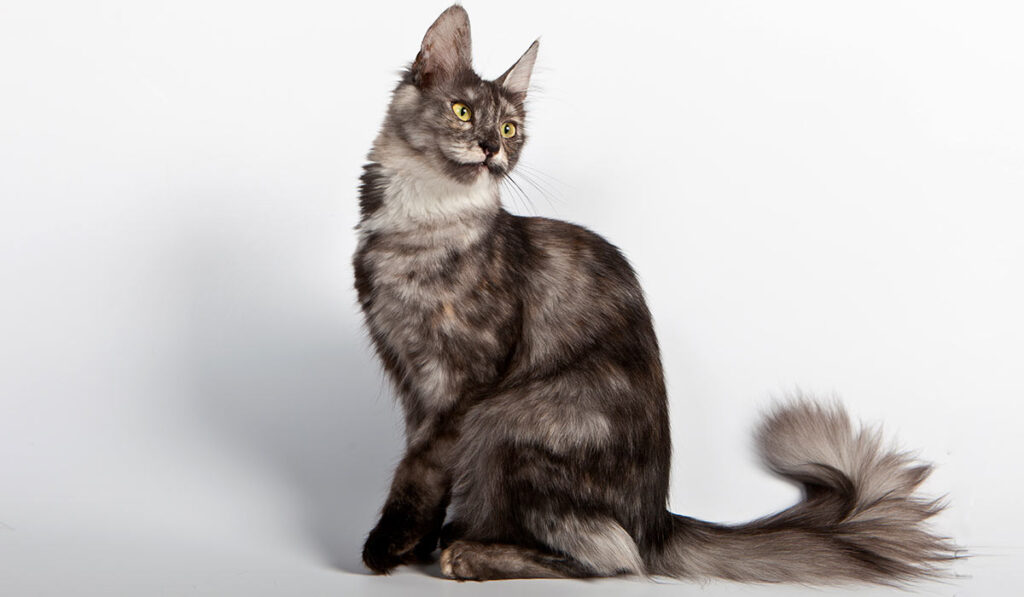
The Turkish Angora is one of the oldest natural cat breeds in the world, originating in Ankara, Turkey — where it became a national treasure protected by the Ankara Zoo since the 17th century. Watch one move and you’ll understand why: its single-layer coat flows like liquid silk, with no woolly undercoat to disrupt the movement.
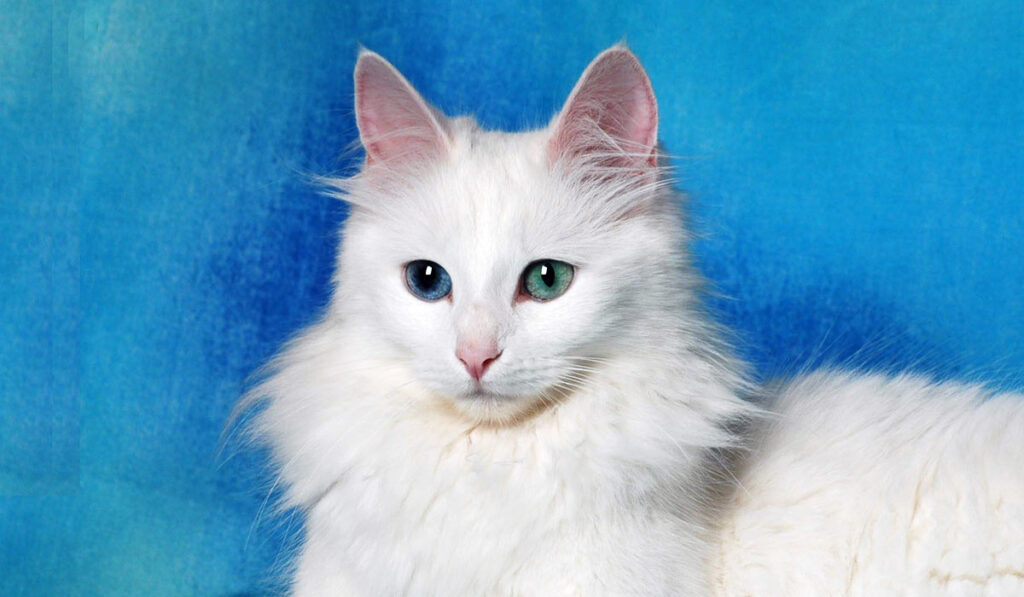
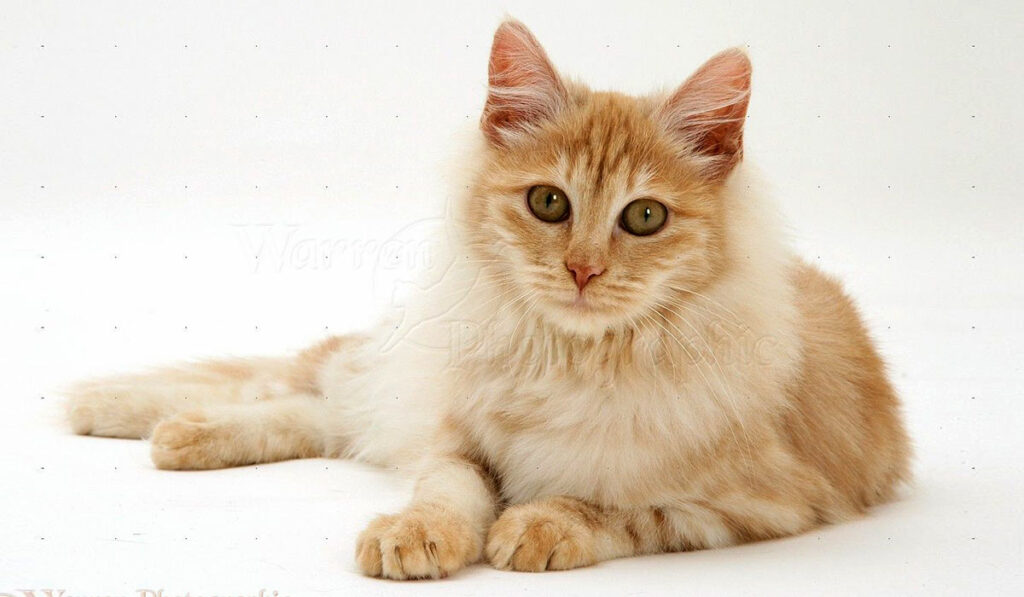
White with blue eyes is the most iconic look, but Angoras come in black, cream, red, blue, and tabby. The most prized individuals have one blue and one amber eye (odd-eyed). Note: odd-eyed white males are sometimes born deaf on the blue-eyed side.
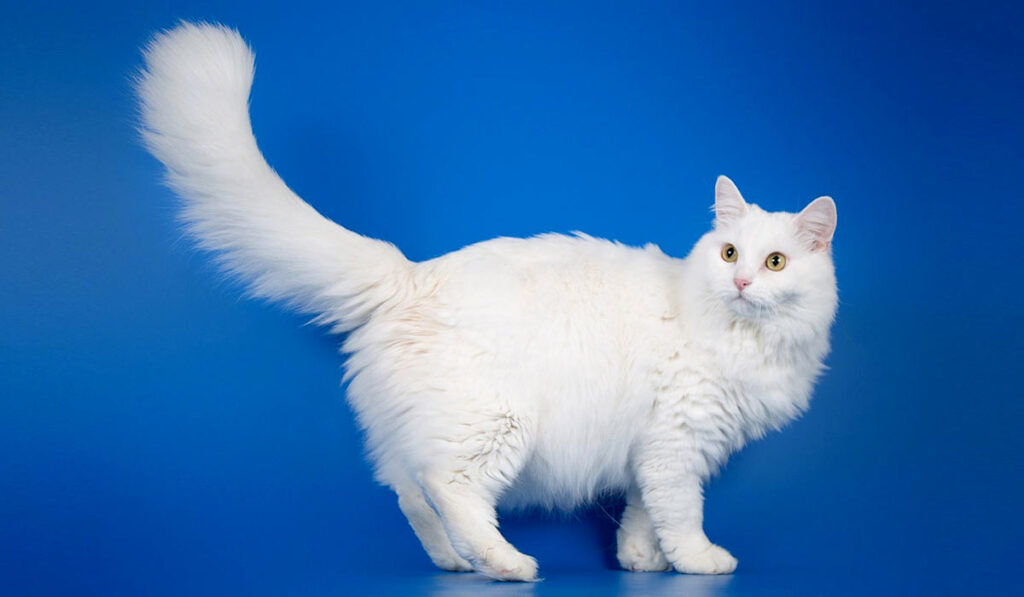
Angoras are exceptionally intelligent and observant. If you hide something in front of them, they will find it. They’re also curious about strangers — instead of hiding under the sofa when guests arrive, an Angora will walk out to investigate with complete composure.
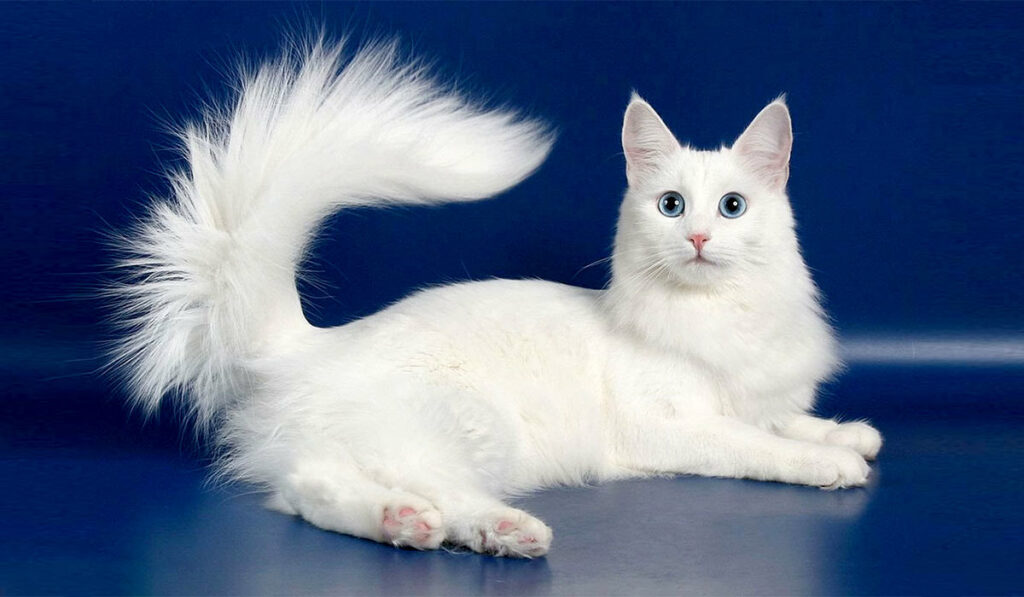
For owners who hate noise: Angoras are unusually quiet. Most rarely meow. They communicate through presence, not volume.
Video: Angora cat (Turkish Angora)
https://www.youtube.com/watch?v=7VSXRV1YVeQ
Bengal cat
The Bengal was developed in the United States starting in the 1960s, when breeder Jean Mill crossed domestic cats with the Asian Leopard Cat (Prionailurus bengalensis). The goal: leopard markings, domestic temperament. TICA recognized the breed in 1986. Today’s Bengals — four or more generations from the wild ancestor — are fully domesticated, though their DNA makes them unlike any other house cat.
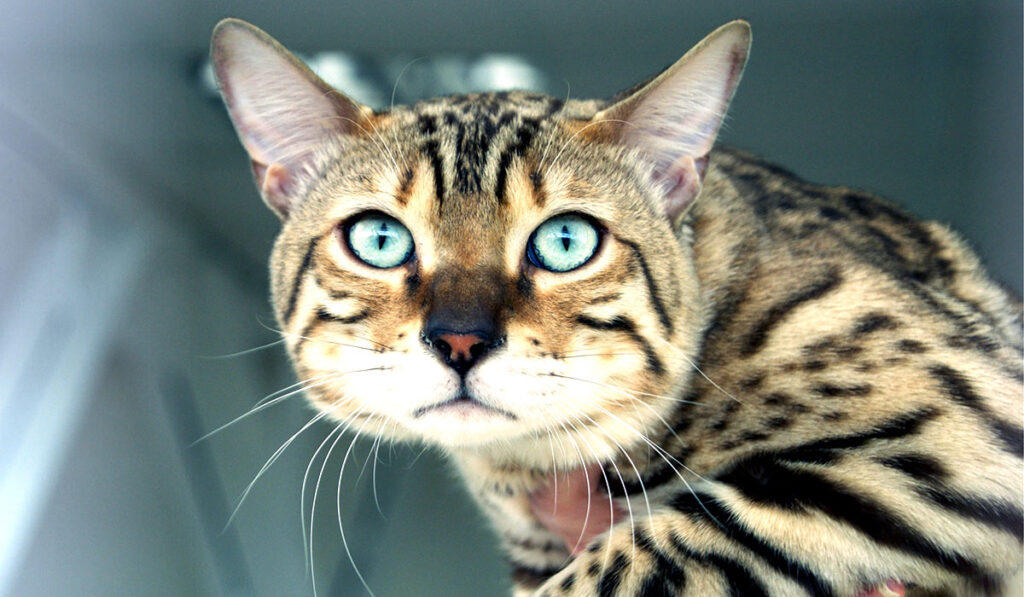
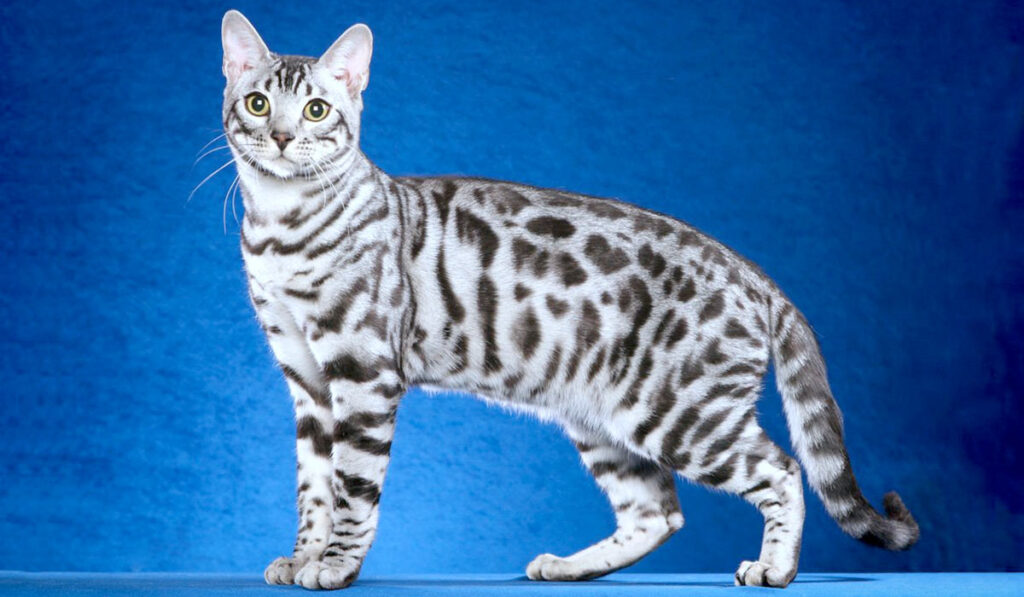
What makes the Bengal’s coat extraordinary isn’t just the spots — it’s the glitter. A structural quality of the hair shaft creates a metallic sheen visible in natural light. No other breed has this naturally.
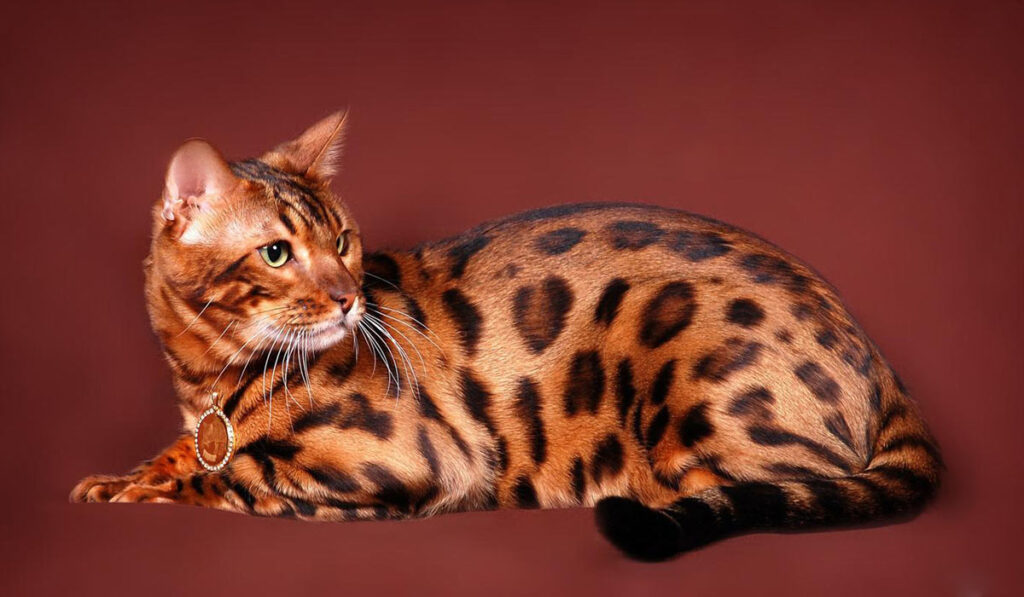
Bengals need consistent socialization from kittenhood. A Bengal raised with daily human contact is affectionate and manageable. One left to its own devices for too long leans toward its wild ancestry.
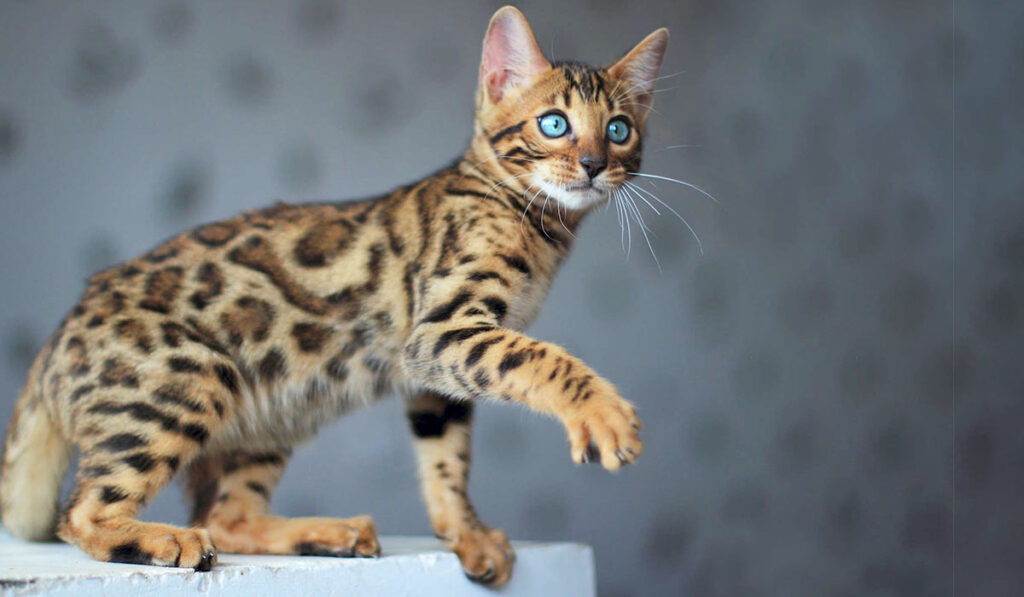
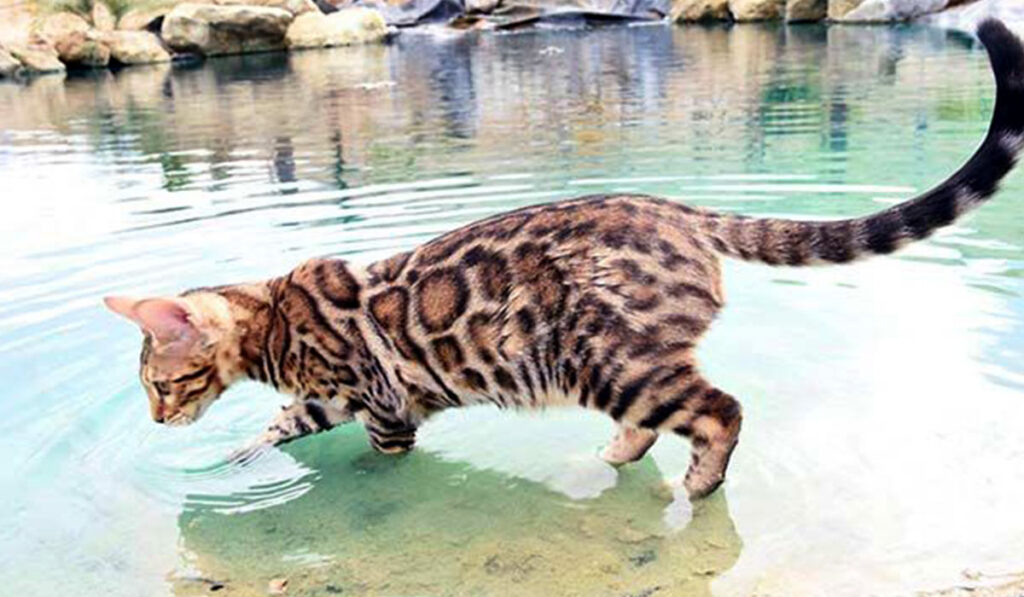
Their hunting instincts are powerful. Birds, rodents, insects, and fish are all prey. Unlike most cats, Bengals aren’t afraid of water — they’ll happily fish out of an aquarium. Secure anything you don’t want hunted.
Bengals are independent on their terms. Don’t force cuddles — wait for them to come to you. But they also need significant daily play. An under-stimulated Bengal will redecorate your home in ways you won’t enjoy.
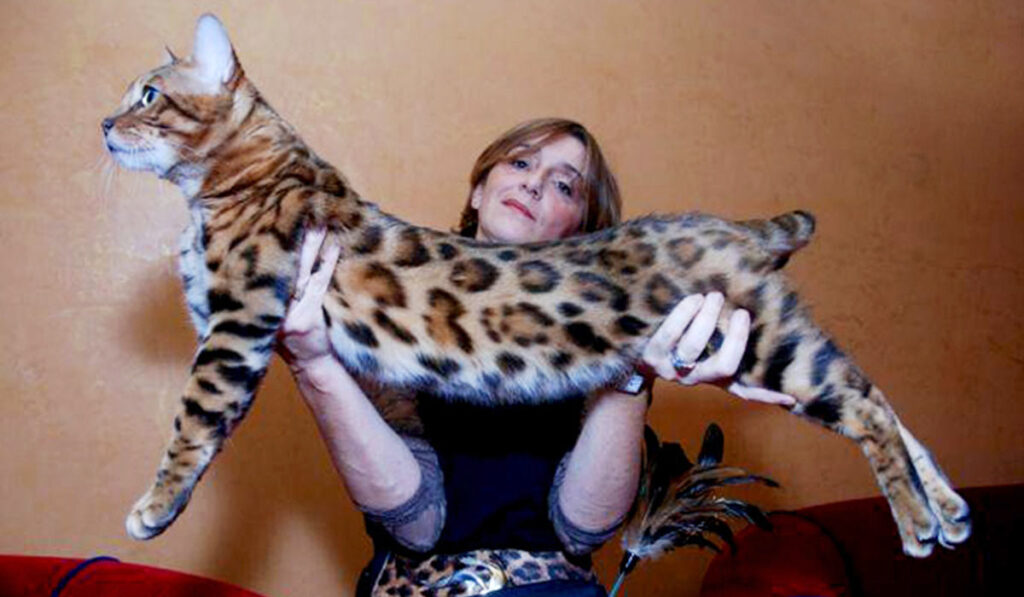
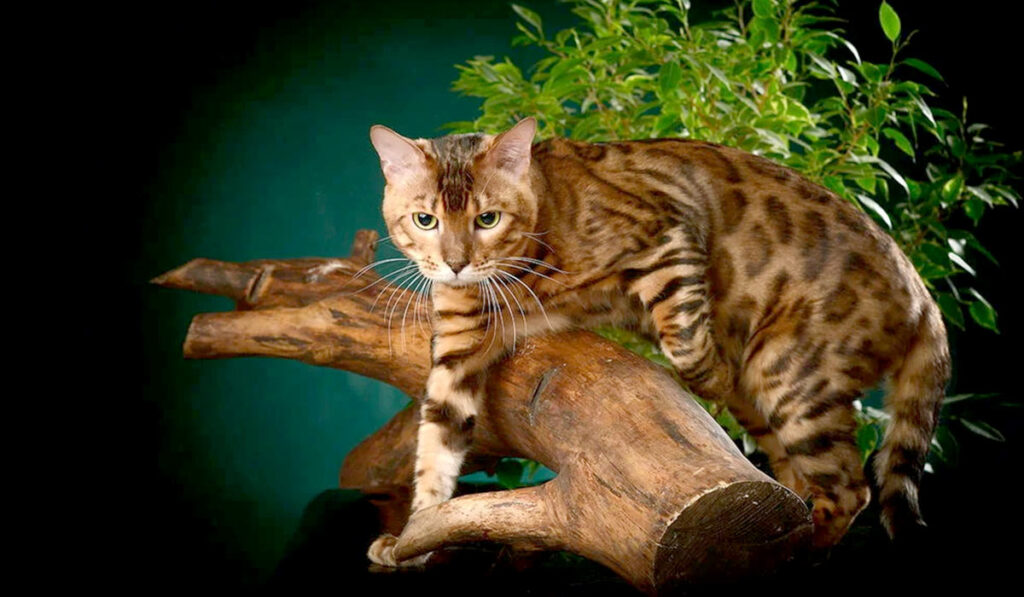
Coat colors range from brown to silver, gold, blue, and charcoal, but the breed standard always requires high contrast between the base color and the pattern.
Video: Bengal cat
Birman (Sacred Burma)
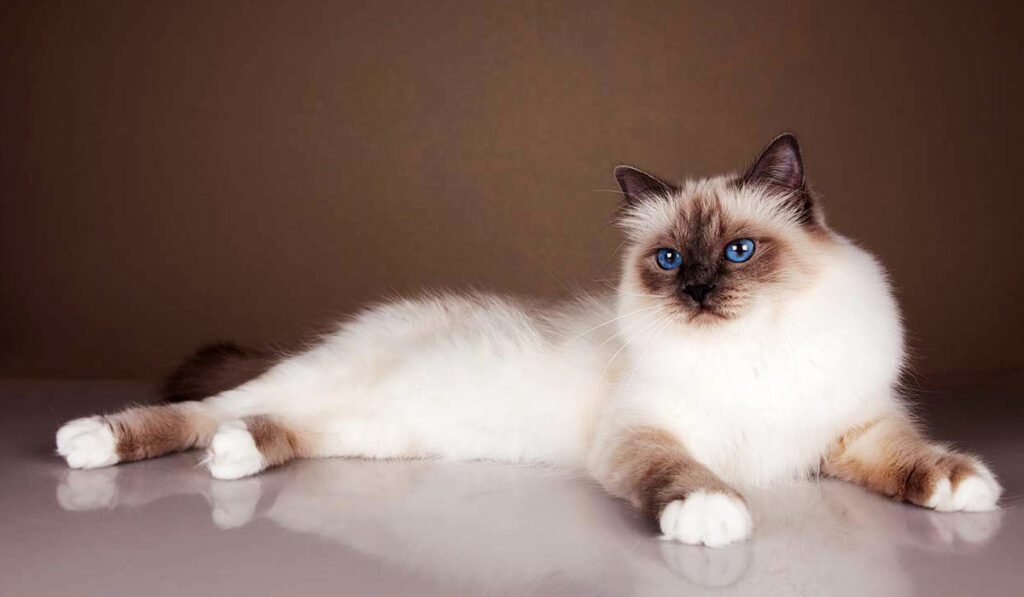
The Birman is an ancient breed from what is now Myanmar, where these cats lived alongside Buddhist monks and were considered sacred. According to legend, a monk’s soul could inhabit a Birman after death. The breed was officially registered in France in the 1920s. Its most distinctive feature: pure white “gloves” on all four paws, even on darker-pointed individuals.
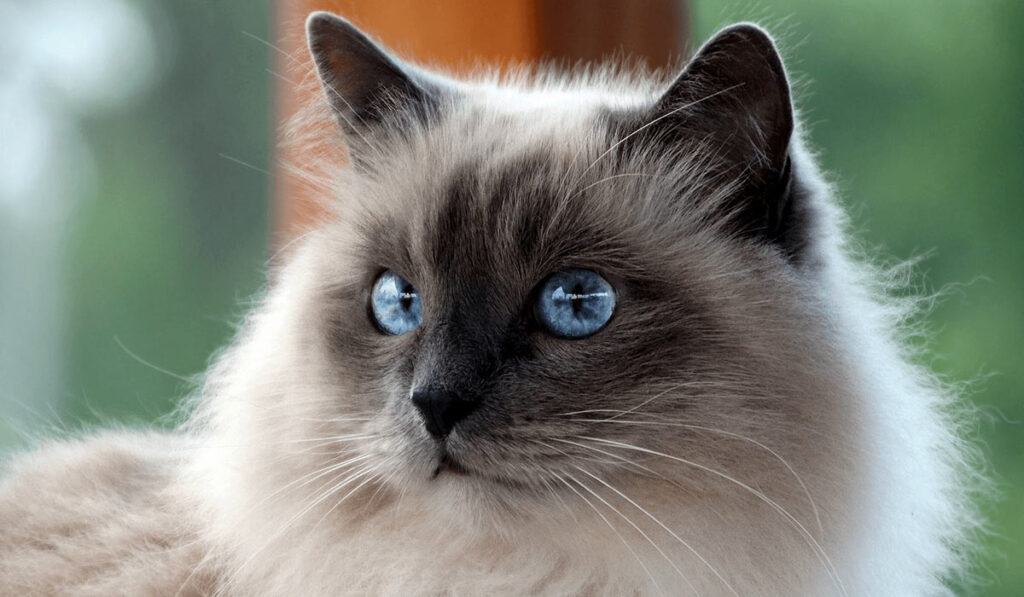
The Birman has a semi-long, silky coat with a colorpoint pattern — darker face, ears, paws, and tail against a cream body. Unlike Persians, the coat doesn’t mat easily.
Personality-wise, the Birman has found the golden mean. It’s neither hyperactive nor lethargic. It listens, observes, and engages — on its own schedule, which it manages with surprising consistency.
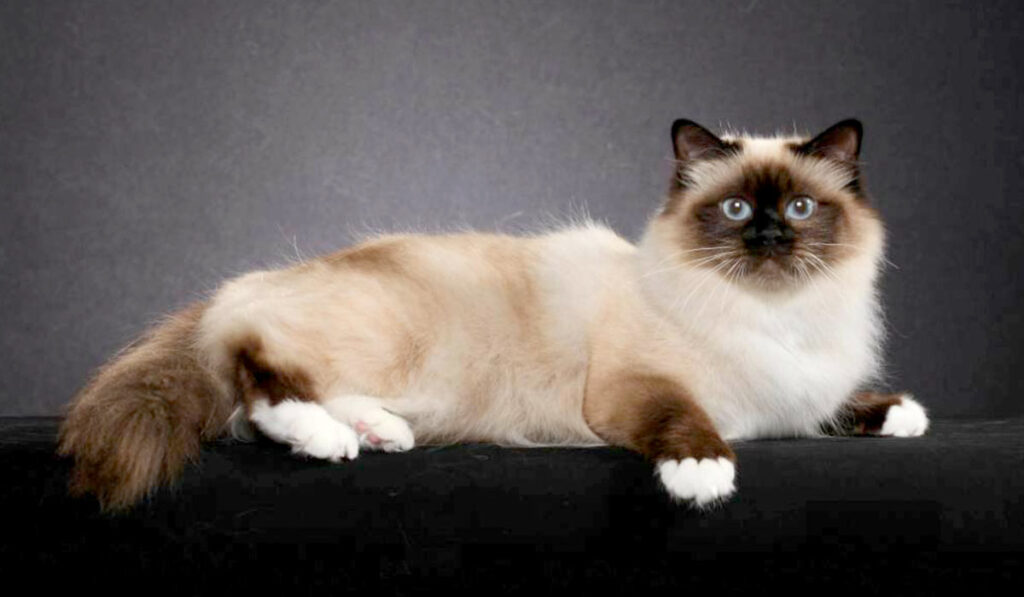
Here’s the thing about Birmans: they’re kind but persistent. If this cat wants something — your lap, a door opened, dinner five minutes early — it will find a way to make that happen. Caving is usually easier than resisting.
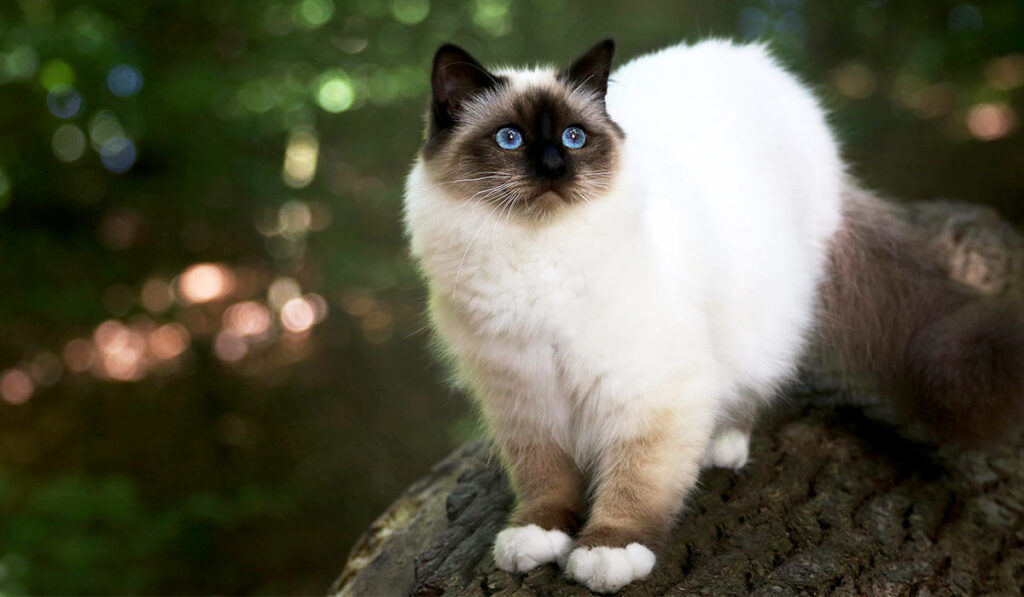
Unlike many breeds, Birmans genuinely enjoy being held. They’ll curl up on your lap without being coaxed. If you pay noticeably more attention to another pet, expect some pointed jealousy — expressed through misbehavior, not aggression.
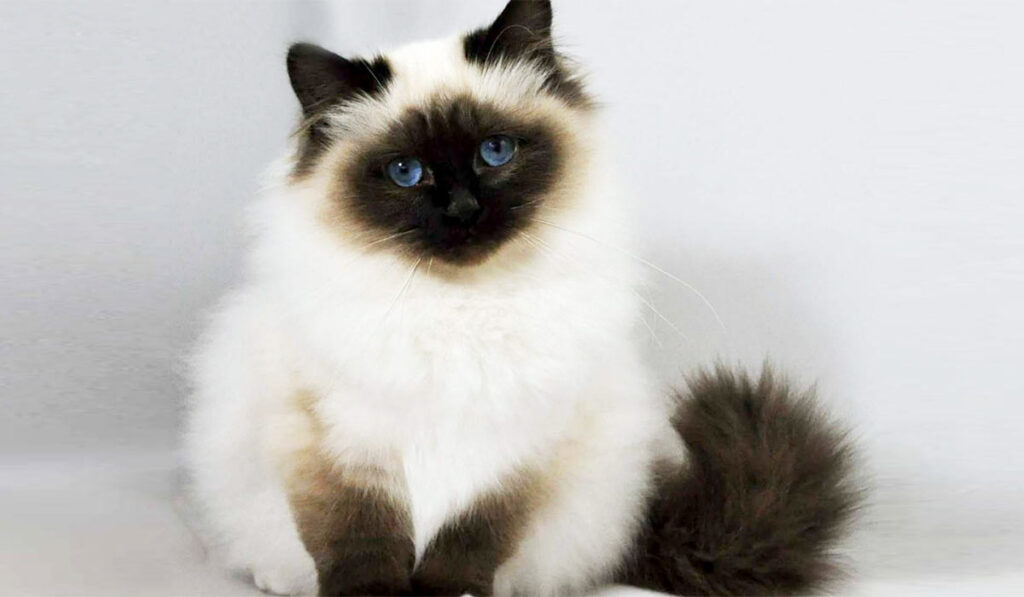
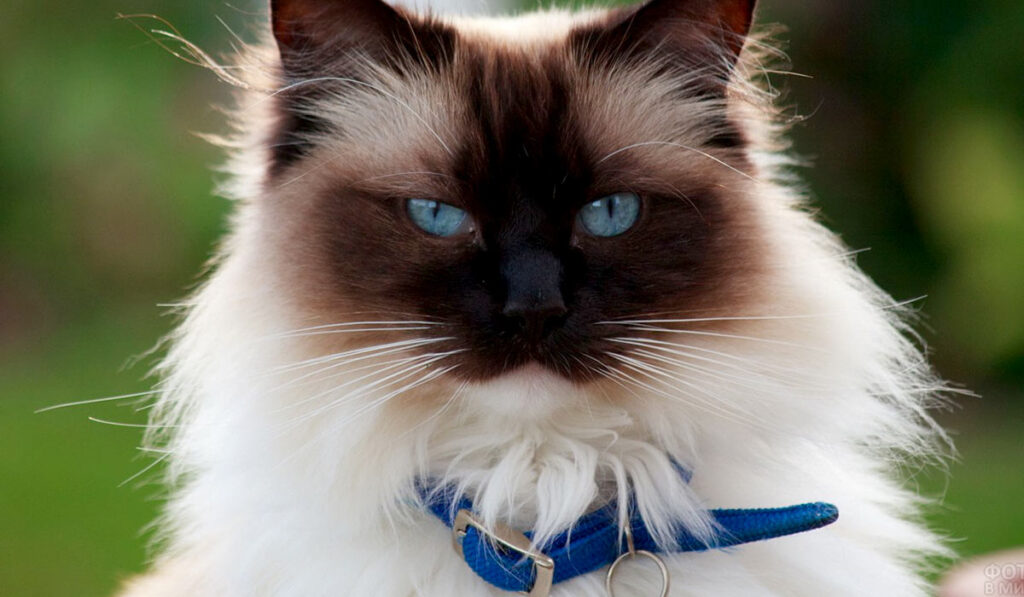
Video: Birman cat
https://www.youtube.com/watch?v=cqcXYHpKGLE
Bombay cat
The Bombay was intentionally bred to look like a miniature black panther. American breeder Nikki Horner crossed a sable Burmese with a black American Shorthair in the 1950s, producing a cat with jet-black satin fur and copper or green eyes that genuinely resemble a predator. The name references Bombay (Mumbai) for its similarity to the Indian black leopard.
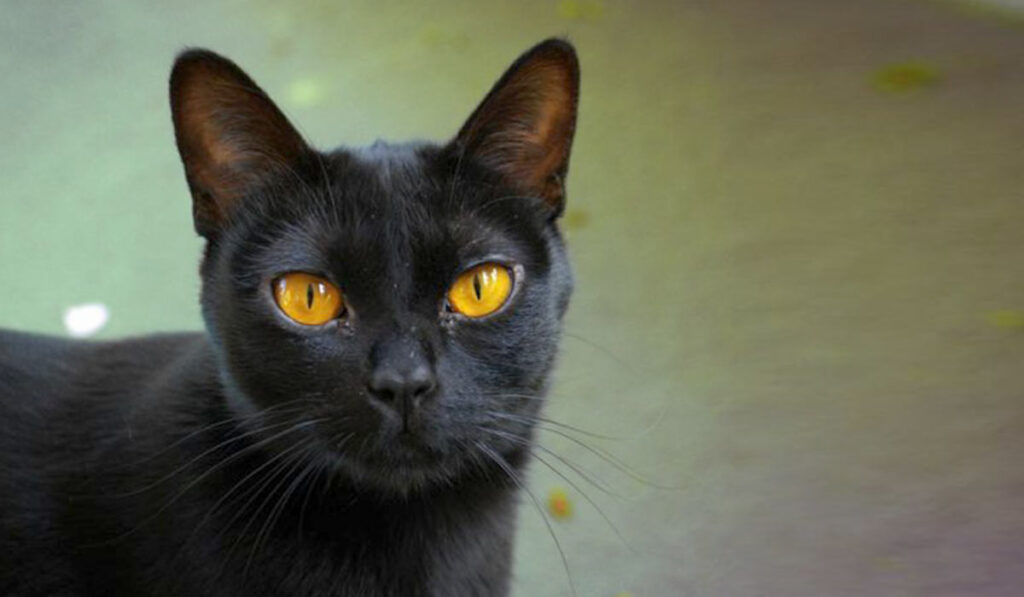
The appearance is all panther. The personality is all housecat — in the best possible way. Bombays inherit the Burmese’s affectionate nature and the American Shorthair’s adaptability. They’re equally gentle with small children and other pets.
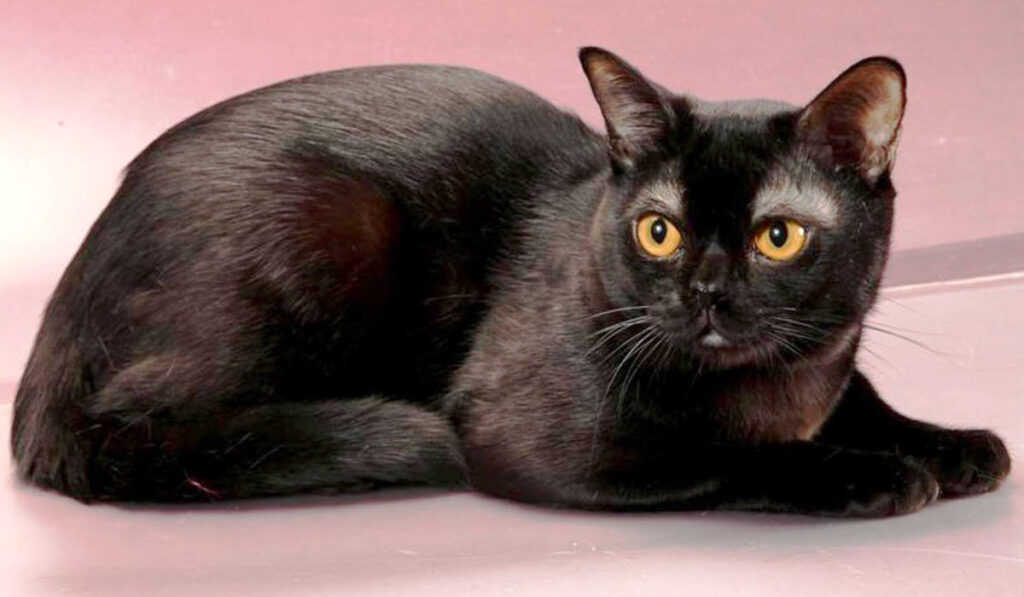
One thing to know: Bombays don’t tolerate solitude well. They’ll follow you from room to room — cleaning, cooking, working, doesn’t matter. You are their world, and they want to be in it.
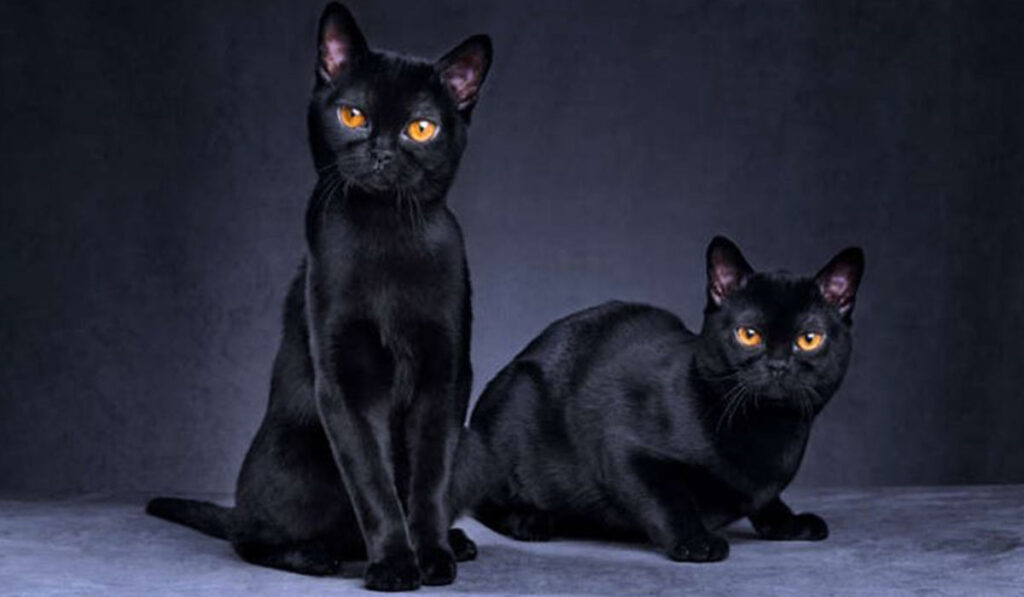
Bombays don’t play favorites within a family — they distribute affection evenly to everyone. When they’re done playing, they’ll find the nearest warm lap and settle in.
Video: Bombay cat
https://www.youtube.com/watch?v=KmR4CjPTOmA
British Shorthair
The British Shorthair is one of the oldest pedigree breeds in the world, with roots in Roman-era Britain and formal recognition in the late 1800s. It spent centuries as a farm cat before breeders developed it into the dense-coated, round-faced cat known today. That distinctive smile — the basis for the Cheshire Cat in Alice in Wonderland — is the breed’s most recognizable feature.
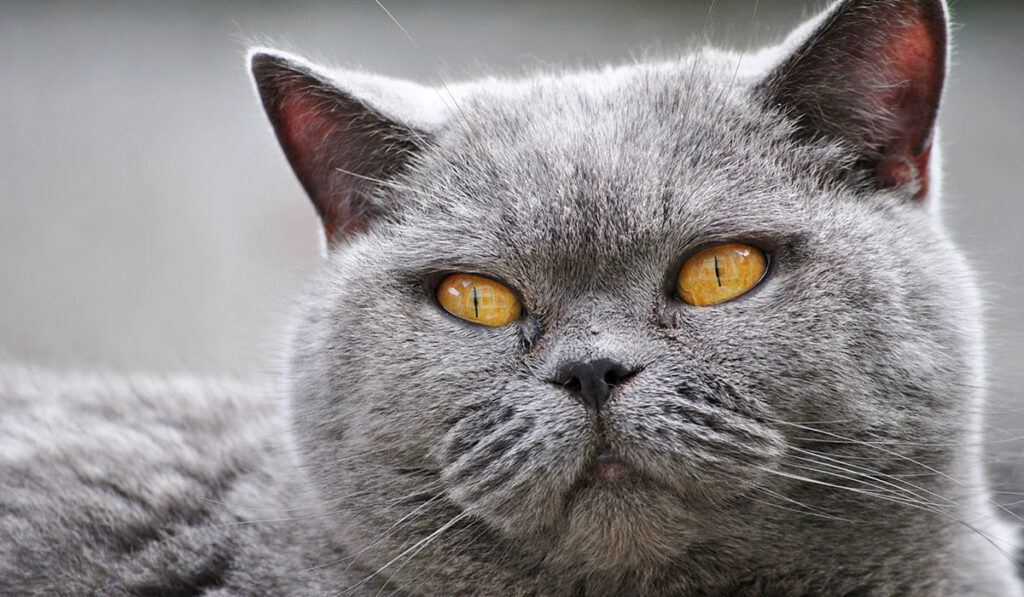
The British Shorthair’s plush double coat comes in over 100 color and pattern combinations — blue (grey) being the most iconic. There’s also a long-haired variant, which some suspect carries Persian ancestry.
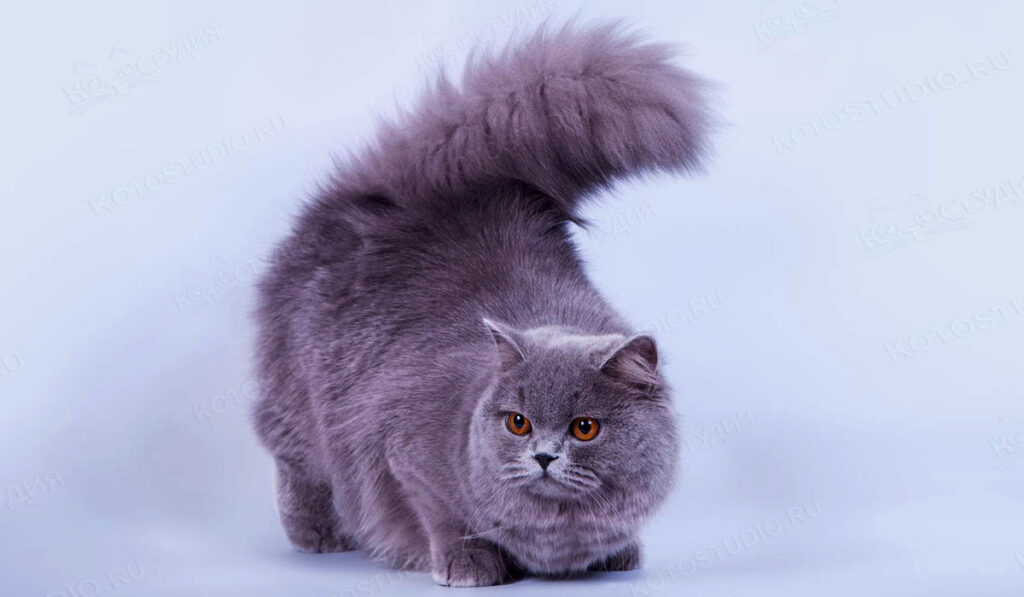
These cats are independent to a fault. They’ll keep an eye on your whereabouts but won’t panic if you leave for the weekend. They don’t especially enjoy being picked up — respect that boundary and you’ll have a perfectly content companion.
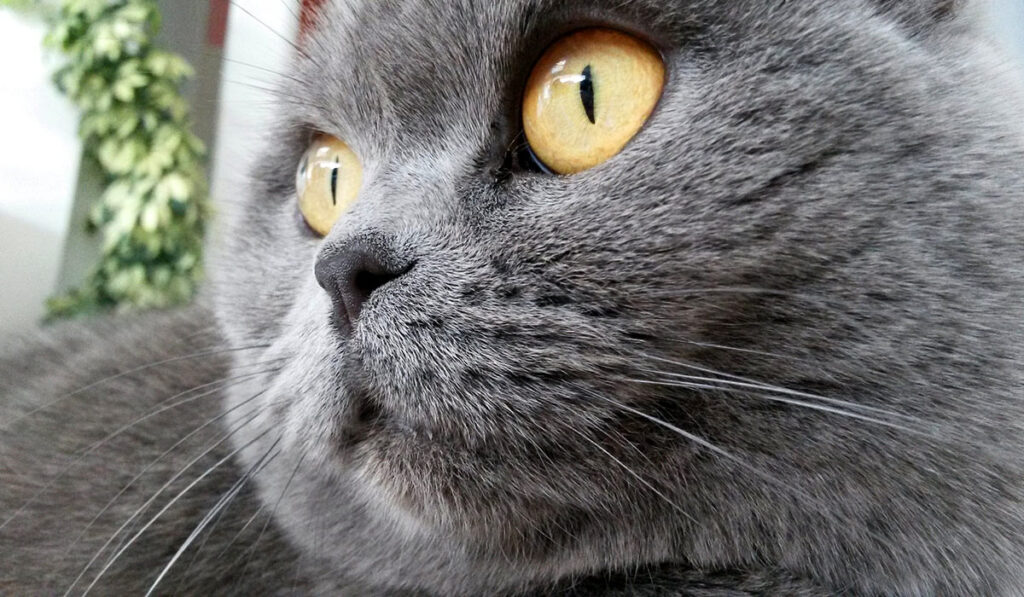
Young British Shorthairs are energetic and playful. After age 3–4, they typically become calmer and more sedentary. Their low-maintenance personality makes them well-suited to working owners or quieter households.
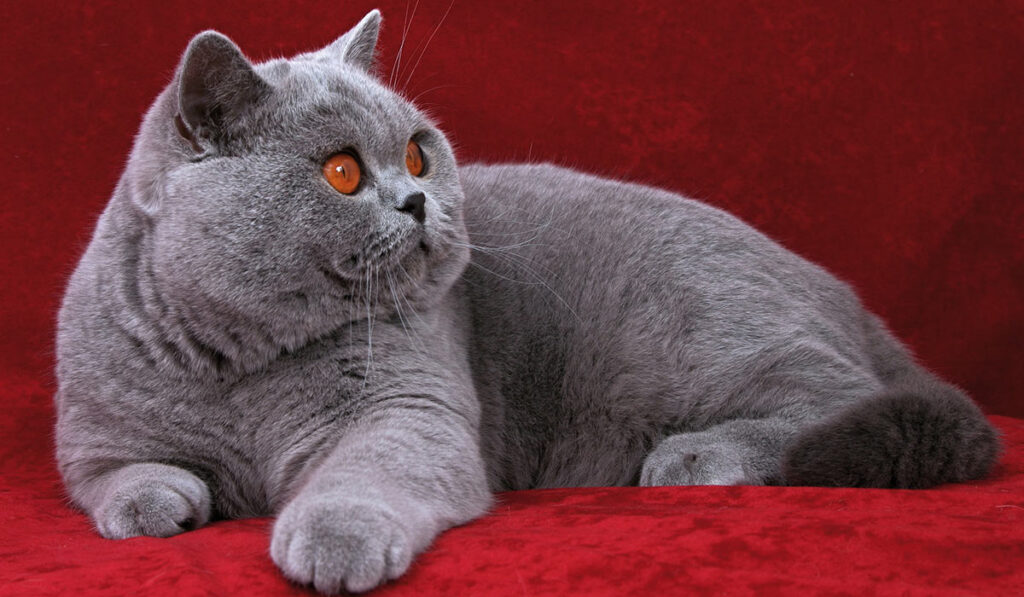
Video: British Shorthair cat
Burmilla
The Burmilla is a happy accident. In 1981 in the UK, a Chinchilla Persian and a lilac Burmese were left alone together, and the resulting kittens had silver-tipped coats so striking that breeder Baroness Miranda von Kirchberg decided to develop the cross into a formal breed. The name combines Burmese and chinchilla.
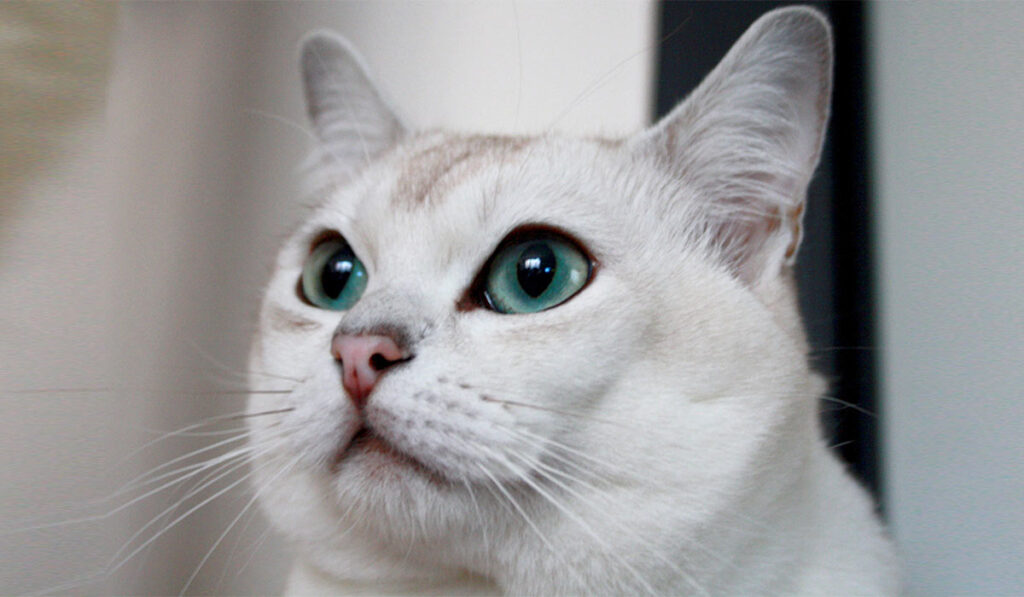
The Burmilla’s signature look: silver or gold coat with dark tipping on each hair, plus distinctive dark “eyeliner” and lip liner markings that give it a permanently made-up appearance. It’s a rare breed and prices reflect that.
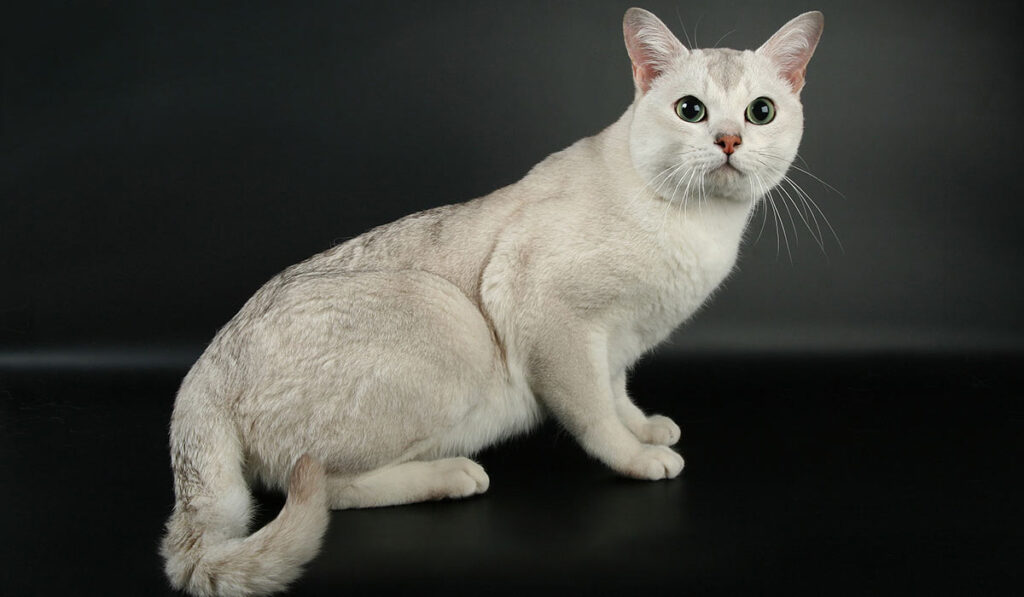
Temperament-wise, it inherited the Persian’s calm nature and the Burmese’s devotion and chattiness. The result: a cat that will contentedly sit on your lap while providing a running commentary on everything happening around it. It’s gentle with children and enthusiastic with guests.
Video: Burmilla
Caracat
The Caracat is a hybrid between the caracal (Caracal caracal) — a wild African and Asian lynx — and the domestic cat. The first known hybrid was born accidentally at a Moscow zoo. Breeders have since developed the line by crossing caracals with Abyssinians, Orientals, Bengals, and Serengetis. Full breed recognition requires at least four generations of breeding.
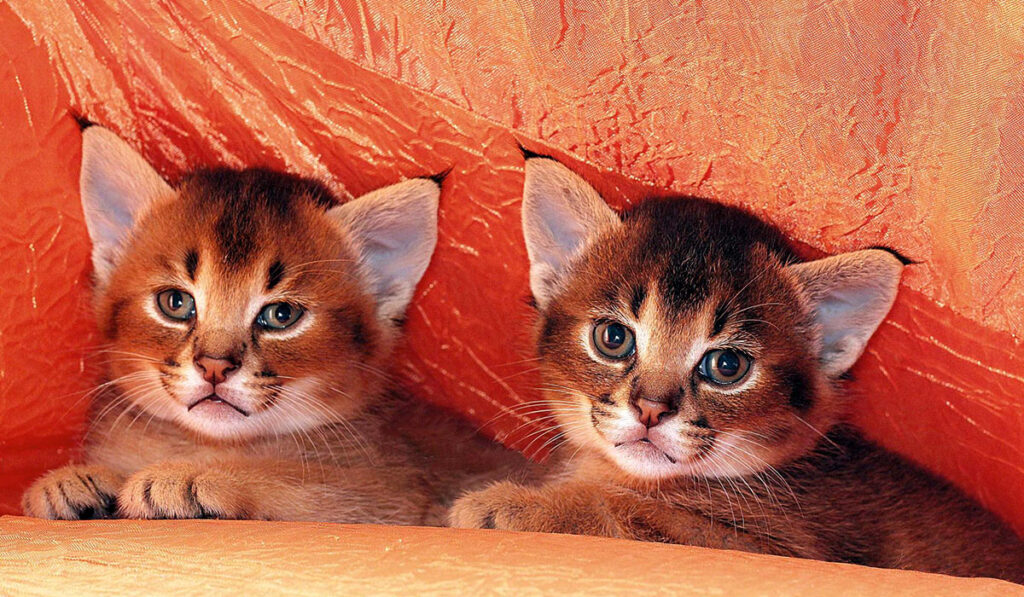
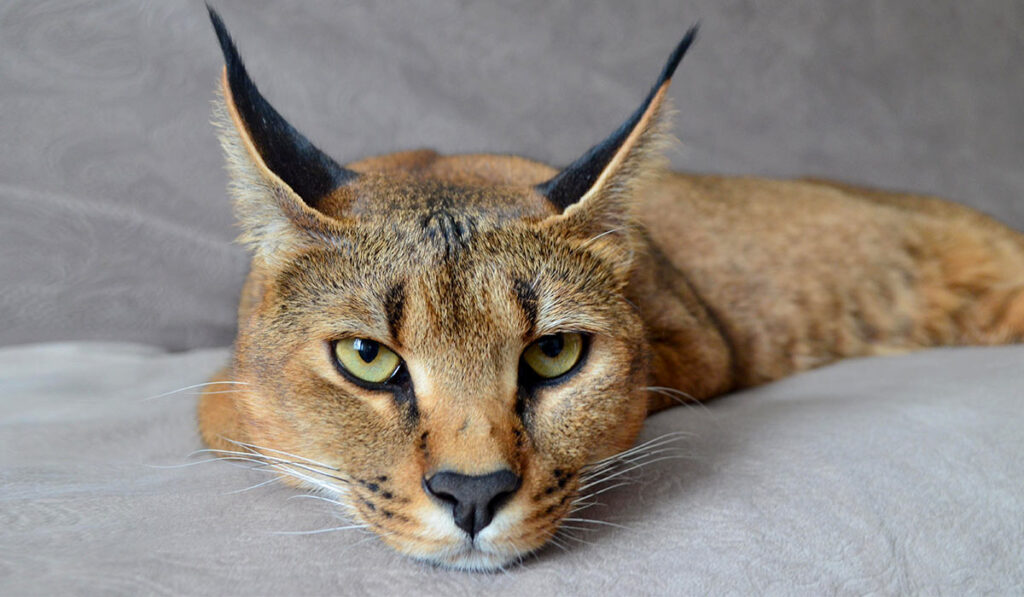
The visual appeal is obvious: tufted ears, athletic build, wild-cat proportions. Later generations have more manageable temperaments — they’re wary of strangers but not aggressive, and bond closely with their primary owner.
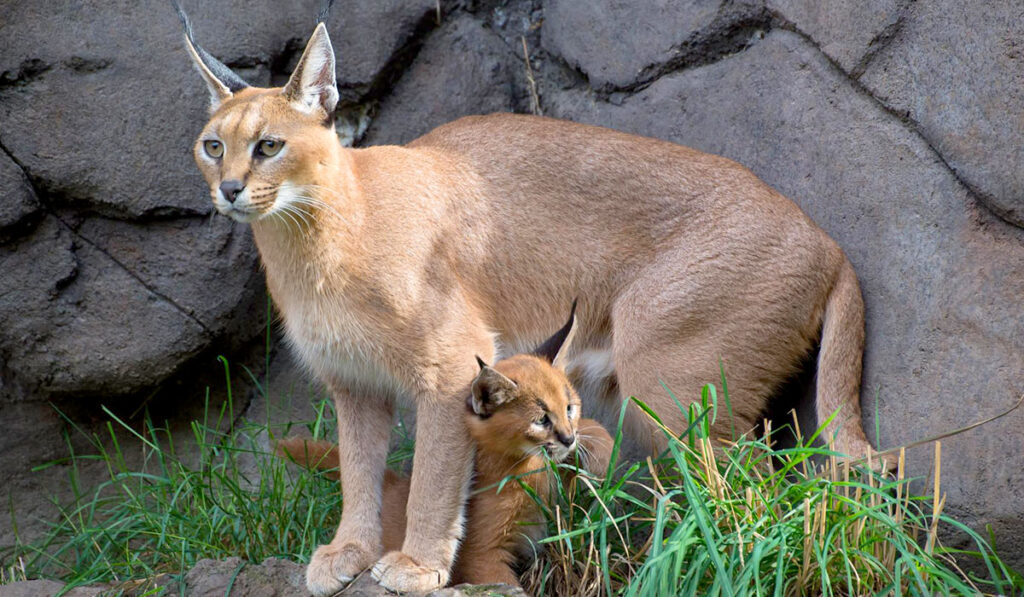
Wild genes remain strong in early generations. Prey drive is high — smaller animals in the household are at genuine risk. Size also matters: Caracats are substantially larger than typical domestic cats.
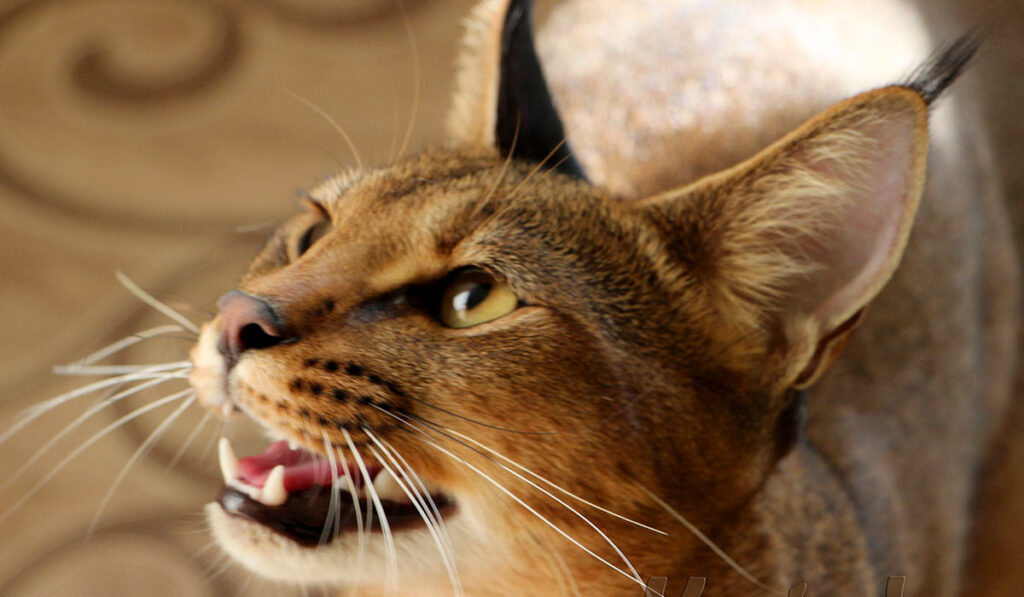
The breed is still developing and is considered a competitor to the better-known Savannah.
Video: Caracat
Cymric
The Cymric (pronounced kim-rik) is the long-haired version of the Manx, native to the Isle of Man. Canadian breeders took interest in the long-haired Manx variants in the mid-20th century and developed them into a distinct breed. Like the Manx, the Cymric is completely tailless or carries a short stub — caused by a dominant genetic mutation.
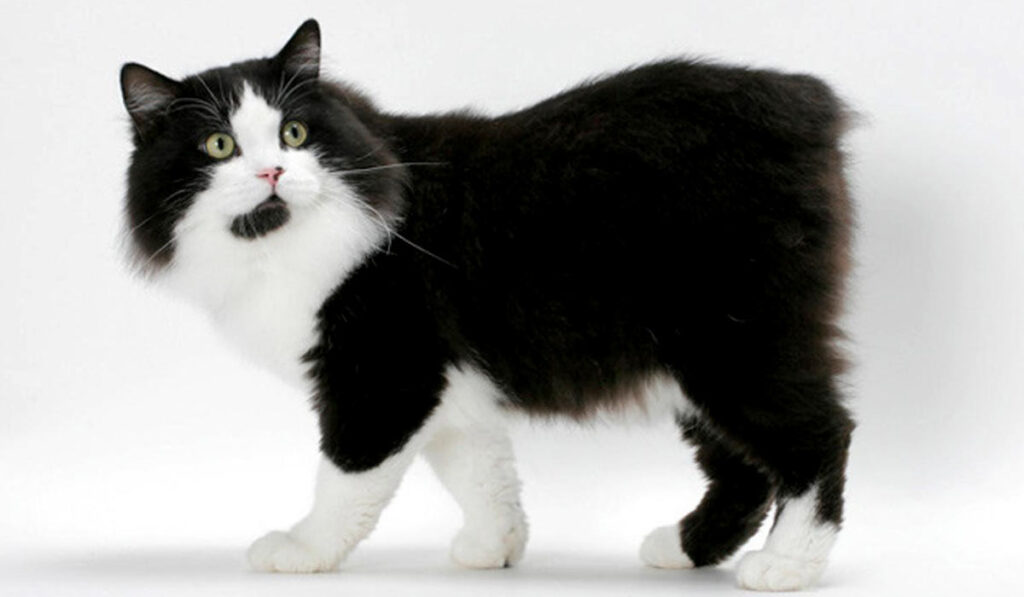
The Cymric’s most unusual physical feature is its hind legs — they’re significantly longer and more muscular than the front legs, giving the cat a rabbit-like hop when it moves at speed. They love water, possibly an adaptation from their island origins.
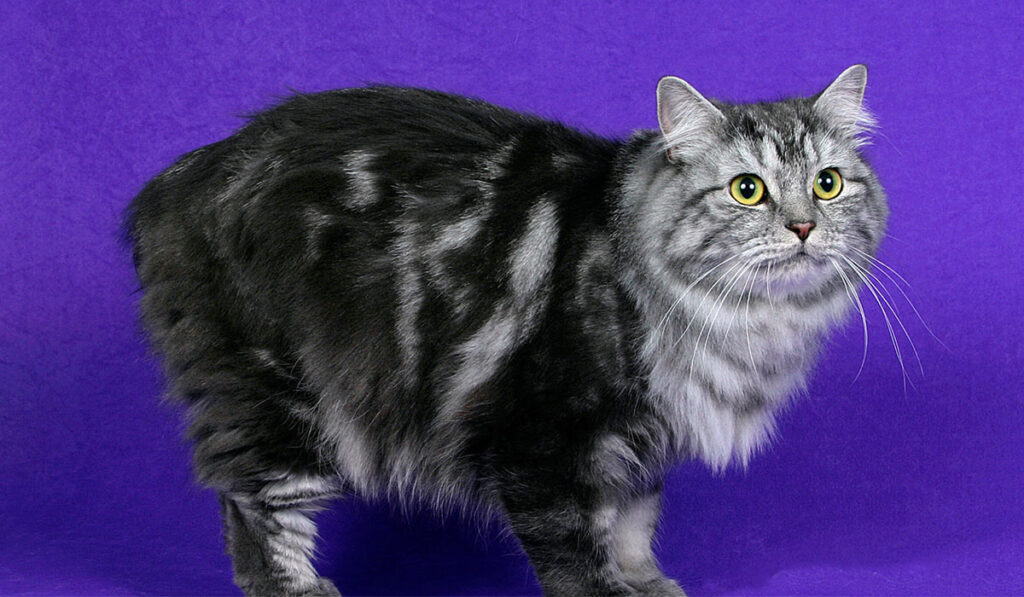
Cymrics behave more like dogs than cats in several respects. They bury toys. They can learn to open doors. They fetch. Their balanced temperament makes them excellent with both children and other pets.
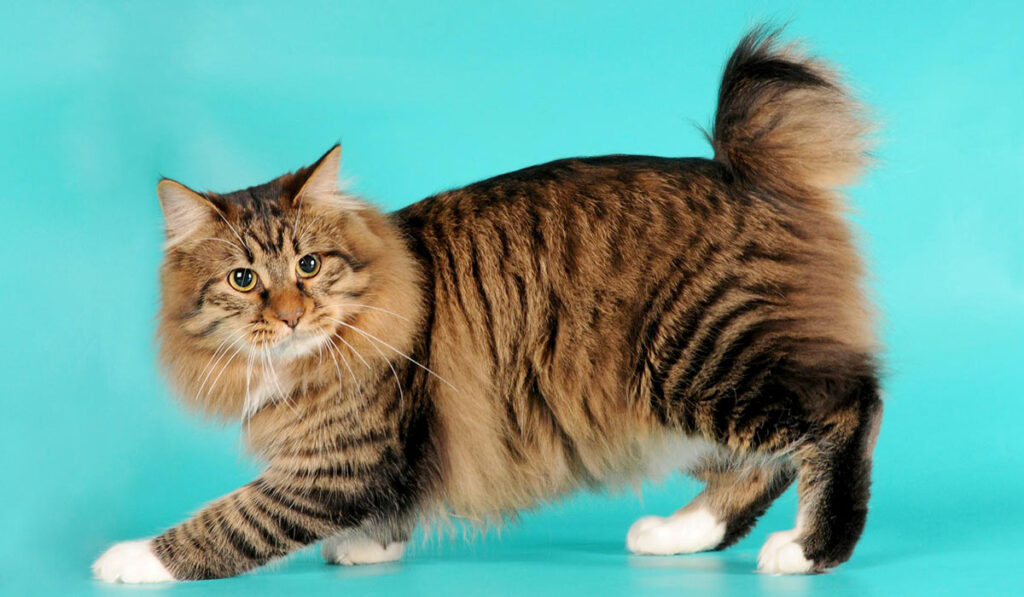
Video: Cymric
Cornish Rex
The Cornish Rex appeared from a single natural mutation on a farm in Cornwall, England in 1950. The kitten had soft, wavy fur unlike anything seen before — because it lacked guard hairs and awn hairs entirely, leaving only the fine down layer. This gives the coat its distinctive curly texture and makes the Cornish Rex one of the lowest-shedding breeds available.
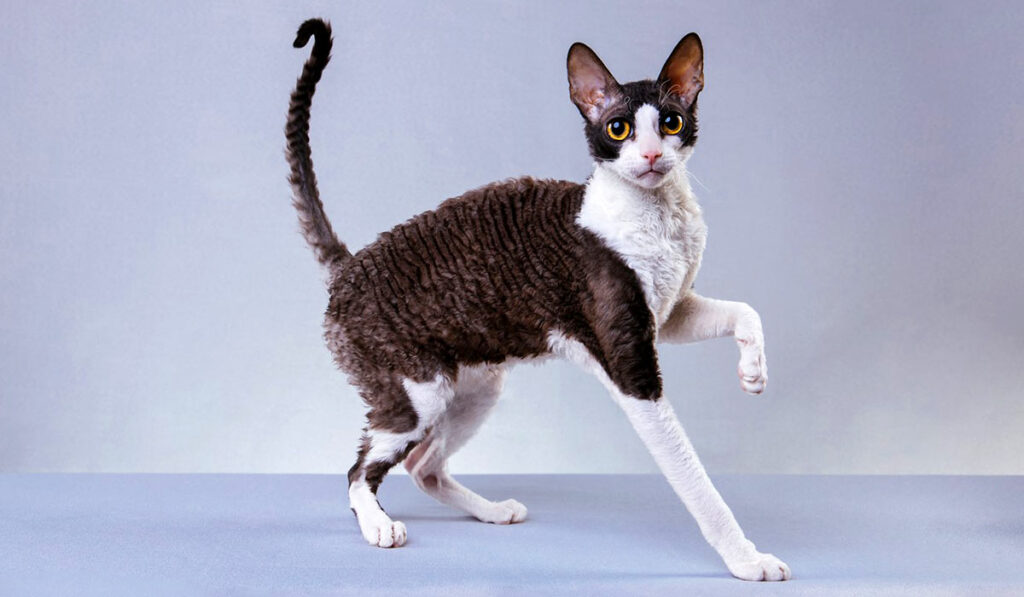
The Cornish Rex is intensely bonded to its owner. It follows you everywhere, monitors everything you do, and climbs to the highest point in the room to survey its domain. Shoelaces, curtain ties, and anything that moves are fair game.
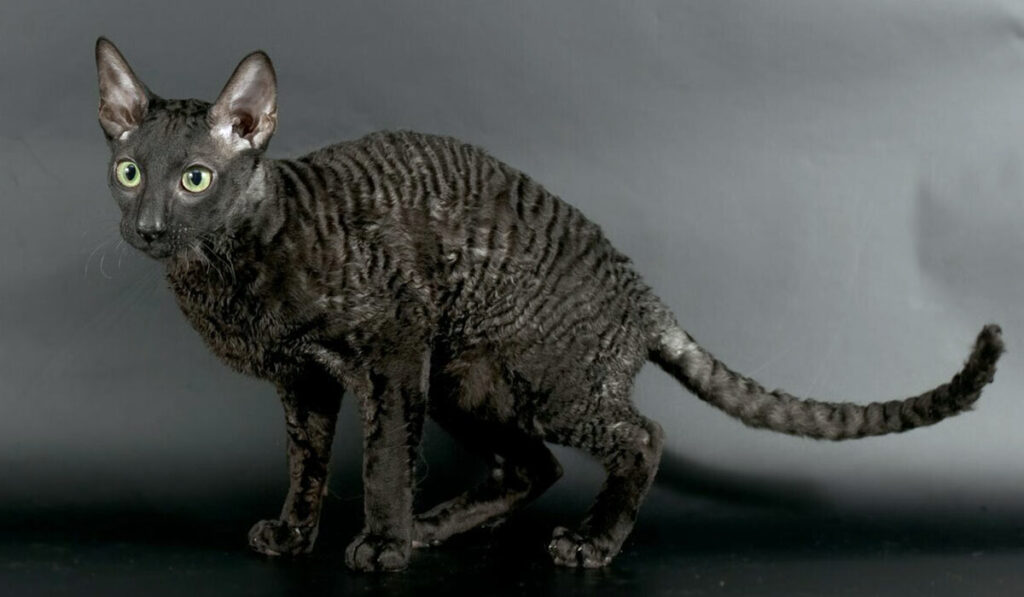
They’re devoted to their person but cautious with strangers and children. Leave a Cornish Rex alone too long and the accumulated energy will find an outlet — usually your furniture or houseplants.
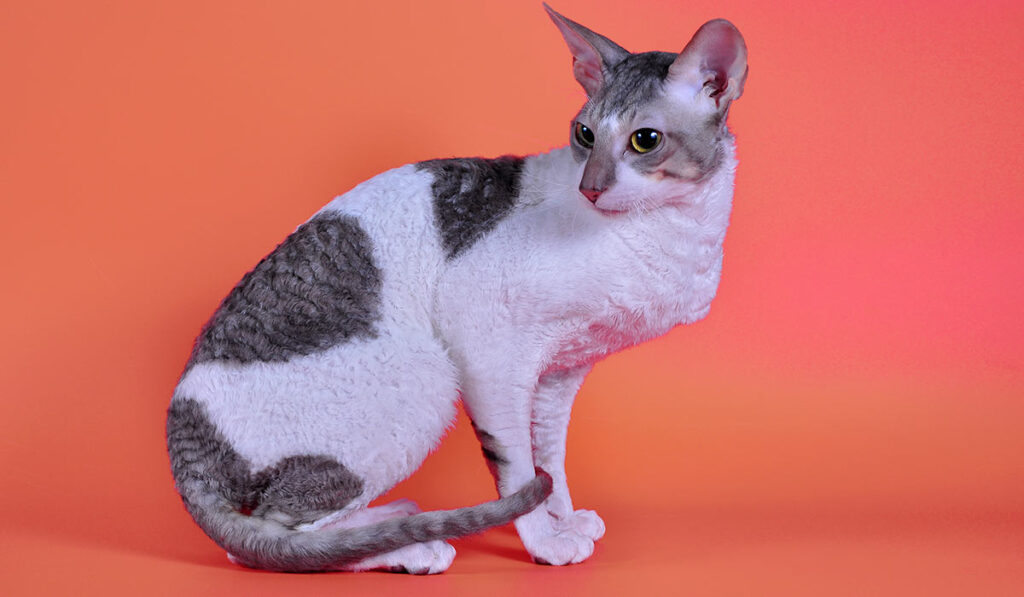
For allergy sufferers: the down-only coat is often better tolerated than typical cat fur. No known breed-specific genetic diseases, low grooming needs, easy to care for.
Video: Cornish Rex
Munchkin
The Munchkin’s short legs are caused by achondroplasia — the same genetic condition responsible for short limbs in Dachshunds and Corgis. The mutation occurs naturally and was first formally documented in 1983. TICA recognized the Munchkin as a breed in 1995. Despite the dramatic appearance, most Munchkins have no spinal problems and live healthy, active lives.
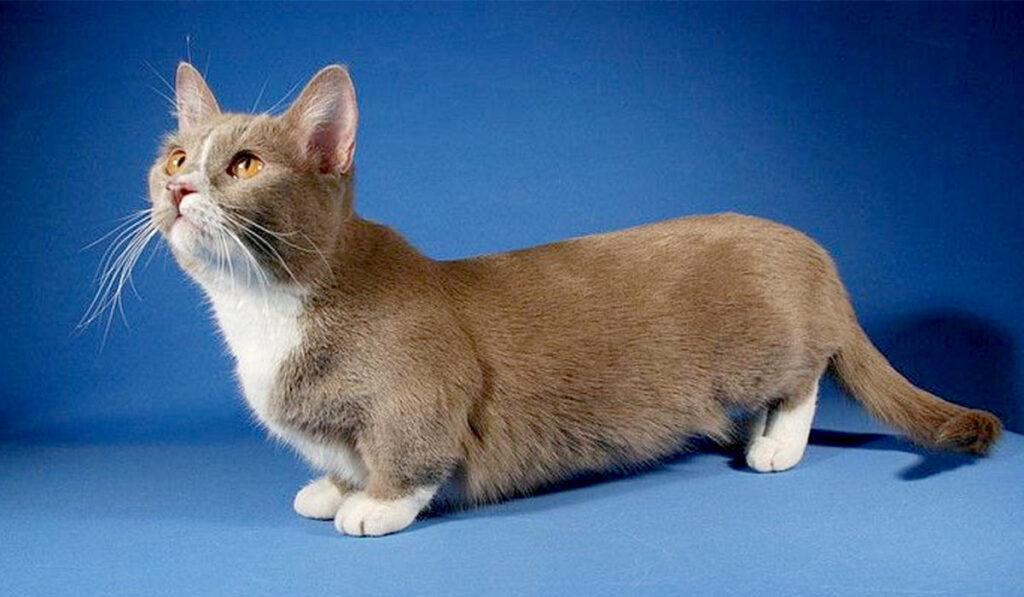
Don’t let the legs fool you. Munchkins are fast, agile, and enthusiastic about play. They can’t jump as high as other cats, but they find their own routes — chairs to counters, chairs to tables — and will absolutely steal food from unattended plates if given the chance.
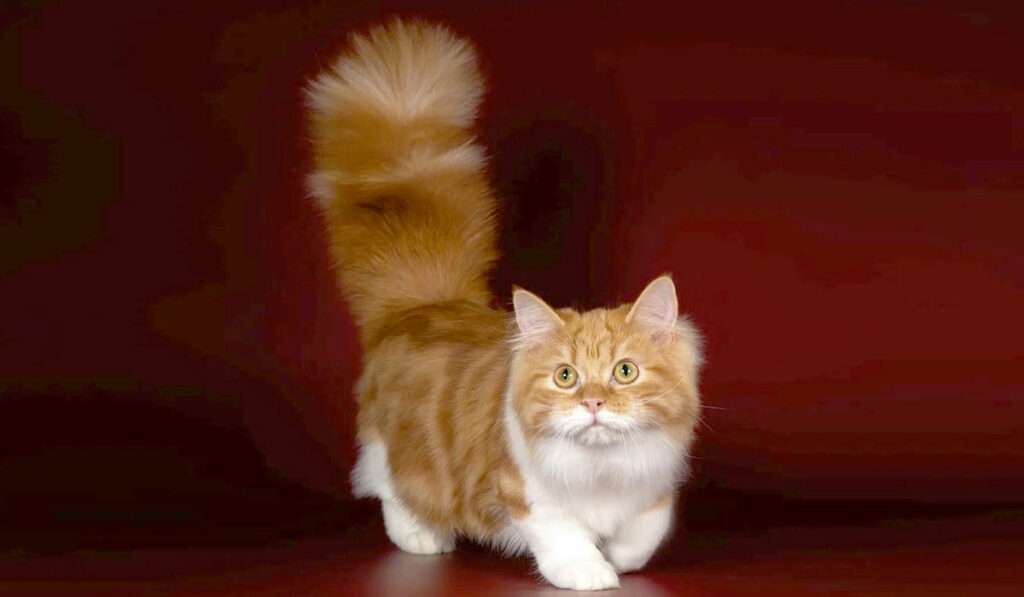
Munchkins are among the most child-friendly breeds on this list. They play willingly and patiently. They also hoard small shiny objects — check under the sofa cushions before reporting anything missing.
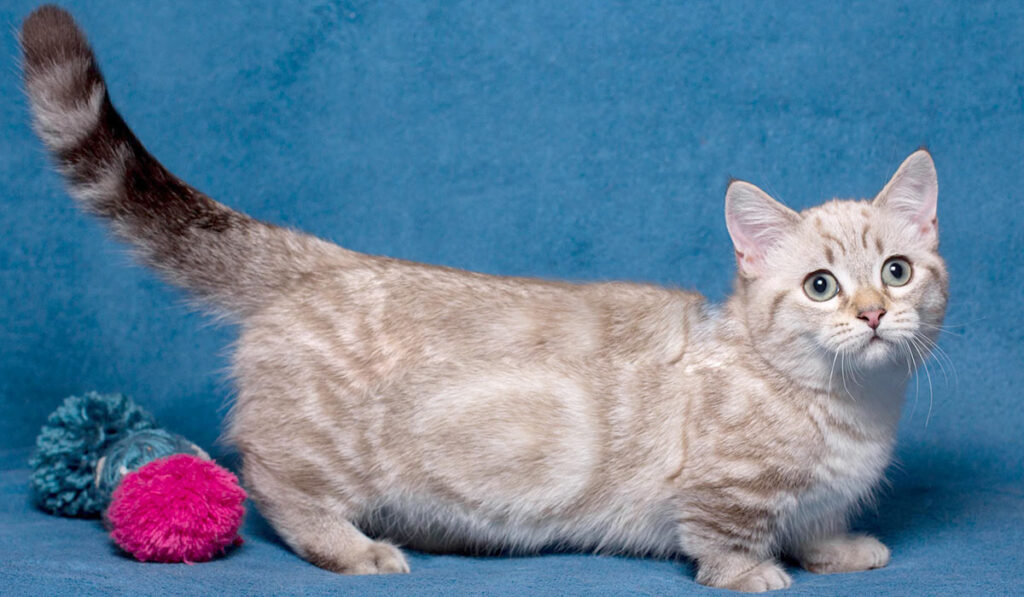
One charming habit: Munchkins regularly sit upright on their hind legs — ferret-style — to get a better view of something interesting. Front paws hang in the air. They hold this pose for surprisingly long periods.
Video: Munchkin
Maine Coon
The Maine Coon is America’s native giant — one of the largest domestic cat breeds, with males regularly reaching 6–8 kg and occasionally more. The breed developed naturally in the harsh climate of Maine over centuries, producing a thick, water-resistant coat with a distinctive ruff around the neck, tufted ears like a lynx, and a long, flowing tail. It’s been Maine’s official state cat since 1985.
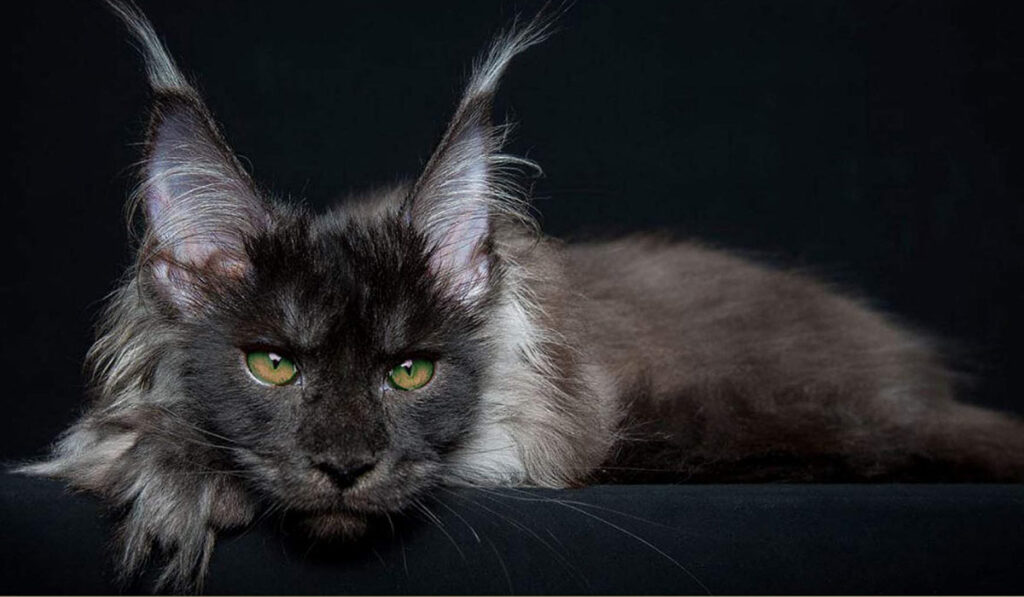
First impressions can be misleading. The Maine Coon’s size and serious expression suggest a cat that keeps to itself. In reality, these cats are deeply gentle and socially intelligent — they read the room and decide whether now is a good moment to approach.
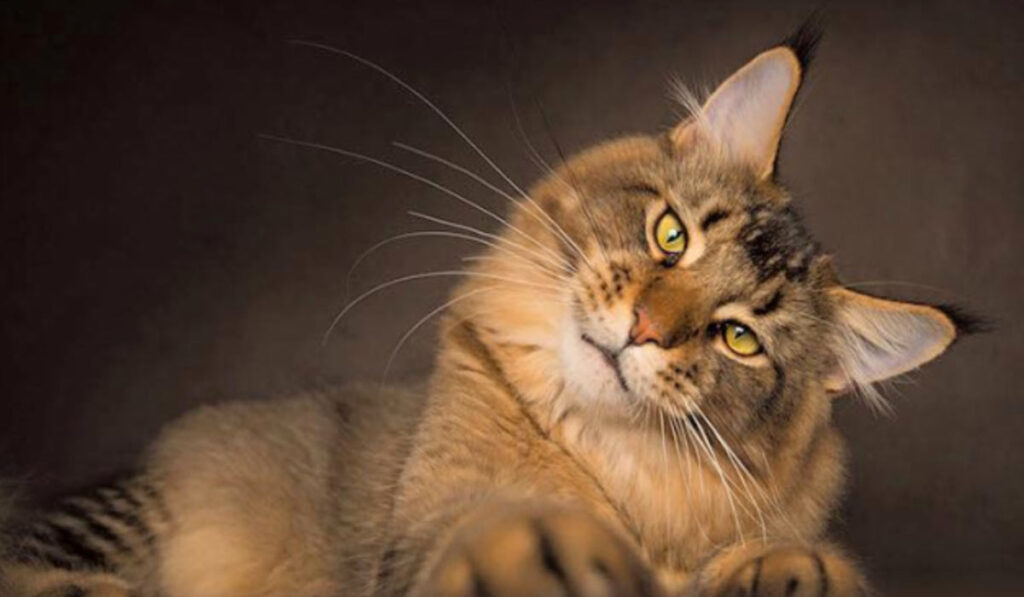
The coat looks high-maintenance but isn’t. Maine Coons have semi-long fur that doesn’t mat easily — weekly brushing is usually sufficient. The tufts between the toes and on the ears add to the wild appearance without adding much grooming time.
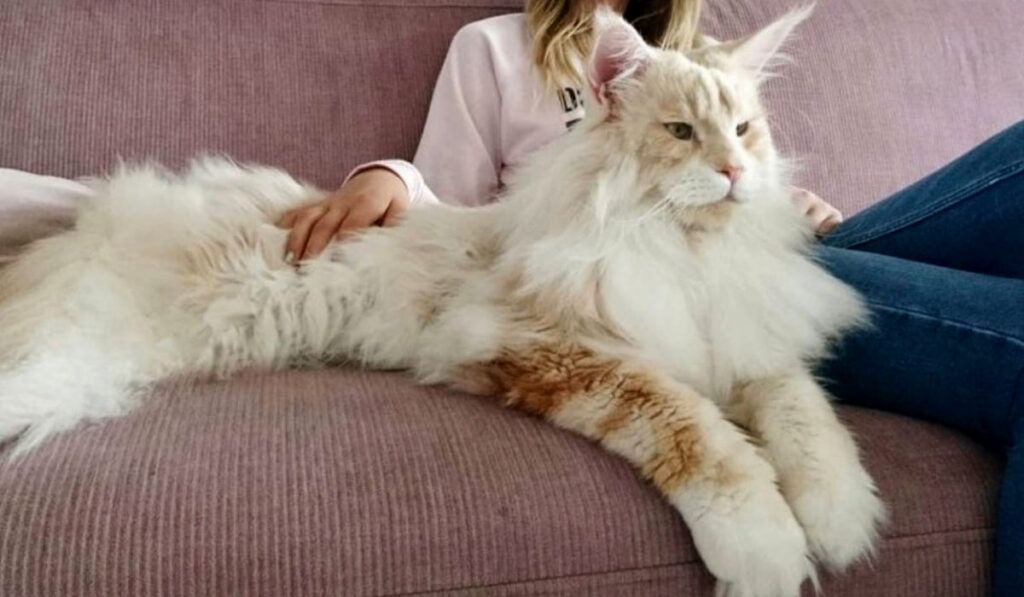
Maine Coons pick one person in the household as their person. They’ll follow that person from room to room, not demanding attention, just choosing proximity. They’re not lap cats — too big for comfort — but they’ll press against your leg or sleep at your feet.
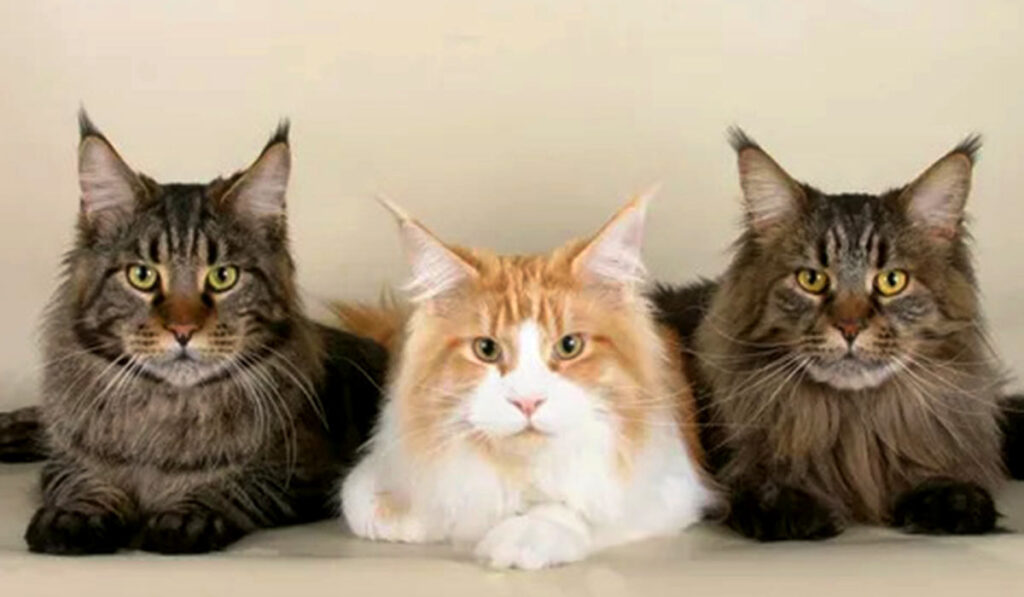
Strangers are ignored rather than feared. With time and patience, a Maine Coon will allow new people in — but on its own terms.
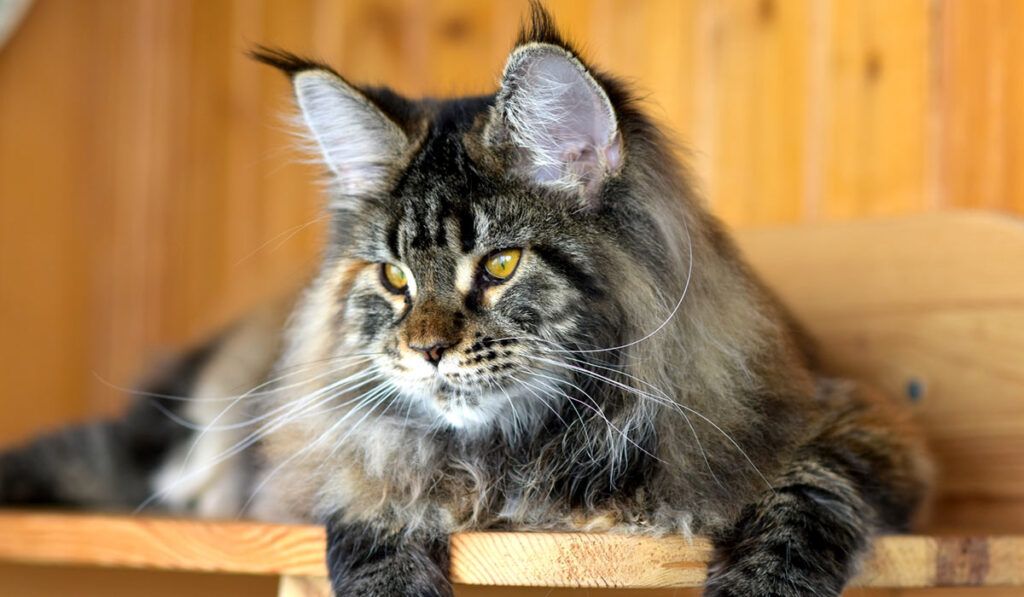
Two things to know about living with a Maine Coon: they love water, so close the bathroom door if you value dry toilet paper; and their paw-steps are audible — this is not a quiet cat to live with.
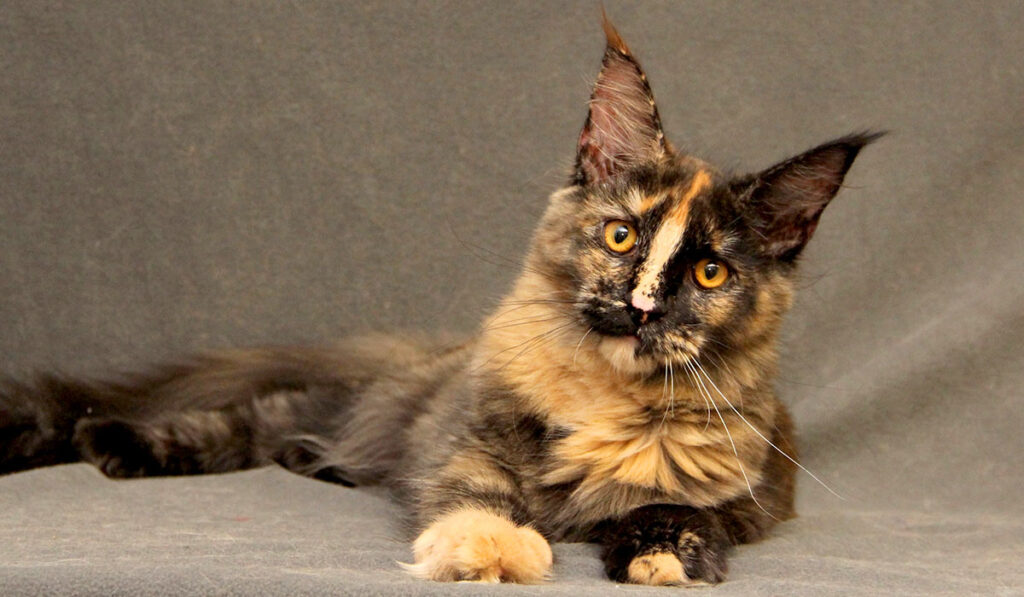
After age 5, most Maine Coons settle into a calmer, more sofa-oriented existence. Enjoy the chaos while they’re young.
Video: Maine Coon
Mekong Bobtail
The Mekong Bobtail is an ancient Asian breed, historically kept in Thai royal courts and Buddhist temples. It resembles the Siamese in coloring — colorpoint coat, blue eyes — but carries a natural bobtail caused by a dominant gene. Each cat’s tail knot is unique, like a fingerprint; no two are identical.
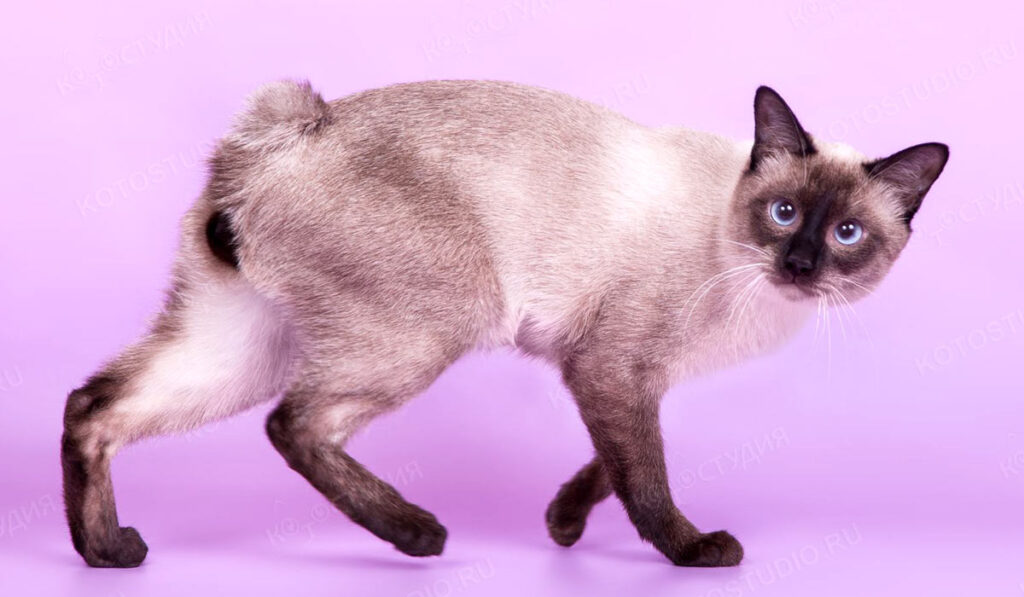
Like the Siamese, Mekong Bobtails are vocal and expressive. They’re also unusually dog-like: they fetch, carry objects in their teeth, and learn their name quickly. A lazy afternoon playing fetch with a bobtail is entirely possible.
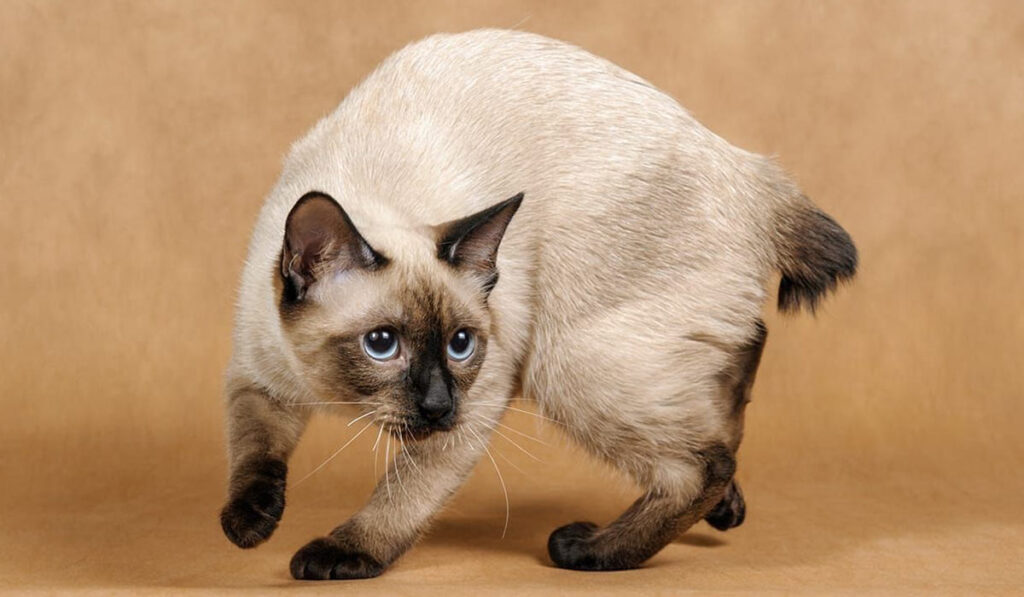
They coexist well with cats and dogs. Rodents, birds, and fish are another matter — hunting instincts are deeply embedded and won’t be trained away. Don’t scold for it; it’s biology.
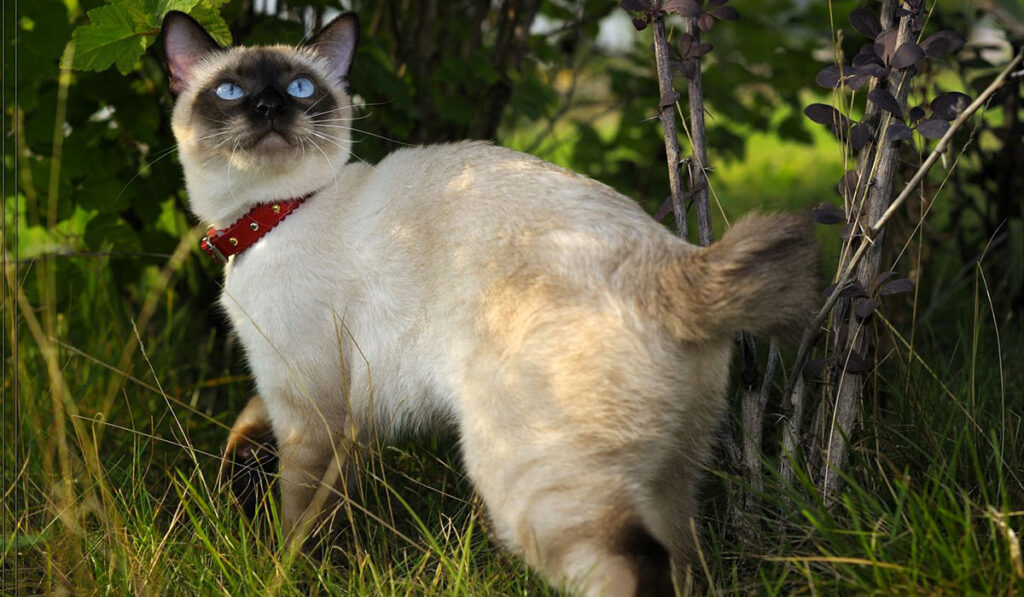
Mekongs are social and affectionate with all family members rather than fixating on one person. They enjoy being spoken to — if you’re silent, they’ll find another family to adopt.
Video: Mekong Bobtail
Norwegian Forest Cat
The Norwegian Forest Cat — Norsk Skogkatt in Norwegian — has lived in Scandinavian forests for centuries and appears in Norse mythology as the mount of the goddess Freya. The breed nearly went extinct during World War II but was preserved through a dedicated breeding program. King Olav V declared it Norway’s national cat in the 1970s.
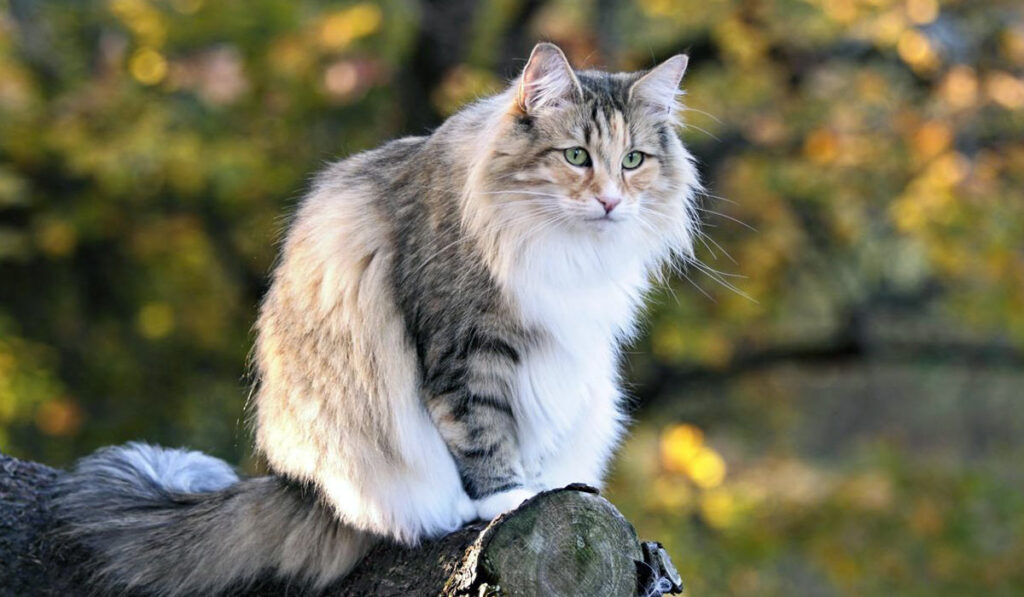
The appearance is dramatic: a thick double coat with water-resistant guard hairs, a full mane around the neck, tufted paws, and a long bushy tail. Cats look even larger than they are, thanks to all that fur.
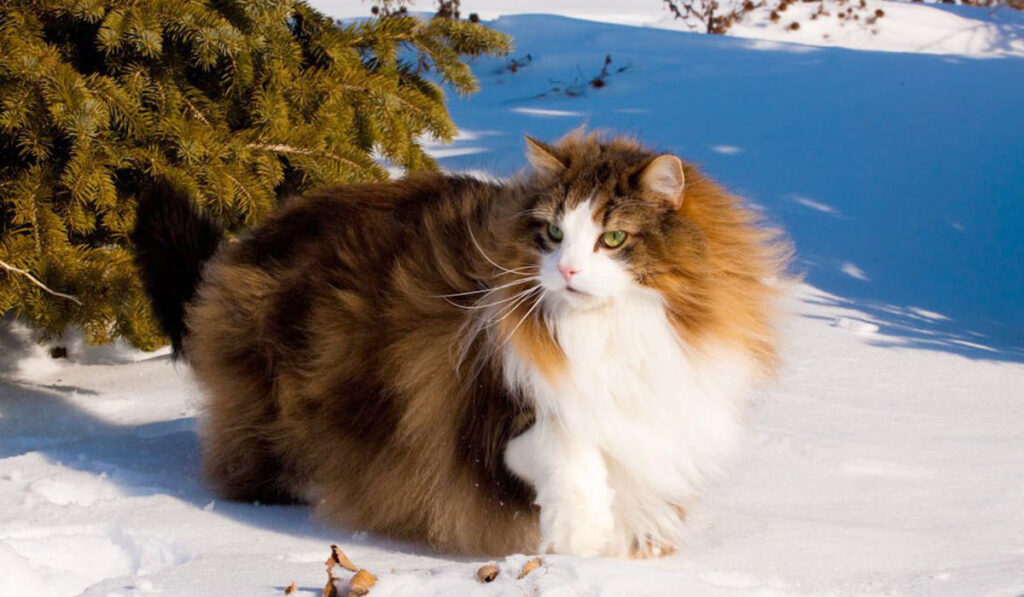
The personality matches the mythology: calm, self-sufficient, Nordic. Norwegian Forest Cats don’t squabble, rarely show aggression, and stay playful well into old age. They bond with their family but on their own terms — if they want space, they’ll take it.
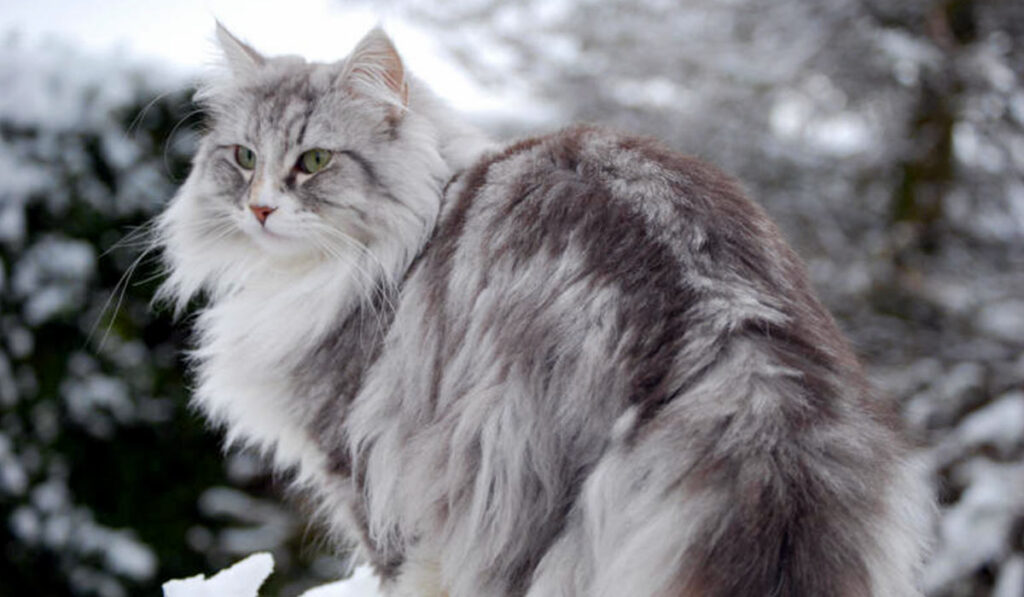
These cats were built for the outdoors. In an apartment, they need space, climbing structures, and ideally harness walks. They adapt, but they’re happier with access to the outside world.
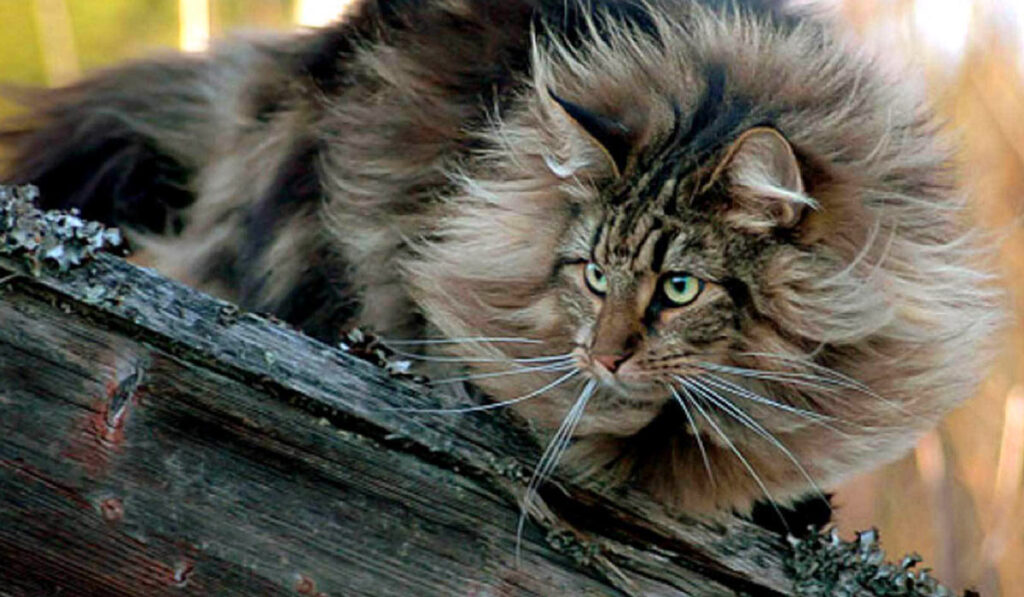
One behavioral note: if you’re their chosen person and you disappear for too long, you will receive a full cat debrief on your return. They maintain their independence but don’t pretend not to care.
Video: Norwegian Forest Cat
Oriental cat
The Oriental is the Siamese’s closest relative — same body type, same intense personality, but developed in the 1960s with hundreds of additional color and pattern options. Where the Siamese is colorpoint-only, the Oriental comes in solid, tabby, tortoiseshell, and bicolor patterns across a vast color range. Both share the same slender, muscular body, enormous ears, and wedge-shaped head.
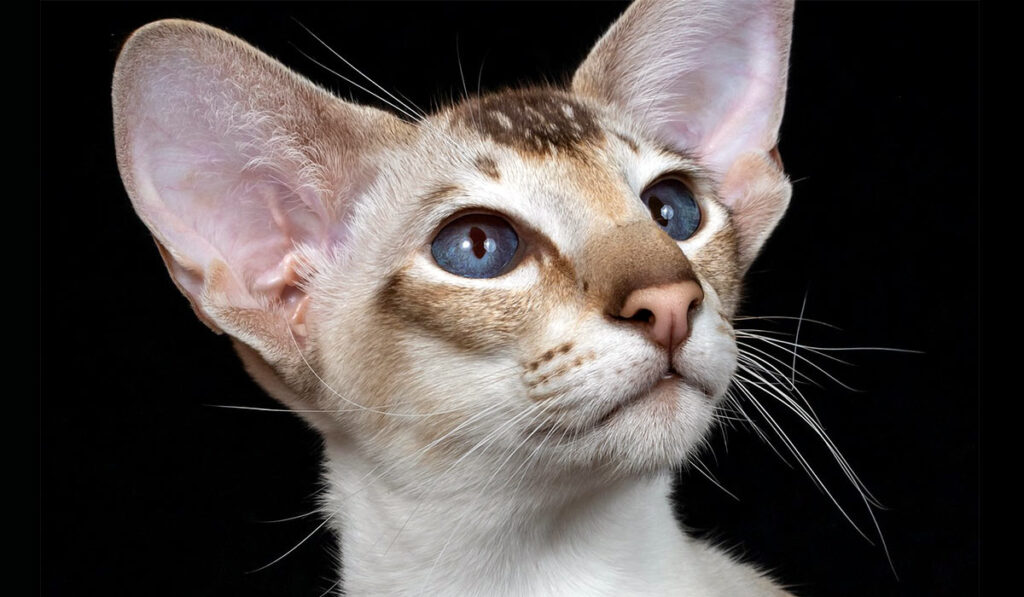
Orientals are the most vocal breed on this list. They produce over 100 distinct sounds — meows, chirps, trills, chattering — and use all of them to maintain a running commentary on their day. They expect responses.
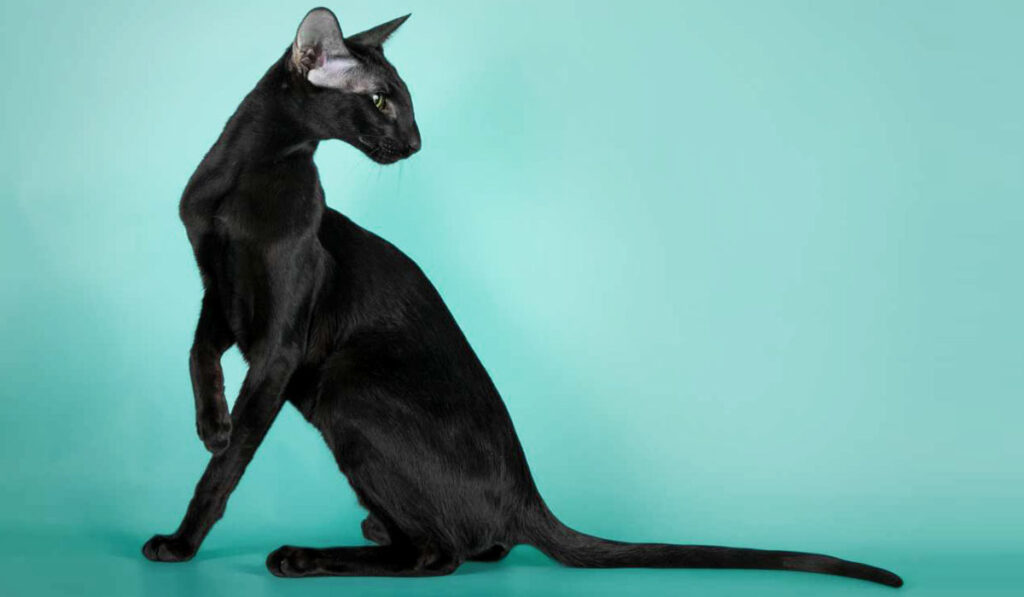
They follow their owner everywhere. They regard you as their property — which means they’ll claim your lap, your keyboard, your pillow, and then launch themselves onto the nearest cabinet to survey the damage from above.
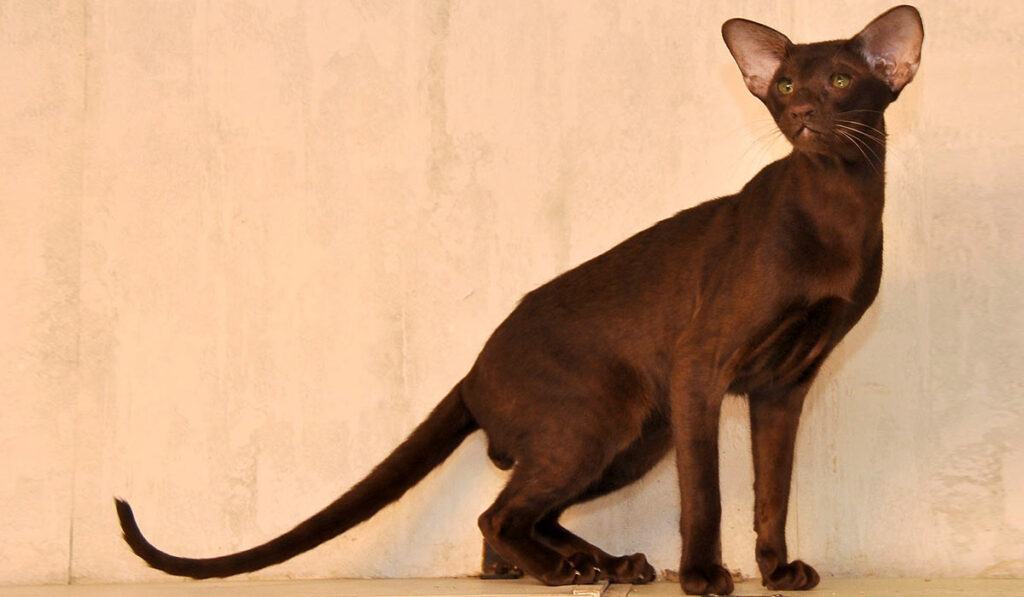
If you’re frequently away from home, get two Orientals. Alone, they become destructive. Together, they manage.
Video: Oriental cat
Persian cat
The Persian is among the oldest recorded cat breeds, with documented history stretching back to 17th-century Europe, where they were brought from Persia (now Iran) as exotic gifts for European nobility. The breed’s flat face (brachycephalic), dense flowing coat, and serene temperament have made it one of the most recognized cats in the world for centuries.
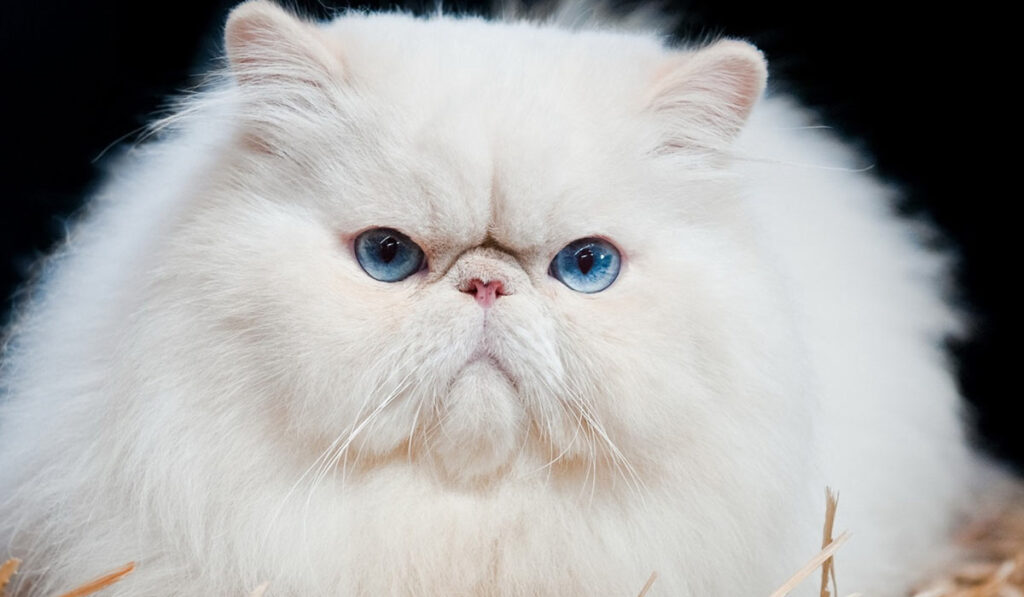
Persians are completely domesticated — decades of selective breeding have produced a cat with no survival instincts beyond finding a comfortable cushion. They’re devoted to their owners, gentle with visitors, and utterly content to spend the day on a windowsill.
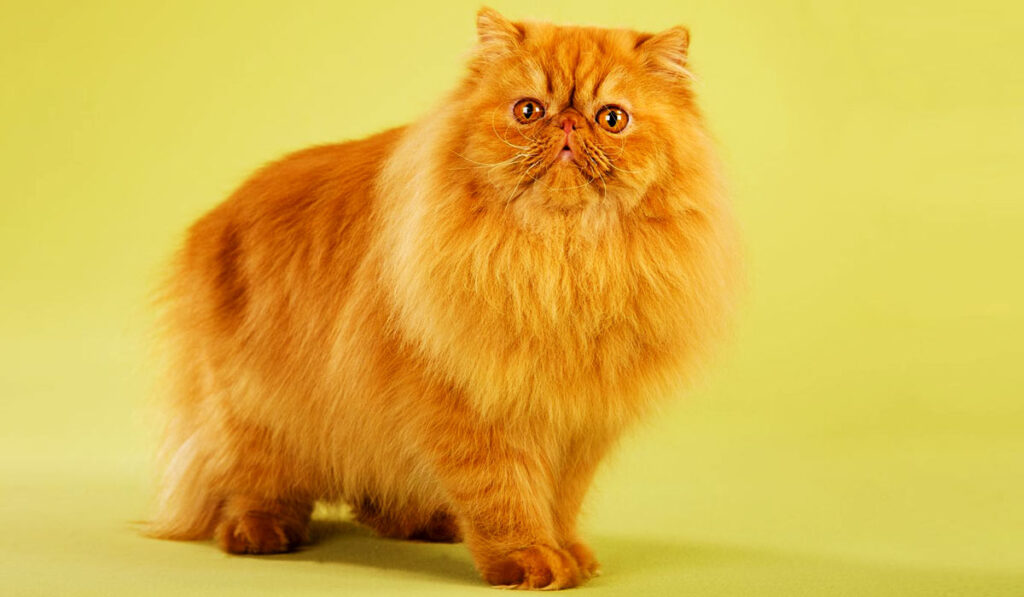
Two non-negotiables with Persians: daily grooming and eye cleaning. The long coat mats without daily brushing. The flat face causes tear duct overflow — wipe the eye corners daily to prevent staining and infection.
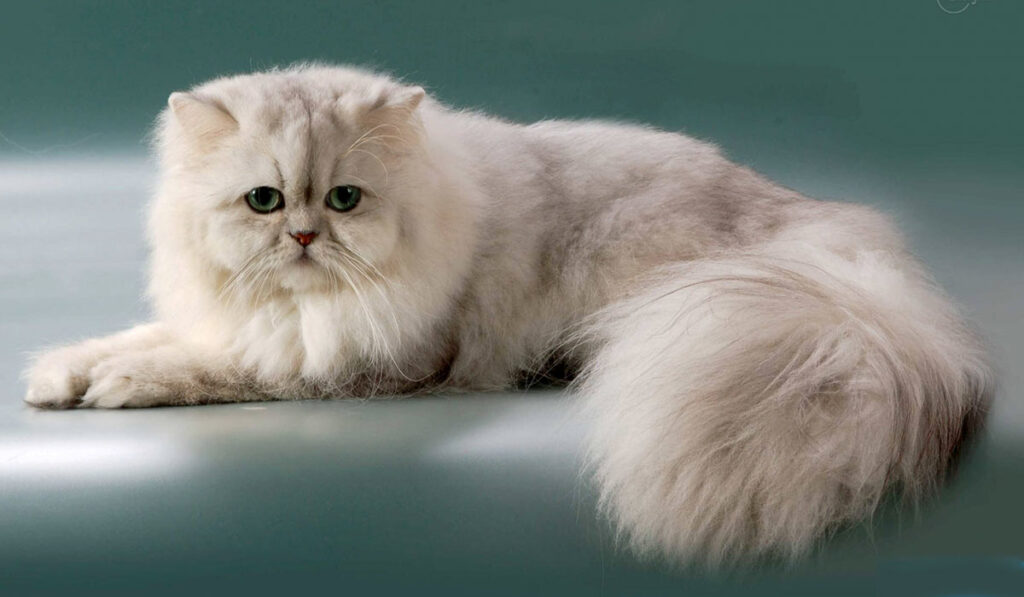
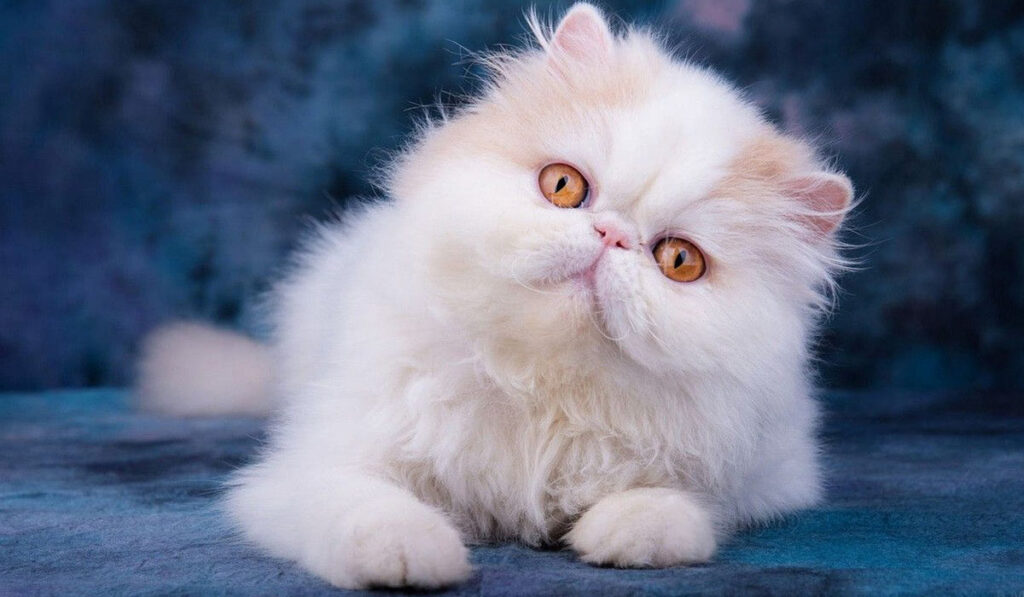
Persians are prone to obesity — they’ll beg convincingly and have no sense of portion control. Measure their food and resist the soulful eyes.
Video: Persian cat
Russian Blue
The Russian Blue originated in the port city of Arkhangelsk, Russia, where sailors reportedly brought these cats on ships across Europe. The breed has a distinctive double coat — plush, blue-grey fur with silver-tipped guard hairs that create a natural sheen. The eyes are a vivid emerald green, developing from yellow at birth. Notably, Russian Blues produce lower levels of the Fel d 1 allergen than most breeds, making them more tolerable for allergy sufferers.
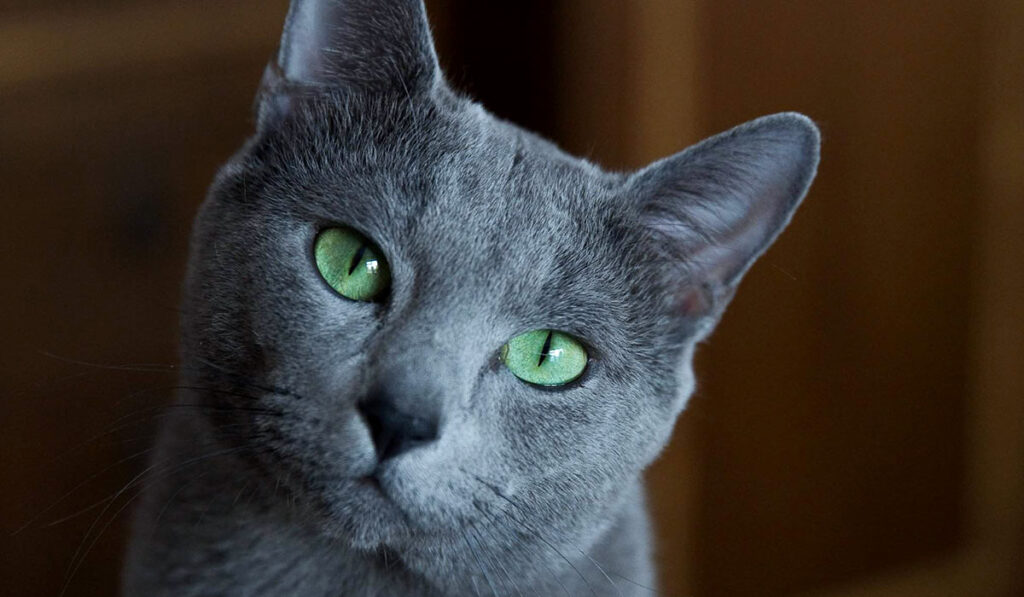
With family, Russian Blues are affectionate and demonstrative. With strangers, they vanish. This isn’t fearfulness — it’s selectivity. Once they’ve decided someone is trustworthy, they extend the same warmth.
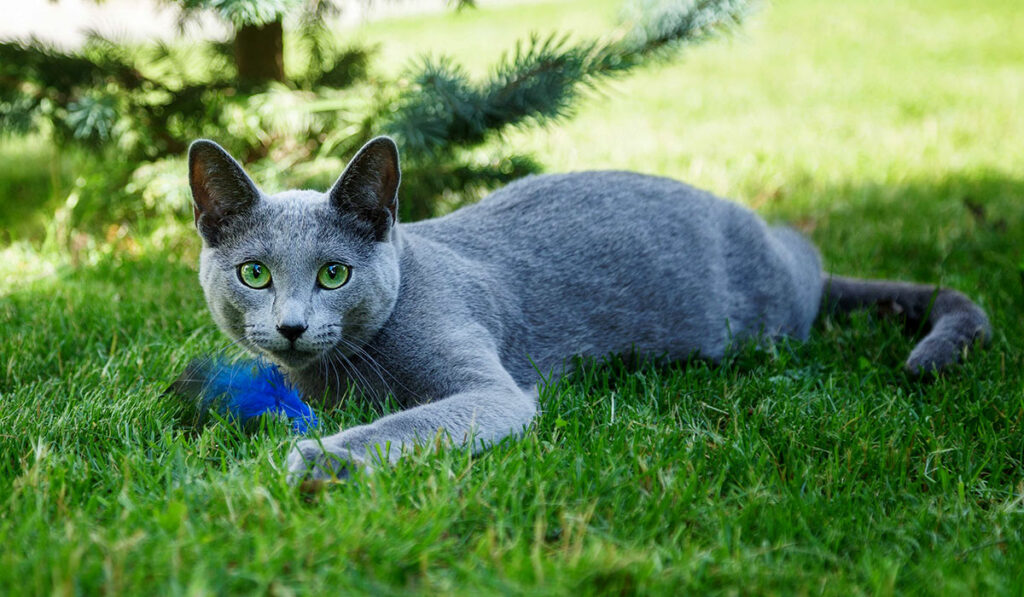
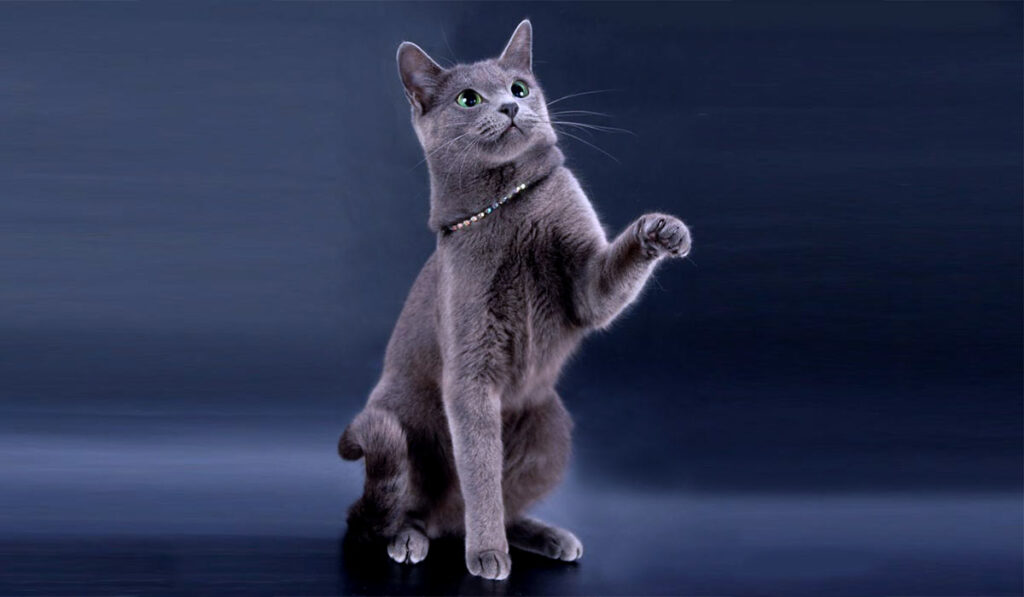
Russian Blues are strong jumpers — they can reach heights that would surprise you. Secure upper shelves if there’s anything fragile up there.
Video: Russian Blue cat
Ragdoll
The Ragdoll was developed by breeder Ann Baker in Riverside, California in the 1960s. The name describes exactly what happens when you pick one up: this cat goes completely limp in your arms, as if every bone dissolved. It’s a real behavioral trait, not selective perception. Males regularly reach 7–9 kg, making the ragdoll effect even more dramatic.
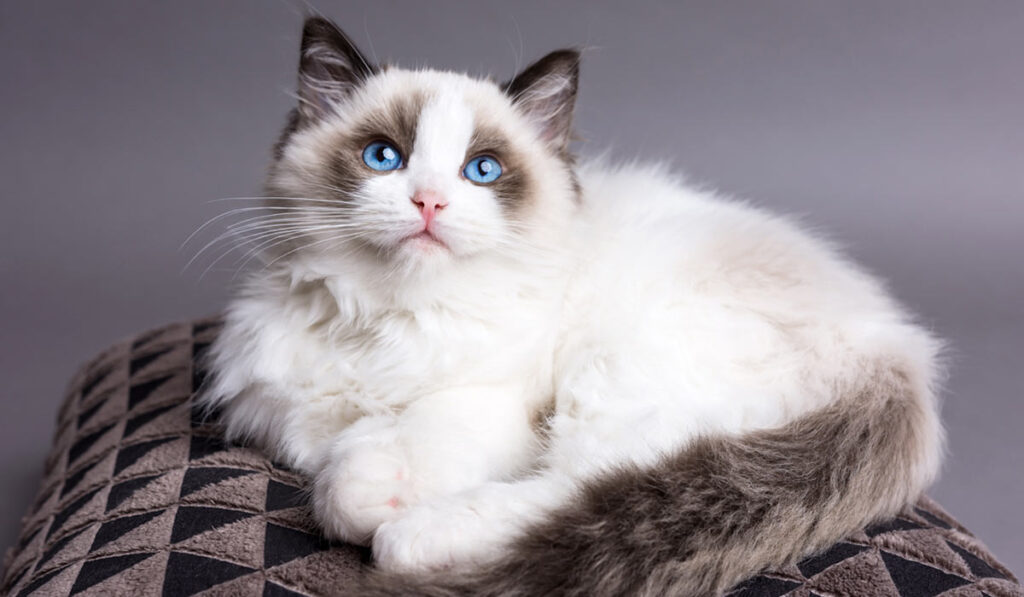
Ragdolls are one of the gentlest breeds in existence. Their response to stress is to hide or submit rather than defend themselves — which means they should never live with aggressive animals. They have deep blue eyes and a semi-long colorpoint coat.
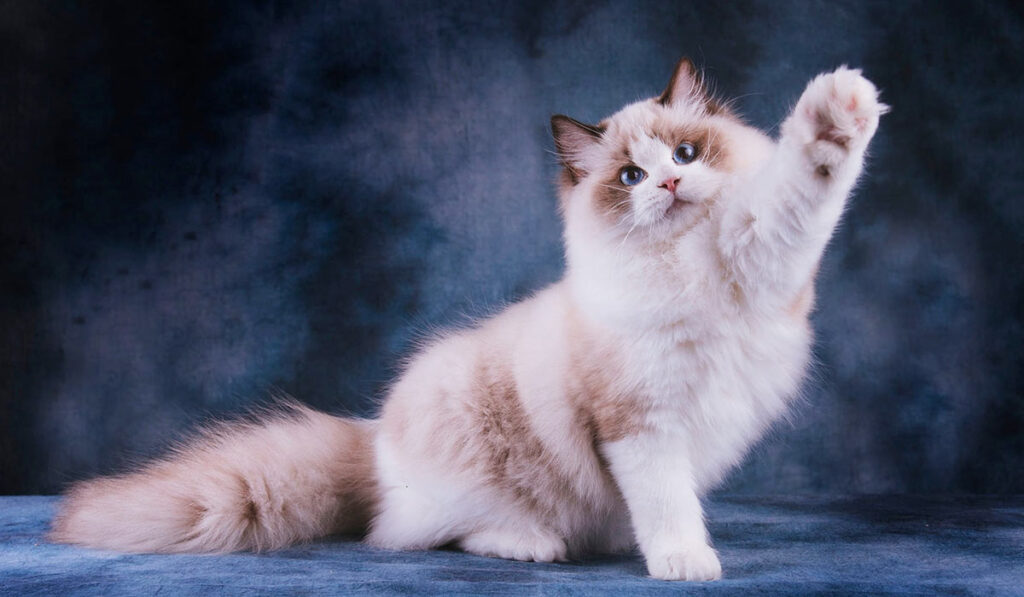
They’re family cats in the fullest sense — they love their owner most, but they won’t ignore other family members. They’re tolerant of children being handled, though supervision with very young children is always wise.
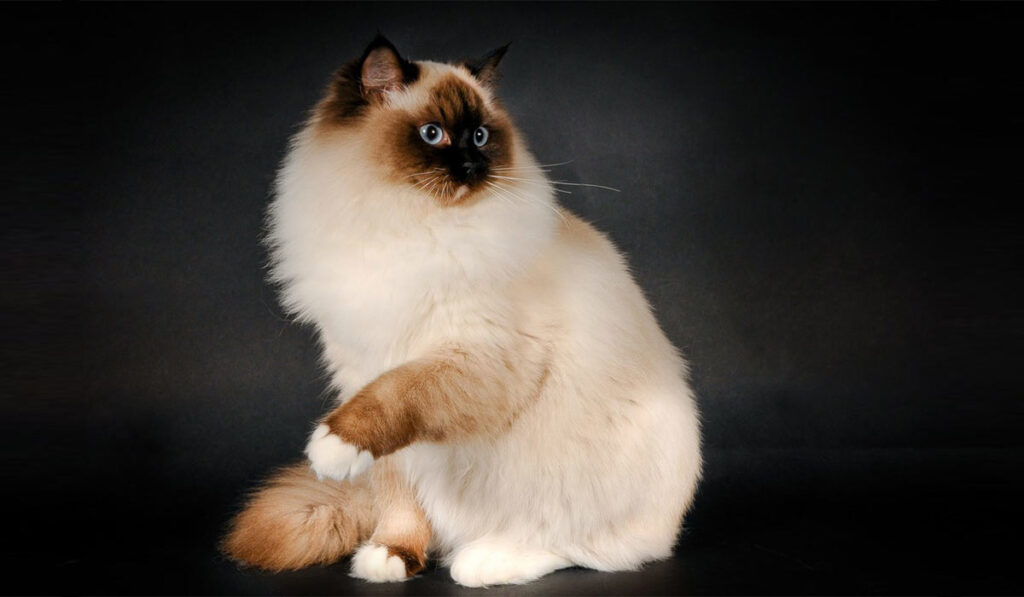
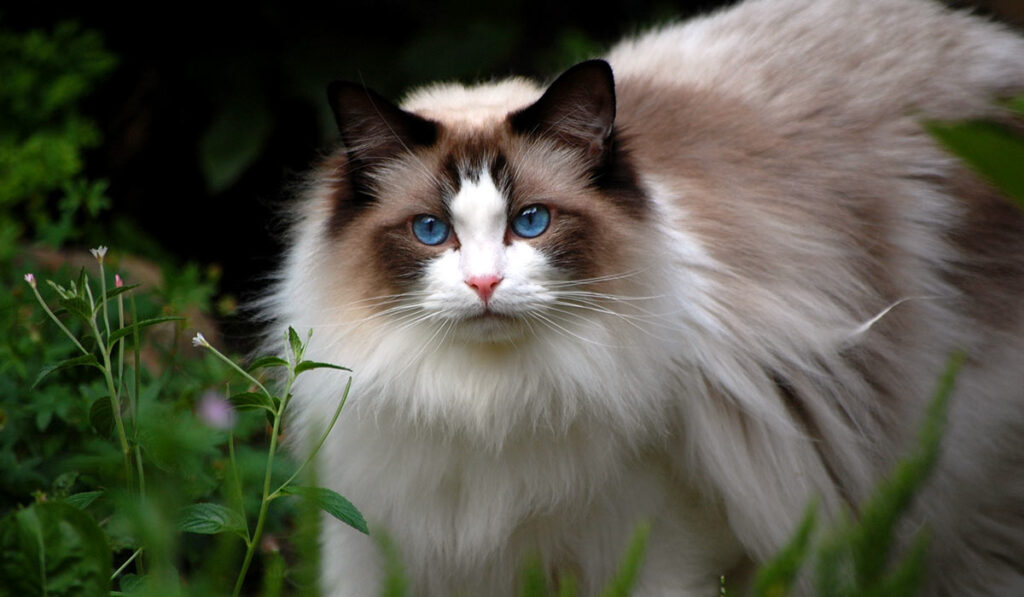
Don’t leave Ragdolls alone for extended periods. Solitude genuinely distresses them. If you travel frequently, arrange a companion — another cat or a reliable pet-sitter.
Video: Ragdoll
Savannah
The Savannah is a hybrid of the serval (Leptailurus serval), a wild African cat, and various domestic breeds. First bred in 1986 by breeder Judee Frank, the Savannah became a TICA-recognized breed in 2001. It’s the tallest domestic cat breed — F1 individuals (first generation from a serval parent) stand up to 45 cm at the shoulder and can cost $10,000–$20,000.
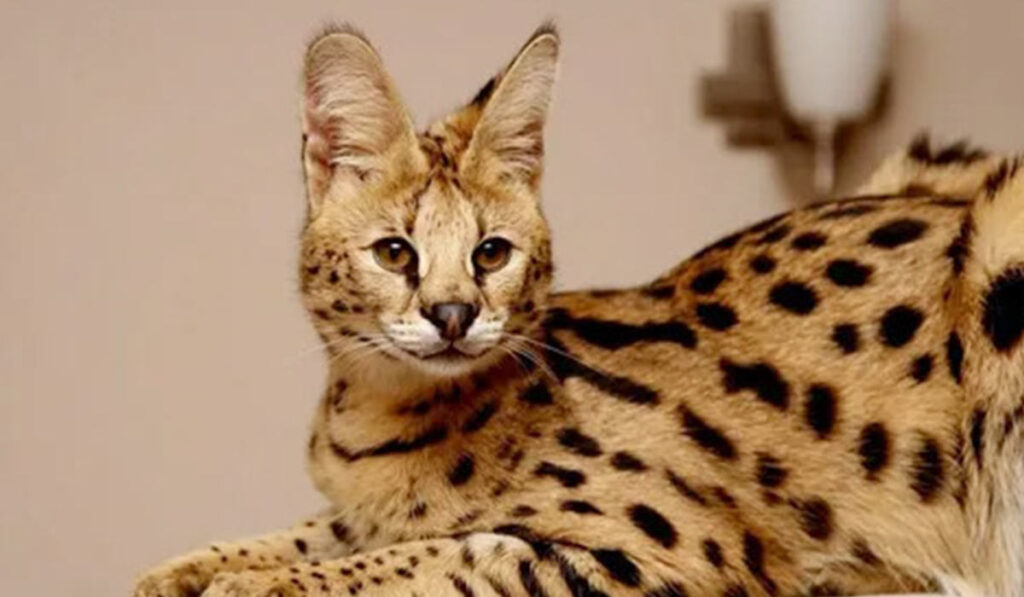
The Savannah jumps up to 2.5 meters vertically from a standing start. It requires space — a standard apartment is too small. It needs a home with room to run, climb, and explore.
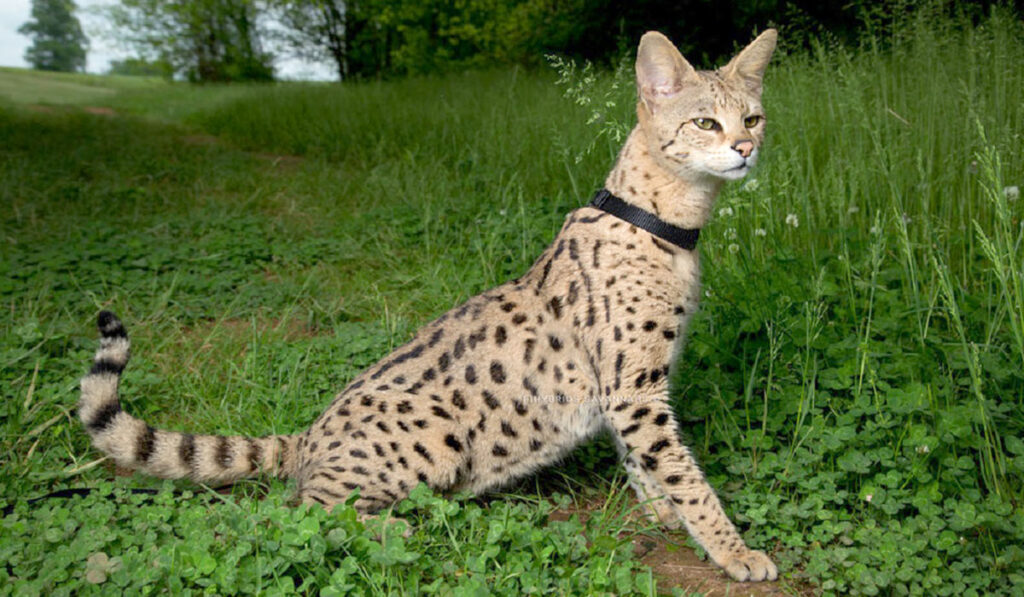
F1 and F2 generations are legal to own in some states and countries, illegal in others — check your local regulations before buying. Later generations (F3 and beyond) are calmer and better suited to family life, especially if children are present.
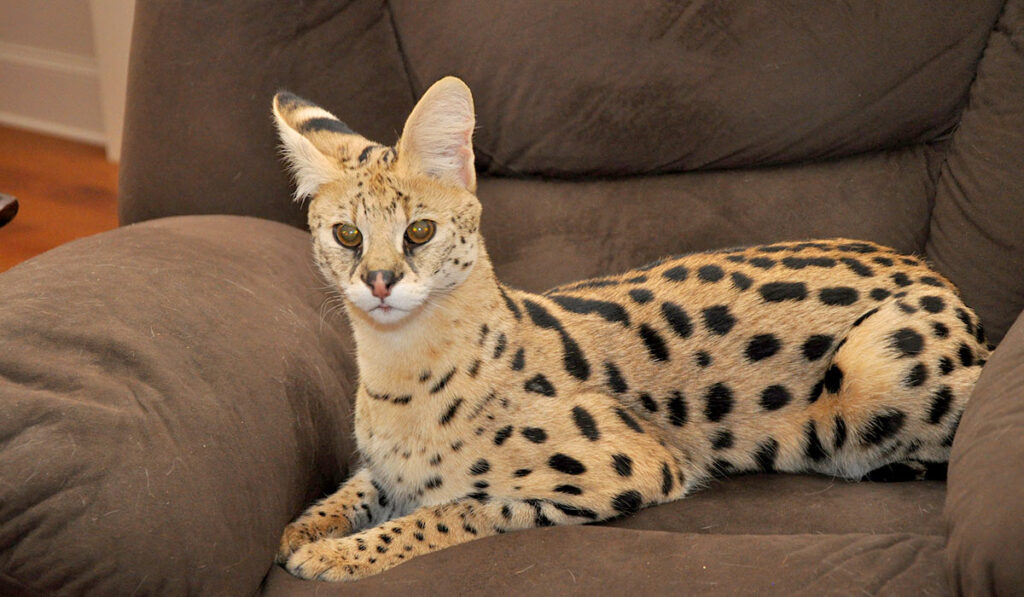
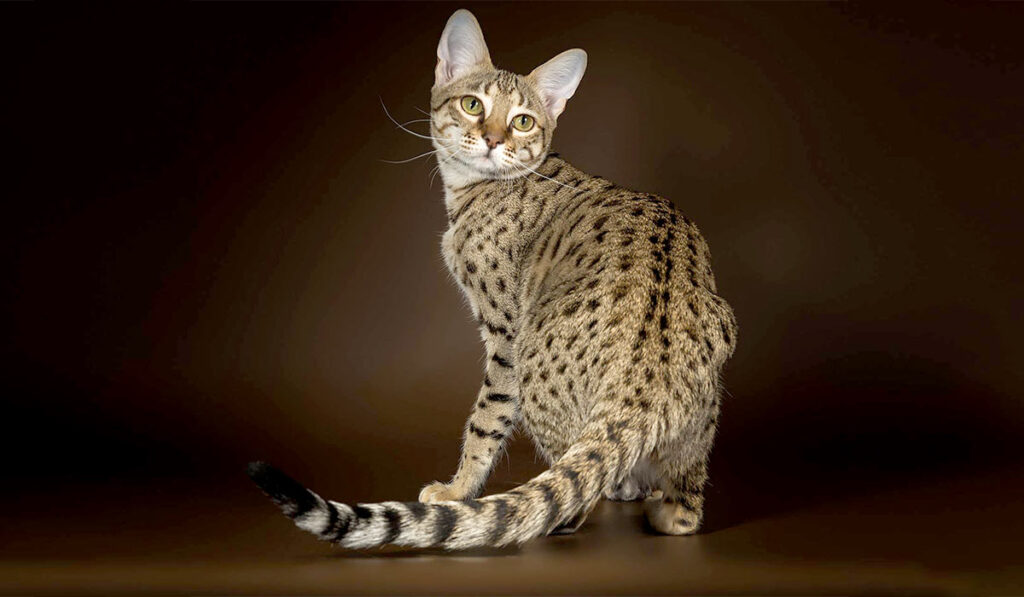
Savannahs do well with dogs but view smaller animals as prey. They’re affectionate with their family but demand respect. Neutering reduces dominance-related behavior significantly in early generations.

Harness training is essential from kittenhood. These cats need outdoor time to burn energy safely.
Video: Savannah cat
Selkirk Rex
The Selkirk Rex originated from a single curly-coated kitten born in a Montana shelter in 1987. Unlike the Cornish and Devon Rex, the Selkirk’s curling gene is dominant — one copy is enough to produce a curly coat. The breed was developed by crossing that kitten with Persians, Exotics, and British Shorthairs, resulting in a robust, heavily-built cat with a coat that feels like plush wool.
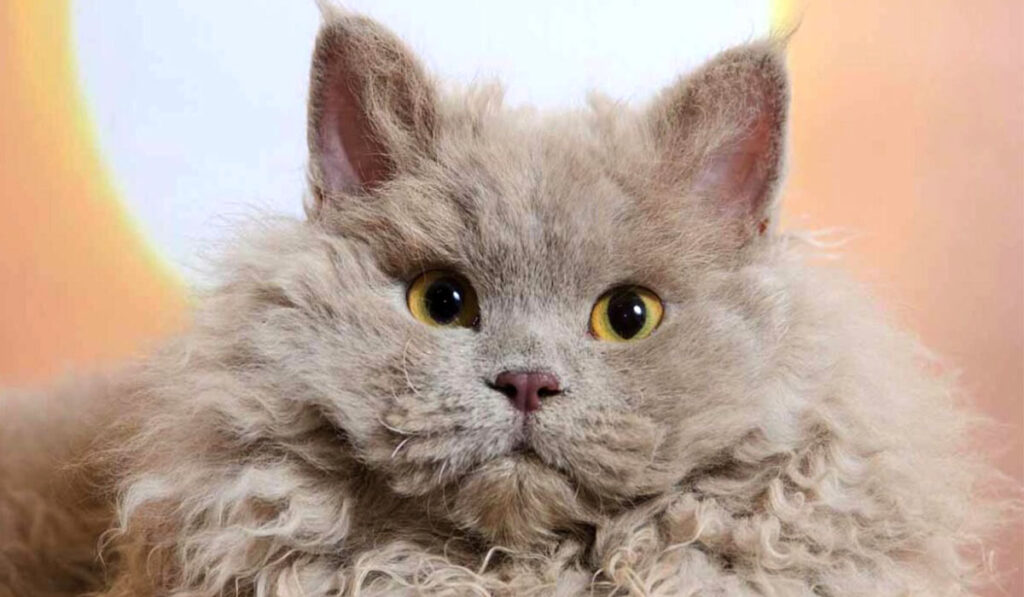
There are two coat variants: curly and straight. All Selkirk kittens are born with curly whiskers (vibrissae) — the easiest way to identify which will grow up curly-coated.
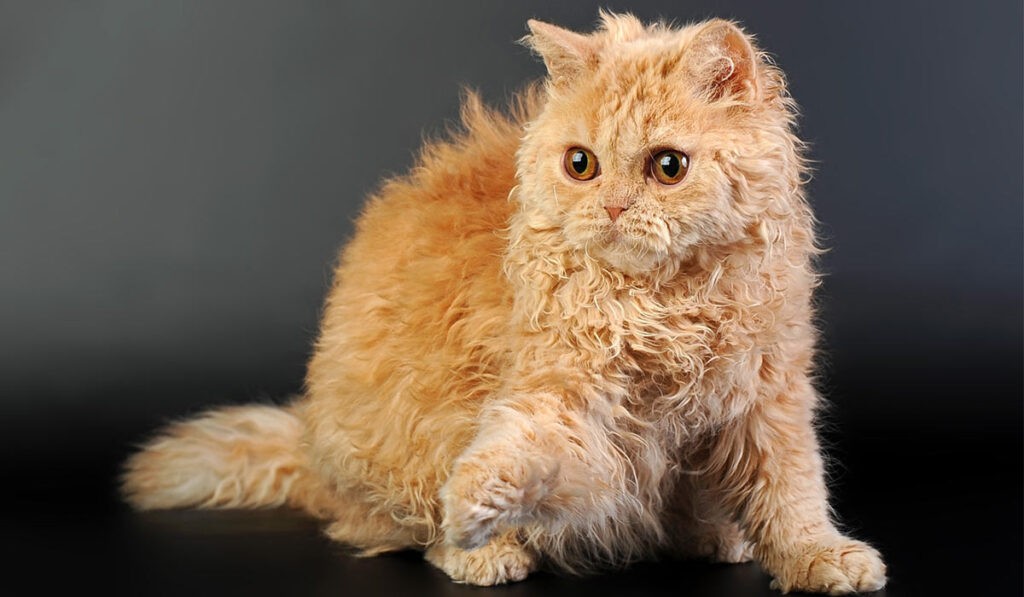
Selkirks are social, patient, and remarkably unbothered by unfamiliar environments — which makes them excellent exhibition cats. They form strong bonds with their owners but extend friendliness to strangers without much hesitation.
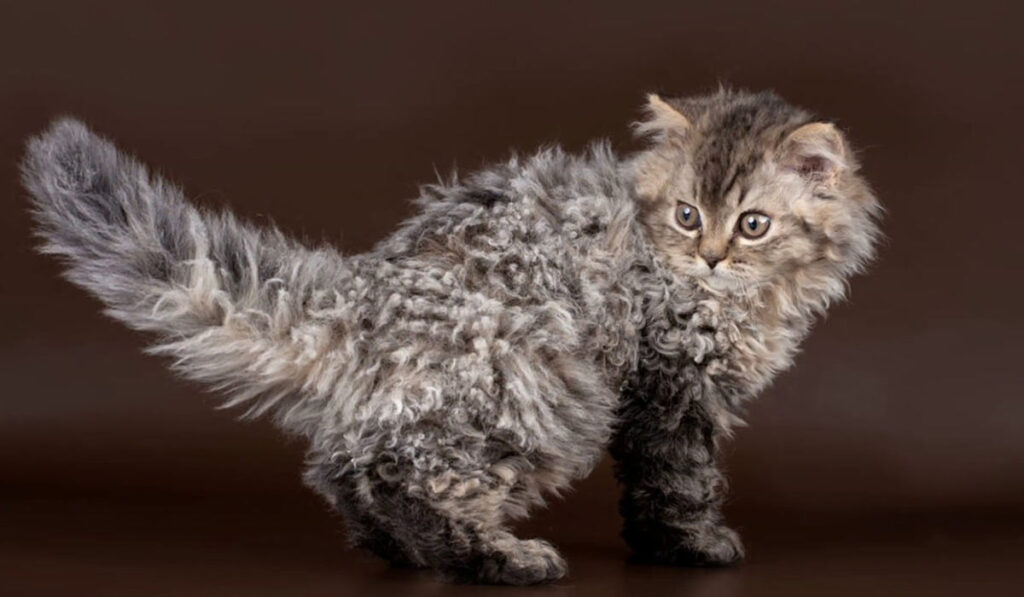
Regular grooming is needed to prevent matting in the curly coat. During kitten development, vitamin supplementation helps the coat form properly.

Video: Selkirk Rex
Siamese cat
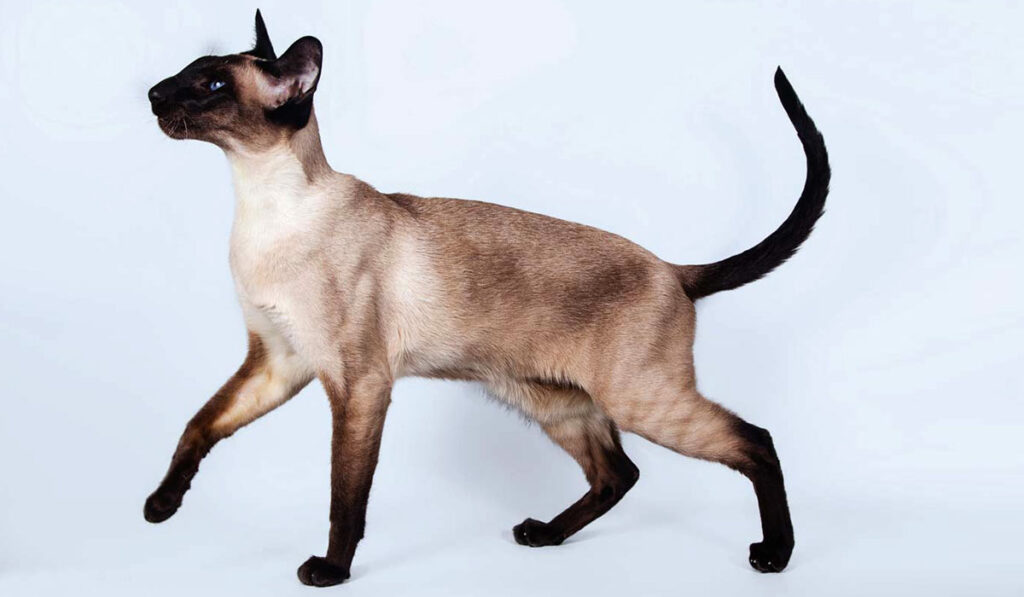
The Siamese is one of the world’s oldest recognized cat breeds, documented in the Tamra Maew — Thai “Cat Book Poems” — from the 14th century. In Thailand, these cats were so prized that only royalty and high officials could own them. Today’s Siamese has a more extreme body type than its ancestors, but the legendary personality remains unchanged.
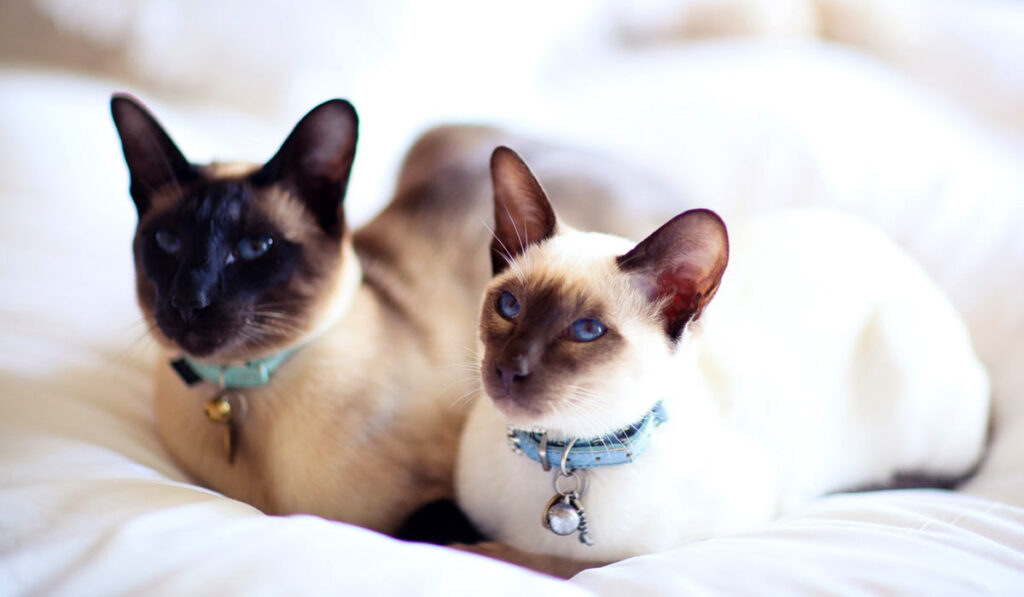
The classic colorpoint pattern — darker face mask, ears, paws, and tail against a cream or fawn body — is temperature-dependent. The darker pigment develops on cooler body parts; kittens are born entirely white.
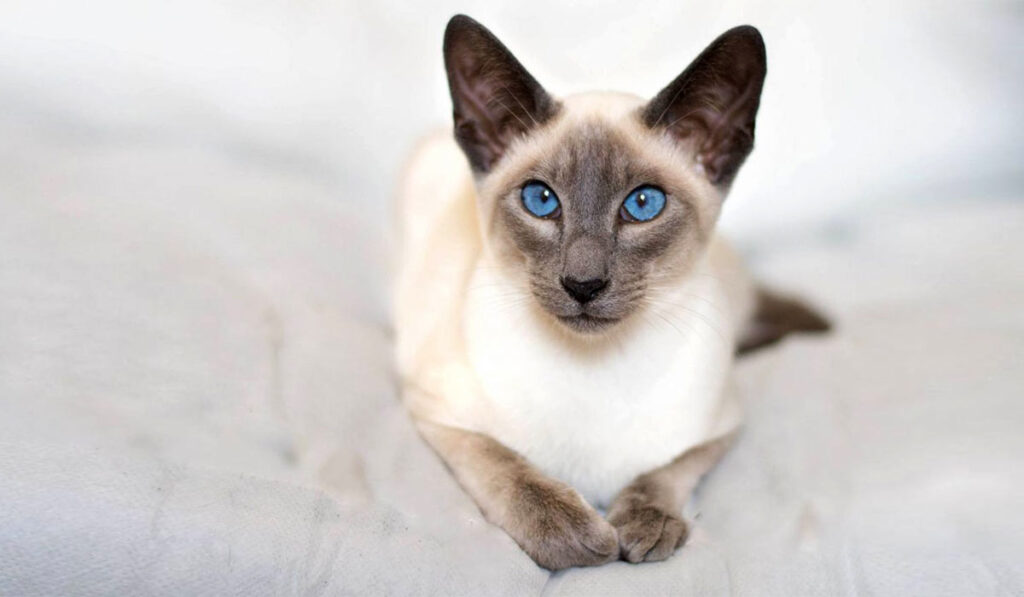
Siamese are called “cat-dogs” for good reason: they bond intensely with one person and follow that person everywhere. They’re also capable of jealousy — a Siamese that feels neglected will make the other pets’ lives uncomfortable.
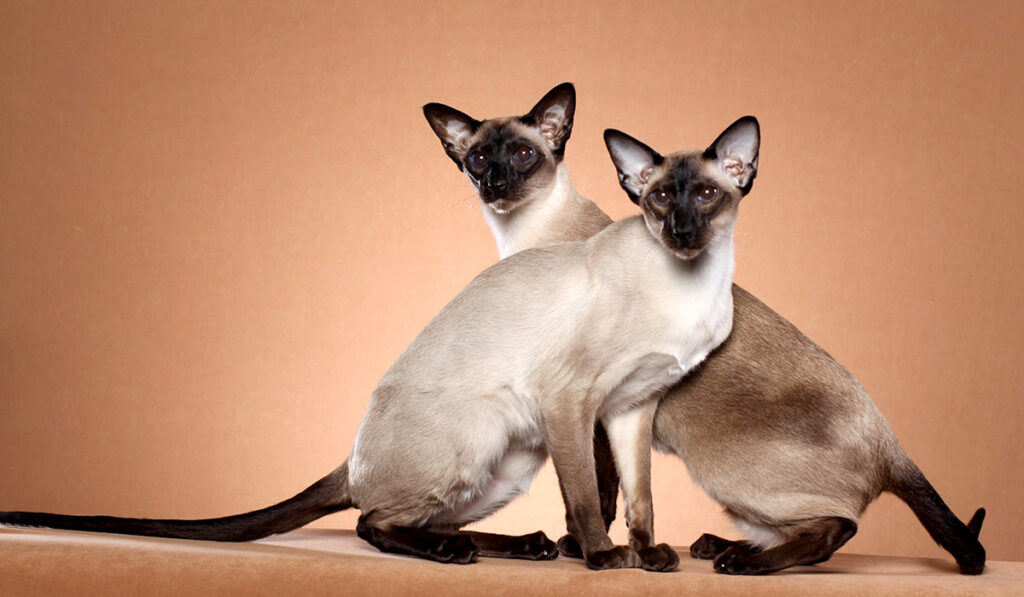
The reputation for aggression is misunderstood. Siamese aren’t naturally aggressive — they’re demanding. When their emotional needs aren’t met, they express frustration loudly and persistently. Meet those needs and they’re completely manageable.
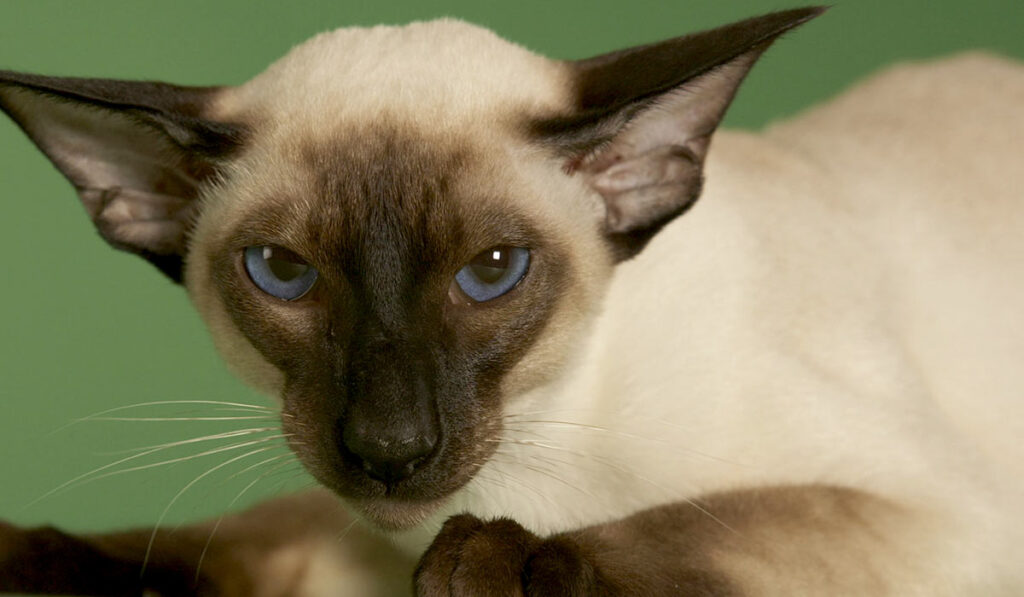
Very young children and Siamese cats are a difficult combination — not because the cat is dangerous, but because children under 5 haven’t developed the impulse control to respect a sensitive animal’s boundaries.
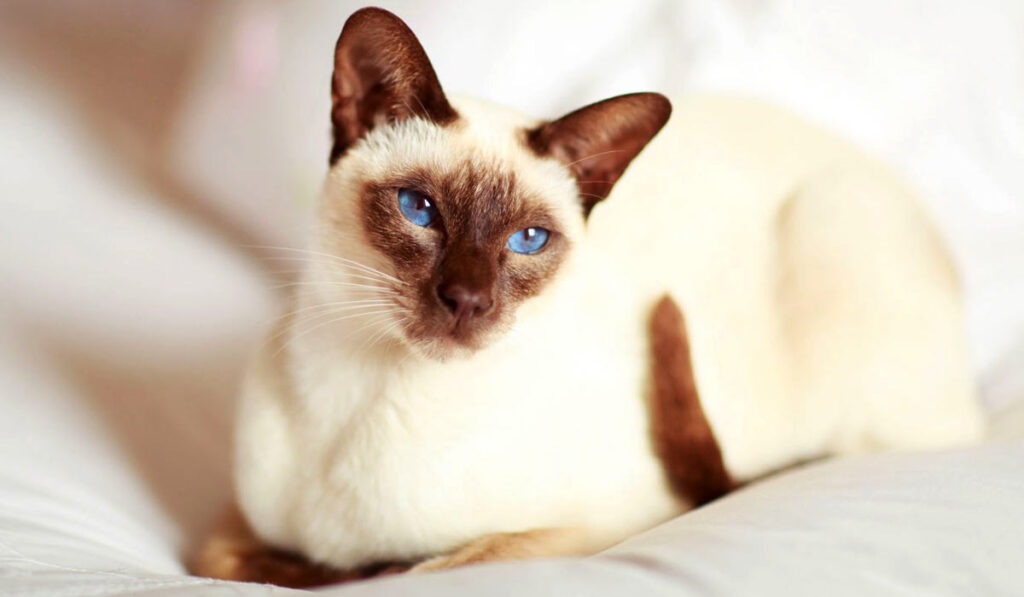
They need conversation. Respond to their vocalizations — not necessarily with words, but with acknowledgment. An ignored Siamese is an unhappy Siamese.
Video: Siamese cat
Siberian cat
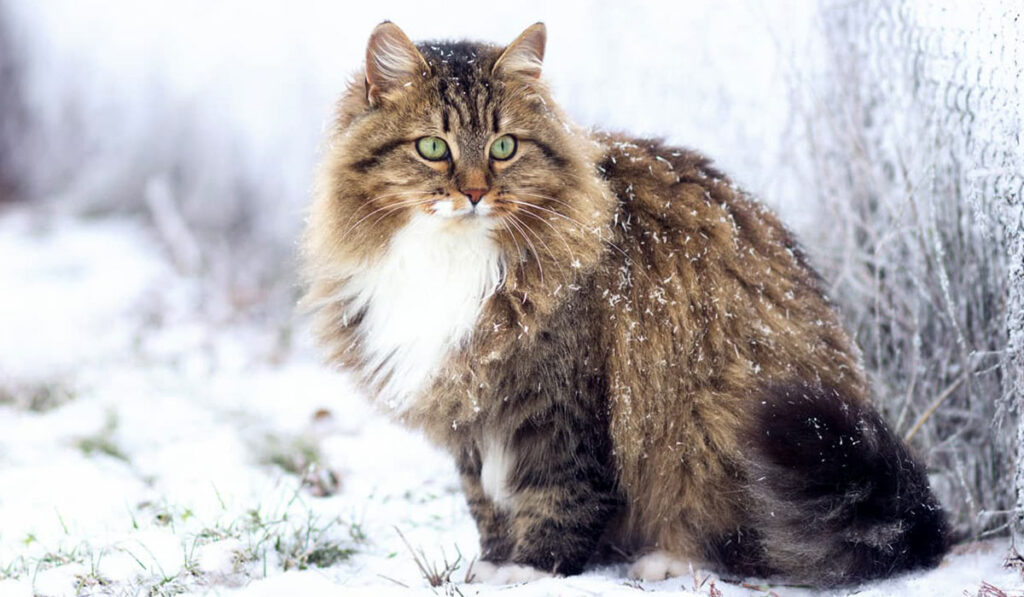
The Siberian is Russia’s national cat breed, developed over centuries in the Siberian climate. Formal breed development began in 1980, drawing from cats across different regions of Russia. The result is a large, powerful cat with a triple-layered water-resistant coat that practically repels moisture. The color-point variety — the Neva Masquerade — is recognized as a separate breed by some organizations.
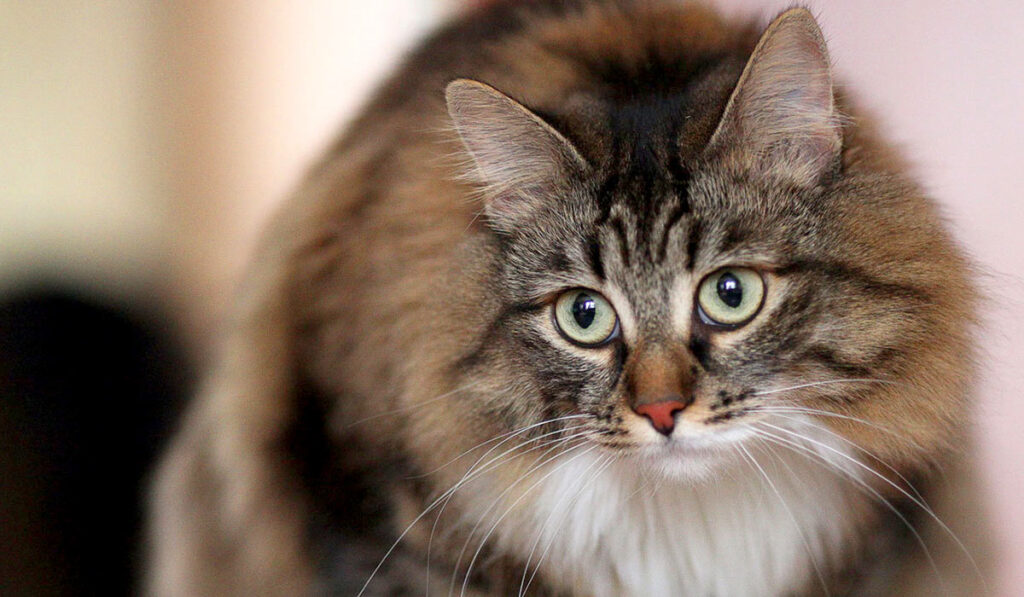
One important note for allergy sufferers: Siberian cats produce lower levels of the Fel d 1 protein (the primary cat allergen) than most breeds. Not allergen-free, but notably more tolerable for many sensitive individuals.
The winter coat is spectacular — a full collar ruff, flowing belly fur, fluffy “pants” on the hind legs, and a massive tail. In summer, it thins out significantly.
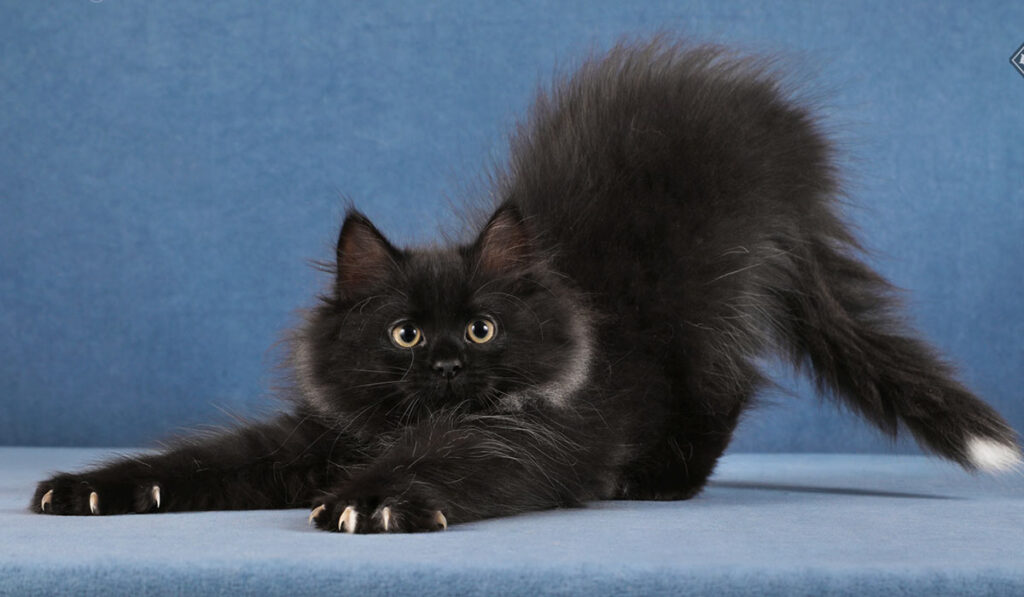
Siberians are independent but not aloof. They play on their terms, engage when they choose, and maintain a quiet dignity that makes them feel more like a respected roommate than a pet.
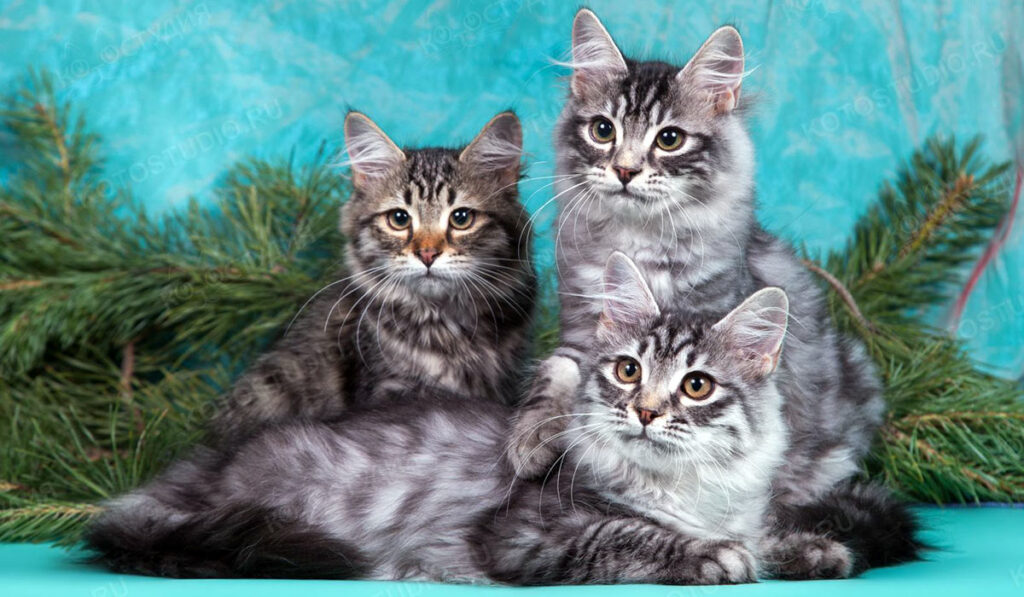
Best for households with children 6 and older. Not aggressive — just not particularly tolerant of unpredictable small people.
Video: Siberian cat
Singapura cat
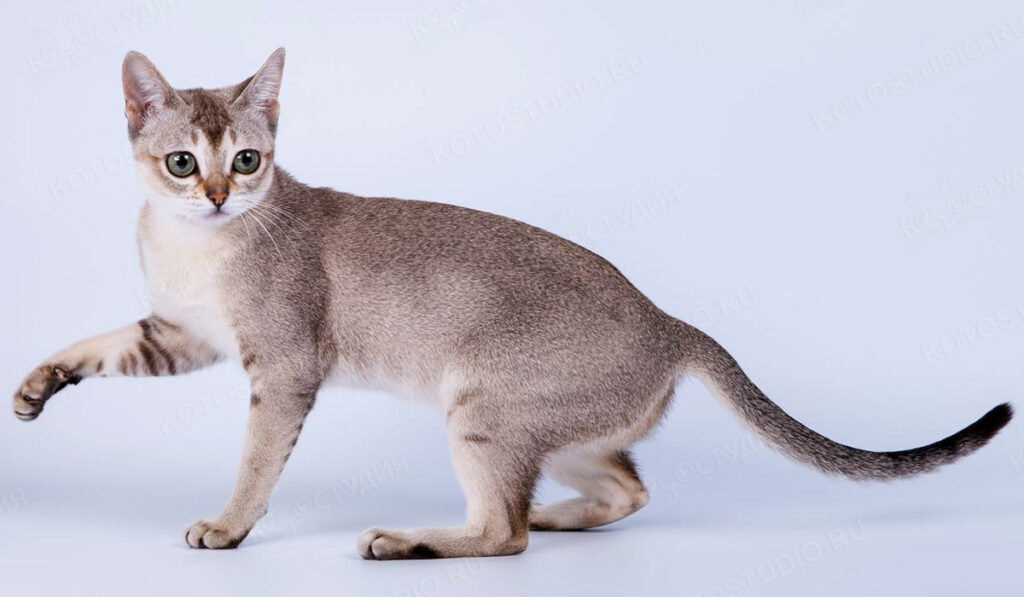
The Singapura is the world’s smallest domestic cat breed. Females average 2 kg; males reach 3 kg at most. Originally found in the streets of Singapore, the breed was developed primarily in the United States. Its defining features: enormous eyes relative to face size (giving it a permanent look of astonishment), ticked sepia coat, and no undercoat.
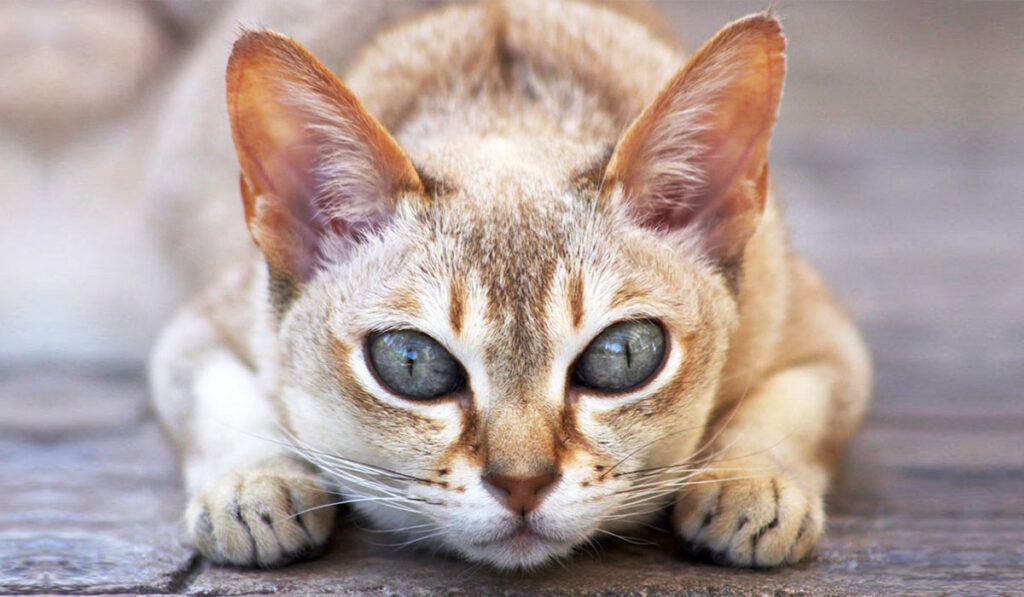
Despite its size, the Singapura is not fragile. It’s curious, bold, and physically active. It monitors everything happening in the household and needs to be involved in all of it.
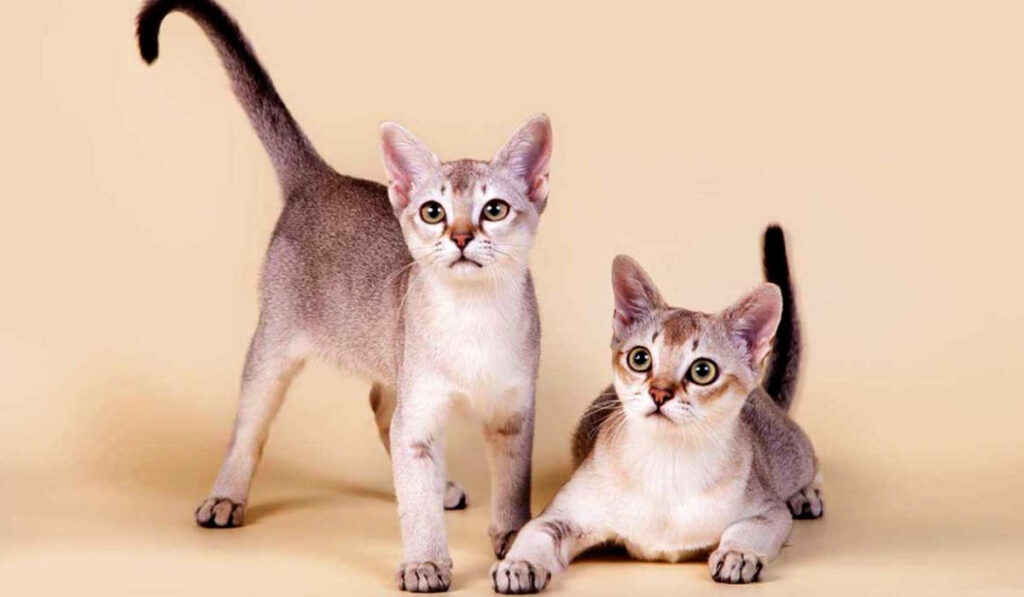

Best suited to homes with company. A Singapura alone all day is not a happy Singapura. The lack of undercoat means they chill easily — keep them away from drafts.
Video: Singapura cat
Snowshoe
The Snowshoe appeared in the 1960s when a Siamese breeder in Philadelphia noticed kittens born with white paws. She developed the trait deliberately through crossing with American Shorthairs, producing a cat with the Siamese’s colorpoint pattern and expressive blue eyes, plus white “snowshoe” markings on all four feet. Getting the markings right is genetically unpredictable — even two perfect Snowshoes don’t guarantee perfect offspring.
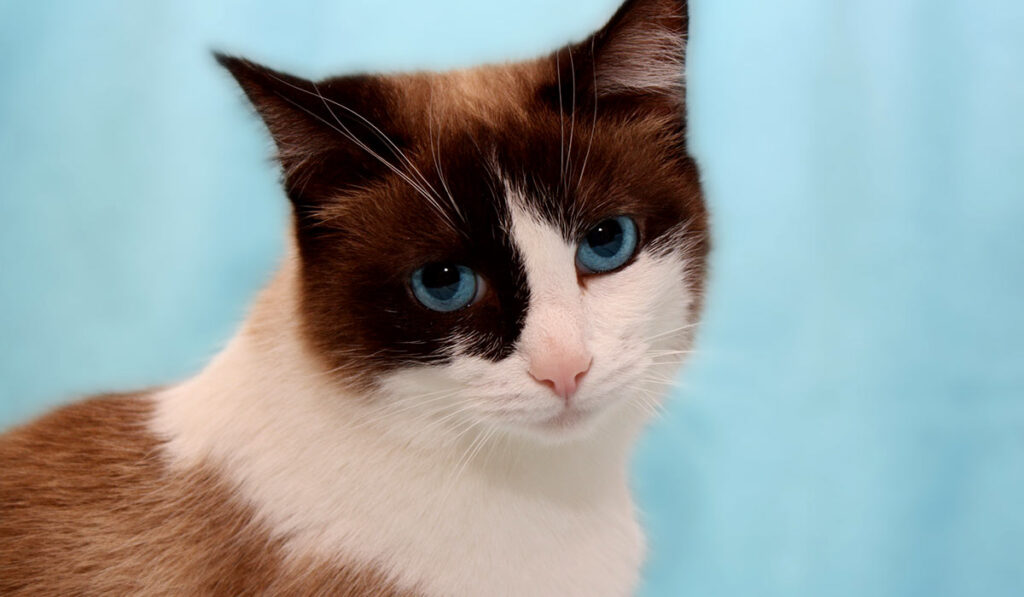
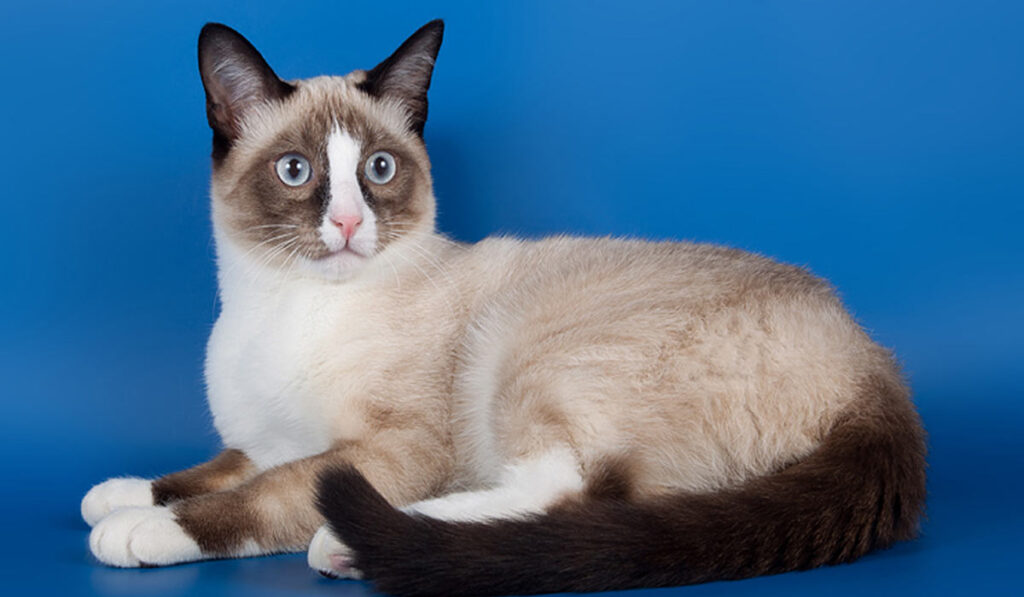
Snowshoes are ideal family cats. Kind, sociable, patient with children, and trainable — they can learn to fetch a toy in the same session you try to teach them. They’re vocal but not as loud as Siamese.
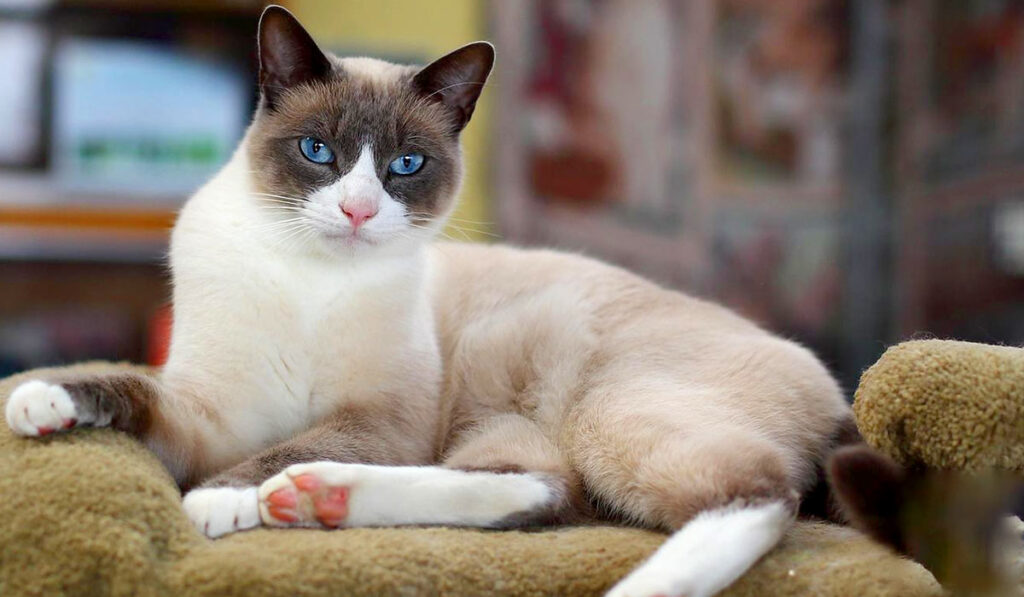
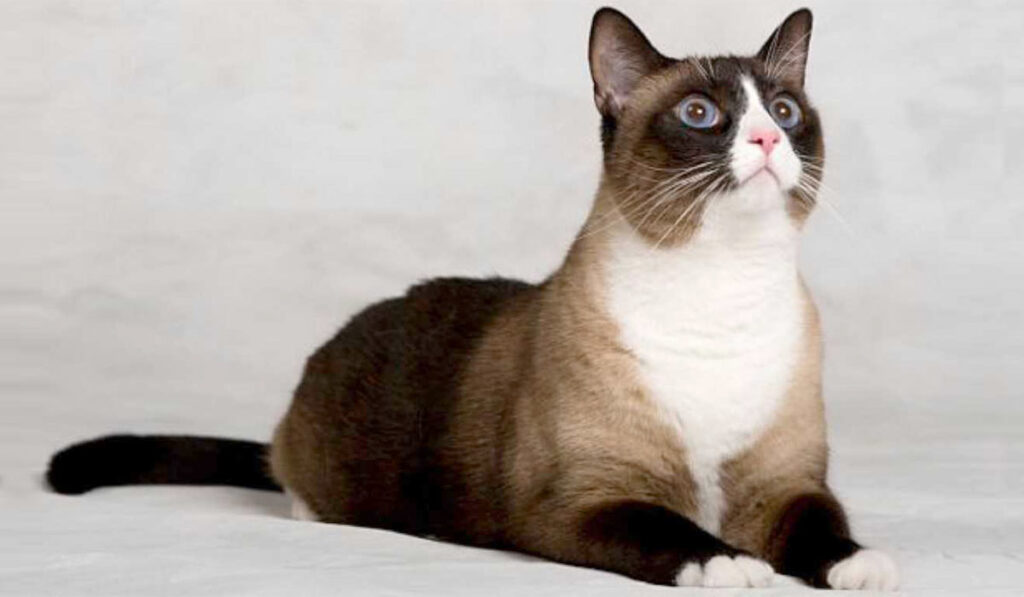
Interactive toys work well for Snowshoes when you’re busy — they’re smart enough to stay engaged, but they’ll always prefer your actual company.
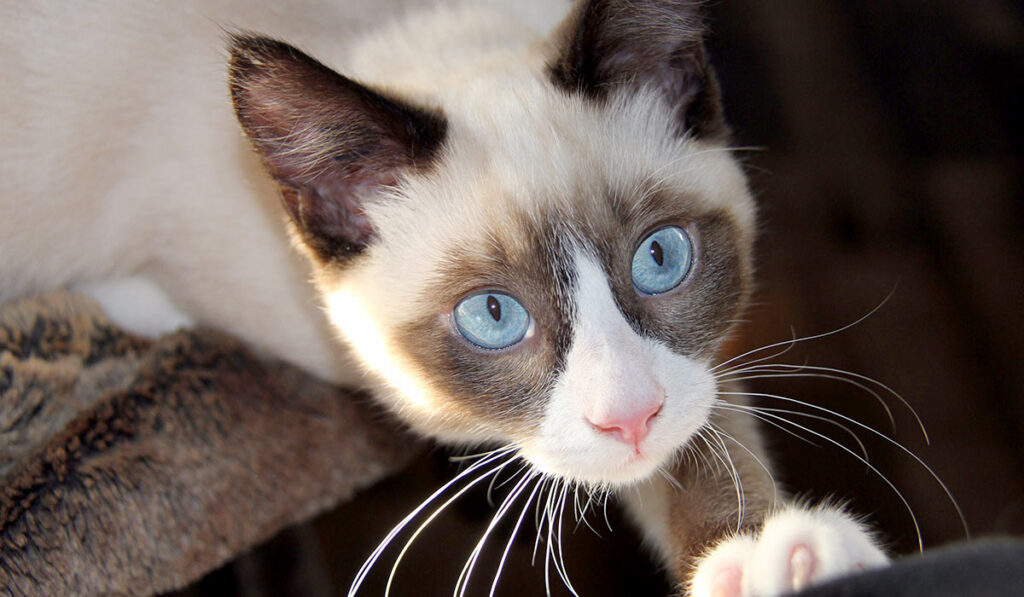
Video: Snowshoe
Somali cat
The Somali is a long-haired Abyssinian — same ticked tabby coat, same athletic build, but with a flowing medium-long coat and a spectacular full brush tail that earns it the nickname “fox cat.” Long-haired kittens had appeared in Abyssinian litters for decades before anyone paid attention to them. Recognition came in the 1970s, when breeders in North America began developing the long-haired variant intentionally.
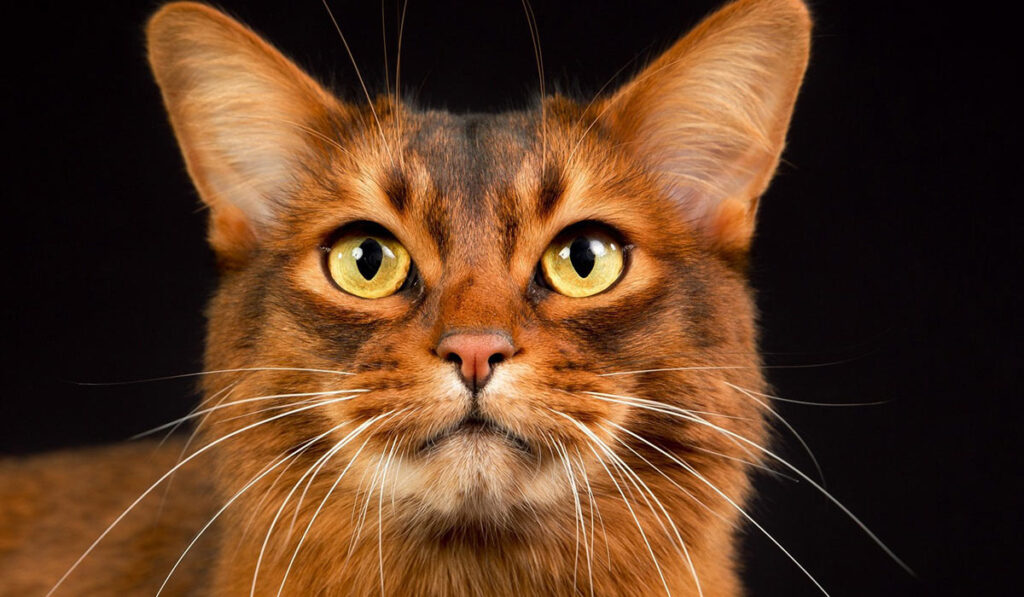
Like the Abyssinian, the Somali is playful, social, and energetic. It inherited all the Abyssinian’s good qualities — including the need for constant activity and company.
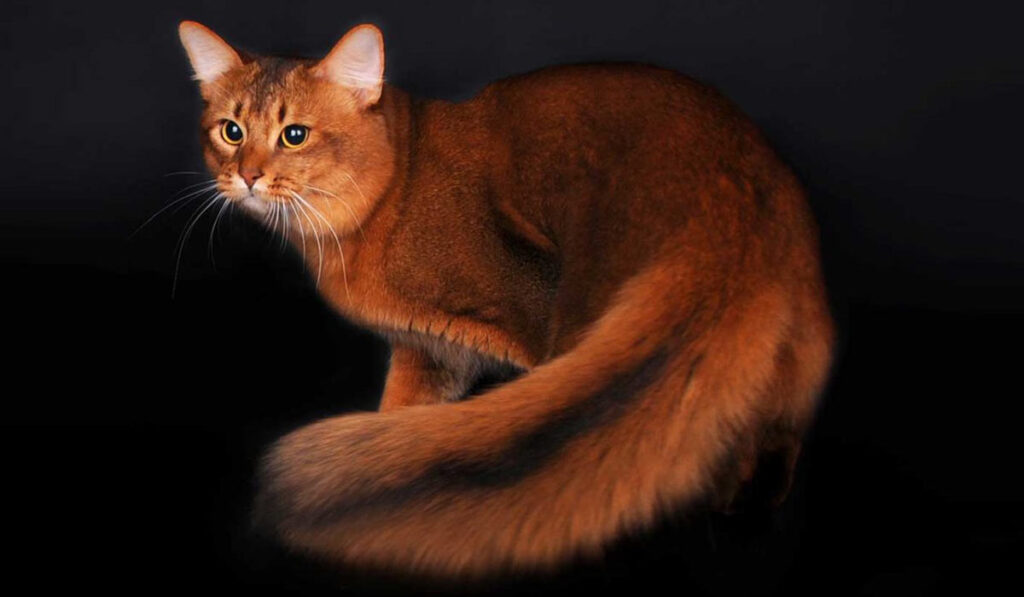
Somalis turn everything into a toy. A pen, a wrapper, a rubber band — anything left unattended becomes a chase object. Valuable or breakable items left within reach will be knocked to the floor for your inconvenience.
Video: Somali cat
https://www.youtube.com/watch?v=-lgJr9Kpg-E
Canadian Sphynx
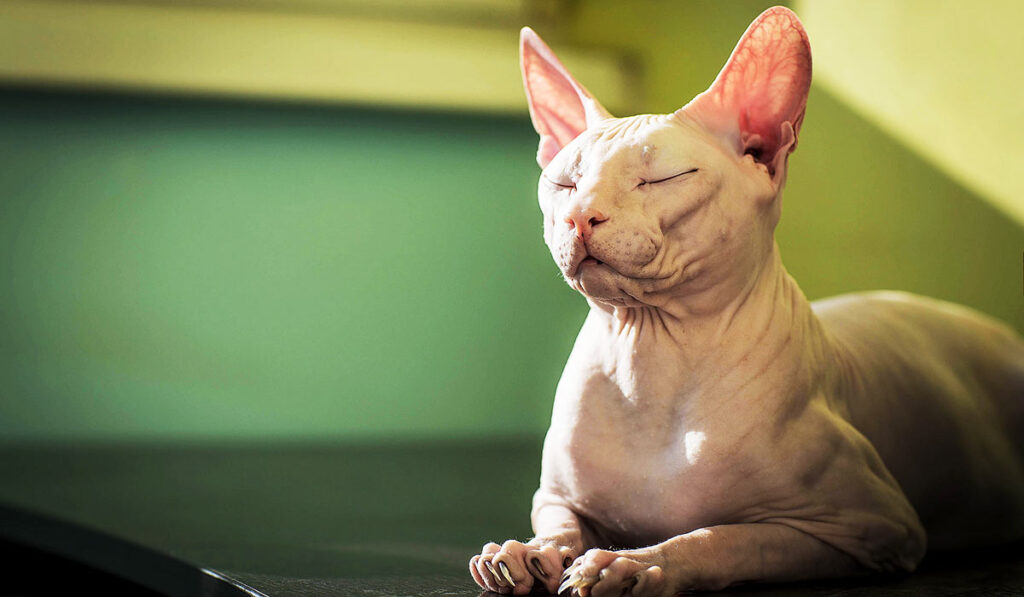
The Canadian Sphynx originated from a natural mutation in Toronto in 1966, when a domestic cat gave birth to a hairless kitten named Prune. The breed was developed from subsequent natural mutations in Toronto and Minnesota. Contrary to appearance, Sphynxes aren’t truly hairless — they’re covered in a fine peach-fuzz down that’s visible in close light. They run warmer than other cats, which makes them exceptional lap companions.

The personality couldn’t contrast more with the alien appearance. Sphynxes are among the most affectionate, people-oriented cats in existence. They follow their owners everywhere and treat every family member as equally worthy of attention.
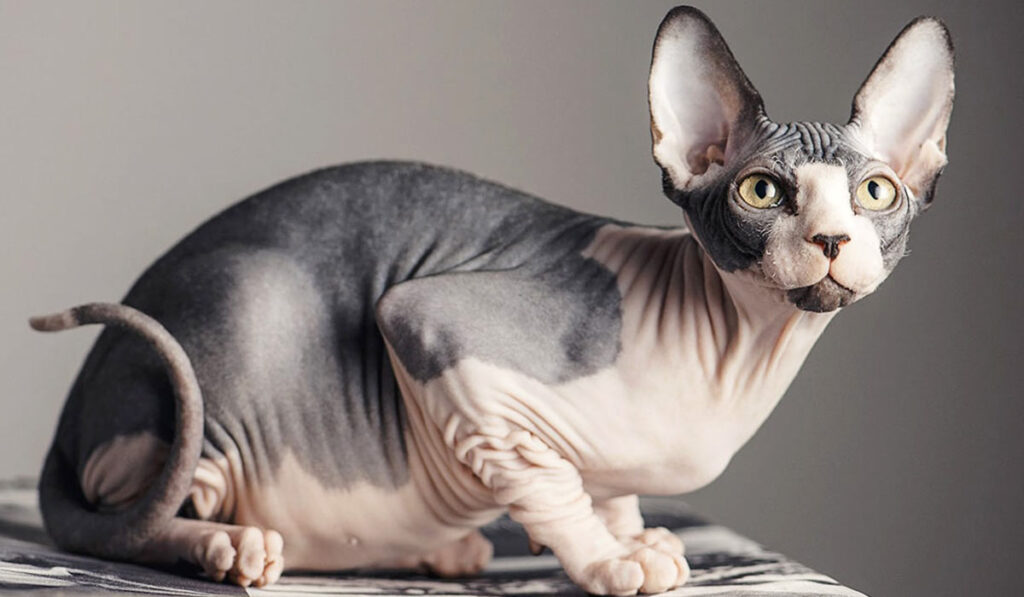

Without fur to absorb body oils, the skin requires wiping down weekly. Eyes and ears need regular cleaning. Keep them away from cold drafts and out of direct sun — their skin has no UV protection.
Video: Canadian Sphynx
Thai cat
The Thai cat is the original Siamese — preserved in its ancient apple-headed form rather than the extreme wedge-headed shape of the modern show Siamese. It appears in the Tamra Maew manuscripts from 14th-century Thailand and arrived in Europe in the 19th century as diplomatic gifts from the Siamese royal court. Some felinological organizations still classify Thai and Siamese as the same breed.
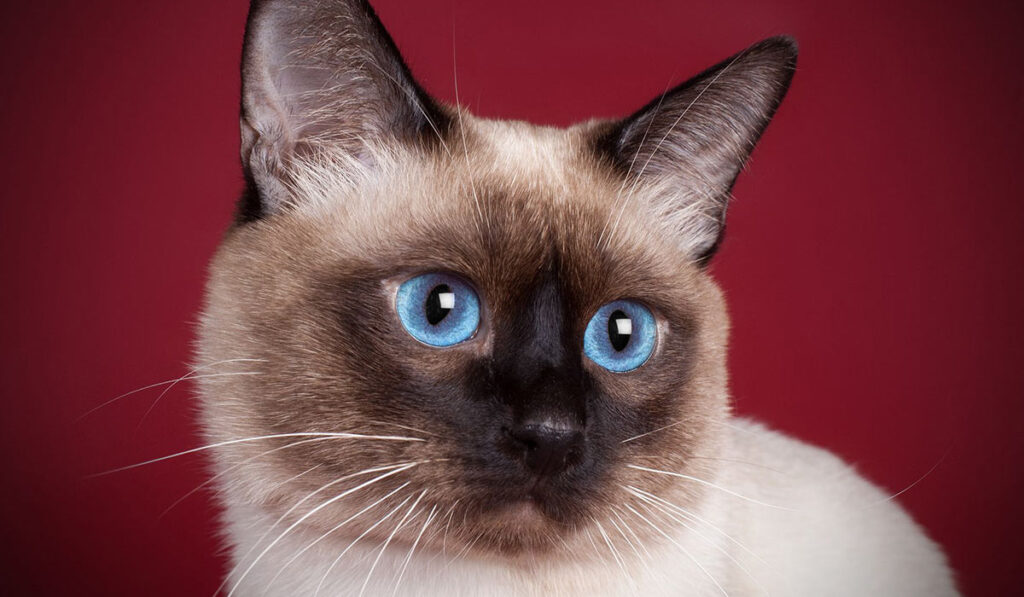
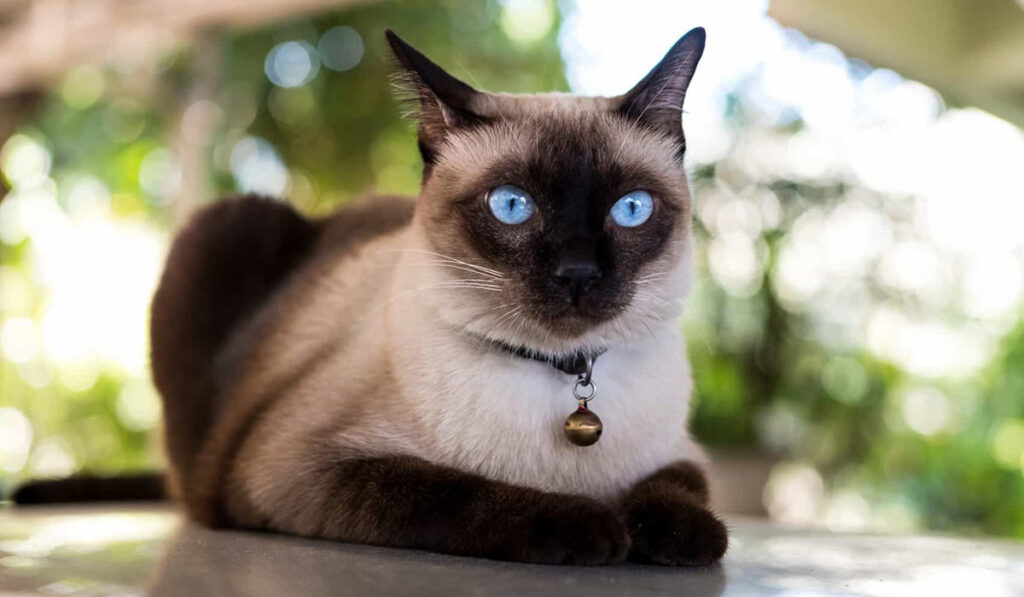
The Thai is an intellectual. It identifies the “main person” in the household with impressive accuracy and centers its devotion there — though it doesn’t exclude other family members from its affection.
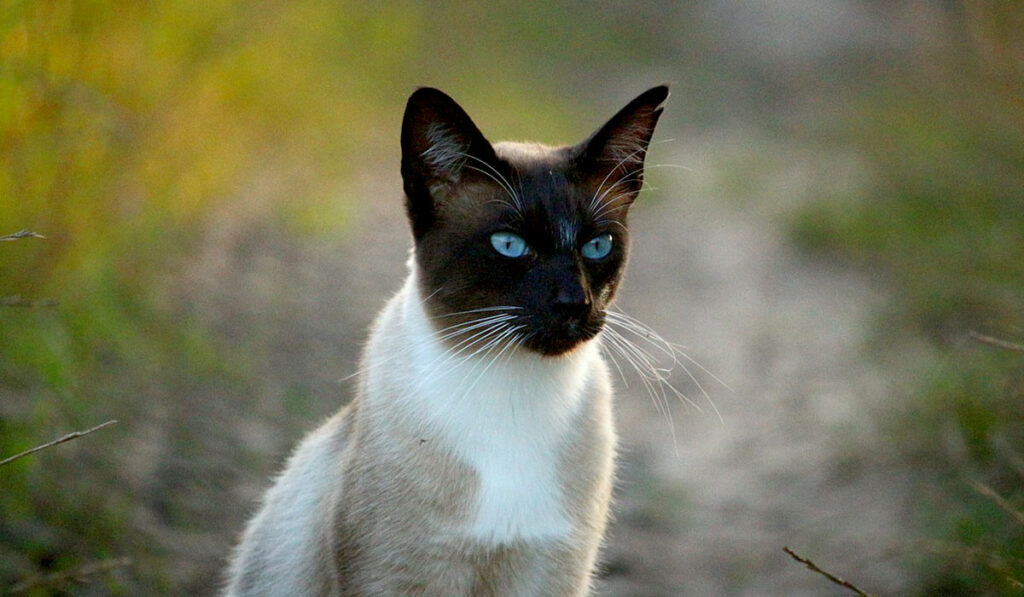
It talks. Constantly. Every move you make receives commentary, and the Thai’s vocabulary of sounds is surprisingly varied — attentive owners quickly learn what each means.
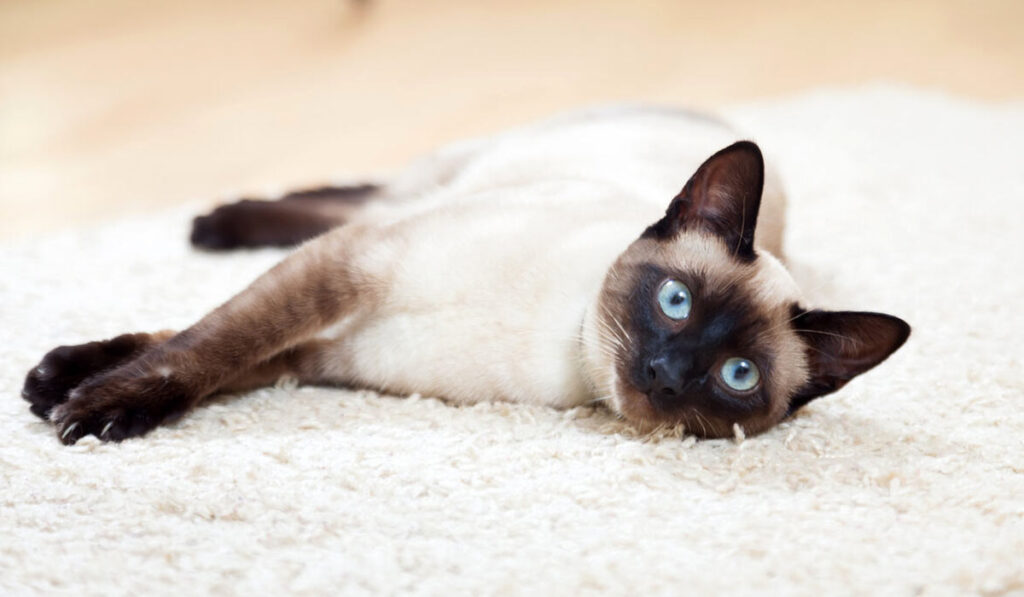
Unlike many breeds, the Thai doesn’t attach to a place — it attaches to a person. You can move house every year and your Thai will adjust without drama, as long as you’re there.
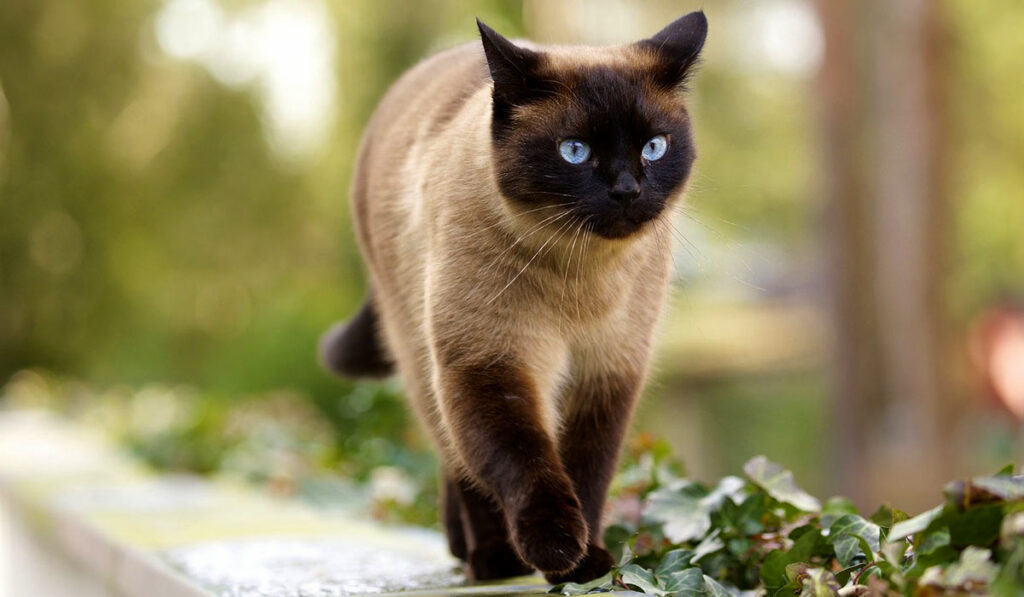
Video: Thai cat
Toyger
The Toyger (toy + tiger) was developed in the 1980s and 90s by breeder Judy Sugden, daughter of the Bengal breed’s creator. Her goal was a domestic cat with genuine tiger stripe patterning — not spots, but bold, branching, vertically-oriented stripes. TICA granted full recognition in 2007. The breeding program used striped domestic shorthairs and selected for deeper, more dramatic markings with each generation.
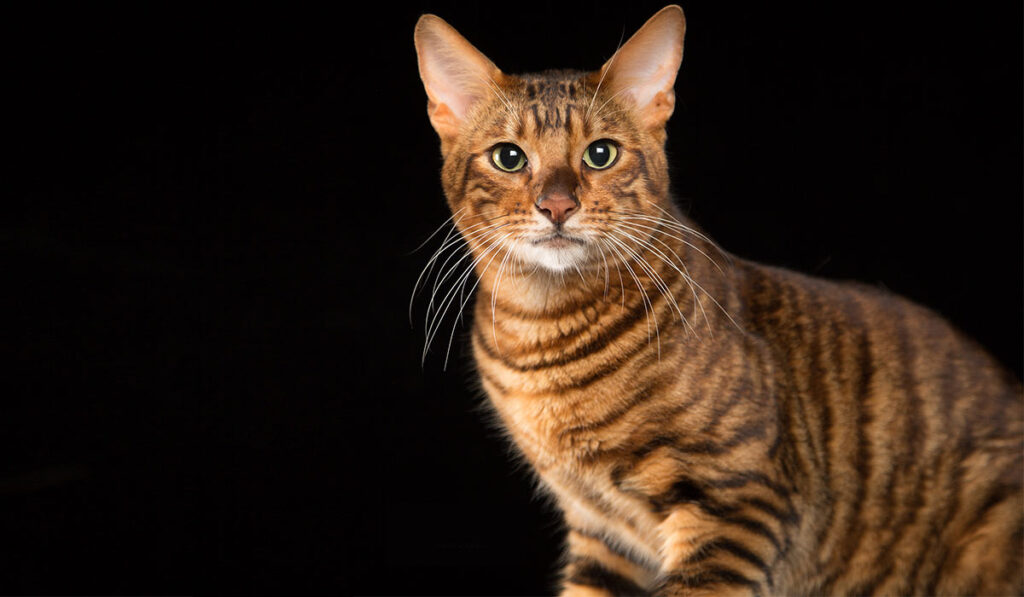
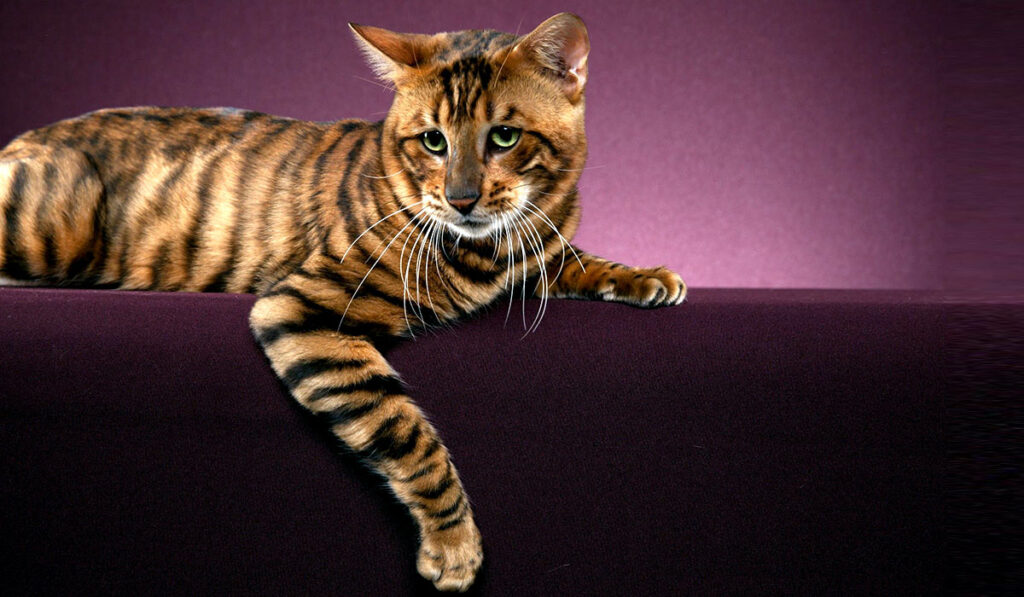
Despite the wild appearance, the Toyger is one of the most relaxed breeds on this list. It’s affectionate, adaptable, and not resentful — if you correct it, it moves on immediately with no grudge held.
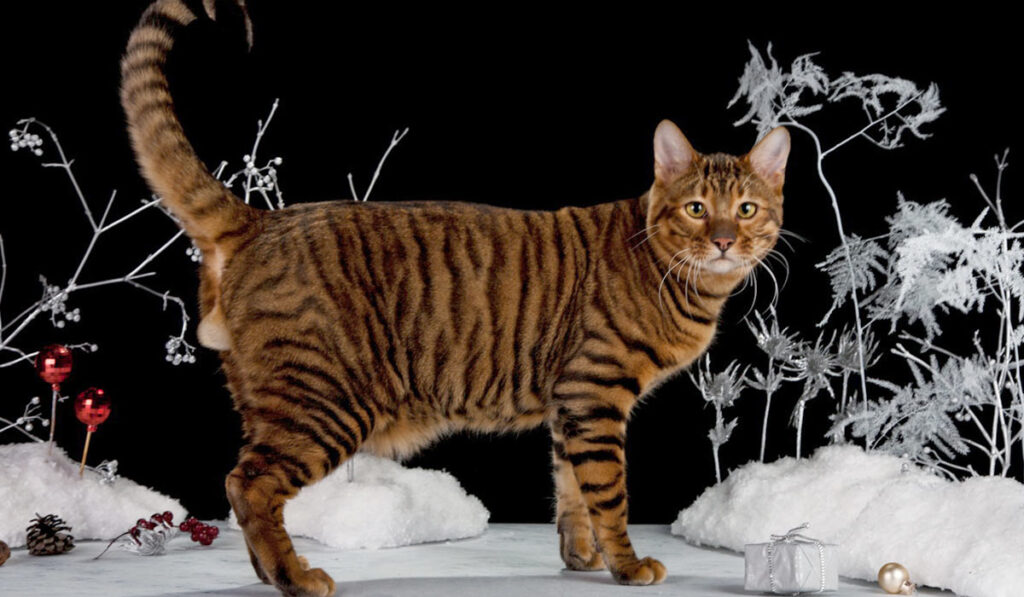
One caveat: Toygers have no concept of vertical danger. A high-speed hunt for a moth near an open window can end badly. Keep windows secured.
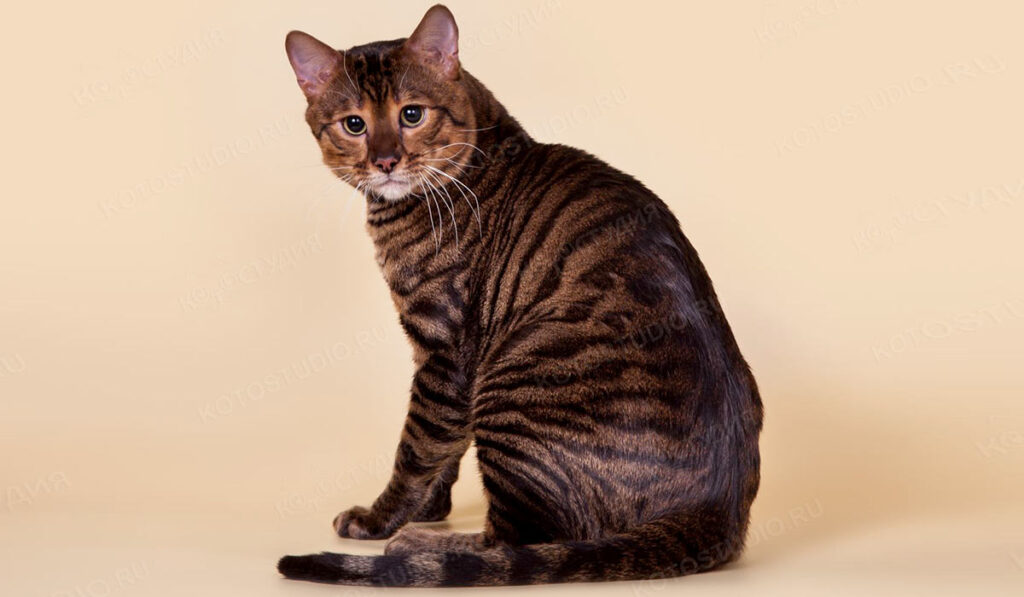
Toygers are highly social — they welcome guests as enthusiastically as family. They dislike solitude.
Video: Toyger
Scottish Fold and Scottish Straight
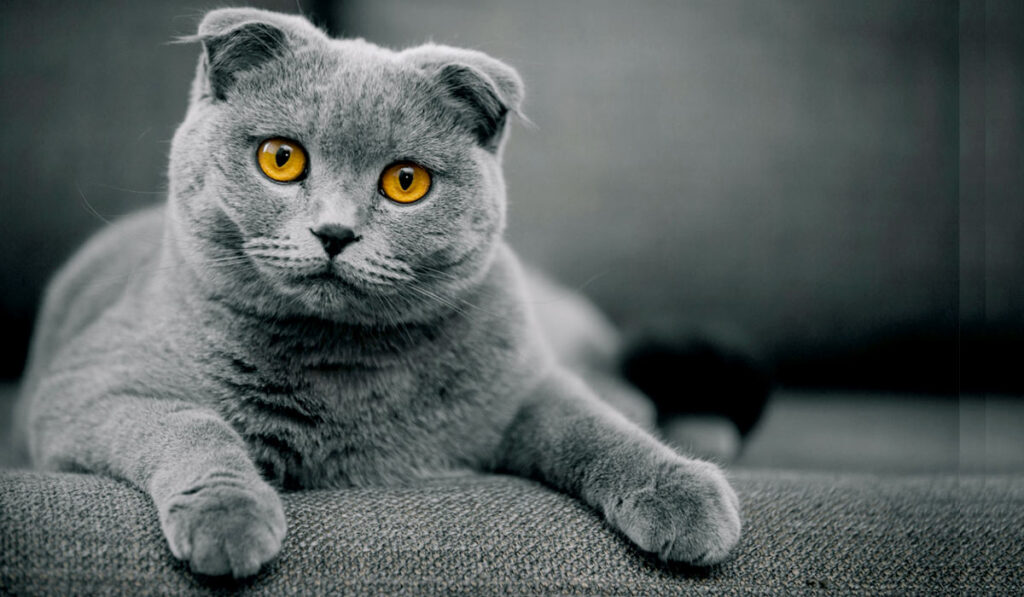
Both varieties trace back to a single cat: Susie, a barn cat found on a farm in Perthshire, Scotland in 1961 with unusual folded ears. The fold is caused by a dominant gene that affects cartilage formation. Because breeding two Folds together causes skeletal problems, Folds are always bred with Straights — which is why both ear types exist within the same breed.
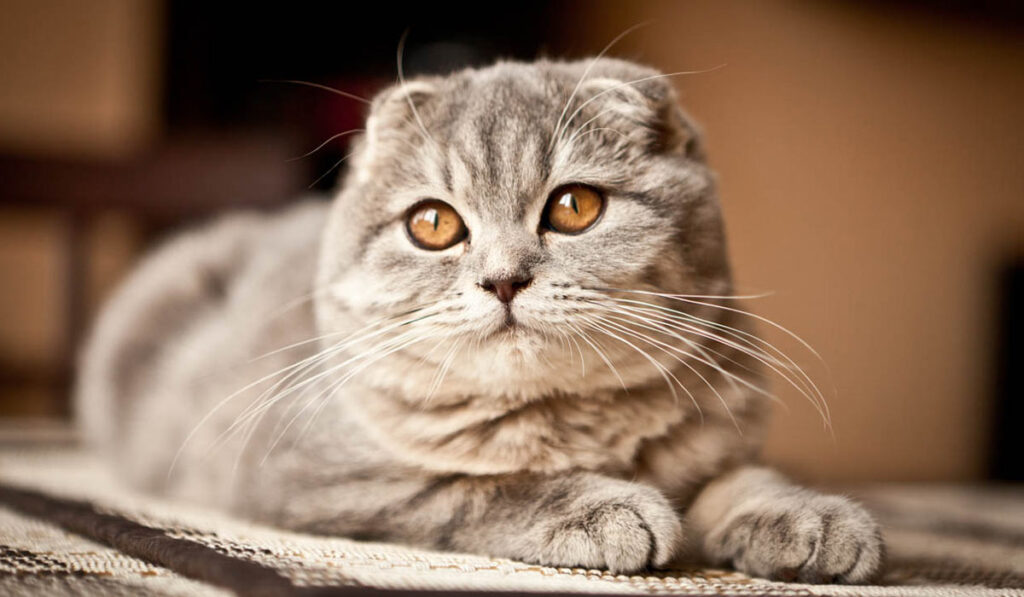
The personality is identical between Fold and Straight: calm, dignified, moderately playful, and adaptable to almost any household environment.
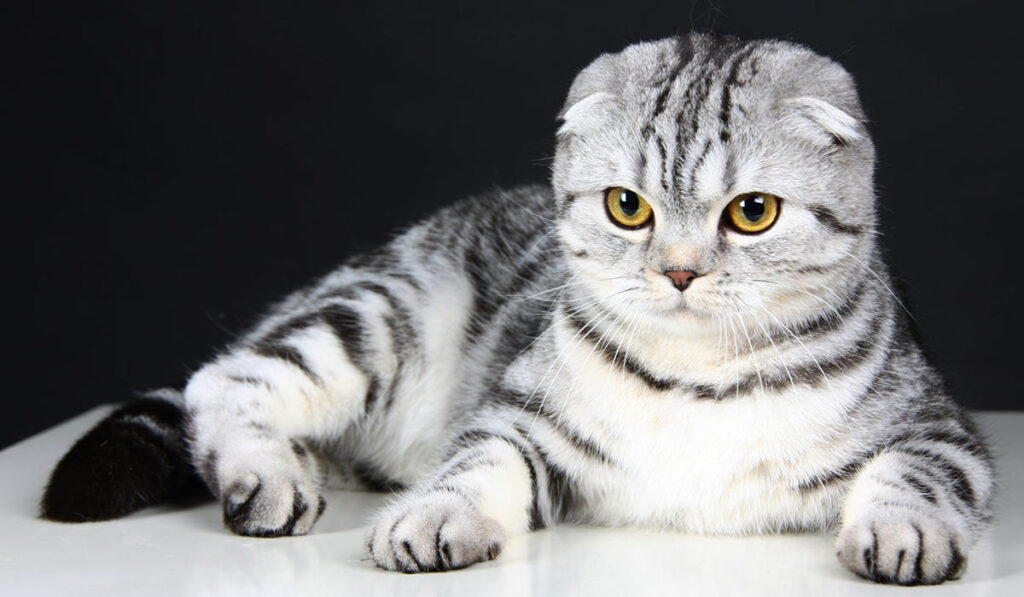
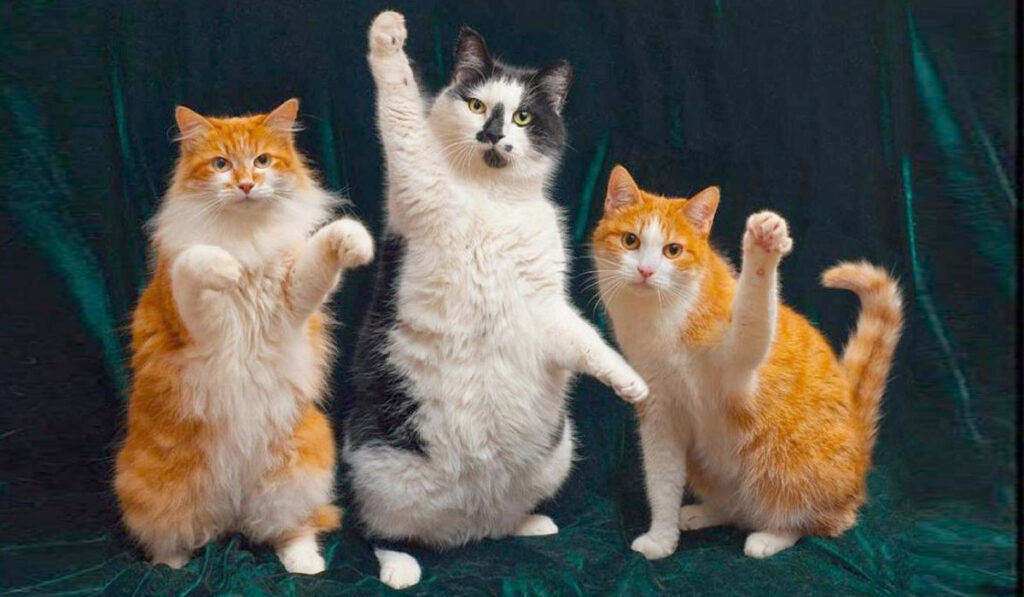
Scottish cats have two characteristic postures worth knowing about: they sit upright on their haunches like meerkats, and they lie flat on their back with legs stretched forward. Both are normal behaviors related to skeletal comfort, not signs of a problem.
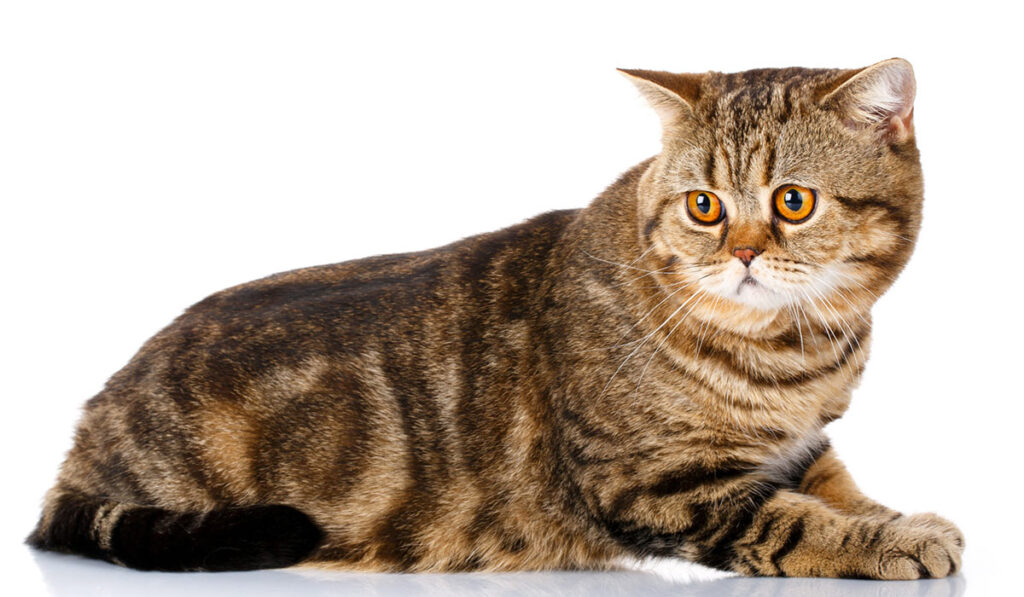
These cats are aristocratic in the best sense: they don’t start conflict, they don’t seek drama, and they don’t demand to be held. Respect their personal space and they’ll be excellent, easy-going companions.
Video: Scottish cat
https://www.youtube.com/watch?v=NVYuNryHbR0
Frequently Asked Questions
What is the most beautiful cat breed in the world?
There’s no single answer — beauty varies by what you value. The Bengal’s leopard spots and coat glitter are visually dramatic; the Turkish Angora’s flowing white coat is classically elegant; the Maine Coon’s wild mane and size are simply impressive. All 30 breeds on this list have strong claims.
Which cat breed has the most striking eyes?
Several breeds are known for exceptional eyes: the Russian Blue has vivid emerald green eyes; the Ragdoll has deep sapphire blue; the Bombay has striking copper or gold; and the Snowshoe has bright blue against a colorpoint coat. Odd-eyed Turkish Angoras (one blue, one amber) are considered especially rare.
What is the rarest beautiful cat breed?
The Burmilla, Caracat, and Cymric are among the rarest on this list. The Singapura was historically rare in Europe, though it’s becoming more available. Toyger breeding stock is still limited due to the recent formal recognition.
Which beautiful cat breeds are best for families with children?
Ragdolls, Snowshoes, Munchkins, and Maine Coons are consistently recommended for families with children. They’re tolerant, gentle, and not easily provoked. Siamese, Orientals, and Savannah cats are better suited to older children or adults.
Do the most beautiful cat breeds require more grooming?
Not always. The Norwegian Forest Cat, Siberian, and Persian need regular brushing (daily for Persians). The British Shorthair, Bengal, and Bombay are low-maintenance despite being visually striking. The Sphynx requires weekly skin care instead of brushing.