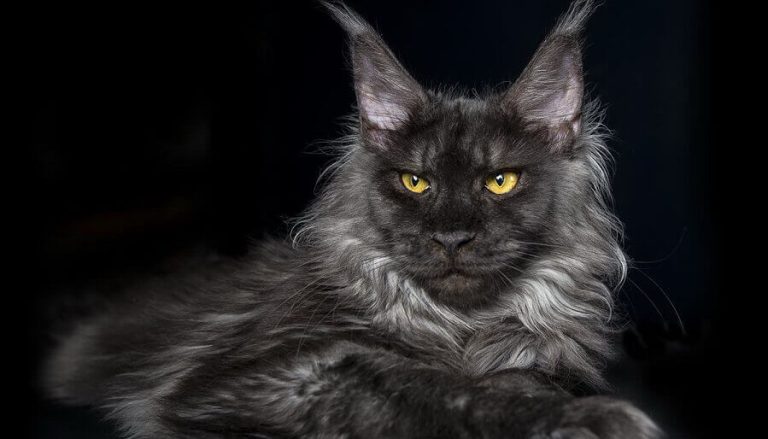
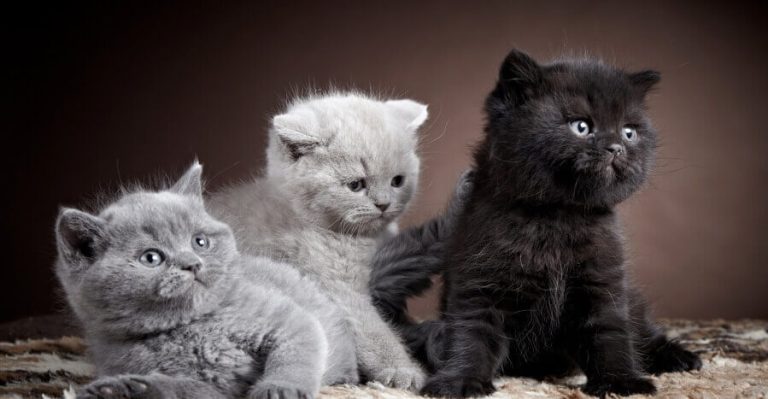
Cat breeds are classified into five distinct body types based on skeletal structure, proportions, and physical traits. These categories — Oriental, Foreign, Semi-Foreign, Semi-Cobby, and Cobby — help breeders and owners understand how a cat’s build relates to its ancestry, temperament, and health needs.
The history of cat domestication stretches back at least 9,500 years — confirmed by archaeological finds in Cyprus. For most of that time, cats bred naturally by geography and environment. Formal breed classification only began in the 19th century, and with it came the standardized body type system we use today.
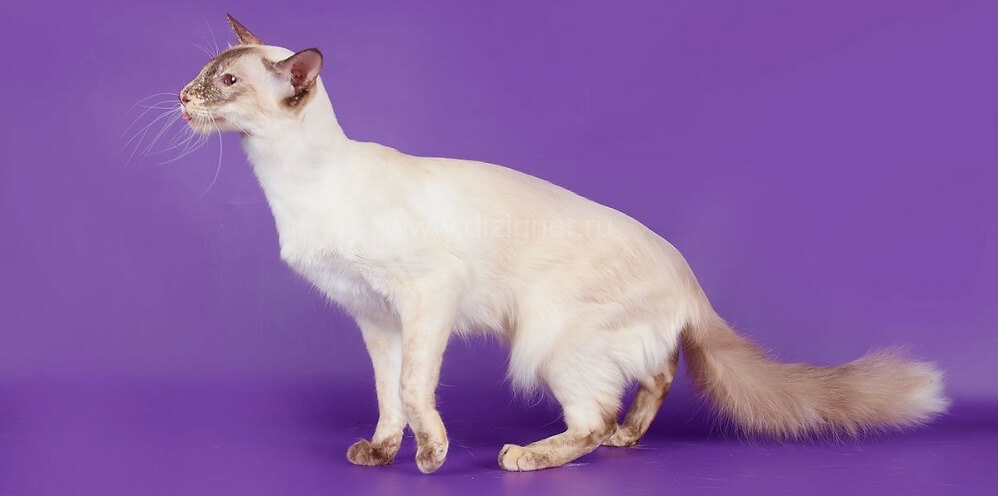
Some breeds are regional variations of others: the Balinese, for example, is essentially a long-haired Siamese — same Oriental body type, different coat gene.
The 5 Cat Body Types Explained
Understanding your cat’s body type is more than taxonomy. It predicts what health issues to watch for, how the breed handles temperature changes, and what physical changes are normal as your cat ages.
1. Oriental (Eastern) Type
The most slender of the five categories. Oriental-type cats have a long, tubular body with fine bone structure, a triangular wedge-shaped head, large flared ears set wide apart, almond-shaped eyes, and a long whippy tail.
Breeds: Siamese, Balinese, Oriental Shorthair, Colorpoint Shorthair
The Siamese is the archetype of this group — vocal, affectionate, and unmistakably elegant. Their lean build comes with a high metabolism; they tend to stay slim throughout life. Siamese lines carry a genetic predisposition to hypertrophic cardiomyopathy (HCM), so cardiac screening matters for breeders.
2. Foreign Type
Slightly less extreme than Oriental, but still lean and athletic. Foreign-type cats have a moderate-length body with defined muscle, a long tail and legs (less exaggerated than Oriental), large ears, almond eyes, and a more elongated head with gentle rounding.
Breeds: Turkish Angora, Abyssinian, Russian Blue, Somali
The Abyssinian is a classic Foreign type — wiry, alert, and in constant motion. Russian Blues carry the same lean architecture under a plush double coat that makes them appear heavier than they actually are.

3. Semi-Foreign Type
The middle ground. Semi-Foreign cats are neither lean nor stocky — a versatile, medium-build category with balanced proportions throughout.
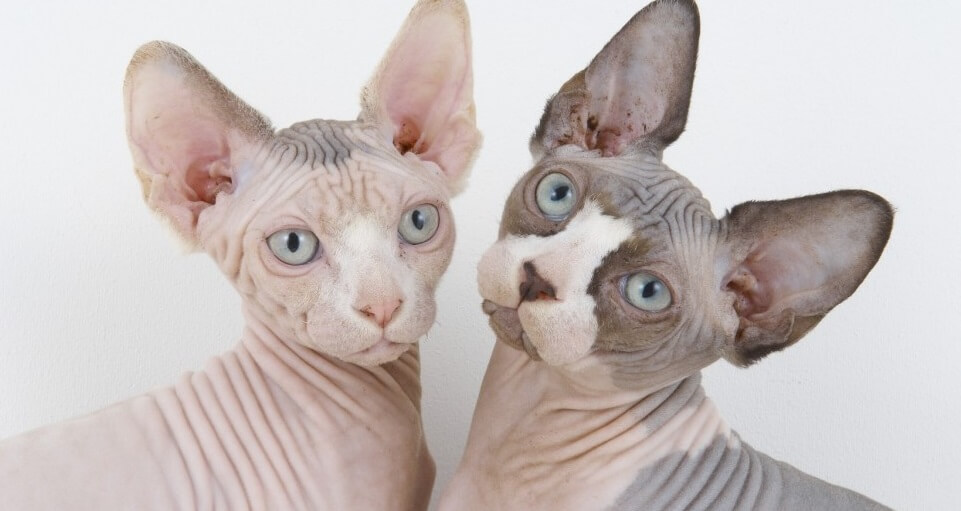
Breeds: Devon Rex, Egyptian Mau, Sphynx, Munchkin, Havana Brown
The Sphynx looks dramatic — hairless, wrinkled, enormous ears — but its Semi-Foreign body type is well-balanced and moderate. Sphynx cats lose body heat faster without fur, requiring warmer living environments and slightly higher caloric intake than coated breeds.
4. Semi-Cobby Type
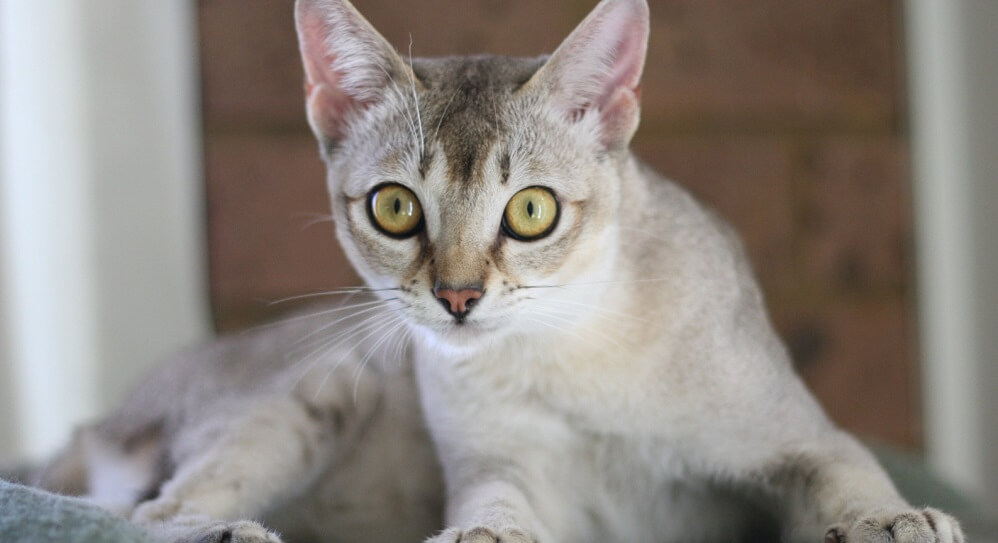
Rounder and more compact than Semi-Foreign, but not extreme. Semi-Cobby cats have a solid, medium-length body, a round and broad head, short nose, and medium-length legs and tail.
Breeds: British Shorthair, Scottish Fold, Singapura, Burmilla
The British Shorthair is the textbook Semi-Cobby cat: dense, round-headed, and famously calm. Scottish Folds share this body structure — the folded ears are a separate genetic trait layered onto the same physical frame. Semi-Cobby cats are prone to weight gain; their solid build can mask extra pounds, making regular weigh-ins worthwhile.
5. Cobby Type
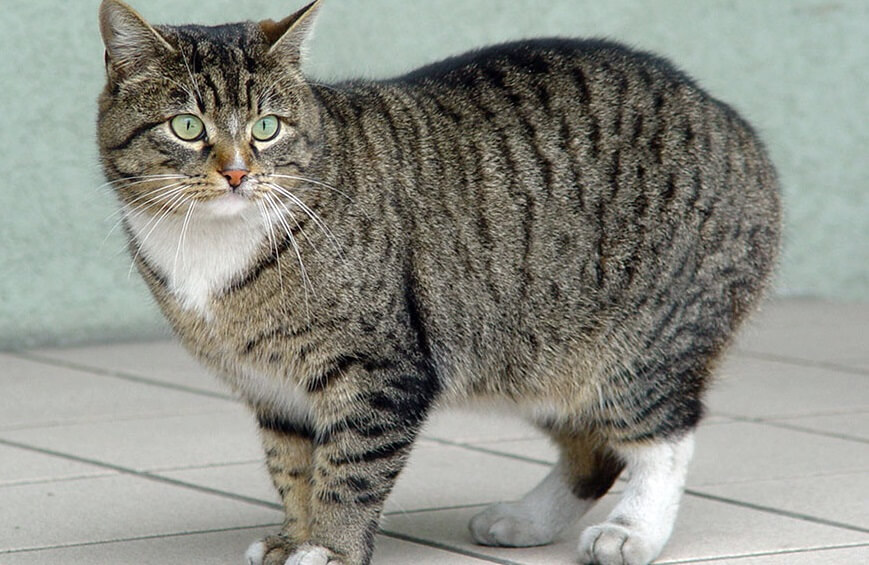
The most compact and muscular of all five categories. Cobby cats are built low to the ground: short broad body, heavy bone structure, large round head, small rounded ears, a flat (brachycephalic) nose, short tail, and thick short legs.
Breeds: Persian, Himalayan, Exotic Shorthair, Manx, Burmese
The Persian is the definitive Cobby cat — stocky, round-faced, and placid in temperament. Brachycephalic breeds (Persians, Exotics, Himalayans) are prone to upper respiratory issues and require regular facial fold cleaning to prevent skin infections.
Cat Body Type Comparison
| Body Type | Build | Head Shape | Key Breeds |
|---|---|---|---|
| Oriental | Very slender, fine-boned | Wedge-shaped, triangular | Siamese, Balinese |
| Foreign | Lean, athletic | Elongated, slightly rounded | Abyssinian, Russian Blue |
| Semi-Foreign | Medium, balanced | Moderate proportions | Devon Rex, Sphynx |
| Semi-Cobby | Solid, rounded | Round and broad | British Shorthair, Scottish Fold |
| Cobby | Short, compact, heavy | Large, round, flat-nosed | Persian, Exotic Shorthair |
Health Implications by Body Type
Your cat’s body type predicts certain health vulnerabilities worth knowing before they become problems.
- Oriental types (Siamese, Balinese): Screen for HCM and progressive retinal atrophy (PRA). Their lean build is normal — don’t overfeed trying to fill them out.
- Foreign types (Abyssinian, Somali): Watch for renal amyloidosis, a kidney condition found in these lines. Annual kidney panels are advisable after age 5.
- Semi-Cobby and Cobby types: Most prone to obesity. Their compact frames are deceptive — 2 extra pounds on a British Shorthair is proportionally significant. Monthly weigh-ins help catch early gain.
- Brachycephalic Cobby breeds (Persian, Himalayan, Exotic Shorthair): Require monitoring for Brachycephalic Obstructive Airway Syndrome (BOAS), dental crowding, and eye drainage issues.
- Sphynx (Semi-Foreign): HCM risk is elevated; echocardiograms are recommended annually from age 2.
Frequently Asked Questions
What are the 5 cat body types?
The five standard cat body types are Oriental, Foreign, Semi-Foreign, Semi-Cobby, and Cobby. They’re classified by skeletal proportions, head shape, and overall build — ranging from the extremely slender Oriental to the compact, muscular Cobby.
What body type is a Maine Coon?
The Maine Coon is typically classified as “Substantial” — a large, long, and heavily boned breed that doesn’t fit neatly into the five main categories. Their rectangular, muscular build is distinct from the compact Cobby type despite their large size.
Do cat body types affect temperament?
Not directly, but there’s a loose correlation tied to breed genetics. Oriental-type cats (Siamese, Oriental Shorthair) tend to be more vocal and demanding. Cobby-type cats (Persians, Exotics) are generally calmer and more sedentary. The body type reflects the same gene pool that shapes personality.
Are flat-faced cats a specific body type?
Flat-faced (brachycephalic) cats fall primarily within the Cobby body type. Persians, Himalayans, and Exotic Shorthairs are the most common examples. The flat face is a separate genetic trait that appears alongside this compact body structure, not a body type classification on its own.
Which cat body type is healthiest?
Foreign and Semi-Foreign types tend to have the fewest structural health issues, avoiding both the extremes of the Oriental’s narrow build and the Cobby’s brachycephalic traits. That said, individual breed health depends heavily on genetics and responsible breeding — not body type alone.