Bathing a cat seems simple — until your cat decides otherwise. The good news: with the right technique, most cats can be washed without a full household emergency. Here’s what actually works.
Do Cats Need Baths?
Most healthy cats are excellent self-groomers and rarely need baths. But there are real situations that call for one:
- Your cat got into something sticky, oily, or toxic
- Flea treatment that requires washing
- Skin condition prescribed by a vet
- Long-haired breeds prone to matting
- Senior cats or overweight cats that can’t groom themselves properly
For a clean, healthy indoor cat: 3–4 times a year is plenty. More frequent bathing strips the natural oils from their coat, leading to dry skin and dull fur.
Why Cats Hate Water (And What to Do About It)
It’s not dramatic instinct — it’s physical. A cat’s thick fur becomes heavy and cold when wet, disrupting the insulating air layer that regulates their body temperature. Wet cats get uncomfortable fast.
The best strategy is early habituation. Kittens introduced to water between 8–12 weeks adapt significantly better than adults encountering it for the first time. Even partial exposure — wet hands, shallow trays — builds tolerance before a full bath is needed.
For adult cats that have never been bathed: expect resistance. Keep the process short, calm, and quiet. Never force or restrain aggressively — one bad experience creates lasting aversion.
How to Wash a Cat: Step by Step
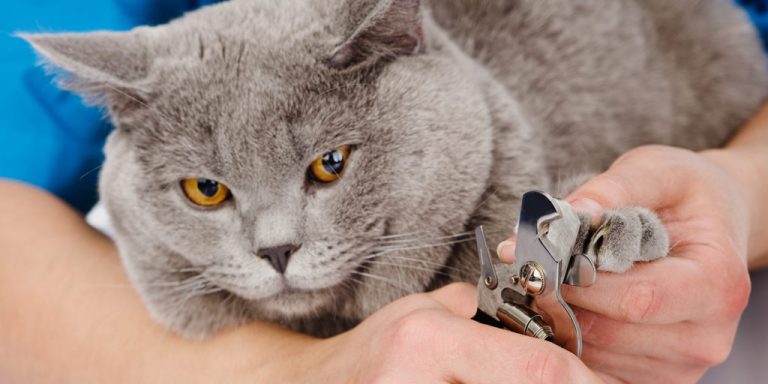
- Trim claws first: Do this a day before the bath. Freshly trimmed claws reduce scratching risk significantly.
- Brush out mats: Wet fur tightens tangles. Remove them beforehand or they’ll be much harder to deal with after.
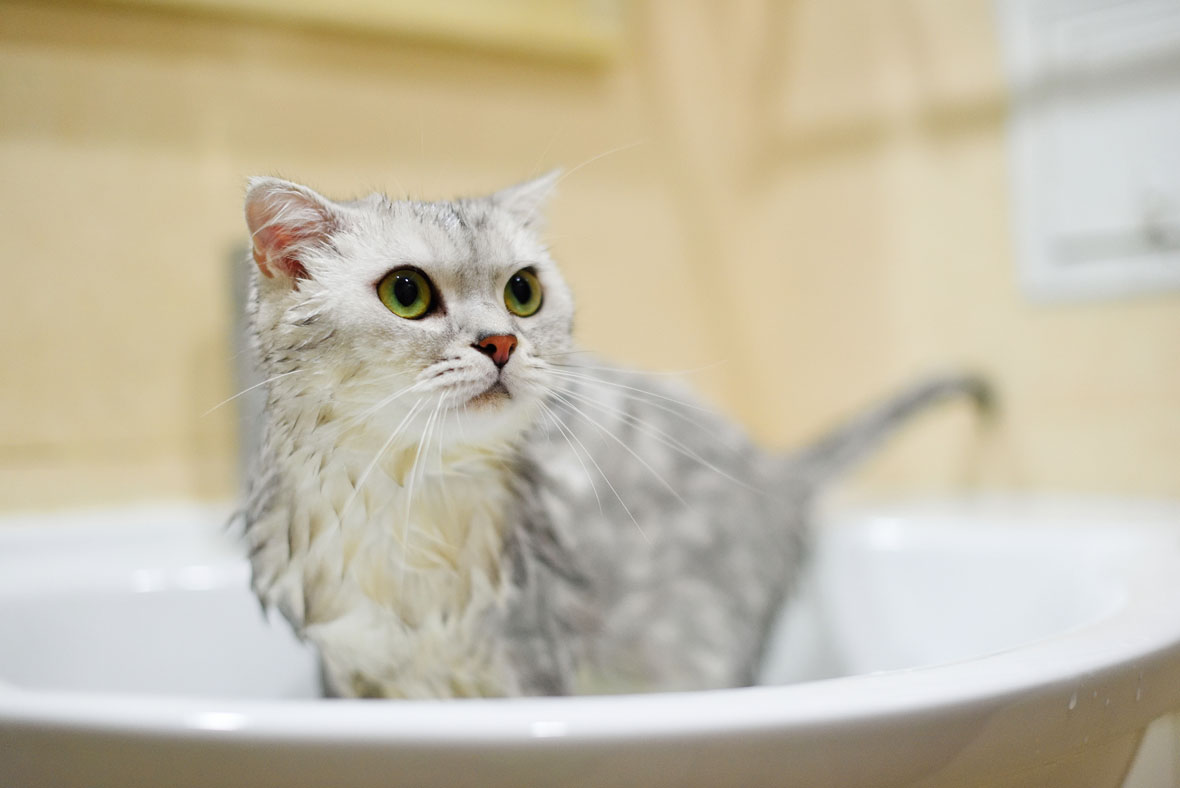
- Prep the space: Use a sink or tub with a non-slip mat. Fill with 5–8 cm of warm water (38–40°C — test with your wrist).
- Wet gradually: Use a handheld showerhead or cup. Start from the neck downward, never pour water directly on the face or ears.
- Apply cat shampoo: Use only products formulated for cats — their skin pH differs from humans. Work in gently, avoid eyes and ear canals.
- Rinse thoroughly: Shampoo residue irritates skin and causes licking, which can lead to ingestion. Rinse until water runs completely clear.
- Protect the ears: Place loose cotton balls in the ear openings before bathing — remove immediately after. Water in the ear canal causes infections.
- Dry quickly: Wrap in a warm towel immediately and blot — don’t rub. Keep the cat in a warm room (minimum 22°C) until fully dry. Use a low-heat dryer only if your cat tolerates it.
Choosing the Right Cat Shampoo
The shampoo type matters:
- Short-haired cats: Standard cat shampoo with moisturizing agents
- Long-haired cats: Detangling formulas with wheat protein or plant extracts — avoid heavy silicone-based formulas that mat fur
- Flea treatment: Pyrethrin-based or vet-approved insecticidal shampoo
- Kittens under 12 weeks: Kitten-specific formula, or consult a vet before bathing at all
Never use human shampoo, dish soap, or baby products. The pH difference causes skin irritation and strips the protective coat barrier.
After the Bath
Most cats will spend 20–30 minutes grooming themselves dry — this is normal. Offer a treat immediately after the bath to create a positive association. Keep them away from drafts and give them access to a warm spot. The calmer and faster the experience, the better your next bath will go.
Frequently Asked Questions
How often should I wash my cat?
For indoor cats with no skin issues, 3–4 times a year is standard. Long-haired breeds may benefit from monthly bathing to prevent matting.
Can I use baby shampoo on my cat?
No. Baby shampoo is formulated for human skin pH (around 5.5). Cat skin is closer to neutral (6.2–7.2), and regular use of human products causes irritation and coat damage.
My cat scratches badly during baths — what can I do?
Trim claws 24 hours beforehand. Consider a mesh cat bathing bag for short, necessary baths. For very aggressive cats, a groomer or vet visit is safer than risking injury.
Is it okay to wash a cat with a cold?
No. Bathing a sick cat adds stress and the risk of chilling. Wait until they’ve recovered before bathing.
At what age can I start bathing a kitten?
Kittens can be gently introduced to water from around 8 weeks. Avoid full baths before 12 weeks unless medically necessary — they lose body heat too quickly at that age.