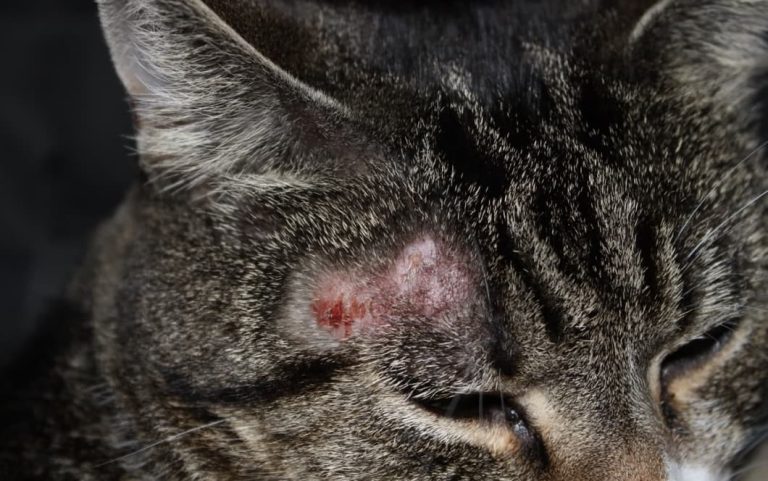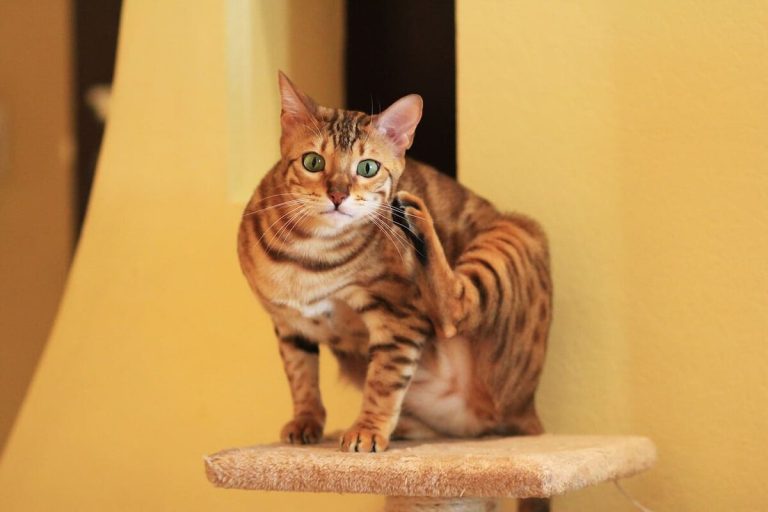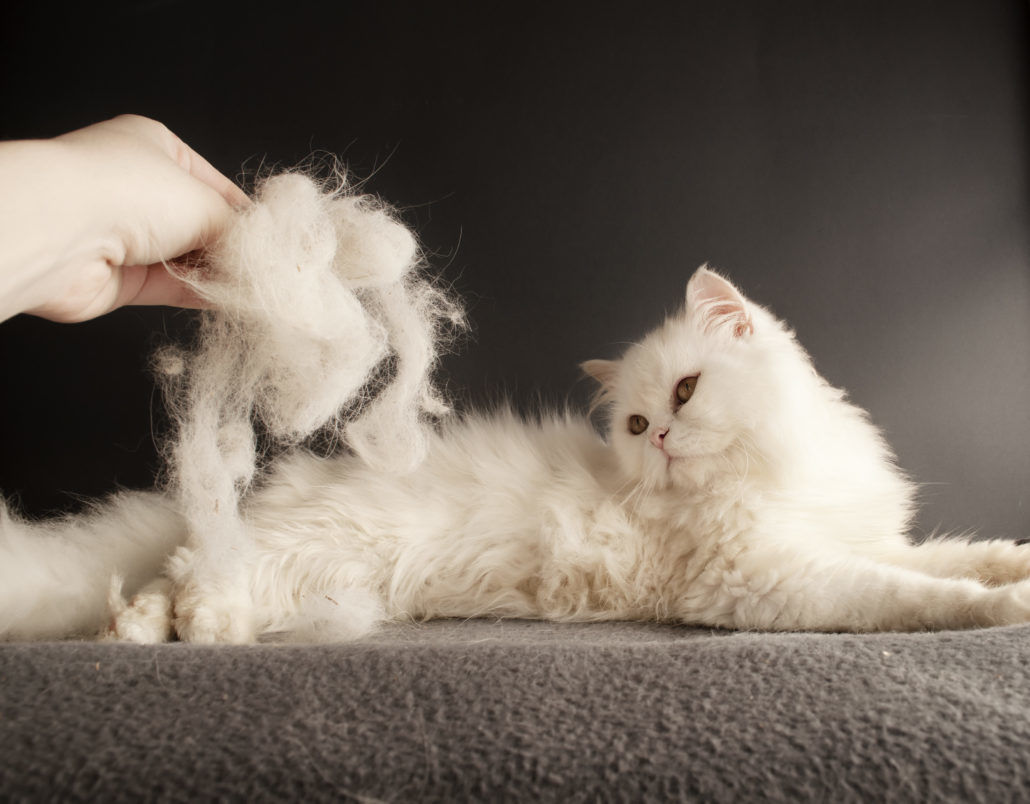
Cat hair loss is the partial or complete shedding of a cat’s coat beyond normal seasonal patterns, caused by factors ranging from natural hormonal cycles to parasitic infections, fungal disease, allergies, or underlying systemic illness. While twice-yearly seasonal shedding is entirely normal, persistent bald patches, symmetrical thinning, or hair loss accompanied by skin changes require veterinary evaluation.
Normal vs. Abnormal Hair Loss in Cats
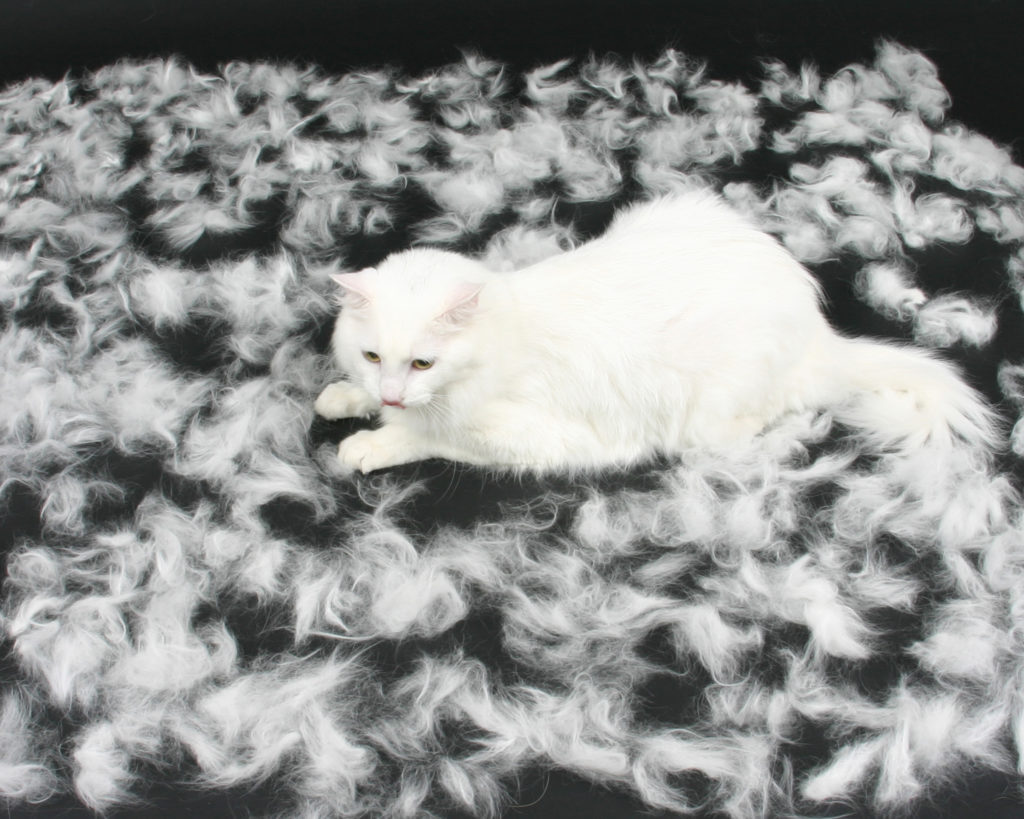
Understanding what’s normal is the first step. Healthy adult cats shed their undercoat twice a year — in spring to lighten up for summer, and in autumn to prepare for a new winter coat. Long-haired breeds like Persians and Angoras shed more dramatically, sometimes in visible clumps.
Shedding is abnormal when:
- Bald patches appear and grow over time
- The skin beneath looks red, flaky, crusty, or irritated
- Your cat scratches or grooms obsessively
- Hair loss is asymmetrical or localized (base of tail, belly, neck)
- Hair loss comes with other symptoms: weight loss, vomiting, lethargy, or increased thirst
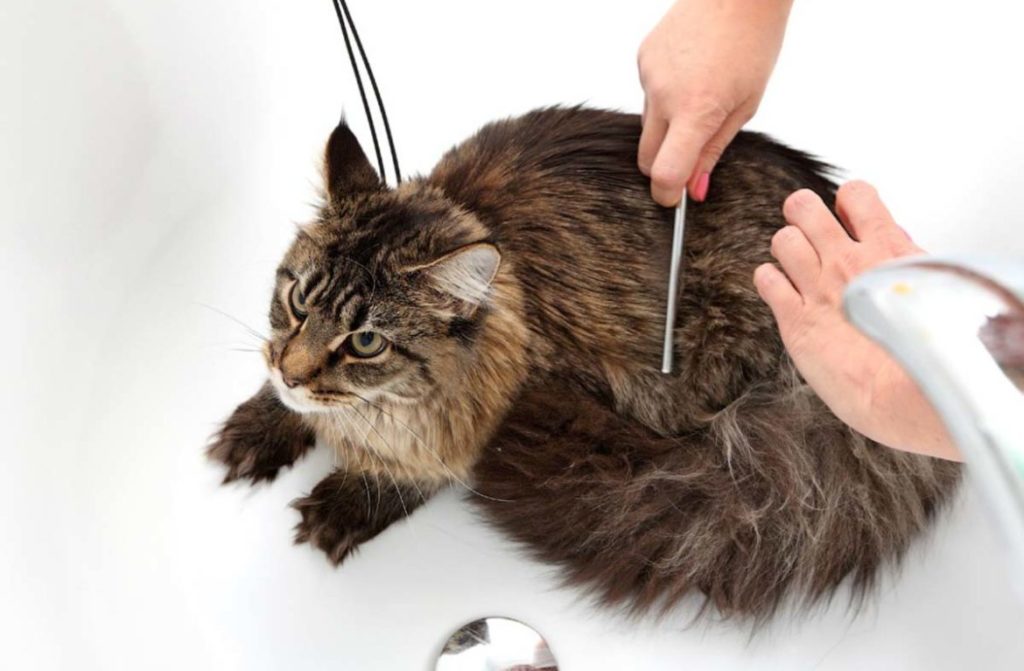
Common Causes of Cat Hair Loss
Natural Causes
Seasonal shedding — The most common cause. Occurs twice a year and produces no bald spots. Long-haired cats need daily brushing during peak shed weeks to prevent matting.
Poor diet — Insufficient levels of B vitamins, omega-3 fatty acids, and zinc directly weaken the hair follicle. Economy-grade kibble and human food (especially salty, smoked, or spiced items) are frequent culprits. Upgrading to a complete, species-appropriate diet often reverses diet-related thinning within 6–8 weeks.
Age — Senior cats (10+ years) naturally produce thinner, less dense coats. Mild thinning with no skin changes is expected; abrupt patchy loss in seniors warrants a geriatric blood panel.
Pregnancy and lactation — Hormonal shifts during and after pregnancy cause temporary shedding, especially around the nipple area. Coat typically recovers 6–8 weeks after weaning.
Stress — Chronic stress (new pets, moving, punishment, loud environments) triggers cortisol-driven hair loss. The body prioritizes vital organs; hair follicles are among the first systems to be deprioritized.
Skin and Fungal Conditions
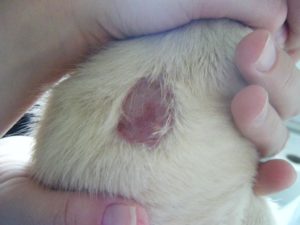
Ringworm (dermatophytosis) — Despite the name, ringworm is a fungal infection caused by Microsporum canis or Trichophyton species. It produces circular bald patches with scaly, sometimes inflamed edges. Critically, ringworm is zoonotic — it can and does spread to humans. Diagnosis requires a Wood’s lamp examination or fungal culture. Treatment involves antifungal medication (oral itraconazole or topical miconazole) for 4–6 weeks minimum.
Alopecia — Localized hair loss in defined patches, without obvious skin disease. Can be psychogenic (over-grooming from anxiety) or hormonal in origin.
Hypotrichosis — A congenital condition where kittens are born with partial or complete absence of hair. Affected skin is sensitive to UV light and temperature extremes.
Solar dermatosis — Common in white cats, who lack sufficient melanin protection. UV exposure causes redness, crusting, and peeling around the ears and nose. Without treatment, chronic solar dermatosis can progress to squamous cell carcinoma.
Injection site alopecia — A small bald patch occasionally develops after subcutaneous injections. Usually resolves in 4–8 weeks; consult a vet if it persists or enlarges.
Parasites
Fleas and mites — Flea saliva triggers feline hypersensitivity dermatitis: intense itching, hair loss along the back, base of tail, and inner thighs. Even a single flea bite can cause a severe allergic response in sensitized cats. Ear mites (Otodectes cynotis) cause scratching around the head and neck. Mange mites (Notoedres cati) produce crusting and hair loss on the face and ears.
Worms (helminthiasis) — Intestinal parasites compete for nutrients and create systemic toxicity, which manifests in coat thinning, dull fur, and general poor condition alongside digestive symptoms.
Internal and Systemic Diseases
Hyperthyroidism — Overproduction of thyroid hormones (T3/T4), most common in cats over 8 years old. Signs include weight loss despite good appetite, increased vocalization, vomiting, diarrhea, and a greasy or matted coat. Diagnosis requires a serum total T4 test. Treatable with methimazole, radioactive iodine therapy, or surgery.
Allergies — Food allergies (most often to chicken, beef, or dairy), environmental allergens (dust mites, pollen), or contact irritants all cause pruritic dermatitis. Skin becomes red and excoriated; chronic cases develop eosinophilic plaques or miliary dermatitis.
Endocrine imbalance — Hormonal contraceptives and some other medications disrupt the hair cycle. Symmetrical bilateral hair loss on the flanks is a hallmark of hormone-related alopecia.
Autoimmune disease — Conditions like pemphigus foliaceus cause the immune system to attack the skin and hair follicles. Bald areas do not regrow because follicles are actively destroyed.
Cancer — Paraneoplastic alopecia is an uncommon but recognized syndrome in cats with internal tumors (particularly pancreatic or biliary carcinoma). Sudden, dramatic hair loss with shiny, fragile skin is a red flag requiring immediate veterinary investigation.
How to Diagnose the Cause
A veterinarian will use a combination of diagnostic tools depending on clinical presentation:
- Physical examination — Pattern and location of hair loss, skin condition, overall body condition.
- Wood’s lamp exam — Screens for Microsporum canis ringworm (fluoresces green-yellow).
- Skin scraping — Identifies demodex, notoedres, or other mites.
- Fungal culture — Definitive test for ringworm; takes 10–14 days.
- Complete blood count (CBC) and biochemistry panel — Detects systemic disease, liver/kidney dysfunction, thyroid markers.
- Total T4 assay — Confirms or rules out hyperthyroidism.
- Elimination diet trial — Gold standard for diagnosing food allergy (8–12 weeks on a hydrolyzed or novel protein diet).
- Biopsy — For suspected autoimmune disease or cancer.
Treatment Options
Treatment follows diagnosis. The most common approaches:
- Antiparasitic medications — Monthly spot-on treatments (selamectin, fipronil) for fleas and mites; fenbendazole or pyrantel for worms
- Antifungals — Oral itraconazole or fluconazole for ringworm, combined with twice-weekly antifungal shampoo (miconazole/chlorhexidine)
- Antihistamines and steroids — Manage allergic dermatitis; prednisolone is effective short-term, cyclosporine for long-term allergy control
- Dietary correction — High-quality food with omega-3 fatty acids (EPA/DHA from fish oil), adequate protein, and complete vitamin/mineral profiles
- Thyroid management — Methimazole (daily oral or transdermal) for hyperthyroidism
- Anxiolytics — For stress-related psychogenic alopecia: environmental enrichment, pheromone diffusers (Feliway), or gabapentin in severe cases
Managing Shedding in Indoor Cats
Indoor cats often shed year-round rather than in two seasonal bursts. Central heating, artificial lighting, and limited physical activity all disrupt the natural hormonal cycles that regulate molting.
Practical ways to manage it:
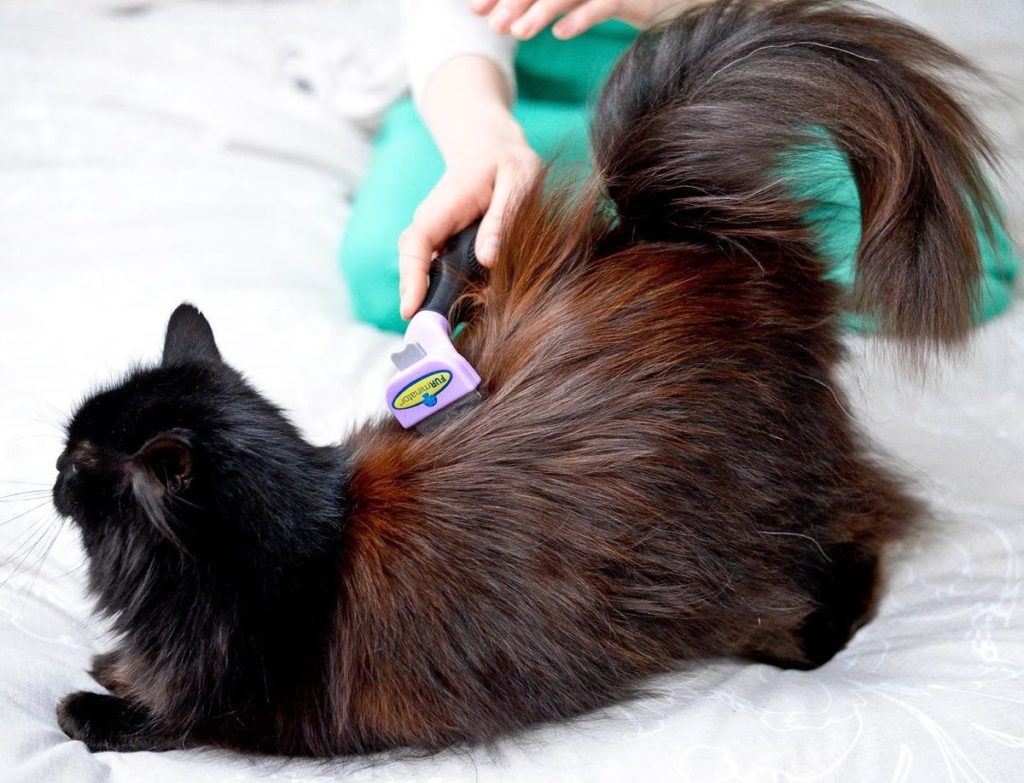
- Brush daily during peak shed periods — A slicker brush or Furminator deshedding tool removes loose undercoat before it lands on your furniture. Ten minutes a day makes a significant difference.
- Feed a quality diet — Look for foods with named protein sources as the first ingredient, and consider adding fish oil (0.5–1g EPA/DHA per day for an average-sized cat)
- Supplement strategically — Biotin, B-vitamins, and zinc support coat quality; ask your vet before adding supplements
- Maintain a stable environment — Reduce stressors, keep routine consistent, ensure access to hiding spots and vertical space
- Schedule annual vet checks — Baseline bloodwork catches thyroid and systemic issues before coat changes become severe
Frequently Asked Questions
Is it normal for cats to lose a lot of hair?
Seasonal shedding twice a year is completely normal and produces no bald patches. Heavy year-round shedding in indoor cats is common but manageable with brushing, diet, and stress reduction. Bald spots, skin changes, or shedding with other symptoms are not normal and need veterinary evaluation.
What deficiency causes hair loss in cats?
B vitamin deficiency (particularly biotin and niacin), insufficient omega-3 fatty acids, low zinc levels, and inadequate protein intake all weaken hair follicles and cause coat thinning. Feeding a nutritionally complete, high-quality cat food addresses most diet-related hair loss within 6–8 weeks.
Can stress cause hair loss in cats?
Yes. Chronic stress triggers elevated cortisol levels, which disrupt the hair growth cycle. Psychogenic alopecia — compulsive over-grooming driven by anxiety — often produces symmetrical bald patches on the belly, inner thighs, and flanks. Environmental enrichment and, in severe cases, anti-anxiety medication are effective treatments.
How do I know if my cat has ringworm?
Ringworm causes circular bald patches with scaly, slightly raised edges. The patches grow over time and are often found on the head, ears, and forelimbs. A Wood’s lamp exam at the vet (where infected hair fluoresces) and a fungal culture confirm the diagnosis. Ringworm is contagious to other pets and to humans — isolate the affected cat during treatment.
When should I take my cat to the vet for hair loss?
See a vet if hair loss involves visible bald patches, red or crusty skin, obsessive scratching, rapid progression, or any accompanying systemic signs like weight loss, vomiting, increased drinking, or lethargy. The sooner a diagnosis is made, the faster treatment can restore a healthy coat.