Training your dog is one of the most rewarding investments you can make in your relationship with your pet. Whether you’ve just brought home a new puppy or are working with an older dog, the right approach makes all the difference. This guide covers the most effective dog training tips, backed by behavioral science and real-world experience.
Why Training Your Dog Matters
A well-trained dog is a happy dog. Training isn’t about control — it’s about communication. When your dog understands what you expect, anxiety decreases, trust builds, and the bond between you deepens. Studies show that dogs who receive consistent training are less likely to develop behavioral problems and more likely to be kept by their families long-term.
Beyond the emotional benefits, basic obedience can literally save your dog’s life. A reliable “come” or “stop” command can prevent a dog from running into traffic or eating something dangerous.
The Foundation: Positive Reinforcement
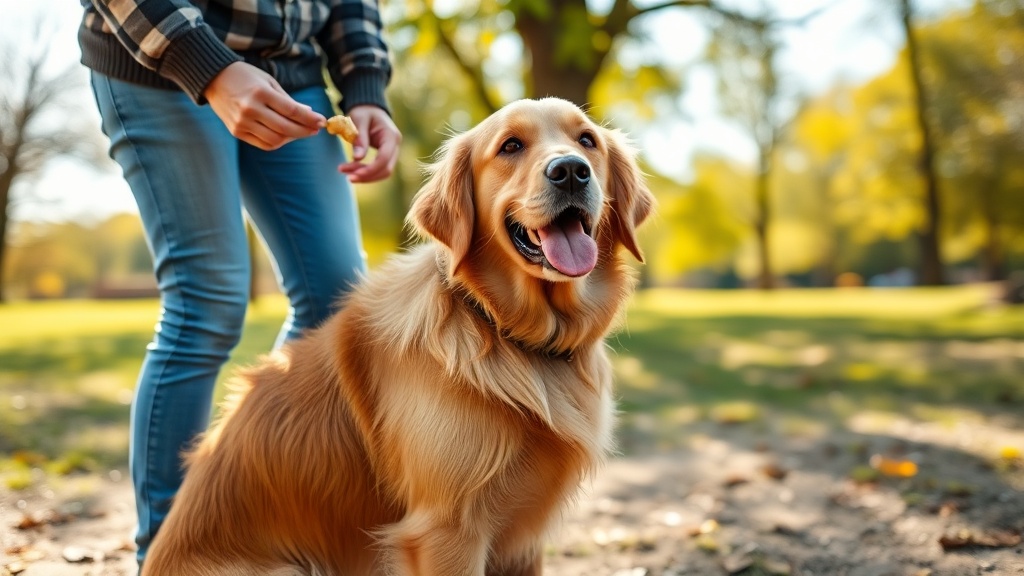
The most effective and humane training method is positive reinforcement — rewarding the behavior you want to see repeated. When your dog sits on command and receives a treat or praise, the brain reinforces that action as desirable. Over time, the behavior becomes automatic.
Punishment-based methods, on the other hand, can create fear, aggression, and mistrust. Modern veterinary behaviorists universally recommend reward-based training as the gold standard.
What Counts as a Reward?
- Small, high-value treats (chicken, cheese, commercial training treats)
- Verbal praise in an upbeat, warm tone
- Physical affection — petting, belly rubs
- Play — a quick game of tug or fetch
- Life rewards — access to sniffing, going outside, greeting people
The key is timing: the reward must come within 1–2 seconds of the correct behavior for the dog to make the connection.
Core Commands Every Dog Should Learn
Start with these five foundational commands before moving to more advanced skills:
1. Sit
Hold a treat close to your dog’s nose, then slowly raise it above their head. As their nose follows the treat upward, their bottom will naturally lower. The moment they sit, say “sit,” mark with a clicker or “yes,” and reward. Repeat 5–10 times in short sessions.
2. Stay
Ask your dog to sit, then open your palm toward them and say “stay.” Take one step back, return, and reward. Gradually increase distance and duration. Never call your dog to you to end a stay — always return to them first, then release with “okay” or “free.”
3. Come (Recall)
A reliable recall is the single most important safety command. Practice in low-distraction environments first: crouch down, open your arms, say your dog’s name followed by “come,” and reward enthusiastically when they reach you. Never call your dog to you for something unpleasant (bath, nail trim) — go get them instead.
4. Down
From a sit position, hold a treat at your dog’s nose and slowly lower it straight to the ground. As they follow the treat down, guide their elbows to the floor. Say “down” and reward. This command is especially useful for keeping dogs calm in busy environments.
5. Leave It
Place a treat in your closed fist. When your dog noses or paws at your hand, wait. The moment they pull back or look at you, say “leave it” and reward from your other hand. Progress to treats on the floor under your foot, then to items in the environment.
Training Tips That Actually Work
Keep Sessions Short
Dogs — especially puppies — have limited attention spans. Five to ten minutes of focused training is more effective than a 45-minute marathon. Train two or three times per day rather than one long session. Always end on a success: finish with something your dog knows well so they end feeling confident.
Be Consistent With Cues
Choose one word per command and stick to it — don’t say “sit” sometimes and “sit down” other times. Ensure everyone in your household uses the same words. Inconsistency is one of the most common reasons training stalls.
Train Before Meals
A slightly hungry dog is a more motivated student. Scheduling training sessions 20–30 minutes before feeding time means treats will be more valuable and your dog will be more focused.
Generalize the Behavior
Dogs don’t automatically transfer learned behaviors to new environments. Once your dog reliably sits in the kitchen, practice in the backyard, at the park, and on walks. Each new environment is a fresh training challenge — start with high-value rewards when changing locations.
Manage the Environment
Prevention is part of training. If your dog jumps on counters, don’t leave food accessible. If they chew shoes, keep shoes out of reach. Every time an unwanted behavior is practiced, it becomes more ingrained. Every time it’s prevented, you create space to teach the right behavior instead.
Common Mistakes to Avoid
- Repeating commands: Say the cue once. If you say “sit sit sit,” you teach your dog that one “sit” means nothing.
- Training while frustrated: Dogs read your emotional state. If you’re impatient, take a break.
- Skipping the basics: Advanced tricks mean nothing without a solid foundation.
- Inconsistent rules: If jumping is sometimes okay and sometimes not, the behavior will never extinguish.
- Expecting too much too fast: Each dog has their own learning pace. Celebrate small wins.
When to Call a Professional Trainer
Most basic training is something owners can handle themselves with the right guidance. However, consider working with a certified professional trainer (look for CPDT-KA certification) if your dog shows aggression toward people or other animals, has severe anxiety, or isn’t responding to your training efforts after consistent work over several weeks.
Group classes are excellent for socialization and are usually affordable. Private sessions allow trainers to address specific issues in your home environment.
Frequently Asked Questions
How long does it take to train a dog?
Basic commands like sit and stay can be learned in a few days to a few weeks with consistent practice. Complex behaviors and full reliability in distracting environments take months. Training is really a lifelong process — the more you practice, the more reliable your dog’s behavior becomes.
Can older dogs learn new commands?
Absolutely. The saying “you can’t teach an old dog new tricks” is a myth. Older dogs may take slightly longer to learn new patterns, but they often have better focus than puppies and can be excellent students.
Should I use a clicker for training?
Clicker training is highly effective because the click provides a precise, consistent marker that communicates the exact moment of correct behavior. It’s not required — a verbal “yes” or “good” works too — but many trainers find clickers speed up the learning process, especially for precise behaviors.
How do I stop my dog from pulling on the leash?
The most effective method is stopping completely every time your dog pulls. The moment the leash goes slack, continue walking. Your dog learns that pulling stops the walk, while loose-leash walking continues it. Be patient — this can take many sessions before it clicks.
Final Thoughts
Effective dog training isn’t about dominance or perfection — it’s about building a shared language with your dog. Every session is a conversation. The more clearly you communicate, the more eager your dog becomes to listen. Start with the basics, stay consistent, reward generously, and enjoy the process. A well-trained dog isn’t just easier to live with — they’re a happier, more confident companion.