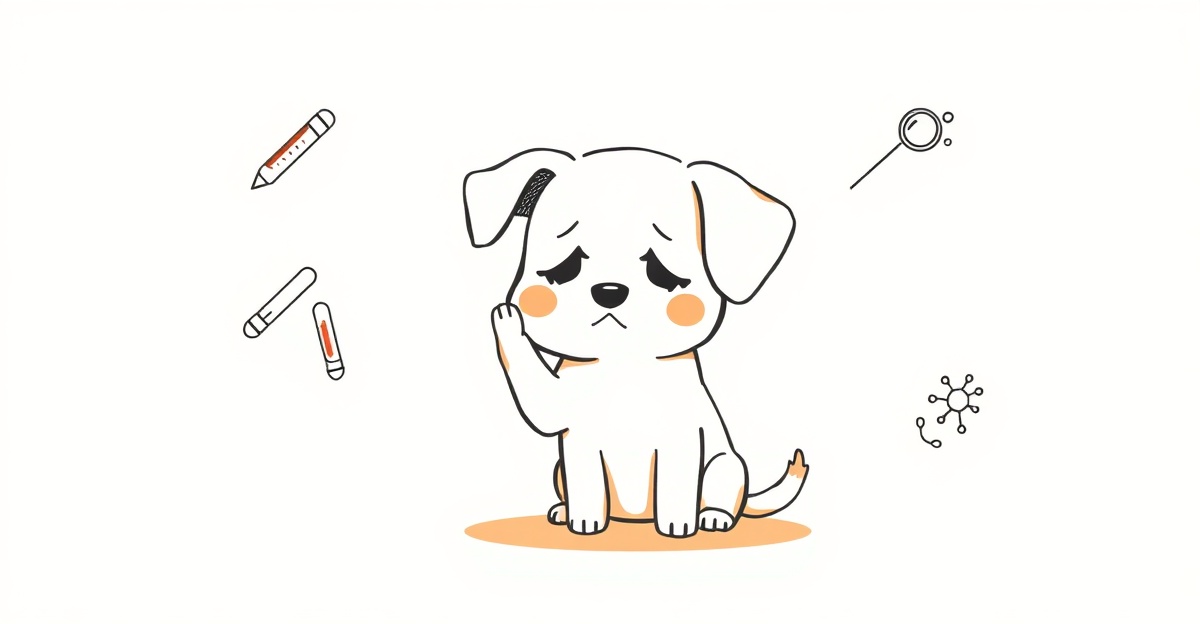
Ear infections are one of the most common health issues affecting dogs, especially those with floppy ears or dogs that love swimming. Recognizing the early signs and knowing how to respond can save your furry friend from discomfort and prevent complications.
Common Signs Your Dog Has an Ear Infection
Dogs can’t tell us when their ears hurt, but they show clear behavioral changes when something’s wrong:
- Head shaking or tilting: Frequent head movements trying to relieve discomfort
- Scratching or pawing at ears: Persistent attempts to reach the affected area
- Redness and swelling: Visible inflammation inside the ear canal
- Unusual discharge: Yellow, brown, or bloody fluid with an unpleasant odor
- Pain when touched: Yelping or pulling away when you touch their ears
- Balance problems: In severe cases, infections affecting the inner ear can cause loss of coordination
If you notice any combination of these symptoms, schedule a veterinary appointment promptly.
What Causes Ear Infections in Dogs?
Understanding the root cause helps prevent future infections:
Bacteria and Yeast Overgrowth
The warm, moist environment inside dog ears creates perfect conditions for microorganisms. Staphylococcus and Malassezia yeast are the most common culprits. When the ear’s natural balance is disrupted, these organisms multiply rapidly.
Allergies
Environmental allergens (pollen, dust mites) and food sensitivities often manifest as ear inflammation. Dogs with chronic allergies frequently develop recurring ear infections as a secondary condition.
Ear Anatomy
Breeds with long, floppy ears like Basset Hounds, Cocker Spaniels, and Golden Retrievers have reduced air circulation in their ear canals. This trapped moisture increases infection risk significantly.
Water Exposure
Swimming or bathing without proper ear drying creates an ideal breeding ground for bacteria. Water trapped deep in the ear canal can lead to “swimmer’s ear” in dogs.
Foreign Objects
Grass seeds, dirt, or other debris can lodge in the ear canal, causing irritation and infection.
Veterinary Diagnosis and Treatment
Never attempt to diagnose or treat ear infections without professional guidance. Your veterinarian will:
- Perform a physical examination: Checking both ears, even if only one seems affected
- Use an otoscope: To visualize the ear canal and eardrum
- Collect samples: Analyzing discharge under a microscope to identify the specific pathogen
- Assess severity: Determining if the infection is in the outer, middle, or inner ear
Treatment typically includes:
- Topical medications: Antibiotic or antifungal ear drops applied directly to the affected ear
- Oral medications: For severe or systemic infections, especially if the middle or inner ear is involved
- Ear cleaning solutions: Veterinary-grade cleaners to remove debris and discharge
- Pain relief: Anti-inflammatory medications to reduce discomfort
- Addressing underlying causes: Allergy management, dietary changes, or treating hormonal imbalances
Most ear infections resolve within 1-2 weeks with proper treatment, though chronic cases may require longer management.
Home Care and Prevention Strategies
Proper Ear Cleaning Technique
Regular cleaning prevents many infections, but technique matters:
- Use only veterinarian-recommended ear cleaning solutions—never alcohol, hydrogen peroxide, or vinegar
- Gently fill the ear canal with cleaner
- Massage the base of the ear for 20-30 seconds to break up debris
- Allow your dog to shake their head
- Wipe the outer ear with cotton balls or gauze—never insert cotton swabs deep into the canal
For dogs prone to infections, weekly cleaning may be beneficial. Ask your vet for a schedule tailored to your dog’s needs.
Post-Swimming Care
If your dog loves water activities:
- Dry ears thoroughly after every swim or bath
- Use a clean towel or soft cloth to absorb moisture from the outer ear
- Consider veterinary ear-drying solutions designed for water-loving breeds
- Limit swimming frequency if your dog has recurring infections
Diet and Allergies
Food allergies can trigger chronic ear problems. If your dog suffers from repeated infections despite treatment:
- Discuss an elimination diet with your veterinarian
- Consider hypoallergenic or limited-ingredient dog foods
- Keep a symptom diary to identify patterns
When to Seek Emergency Care
While most ear infections aren’t emergencies, certain situations require immediate attention:
- Severe head tilt with loss of balance
- Facial paralysis or drooping on one side
- Excessive bleeding from the ear
- Signs of extreme pain (crying, aggression when approached)
- Swelling that extends beyond the ear to the face or neck
These symptoms may indicate a ruptured eardrum or infection spreading to deeper structures.
Long-Term Management for Chronic Cases
Some dogs battle recurring ear infections despite best efforts. Long-term strategies include:
- Regular veterinary monitoring: Scheduled check-ups even when no active infection is present
- Maintenance medication: Low-dose treatments to prevent recurrence
- Environmental modifications: Reducing allergen exposure at home
- Surgical options: In severe cases, ear canal surgery may improve air circulation
Key Takeaways
Ear infections are uncomfortable but manageable with prompt attention. Watch for early warning signs like head shaking and scratching. Always consult your veterinarian before treating ear problems at home—what looks like a simple infection could be something more complex. With proper care, prevention, and professional guidance, most dogs recover completely and return to their happy, active lives.
Remember: your dog’s ears are delicate structures. When in doubt, err on the side of caution and seek professional advice. Regular preventive care and vigilant observation are your best tools for keeping those ears healthy.